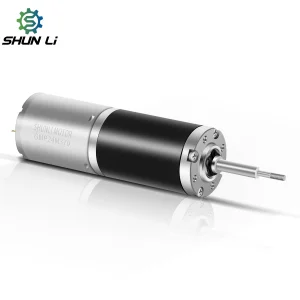
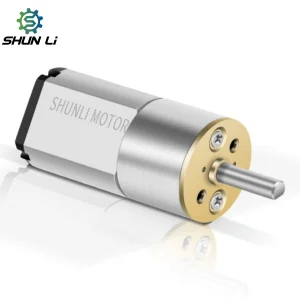
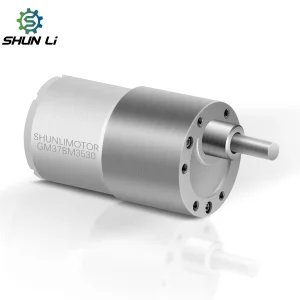
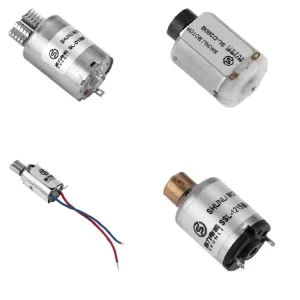
Engineered for high-torque performance in miniature envelopes.
In the era of Industry 4.0, the "Programmable Servo Motor" has transitioned from a niche industrial component to the beating heart of smart automation. For global procurement officers and engineering directors, choosing a manufacturer is no longer just about RPM and Torque; it is about software integration, semantic control, and information gain.
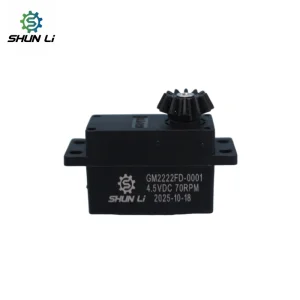
Programmable servos differ from traditional motors by incorporating integrated encoders and logic controllers (PLCs), allowing for millisecond-level adjustments. This guide analyzes the top 10 players who are defining the future of motion control through E-E-A-T (Experience, Expertise, Authoritativeness, and Trustworthiness).
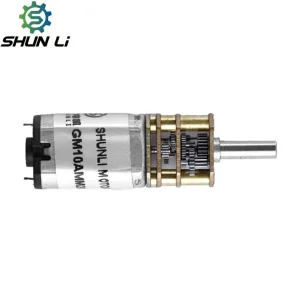
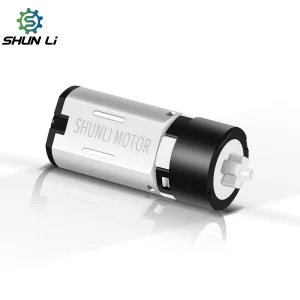
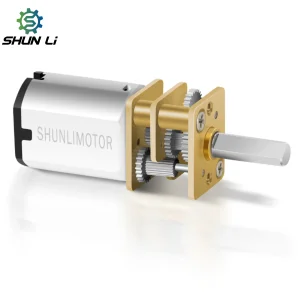
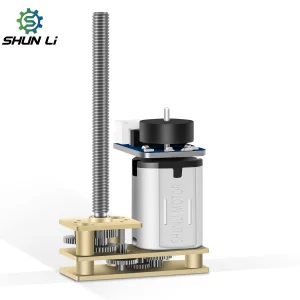
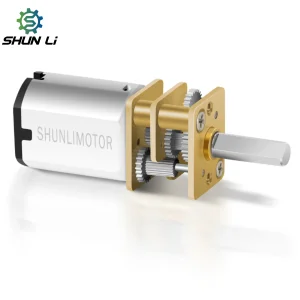
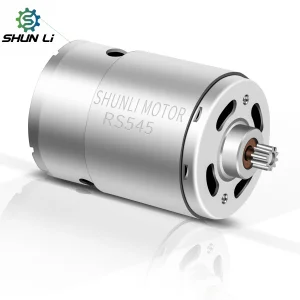
Viterra Motor: Packing Massive Torque Into Miniature Spaces. Inside a premium robotic joint, an automated medical valve, or a high-end smart lock, space is the ultimate luxury. Viterra Motor measures manufacturing success in micrometers and decibels. They optimize precision-wound copper rotors and zero-backlash planetary gear trains to eliminate friction.
A titan in industrial automation, Siemens provides high-end programmable servos with TIA Portal integration. Their expertise lies in large-scale manufacturing ecosystems where synchronized motion across hundreds of axes is required.
Renowned for the MELSERVO series, Mitsubishi offers industry-leading vibration suppression and high-resolution encoders, making them a favorite for semiconductor manufacturing.
Dominating the North American market, Rockwell specializes in Kinetix® integrated motion solutions, providing seamless communication via EtherNet/IP.
Yaskawa's Sigma-7 series sets the gold standard for performance-to-size ratios, offering high-speed response and energy efficiency.
With the Lexium range, Schneider focuses on sustainability and digital twin technology, allowing for predictive maintenance in programmable servo systems.
Why are global enterprises increasingly sourcing from Chinese "Smart Factories"? It's not just cost—it's the unmatched vertical integration. At Viterra Motor, advanced automated Swiss-style hobbing and Japanese dynamic balancing ensure micro drives deliver fluid power. The ability to prototype in days rather than months gives global brands a critical time-to-market advantage.

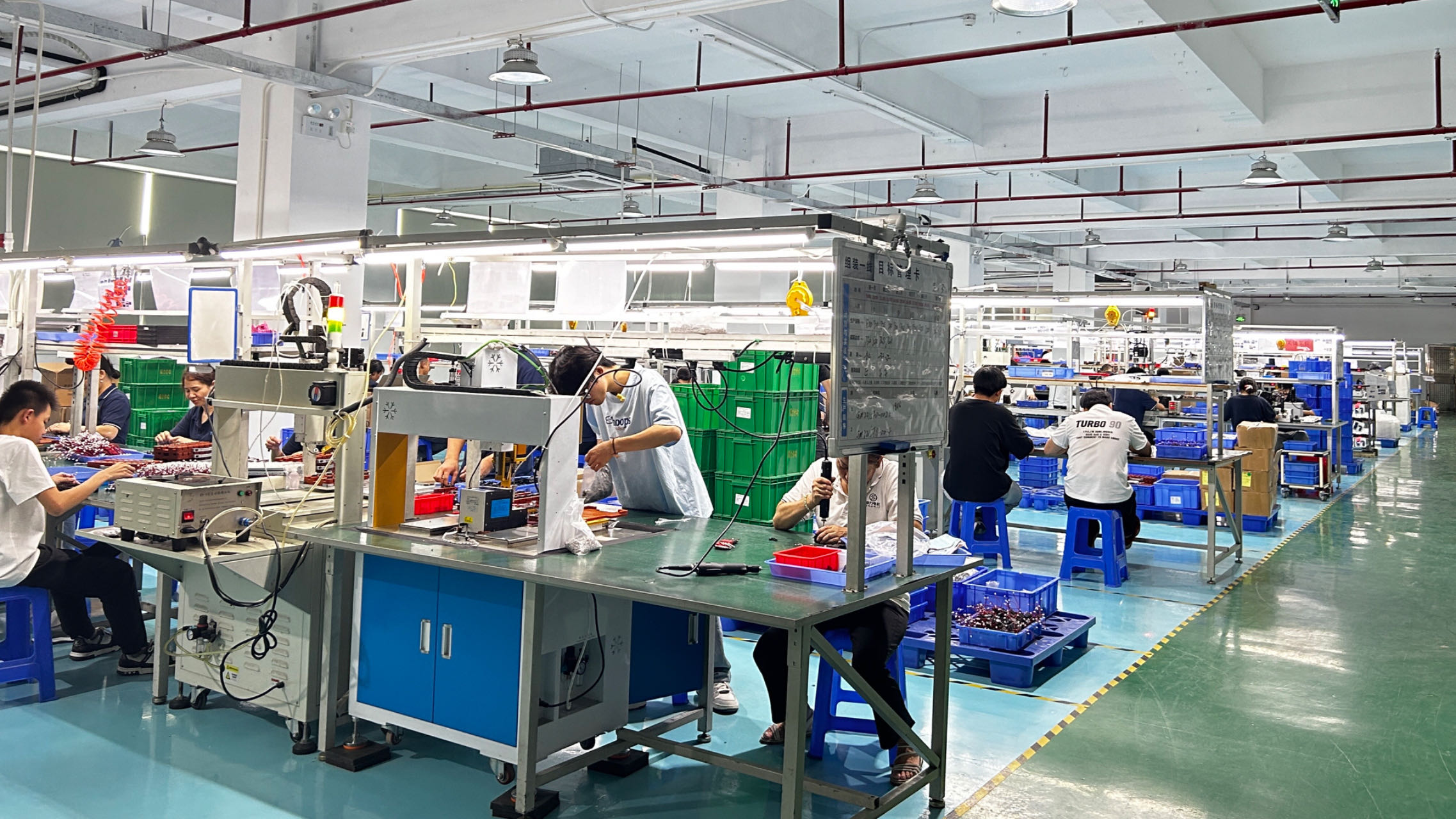
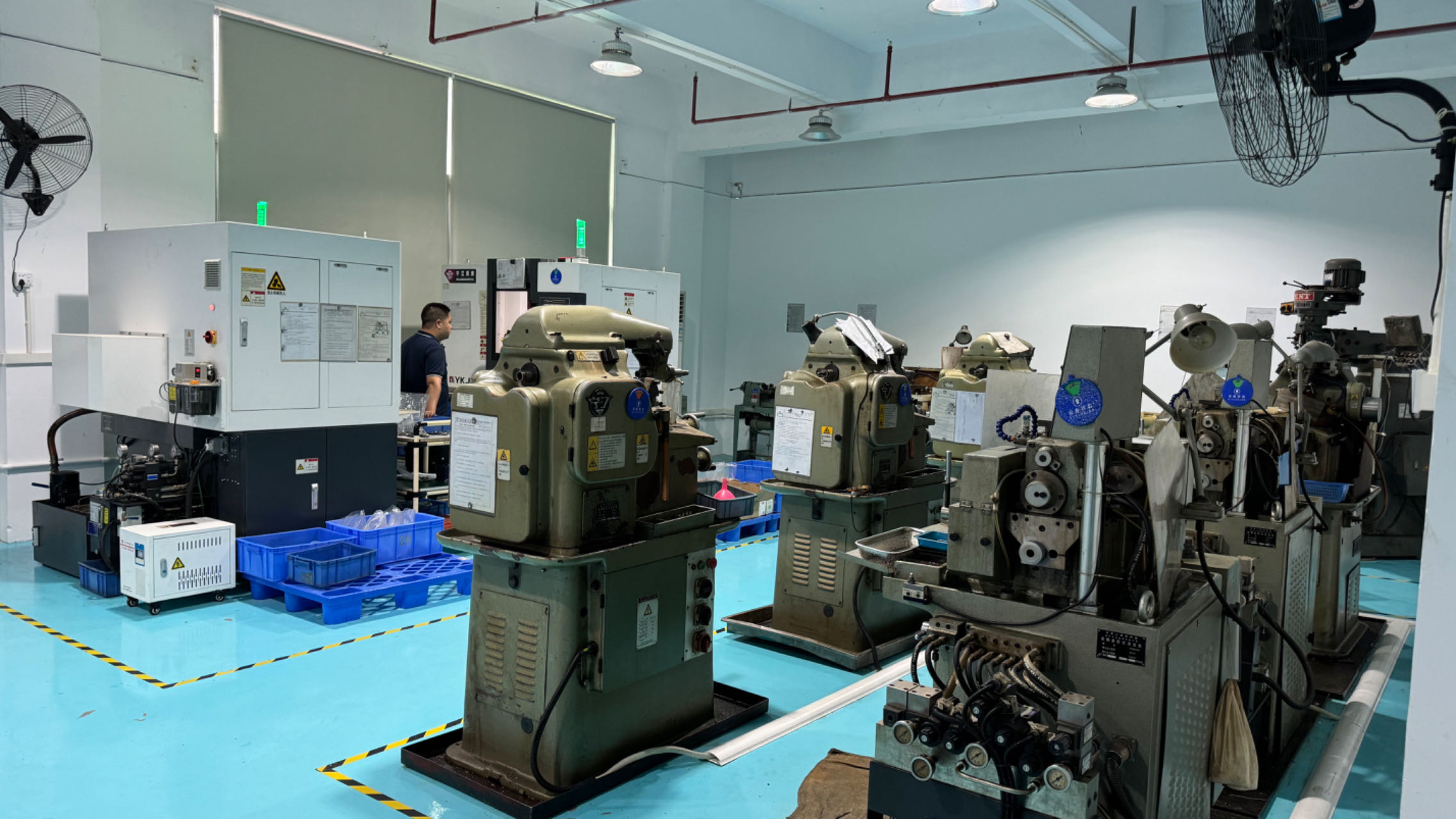
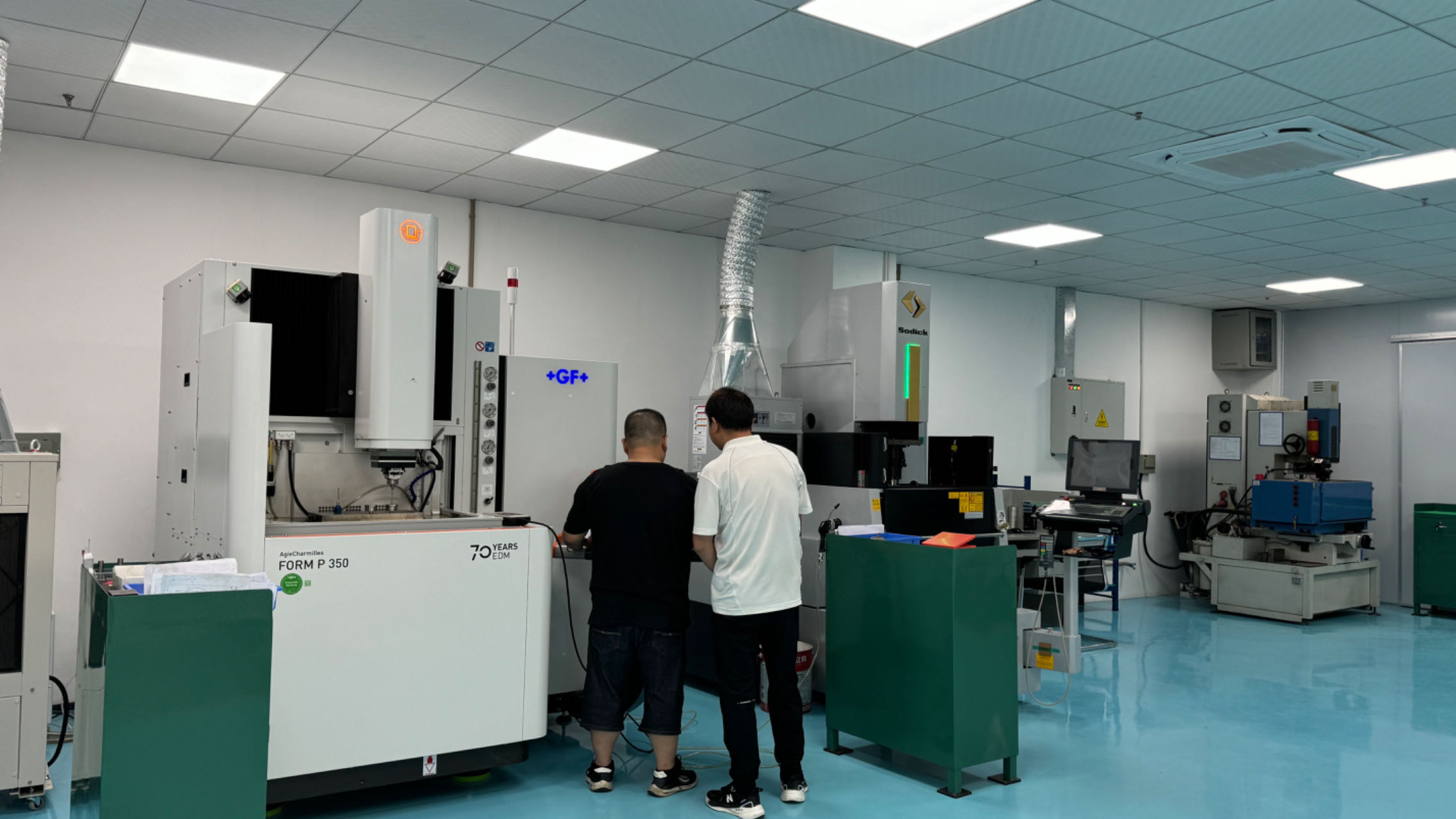
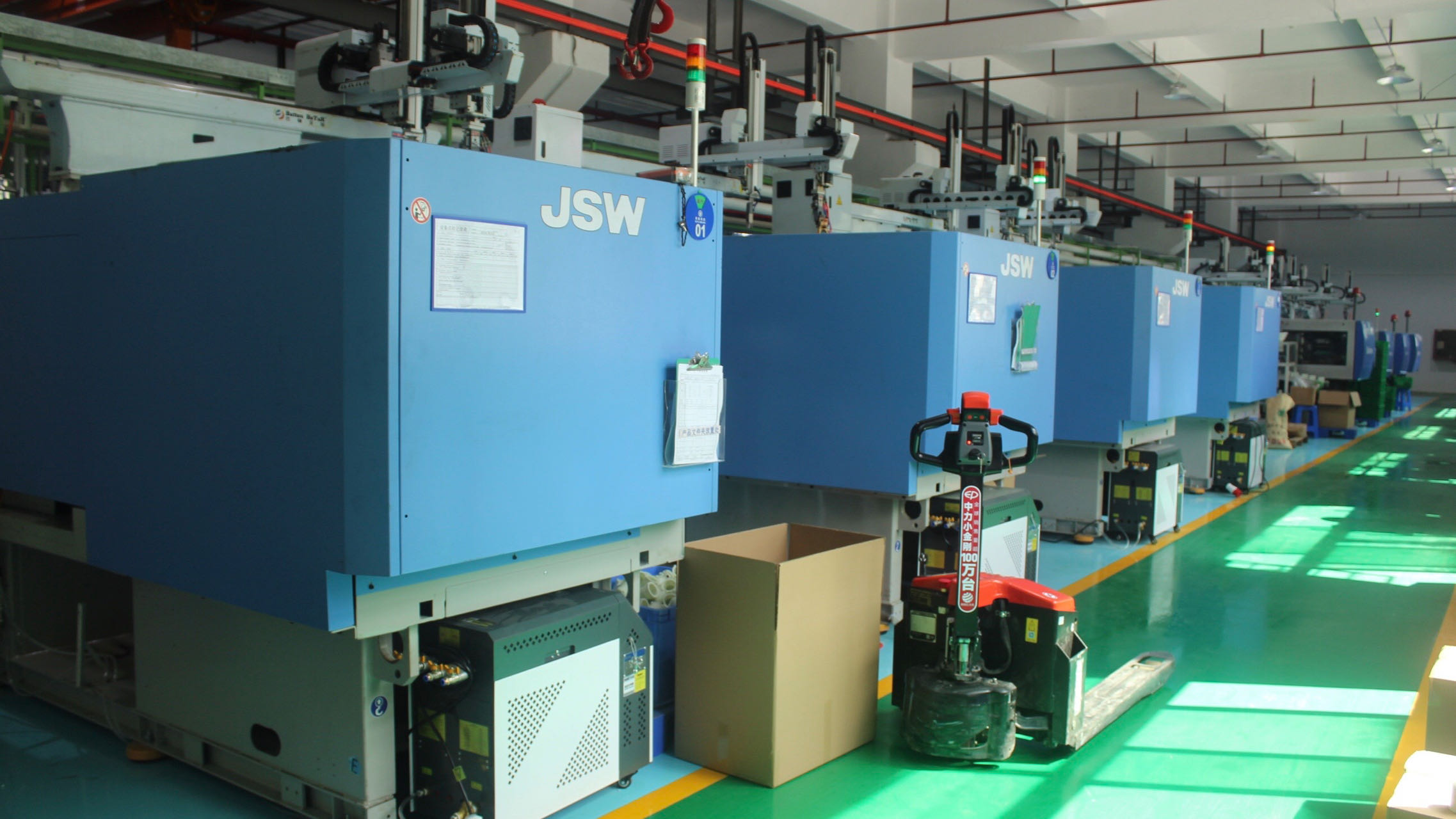
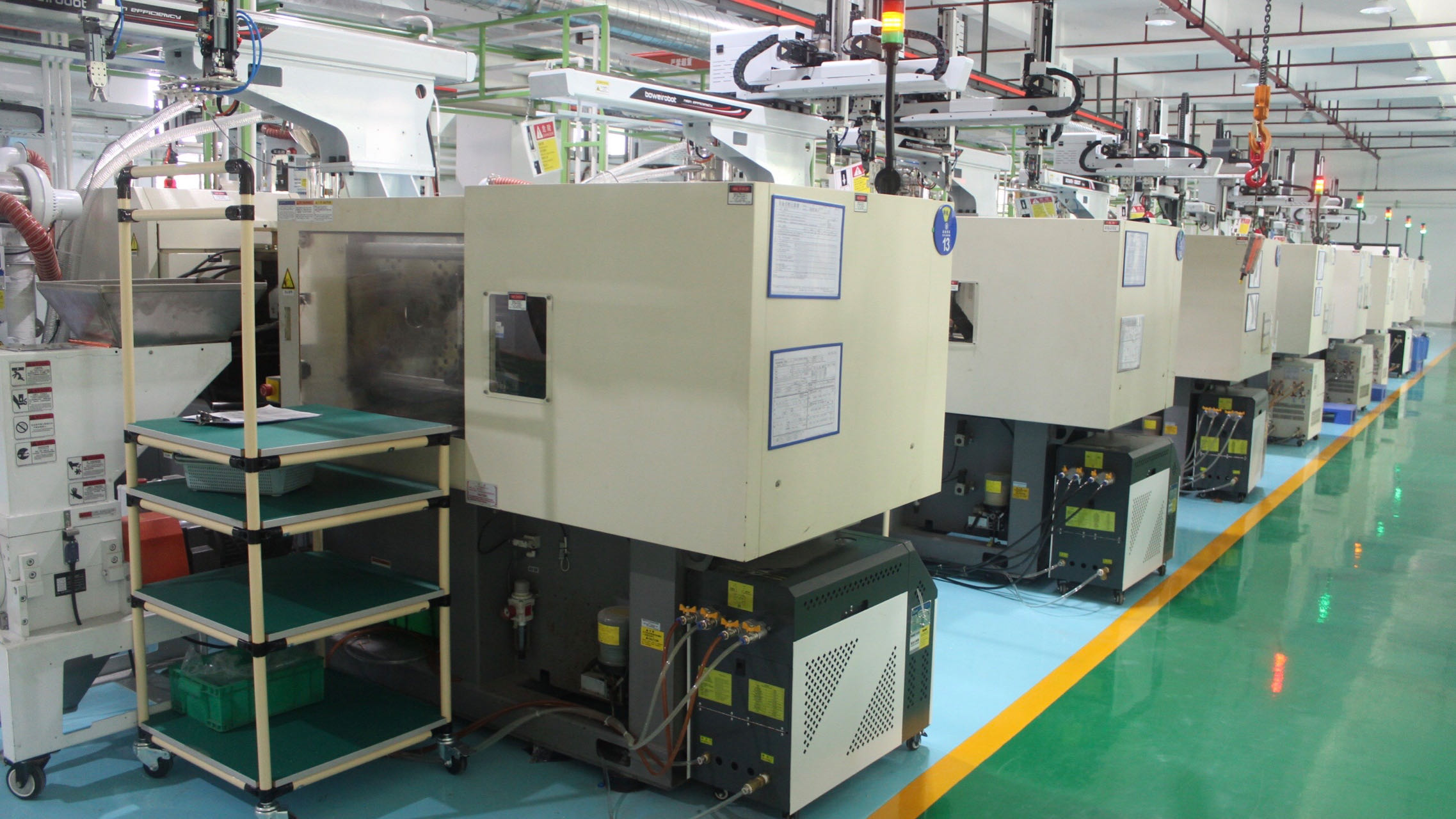
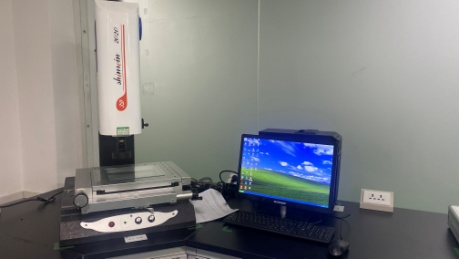
The foundation of E-E-A-T lies in the physical assets that guarantee repeatable mechanical perfection.
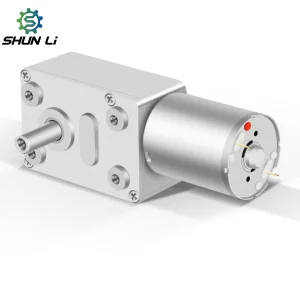
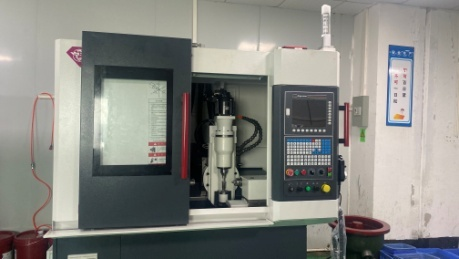
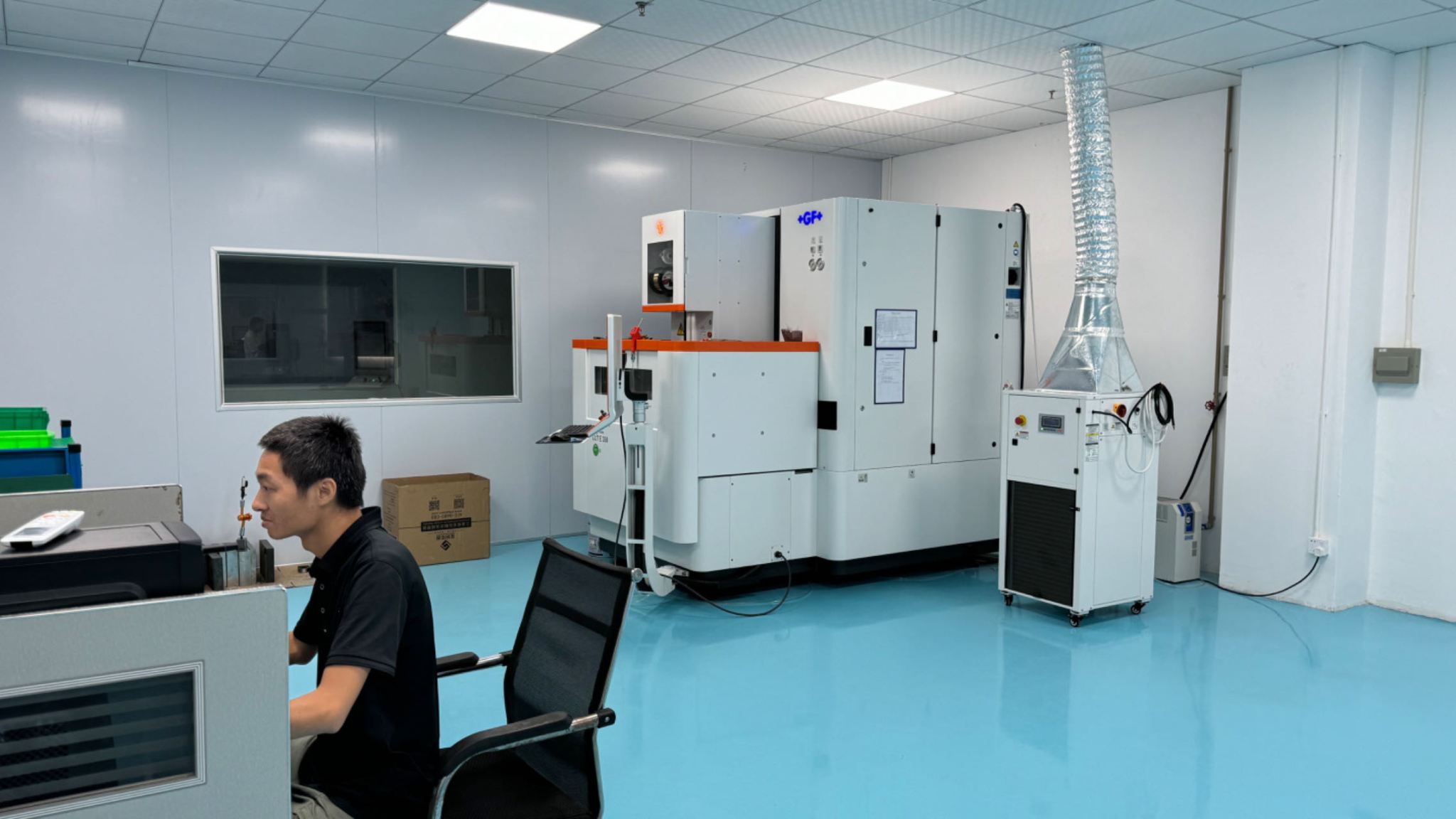
Utilizing NINGJIANG MACHINE TOOL and Slow-feeding NC wire-cut machines, we achieve tolerances within microns. Our EDM and High Precision Horizontal Gear Hobbing Machines allow for the creation of zero-backlash gearboxes.
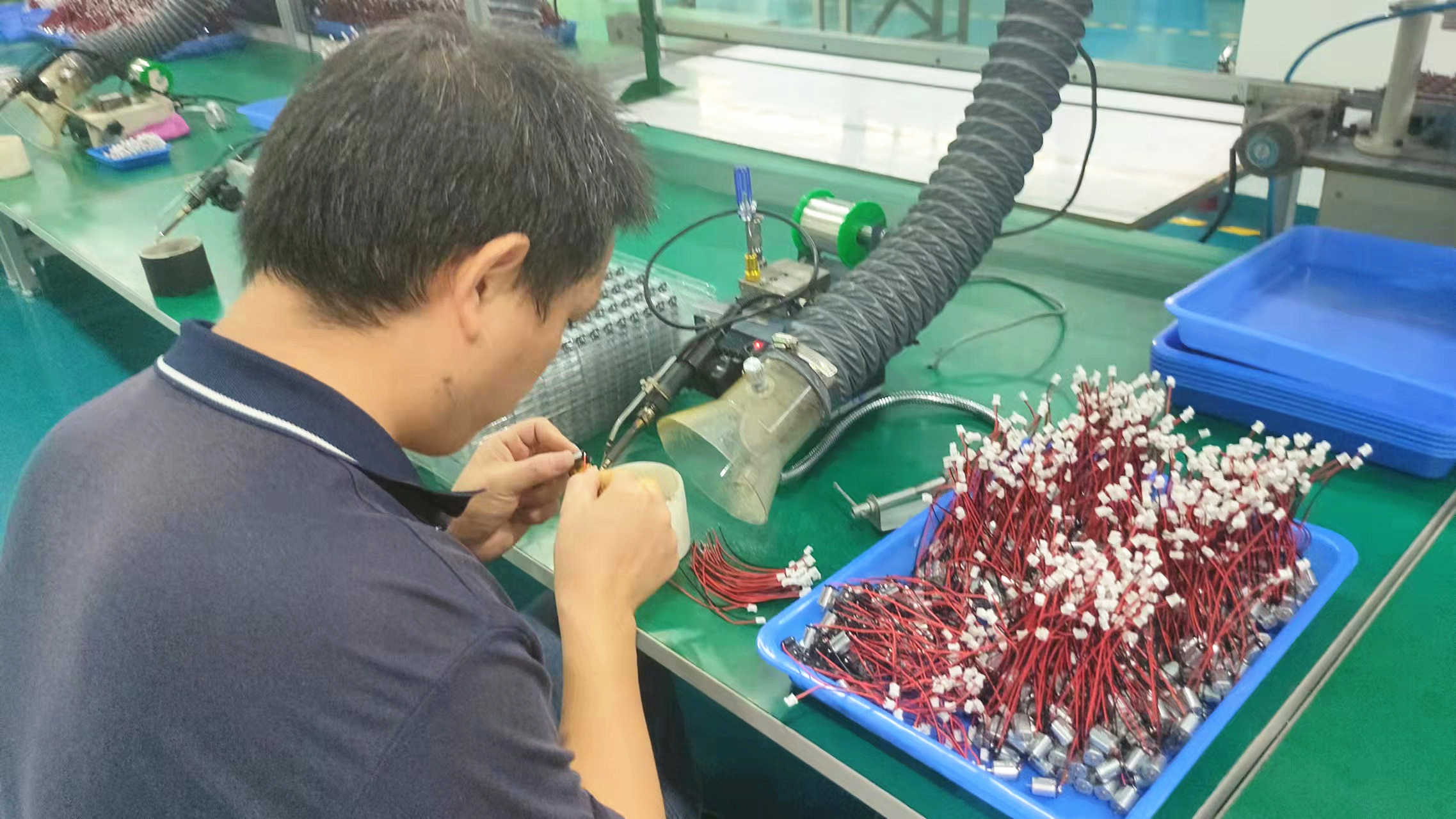
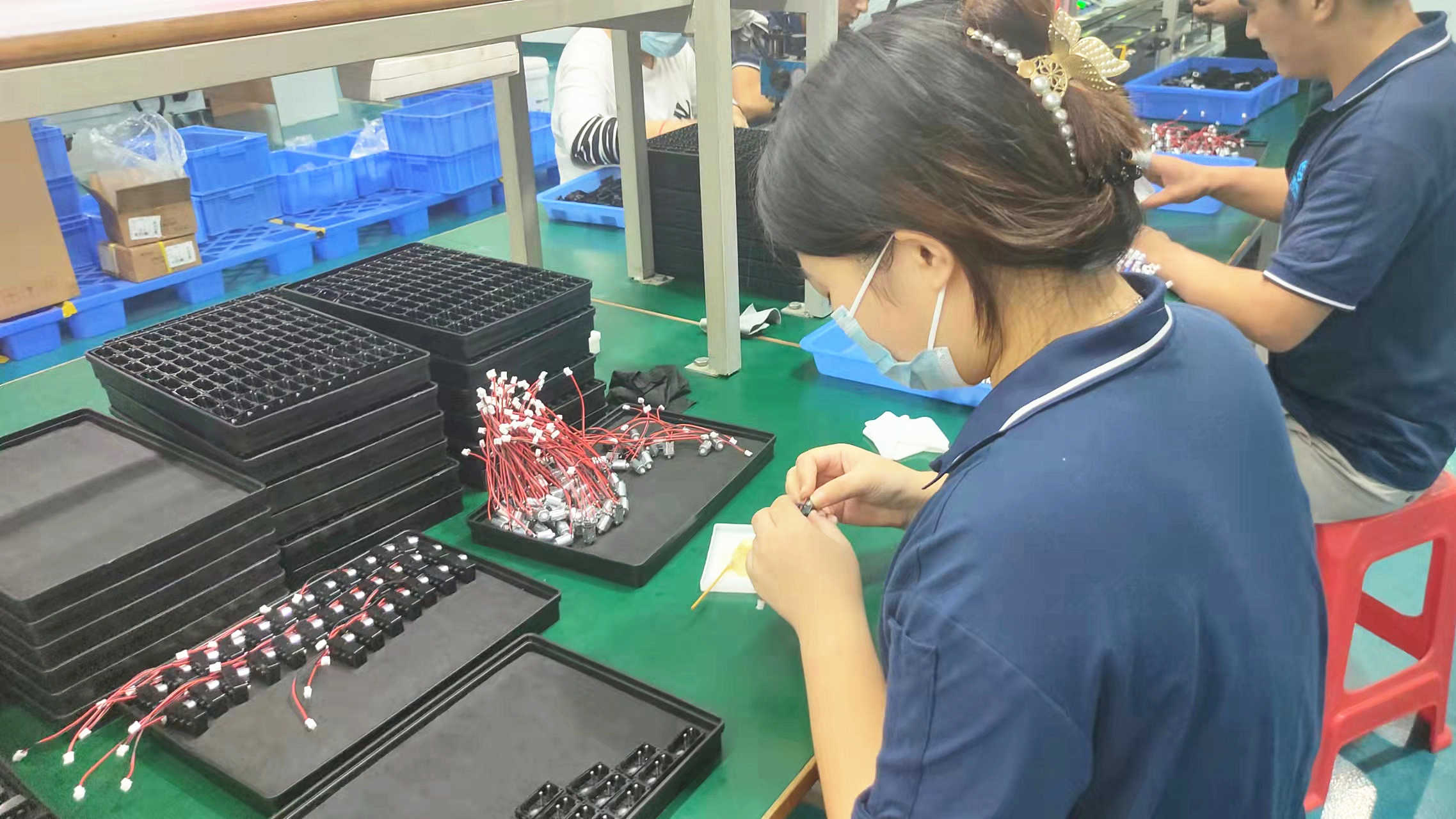
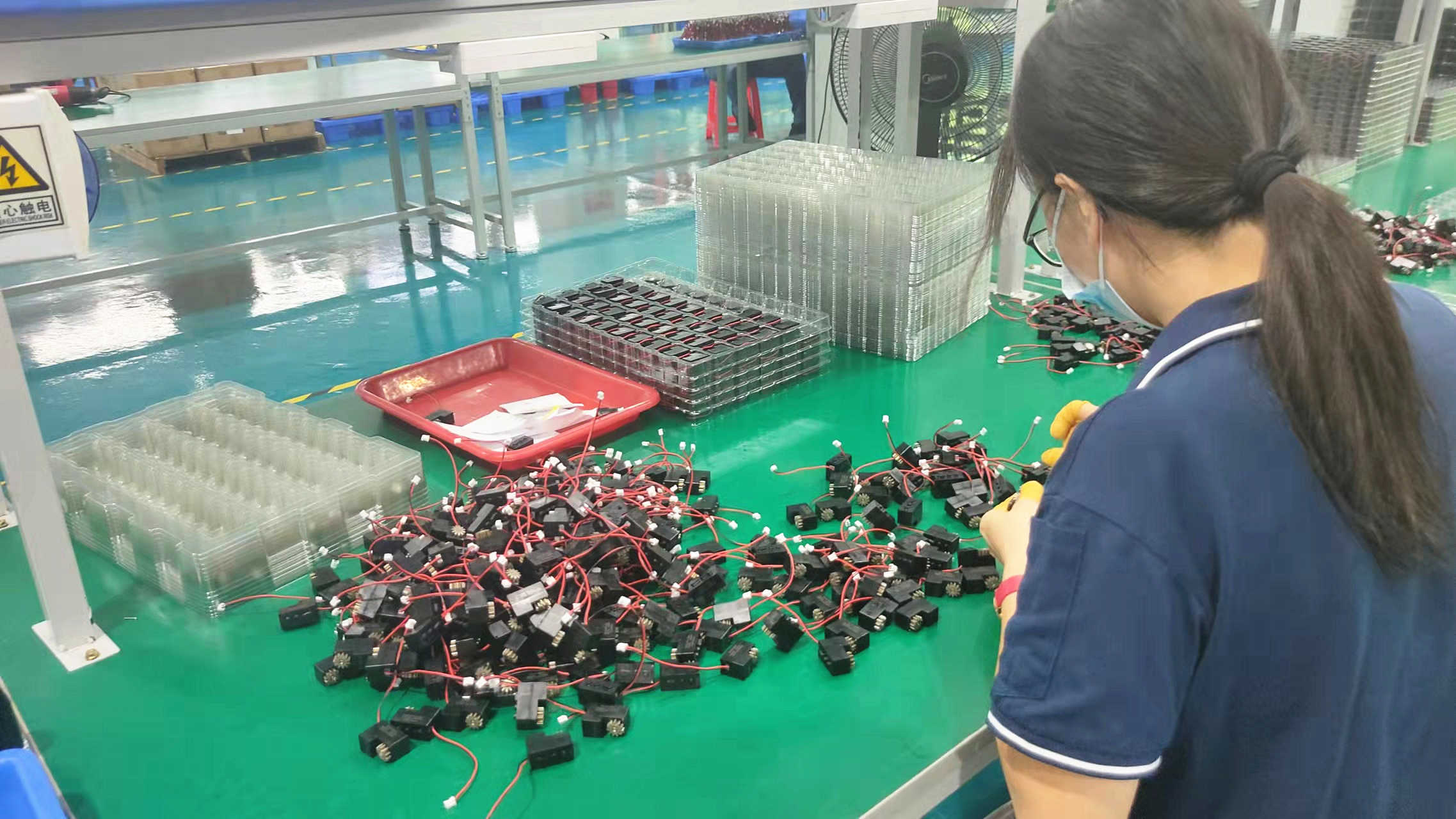
Our facility features Computer Wire Winding Machines, Automatic Gear Riveting Machines, and Injection Machines to maintain consistency across millions of units.
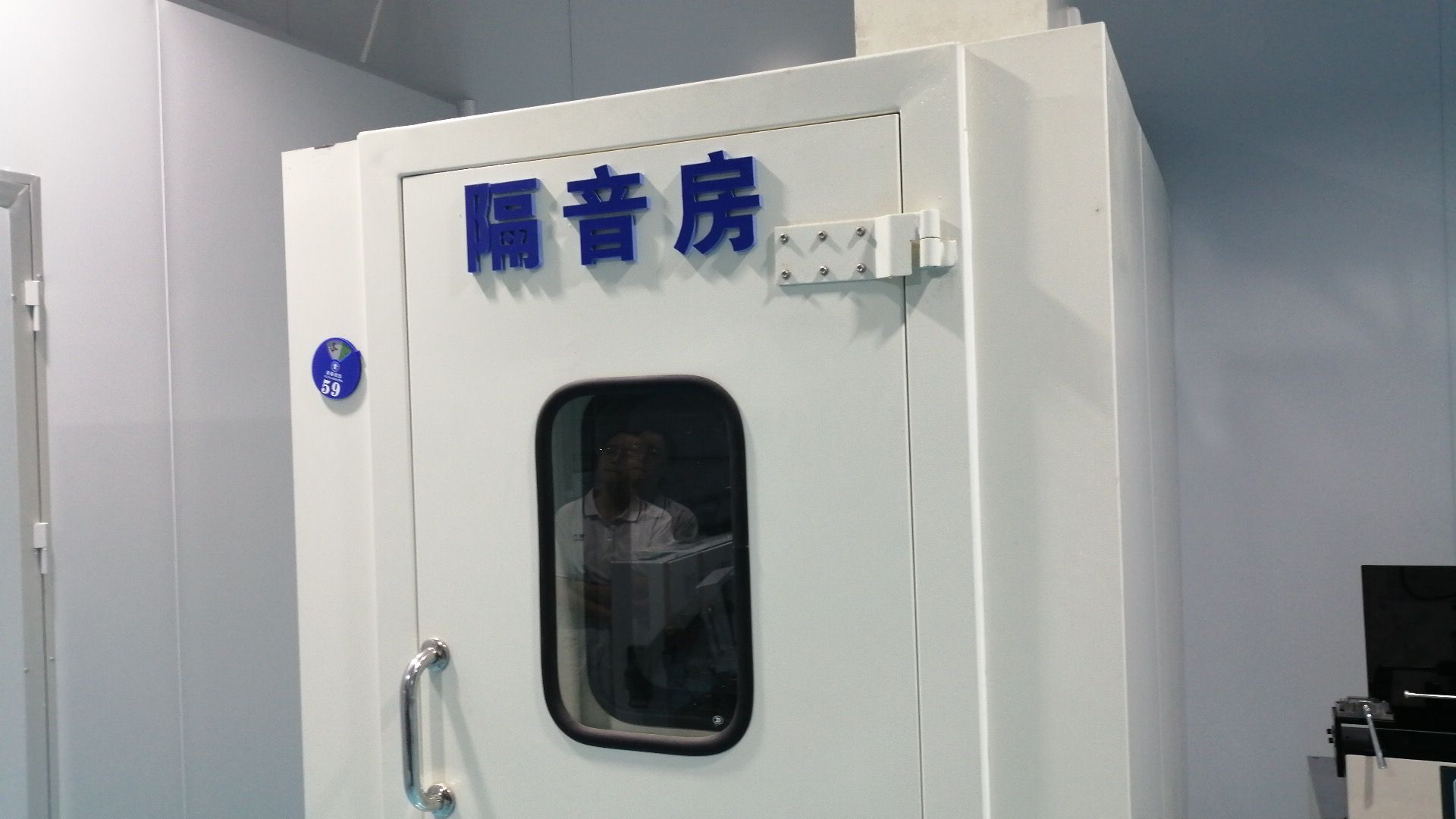
Products are validated in Programmable Constant Temperature & Humidity Testing Chambers, Salt Spray Testing Machines, and Noise Testing Chambers to ensure survival in harsh industrial environments.

For global enterprises, compliance is non-negotiable. Our programmable servo motors adhere to CE, RoHS, REACH, and UL standards. We provide localized technical support through a network of partners in Europe and North America, ensuring that integration hurdles are resolved in your local time zone.
Where do our motors live? The application range is vast:
Medical Robotics: Precision surgical tools requiring fluid motion.
Smart Homes: Whispering-quiet smart locks and automated blind systems.
Industrial IoT: Automated valves and sensor-driven sorting arms.
Automotive: Mirror adjustment and seat positioning with memory features.
From high-speed vibration to high-torque reduction motors.
 Viterra Motor