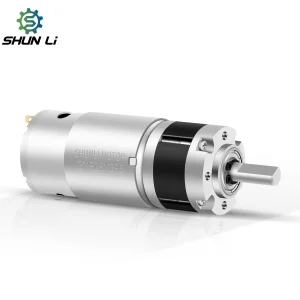
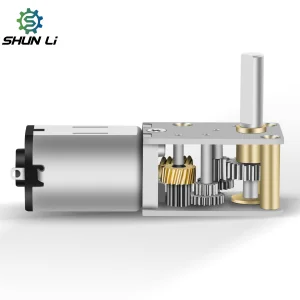
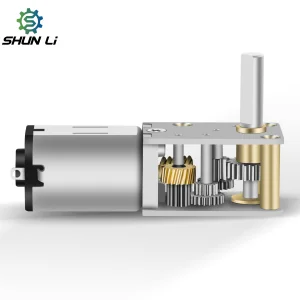
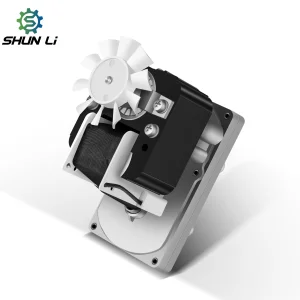
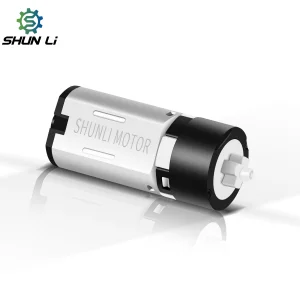
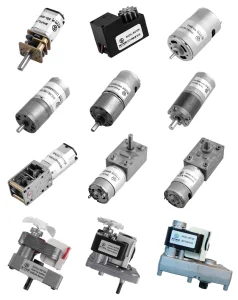
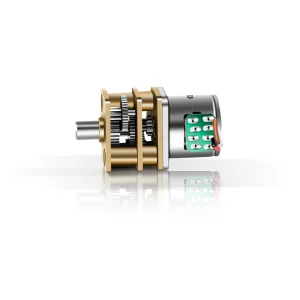
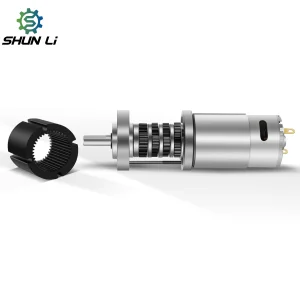
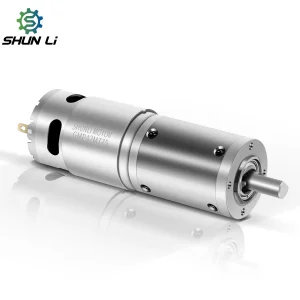
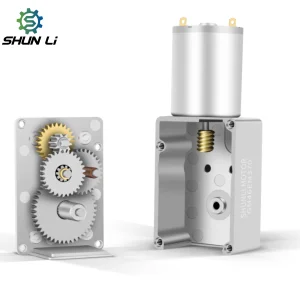
As a leading China IoT Enabled Motor Factory, Viterra Motor (incorporating Shunli’s heritage) is redefining the landscape of precision engineering. The global transition toward smart manufacturing and the Internet of Things (IoT) has necessitated a fundamental redesign of traditional motors. Modern applications—ranging from surgical robotics to autonomous vending systems—require motors that offer not only high torque and compact footprints but also real-time feedback and predictive maintenance capabilities.
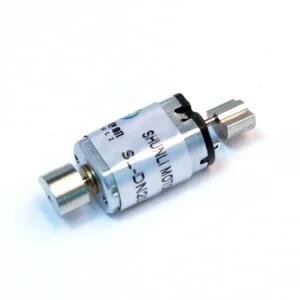
Inside a premium robotic joint, an automated medical valve, or a high-end smart lock, space is the ultimate luxury. At Viterra Motor, we measure our manufacturing success in micrometers and decibels. Our mission is to take advanced, heavy-duty rotational power and compress it into the most compact, energy-efficient footprints imaginable.
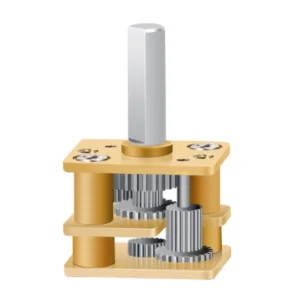
Our expertise lies in the micro-details of motion control. From precision-wound copper rotors and high-purity commutators to zero-backlash planetary gear trains, every single internal component of a Viterra Motor is optimized to eliminate friction and maximize heat dissipation. By combining advanced automated Swiss-style hobbing with Japanese dynamic balancing, we ensure our micro drives deliver the fluid, whispering-quiet power your brand promises.
Global procurement teams are shifting focus from "Break-Fix" to "Predict-Prevent." Our IoT-enabled motors integrate thermal and vibration sensors, allowing OEMs to predict failures before they occur, reducing TCO by up to 30%.
With tightening ESG regulations in Europe and North America, high-efficiency BLDC and AC motors are critical. Our designs achieve IE4+ efficiency levels, significantly reducing the carbon footprint of industrial installations.
Decentralized control is the future. We are developing motors with integrated micro-controllers that can process motion logic at the edge, reducing latency and reliance on a central PLC.
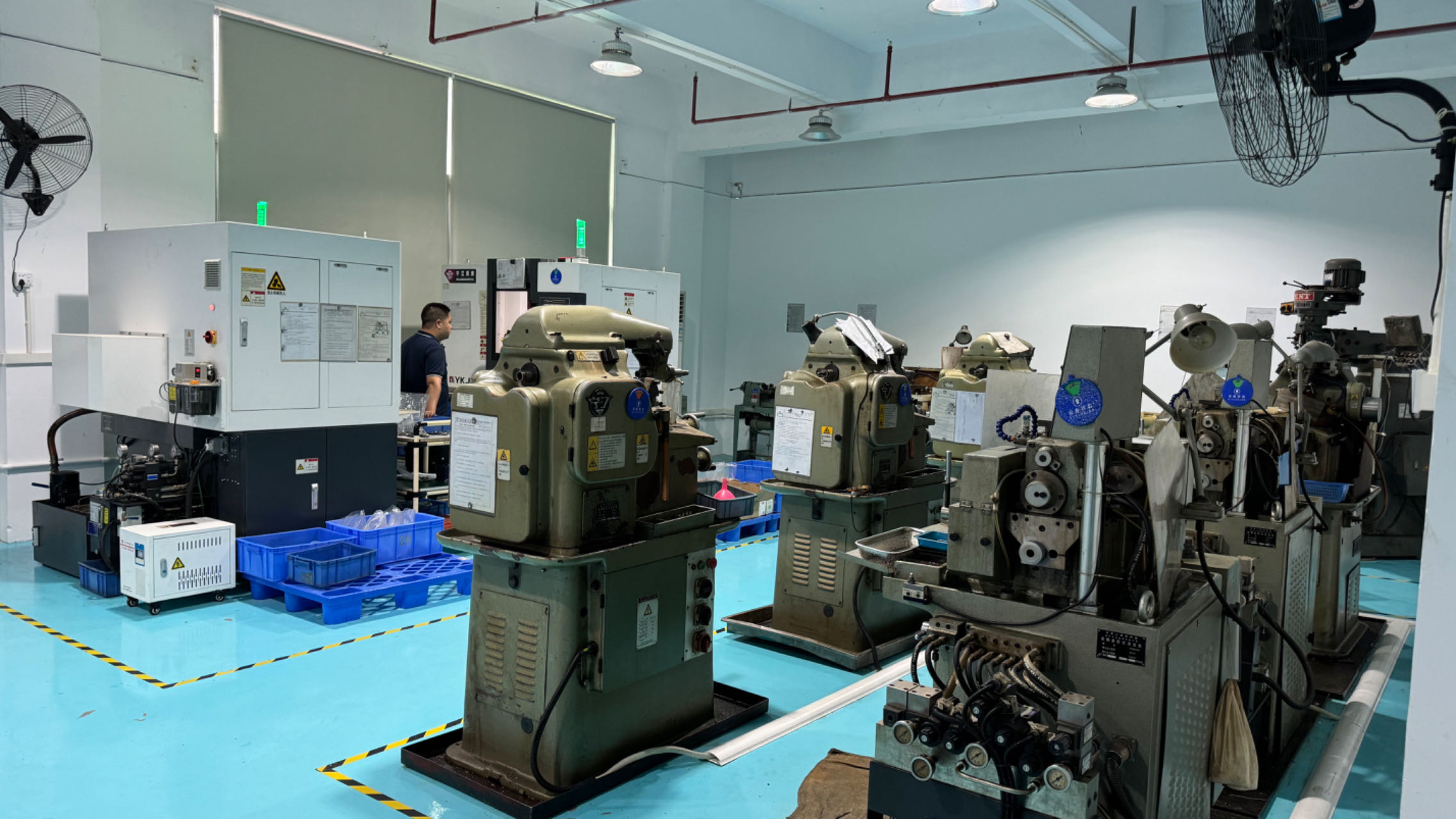
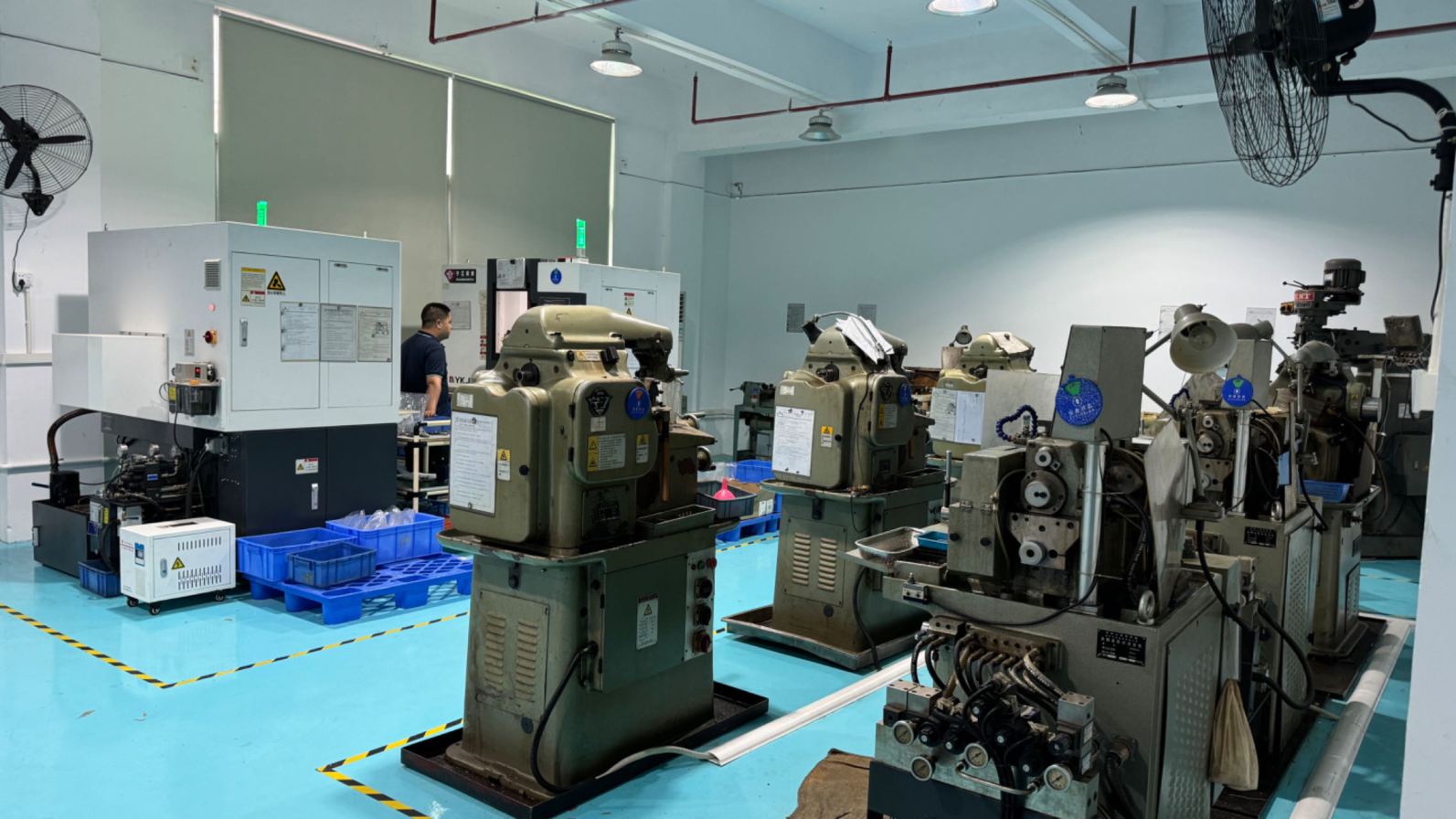
Our facility utilizes the world's most advanced machinery to ensure that every motor meets stringent aerospace-grade tolerances.
 Precision Assembly
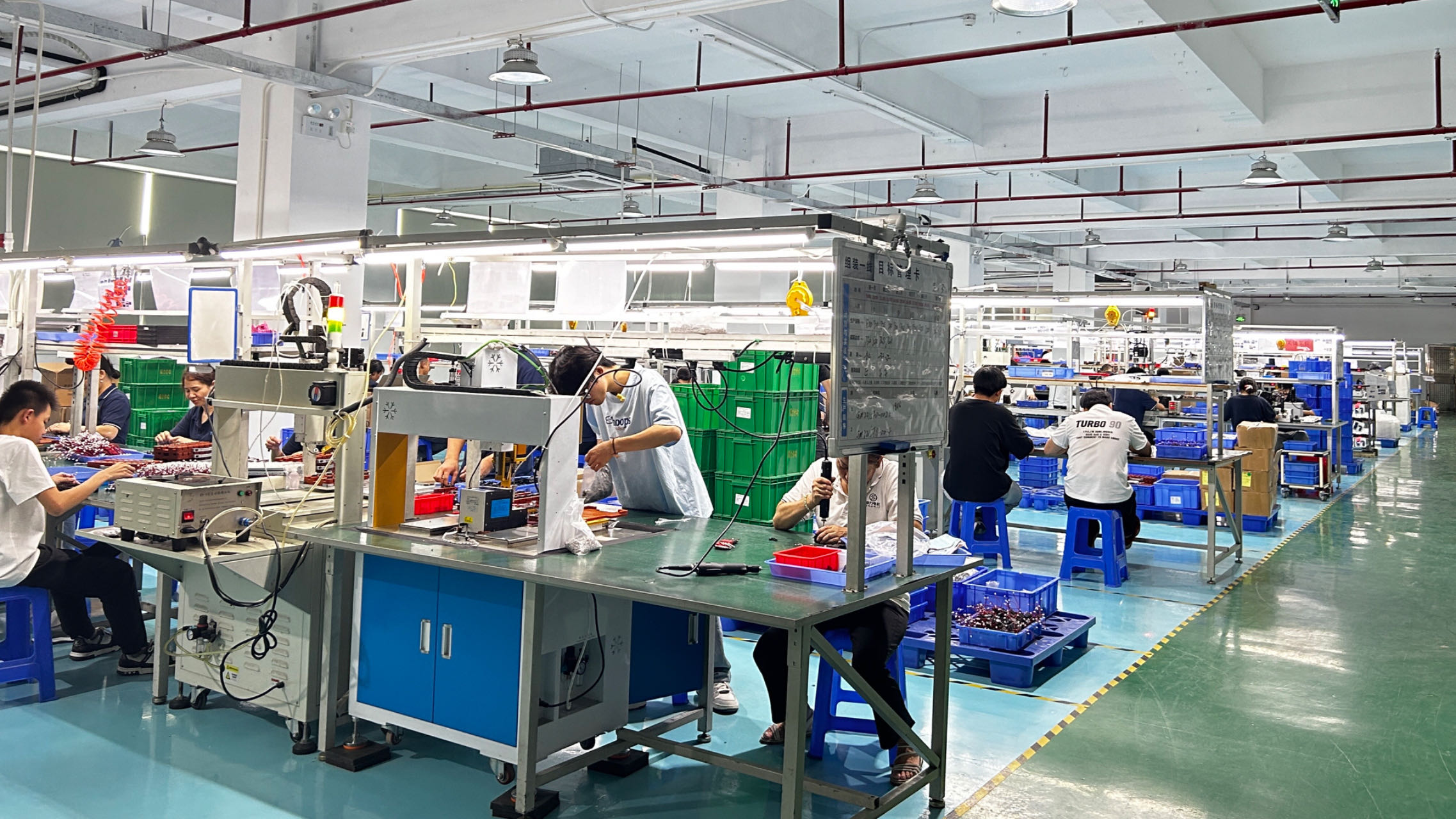 Gear Processing
 Automated Production
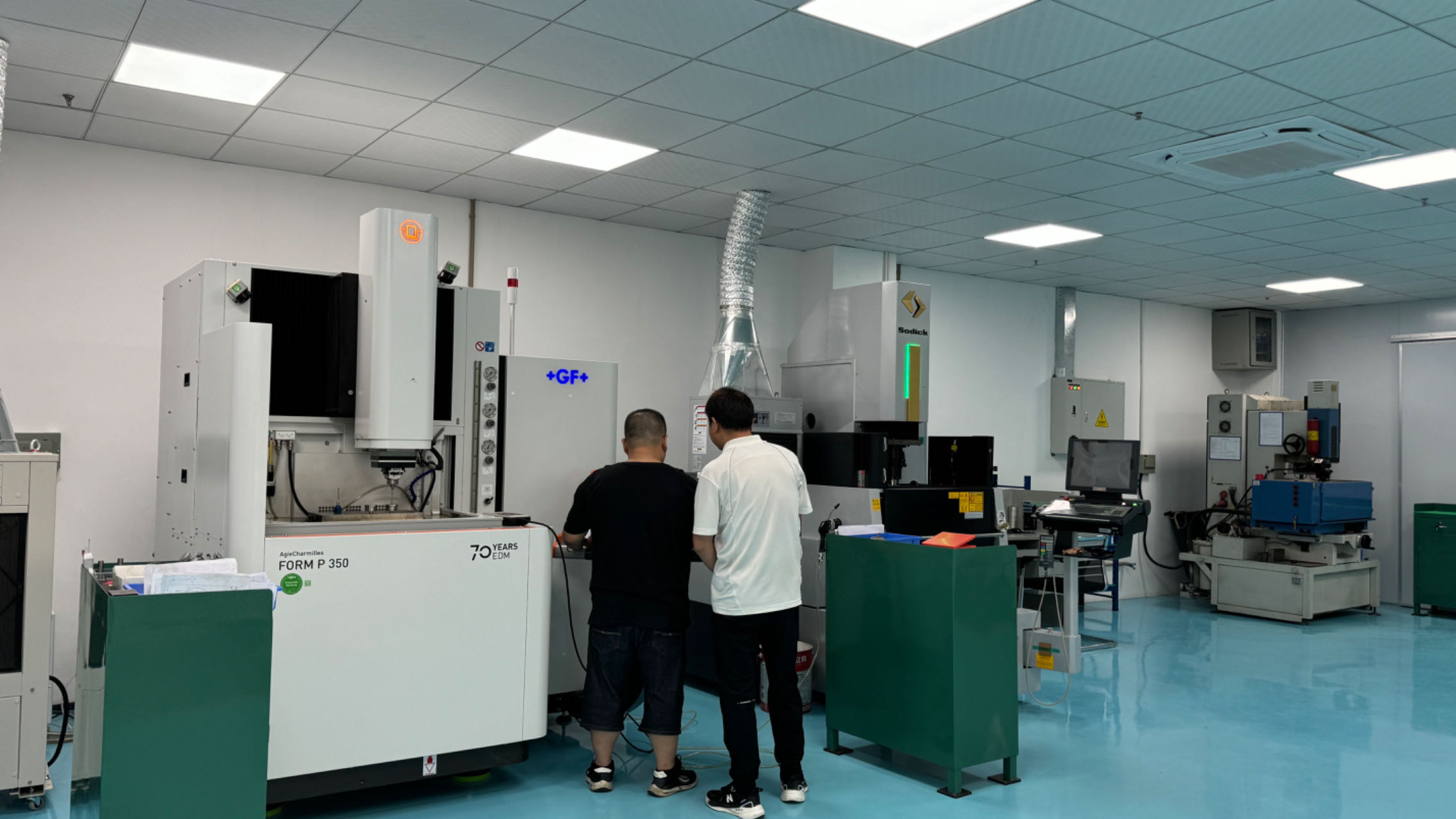 QC Hub
 Raw Material Control
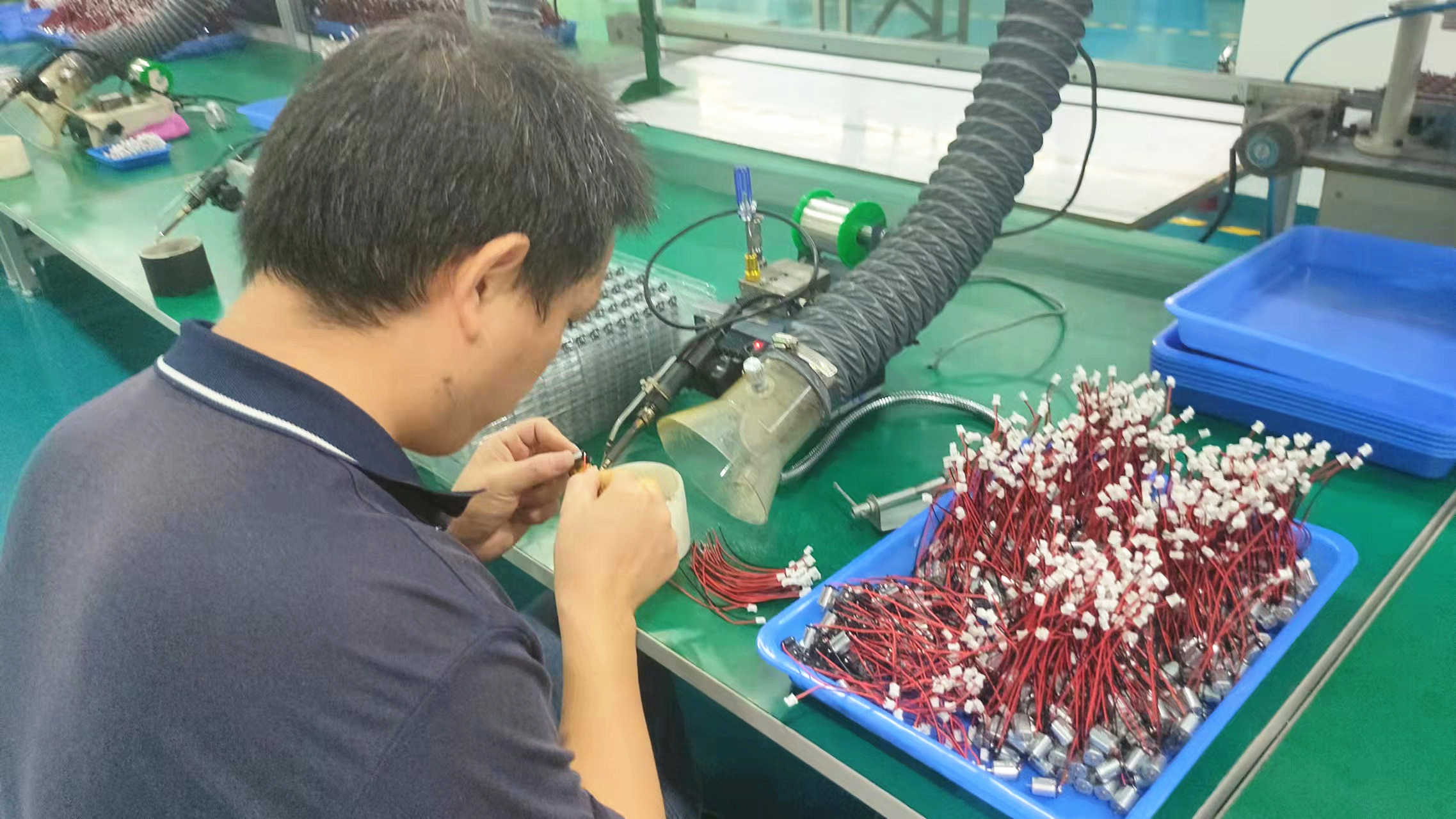 Precision Soldering
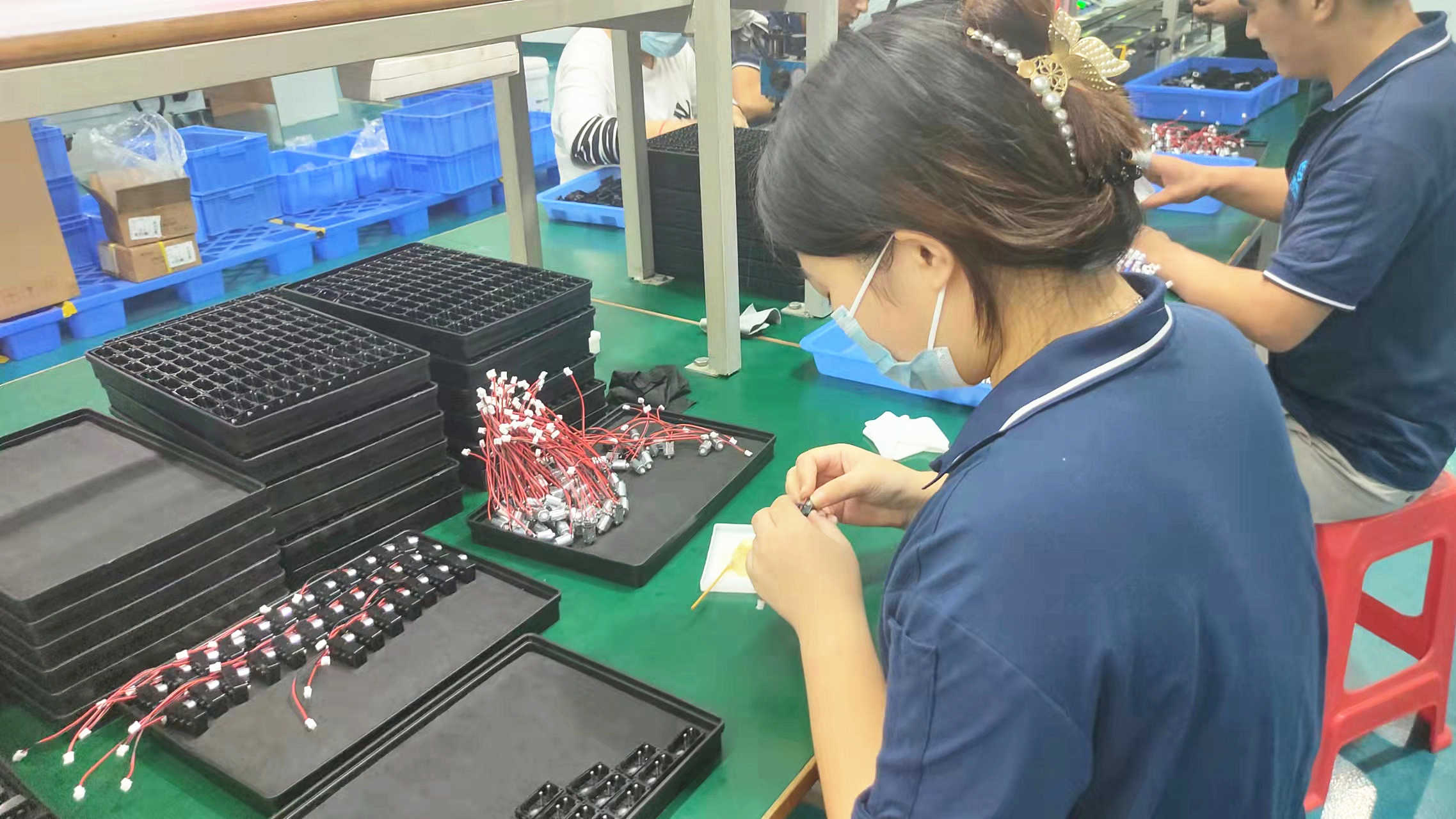 Micro Assembling
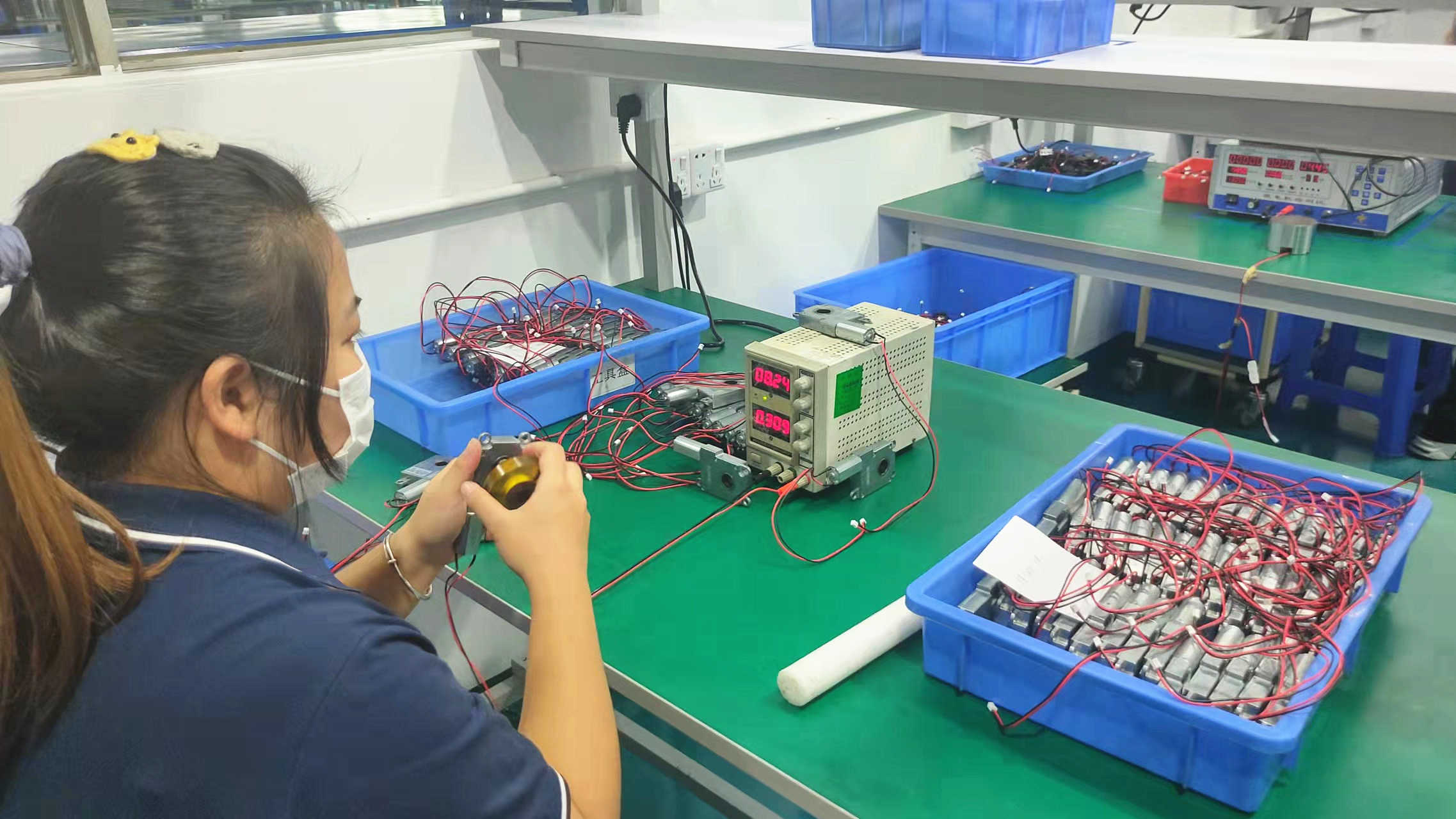
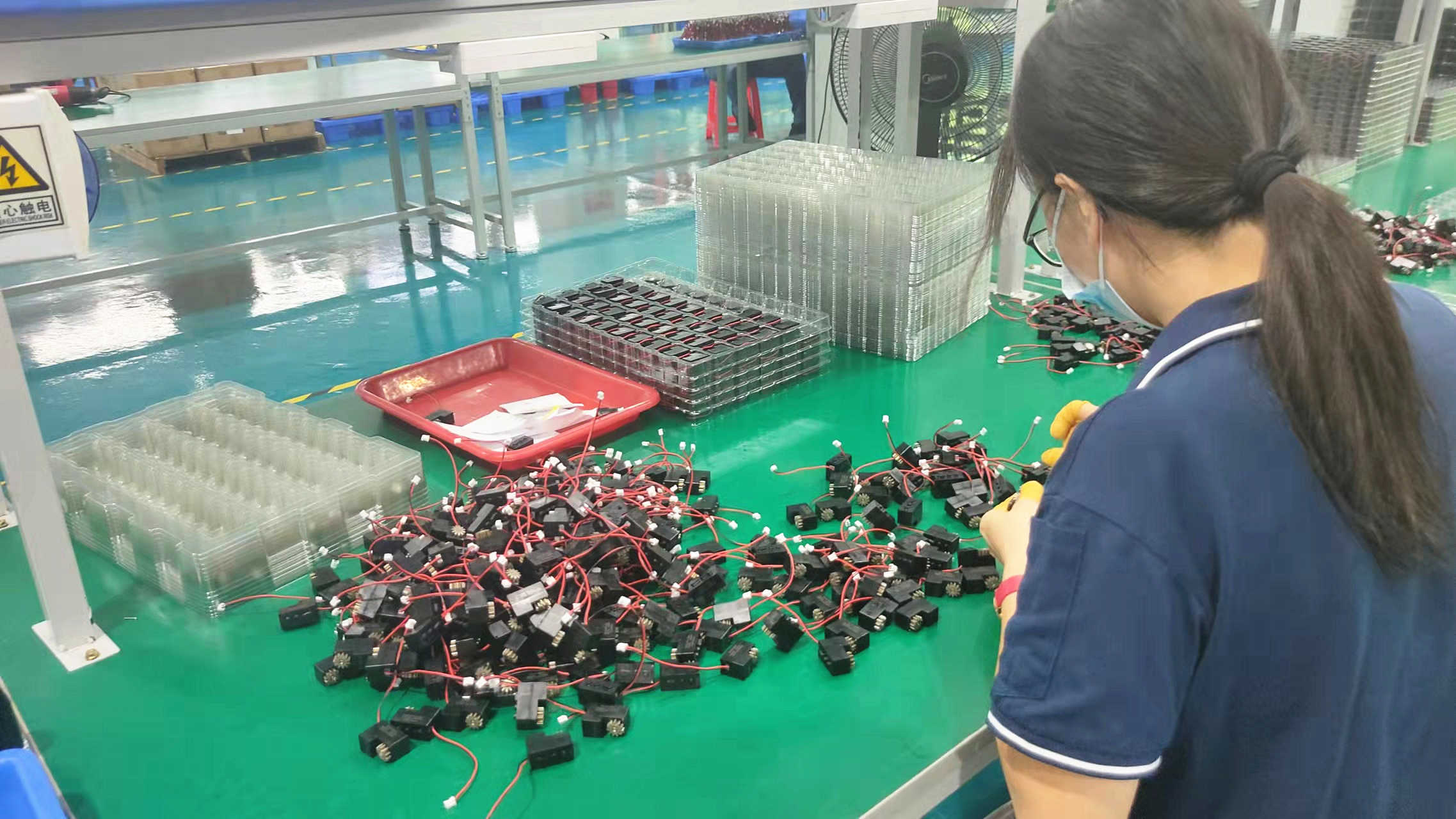 Load Testing
 Secure Packing
Swiss-type precision for ultra-tight tolerances in micro-gear hobbing.
Ensuring silent operation and zero backlash for medical and robotic applications.
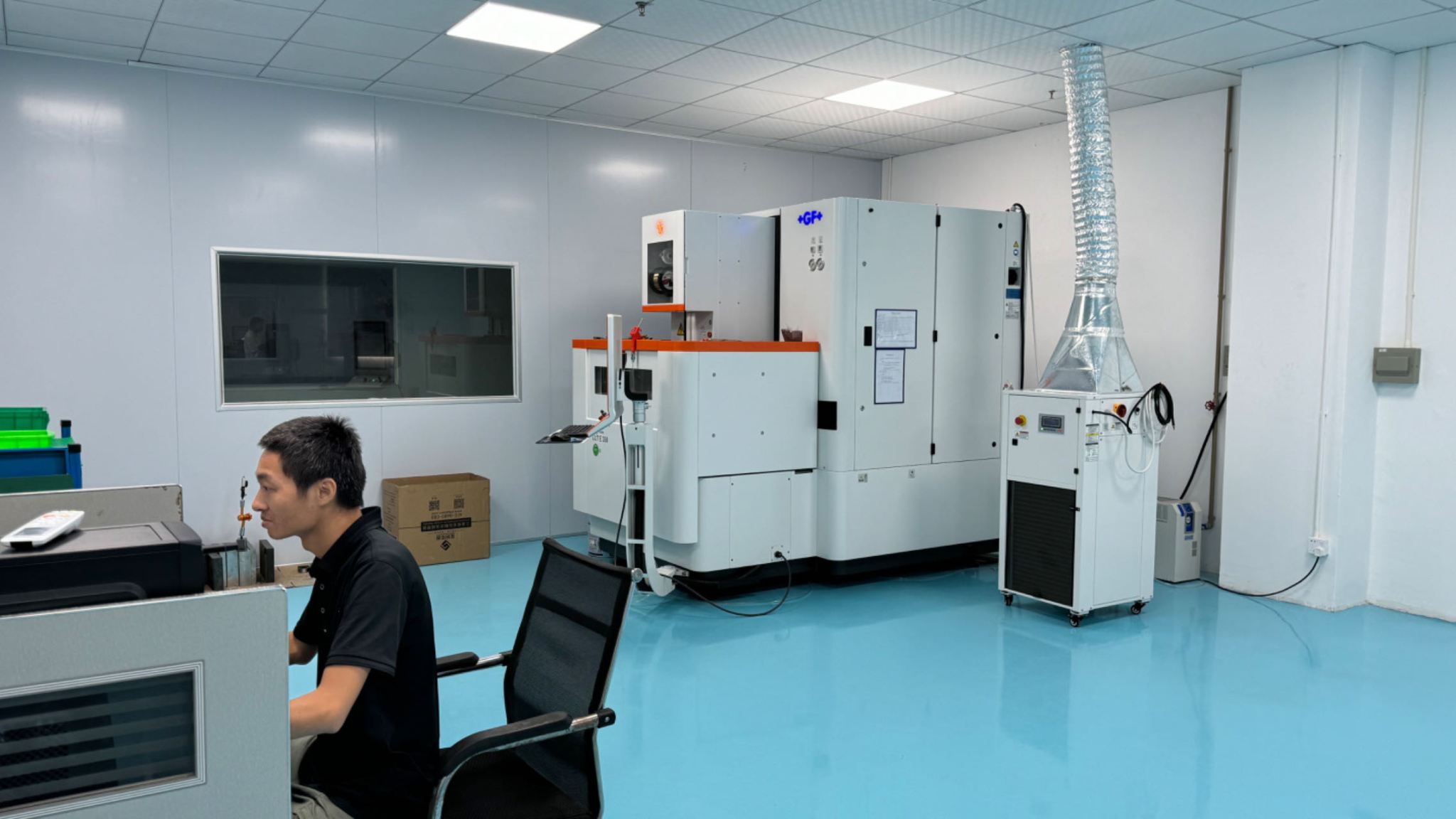
Tooling development at the micron level for customized motor housings.
Compliance with ISO 13485 standards. Our motors drive infusion pumps, surgical robots, and diagnostic ventilators with fail-safe reliability.
Low-noise 12V/24V DC motors for smart locks, automated blinds, and 4K PTZ security cameras with IoT cloud integration.
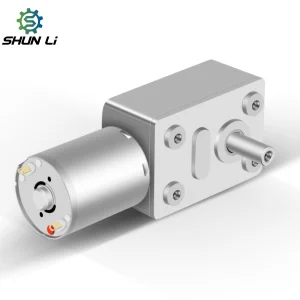
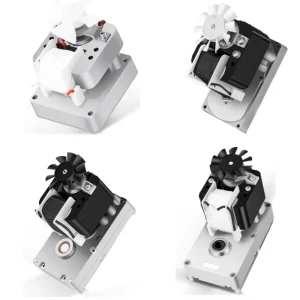
High-torque worm gear motors designed for 24/7 operation in vending machines, ATMs, and warehouse AGVs.
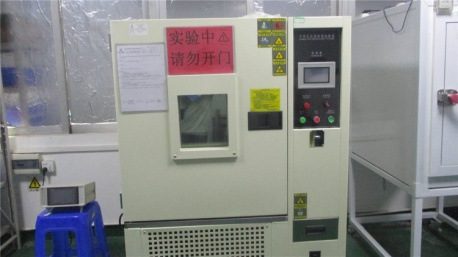 Temp & Humidity Testing
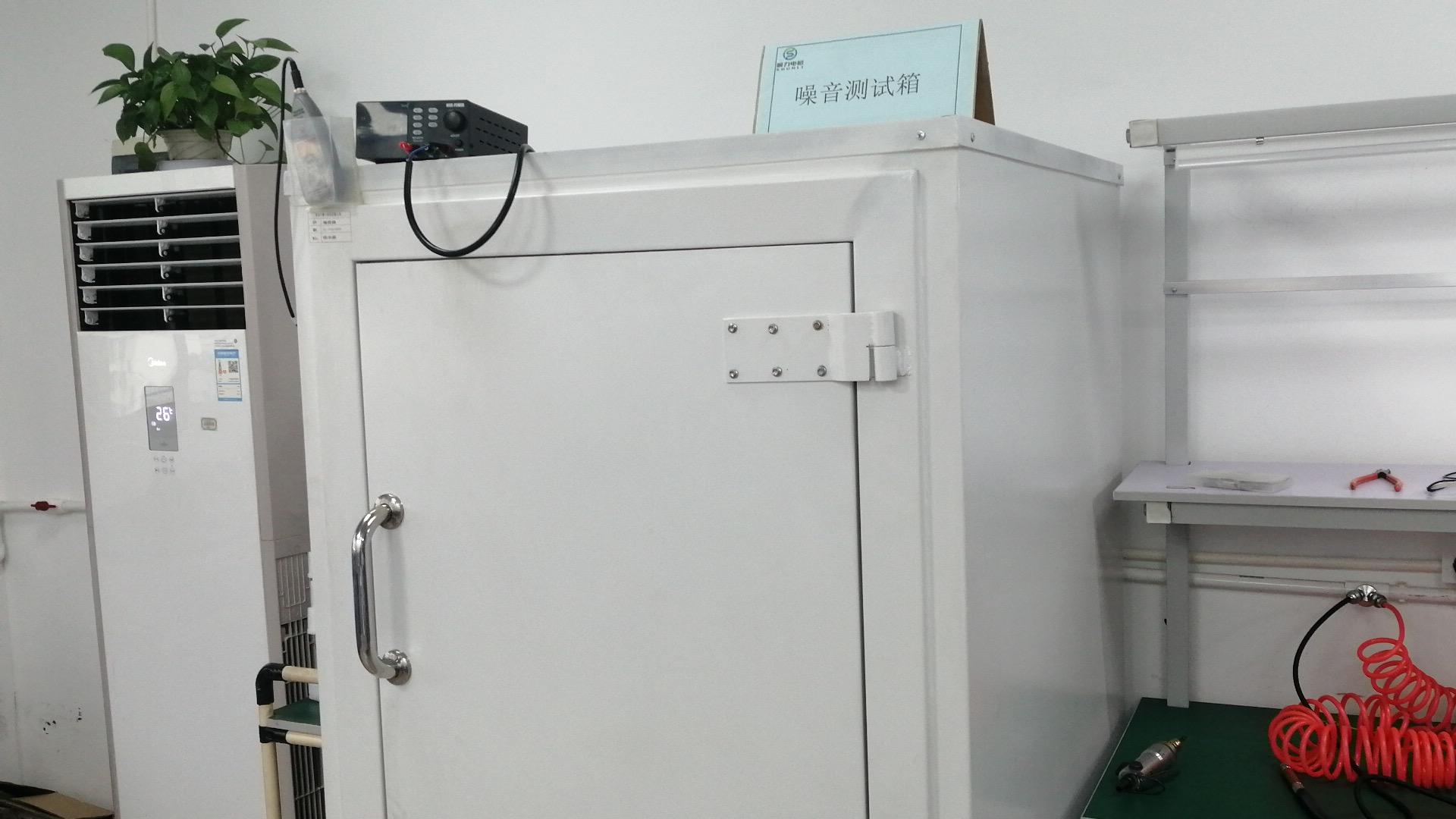 Acoustic Lab
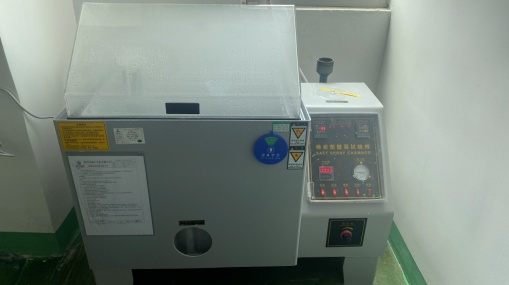 Salt Spray Corrosion Test
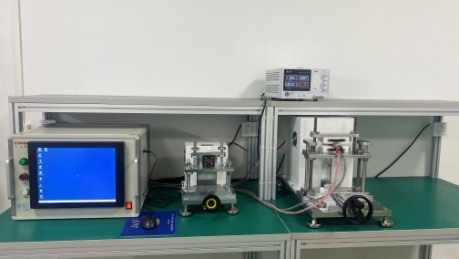 Dynamometer Analysis
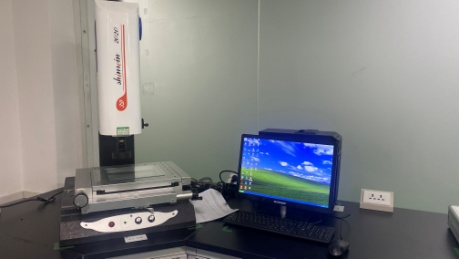 Video Measuring System
Our reliability lab simulates 10 years of product life within weeks. From Digital Oscilloscopes for signal integrity to Magnetic Powder Testing for structural defects, our E-E-A-T framework ensures every exporter receives a product backed by scientific verification.
We provide localized engineering consultants in North America and the EU to help with mechanical integration and firmware debugging for IoT motors.
All products are certified for CE, RoHS, REACH, and UL, ensuring a smooth entry into any international market without regulatory hurdles.
Our R&D focus is moving towards Carbonless Commutation and Gallium Nitride (GaN) integrated motor drives, which will reduce heat generation by 40% and increase power density to unprecedented levels. As a China top exporter, we are leading the charge in sustainable motion tech.
IoT motors include integrated sensors (Hall effect, thermal) and communication interfaces (RS485, CAN bus, or wireless) that allow for real-time data streaming and remote configuration, unlike traditional "blind" motors.
Yes, our factory specializes in custom planetary and worm gearbox designs. We can adjust gear ratios from 1:5 to 1:2000 to match your specific torque and speed profile.
For standard models, lead time is 2-3 weeks. For fully customized IoT solutions involving PCB design, lead time ranges from 6-8 weeks, including prototyping and rigorous testing phases.
 Viterra Motor