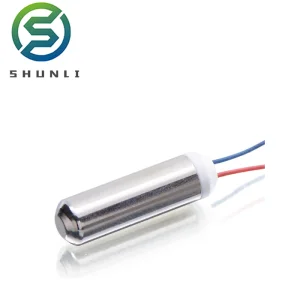
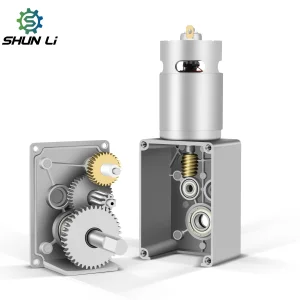
High-torque, dynamic motion control systems engineered for industrial reliability and precision operation.
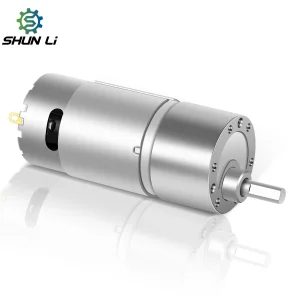
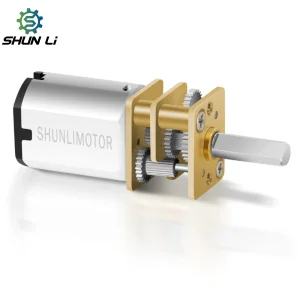
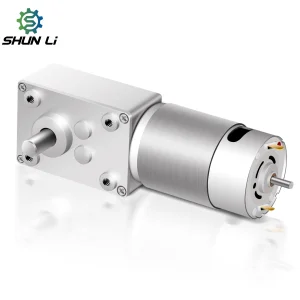
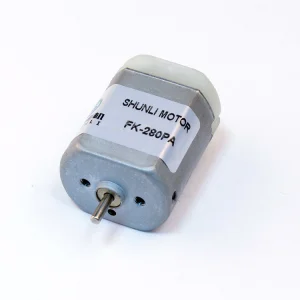
In the current paradigm of industrial automation, smart infrastructure, and high-efficiency electric powertrains, the choice of rotating machinery is no longer a secondary consideration. Modern engineering projects place critical emphasis on dynamic speed stability, high torque-to-weight ratios, and superior energy conservation. This has driven the industry toward the adoption of advanced Permanent Magnet Synchronous Motors (PMSMs) and Synchronous Reluctance Motors (SynRMs), which represent the cutting edge of industrial motion systems.
Unlike traditional asynchronous induction motors, synchronous motors lock their rotor speed with the rotating magnetic field of the stator. This operational characteristic guarantees 100% slip-free operation under variable load profiles, providing crucial precision for textile machinery, extrusion plants, and robotics. With global industrial sectors striving to meet stringent regulatory directives (such as the EU's Ecodesign Directive, mandating IE4/IE5 efficiency classes), synchronous motors offer the most viable technological path forward, cutting energy losses by up to 40% compared to equivalent induction setups.
An authoritative analysis of market capitalization, engineering focus, and key technological contributions.
| Manufacturer / Brand | Global Headquarters | Primary Product Specialization | Target Industrial Sectors | Key Strategic Strength |
|---|---|---|---|---|
| ABB Group | Switzerland | High-voltage PMSM, SynRM (Synchronous Reluctance) | Heavy Industry, Mining, Marine Propulsion | Unrivaled portfolio in megawatt-class drive systems. |
| Siemens AG | Germany | SIMOTICS Synchronous Motors, Servo Drive Systems | Machine Tools, Factory Automation, Wind Power | Seamless integration with digital-twin and Siemens PLM software. |
| Nidec Corporation | Japan | Brushless PMSM, Micro-motors to Megawatt Systems | Automotive (e-Axle), IT Hard Drives, Aerospace | Global manufacturing footprint and high-volume optimization. |
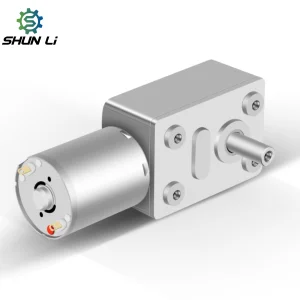
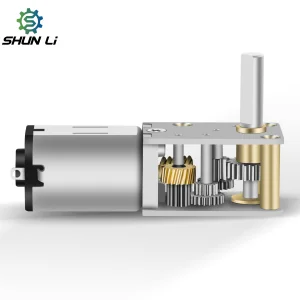
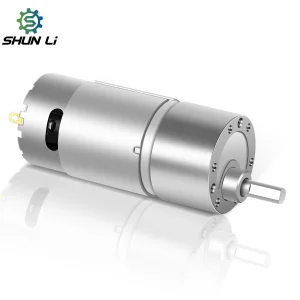
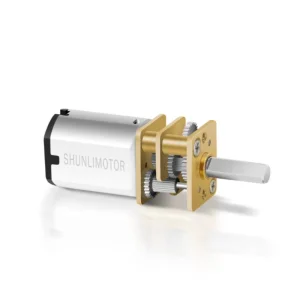
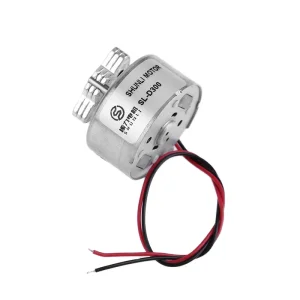
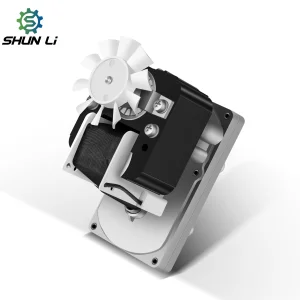
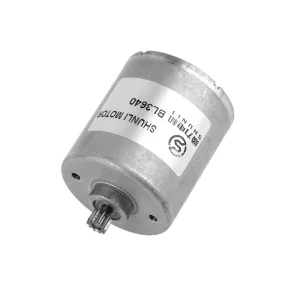
| Viterra Motor (Shunli) | China | Custom Micro DC, Worm-Gear & Micro Synchronous Drives | Robotics, Medical Devices, Smart Locks, HVAC Systems | Ultra-precision micro-machining and cost-effective customization. |
| WEG S.A. | Brazil | W22 Magnet Series, Premium Industrial PMSM | Water/Wastewater, Chemical Processing, Pulp & Paper | High durability in corrosive and explosive (Ex) environments. |
| Yaskawa Electric | Japan | Sigma Series Synchronous Servomotors | Packaging, Assembly, Semiconductor Equipment | Industry-leading control loop bandwidth and motion accuracy. |
| Bosch Rexroth | Germany | IndraDyn Synchronous Servo and Linear Motors | Automotive Press Lines, High-speed Machine Tools | Engineered for high dynamic acceleration profiles. |
| Rockwell Automation | USA | Allen-Bradley Kinetix Synchronous Motors | Food & Beverage, Material Handling, Warehousing | Deep integration with EtherNet/IP control networks. |
| Parker Hannifin | USA | GVM & PMAC Series Synchronous Systems | Mobile Hydrostatic Equipment, Aviation, High-Performance Defense | Extremely high power density per cubic inch. |
| Oriental Motor | Japan | Fractional HP Synchronous & Stepping Motors | Conveyors, Medical Scanners, Laboratory Automation | Exemplary low-speed torque and speed synchronization. |
How synchronous drive technology addresses current challenges in decarbonization and automation.
Highly dynamic brushless synchronous motors form the joints of articulated robotic arms and AGV powertrains. Eliminating backlash and maximizing holding torque in micro-enclosures directly leads to faster cycle times and enhanced safety parameters in automated warehouses.
Compliance is a critical gatekeeper for international supply chains. Premier manufacturers ensure compliance with CE, UL, RoHS, and REACH directives. The integration of high-grade copper windings and rare-earth materials complies with strict European environmental safety standards.
For surgical automation, blood pumps, and precision imaging tables, synchronous motors guarantee absolute speed consistency under differing patient loads. Low electromagnetic interference (EMI) profiles prevent calibration disruption of adjacent hospital diagnostics.
The industry is experiencing a split in design methodologies for synchronous systems, with two distinct architectures dominating the market: Permanent Magnet Synchronous Motors (PMSMs) and Synchronous Reluctance Motors (SynRMs). Below is an engineering evaluation comparing the operational limits and structural features of each technology:
| Design Parameter | Permanent Magnet Synchronous Motor (PMSM) | Synchronous Reluctance Motor (SynRM) |
|---|---|---|
| Rotor Composition | Neodymium (NdFeB) or Samarium-Cobalt (SmCo) rare-earth magnets. | Multi-layered steel laminations with internal air cutouts. |
| Power Density | Extremely High; ideal for footprint-restricted configurations. | Moderate-High; comparable to typical induction designs. |
| Thermal Behavior | Demagnetization risk if rotor temperature exceeds limits (typically >150°C). | Cooler rotor operation due to the absence of active winding/current losses. |
| Cost Stability | Subject to volatile rare-earth mining cost fluctuations. | Highly stable; constructed with standard electrical steel sheets. |
| Control Requirements | Requires precise Field Oriented Control (FOC) drive profiles. | Requires specialized variable frequency drives (VFDs) for rotor slot angle tracking. |
Engineers face a balance between cost stability and maximum power density. In micro-precision drives, where footprint constraints dictate design choices, PMSM technology remains dominant. However, for large pumps, fans, and bulk compressors, SynRM represents a cost-effective alternative that reduces reliance on rare-earth supply chains.
Inside a premium robotic joint, an automated medical valve, or a high-end smart lock, space is the ultimate luxury. At Viterra Motor, we measure our manufacturing success in micrometers and decibels. Our mission is to take advanced, heavy-duty rotational power and compress it into the most compact, energy-efficient footprints imaginable.
Our expertise lies in the micro-details of motion control. From precision-wound copper rotors and high-purity commutators to zero-backlash planetary gear trains, every single internal component of a Viterra Motor motor is optimized to eliminate friction and maximize heat dissipation. By combining advanced automated Swiss-style hobbing with Japanese dynamic balancing, we ensure our micro drives deliver the fluid, whispering-quiet power your brand promises. When your next high-tech innovation relies on repeated mechanical perfection, let Viterra Motor be the core that spins it forward.

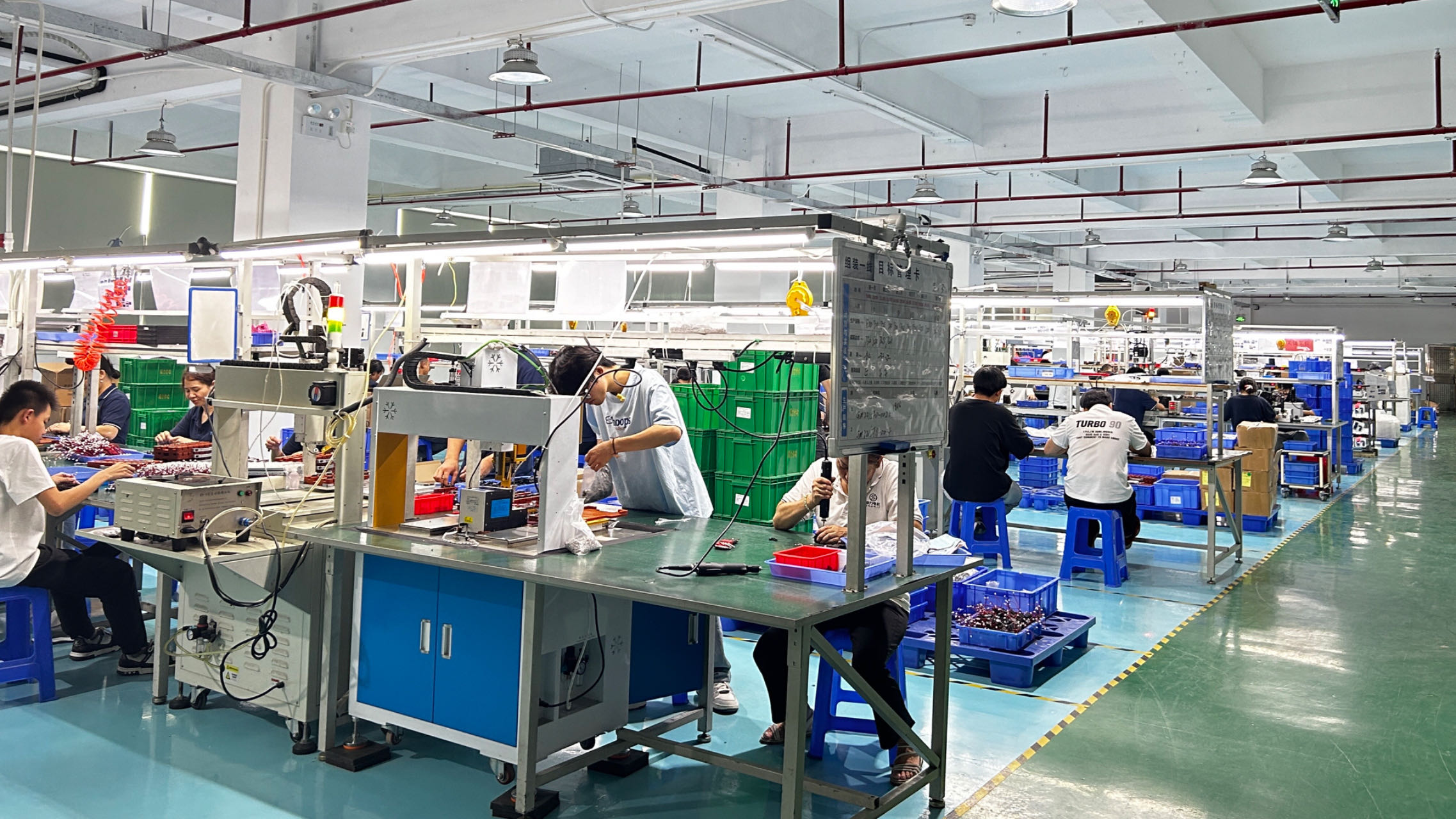
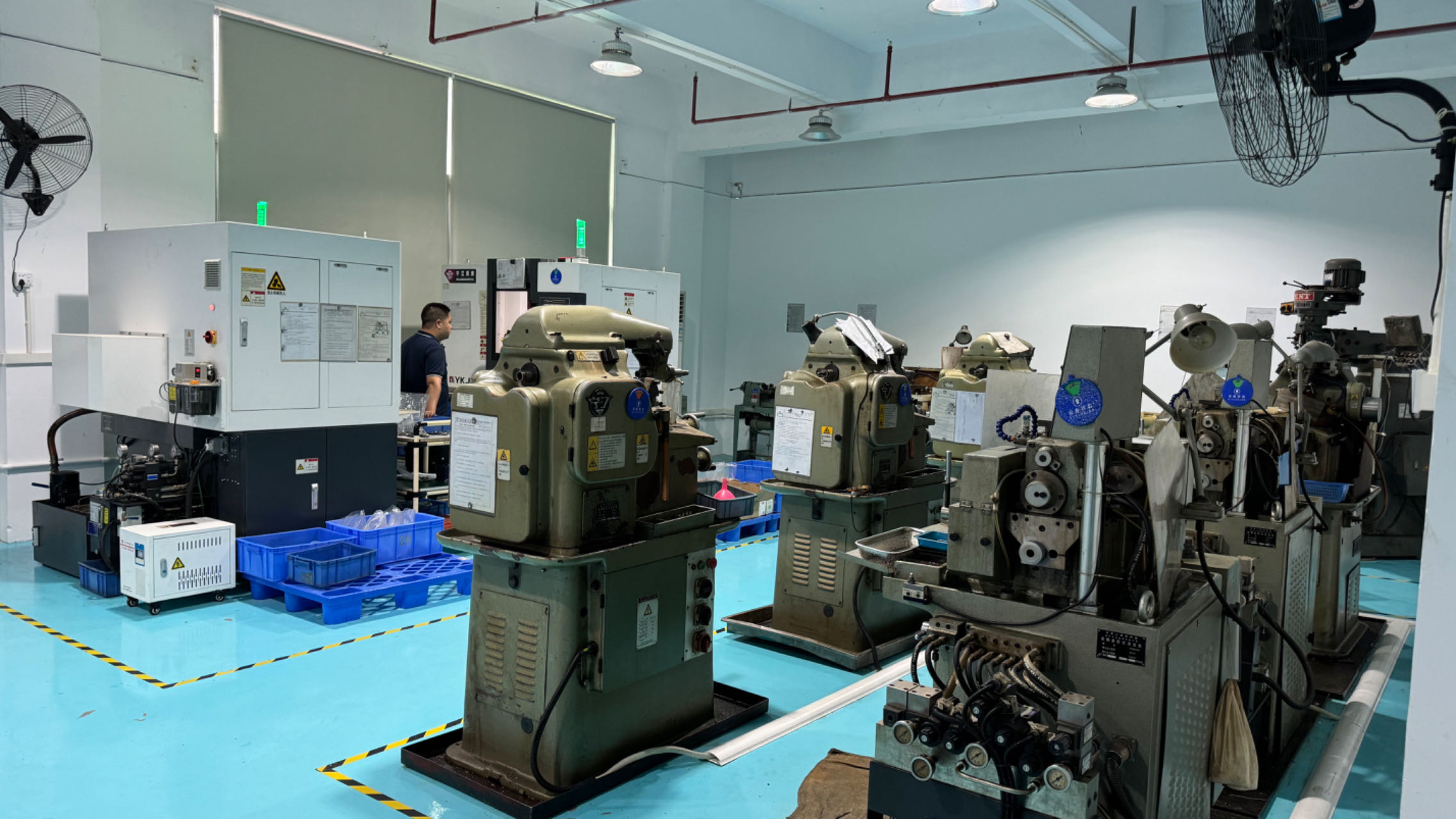
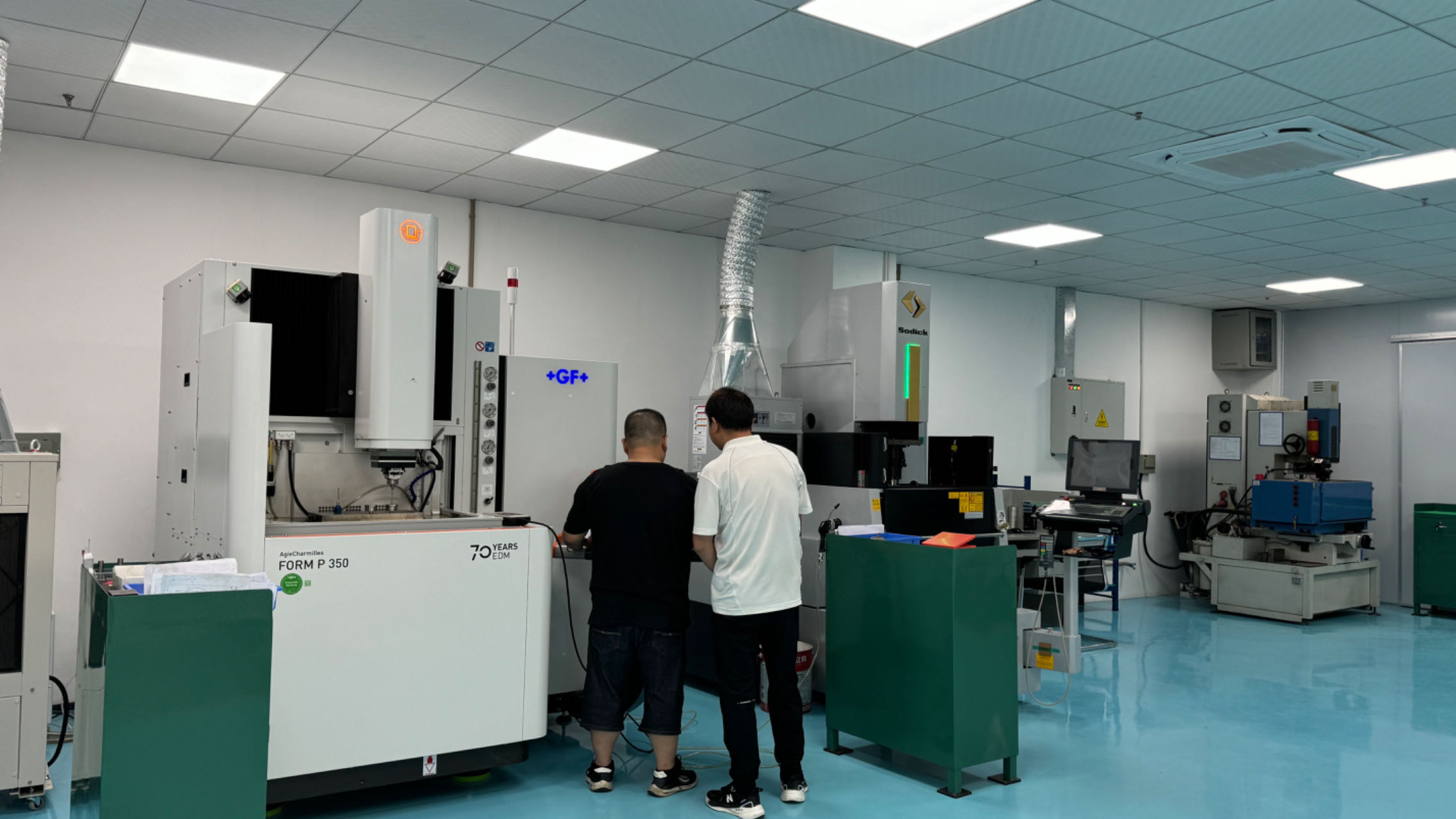
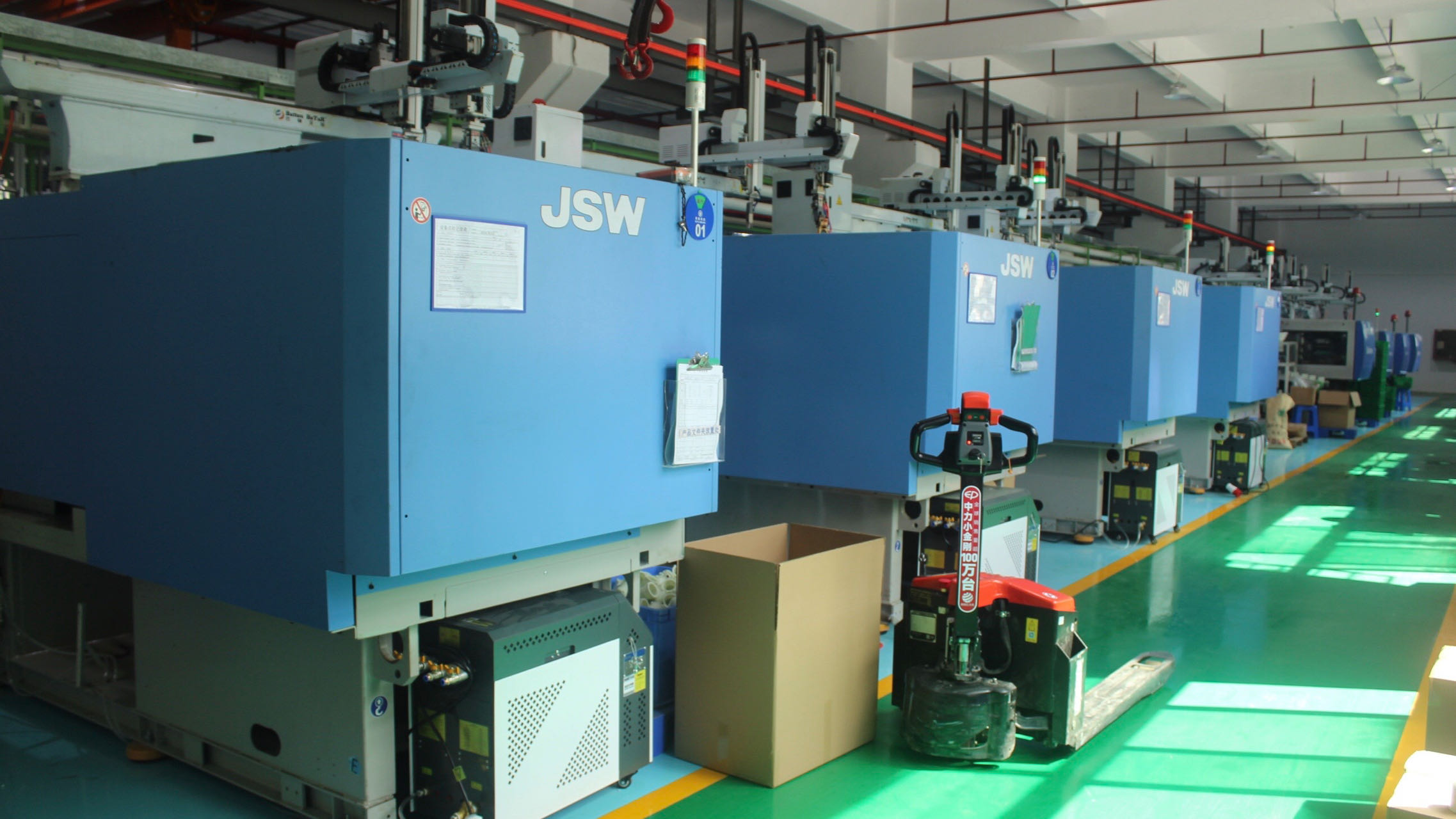
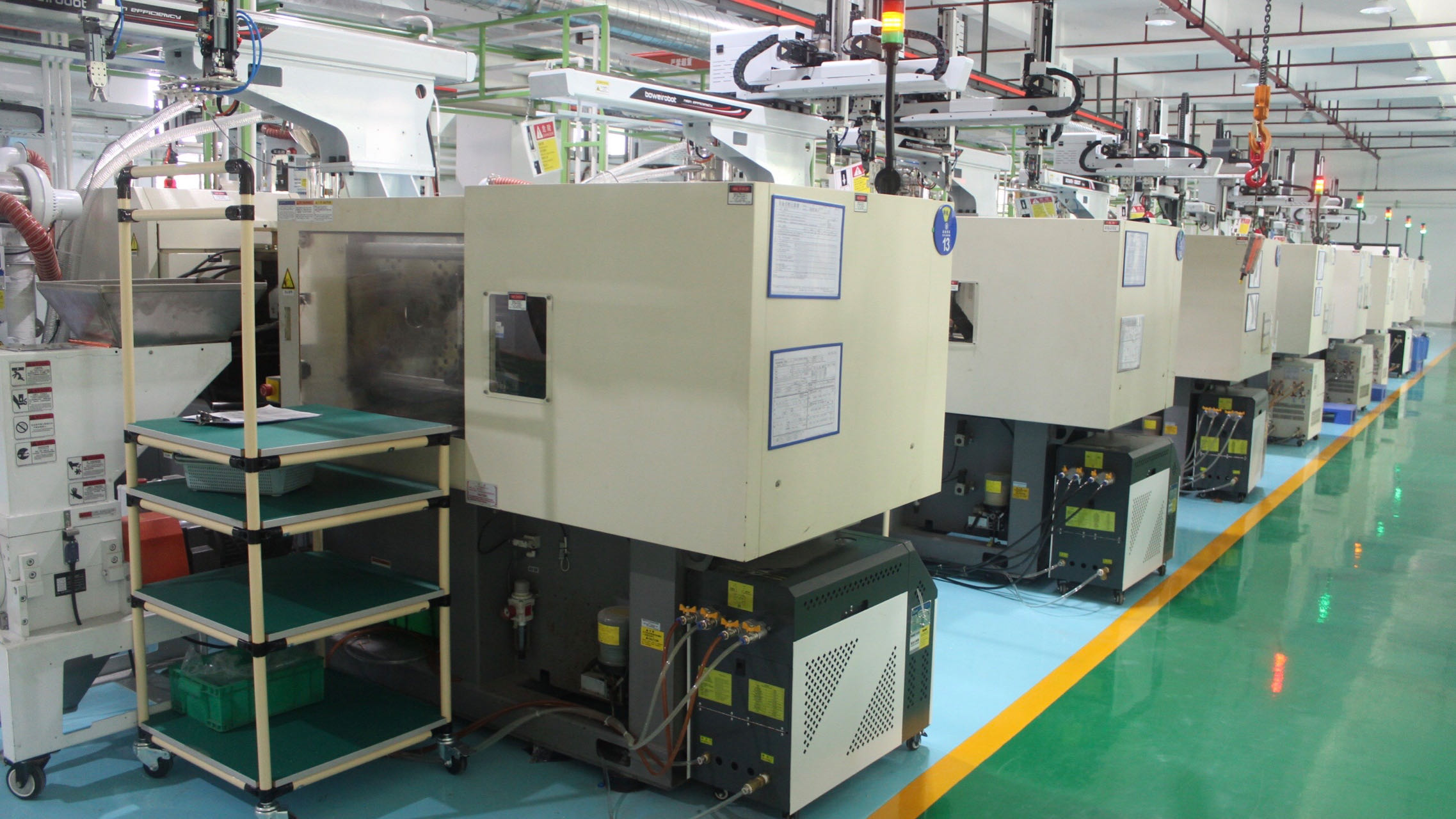
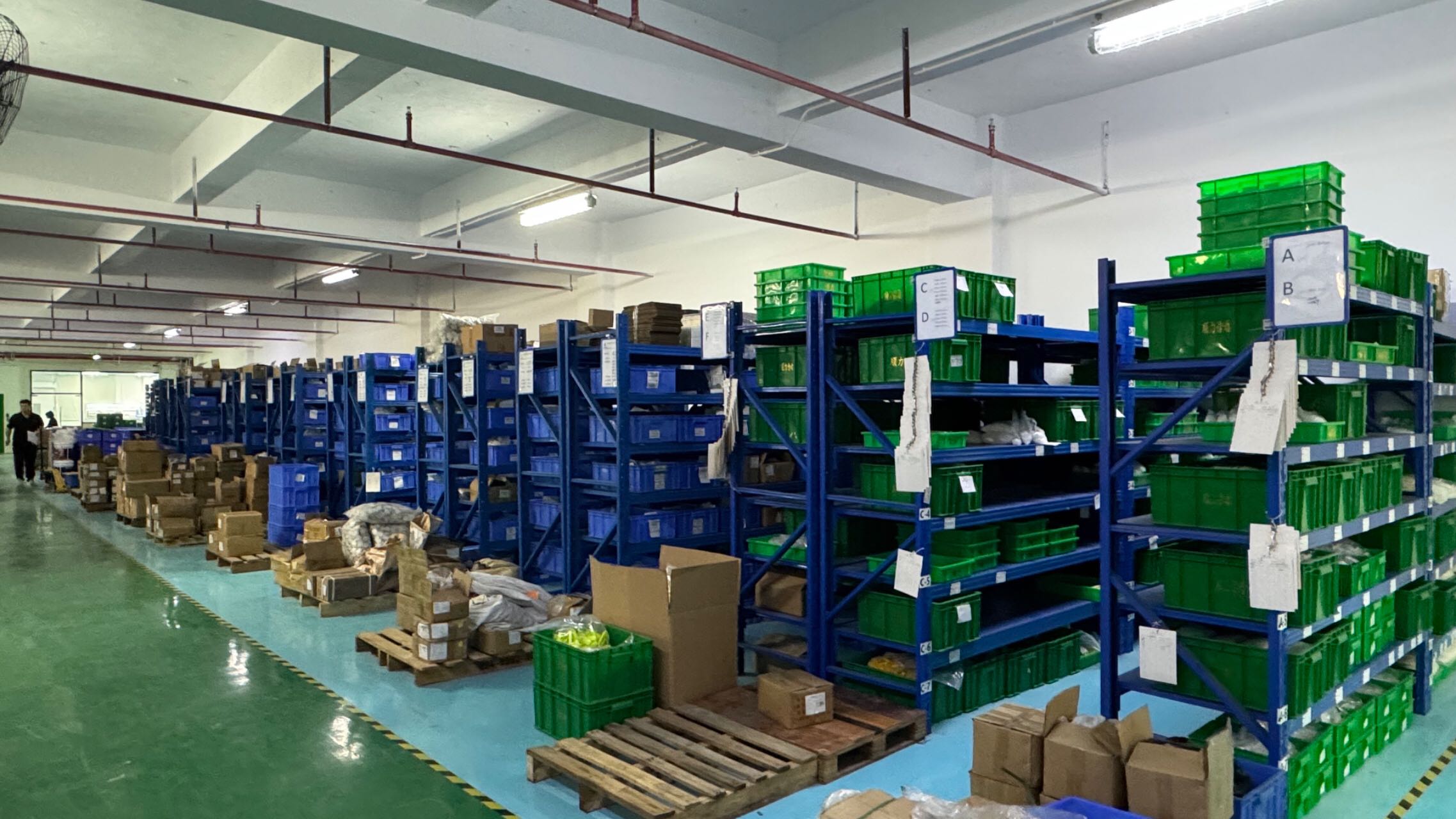

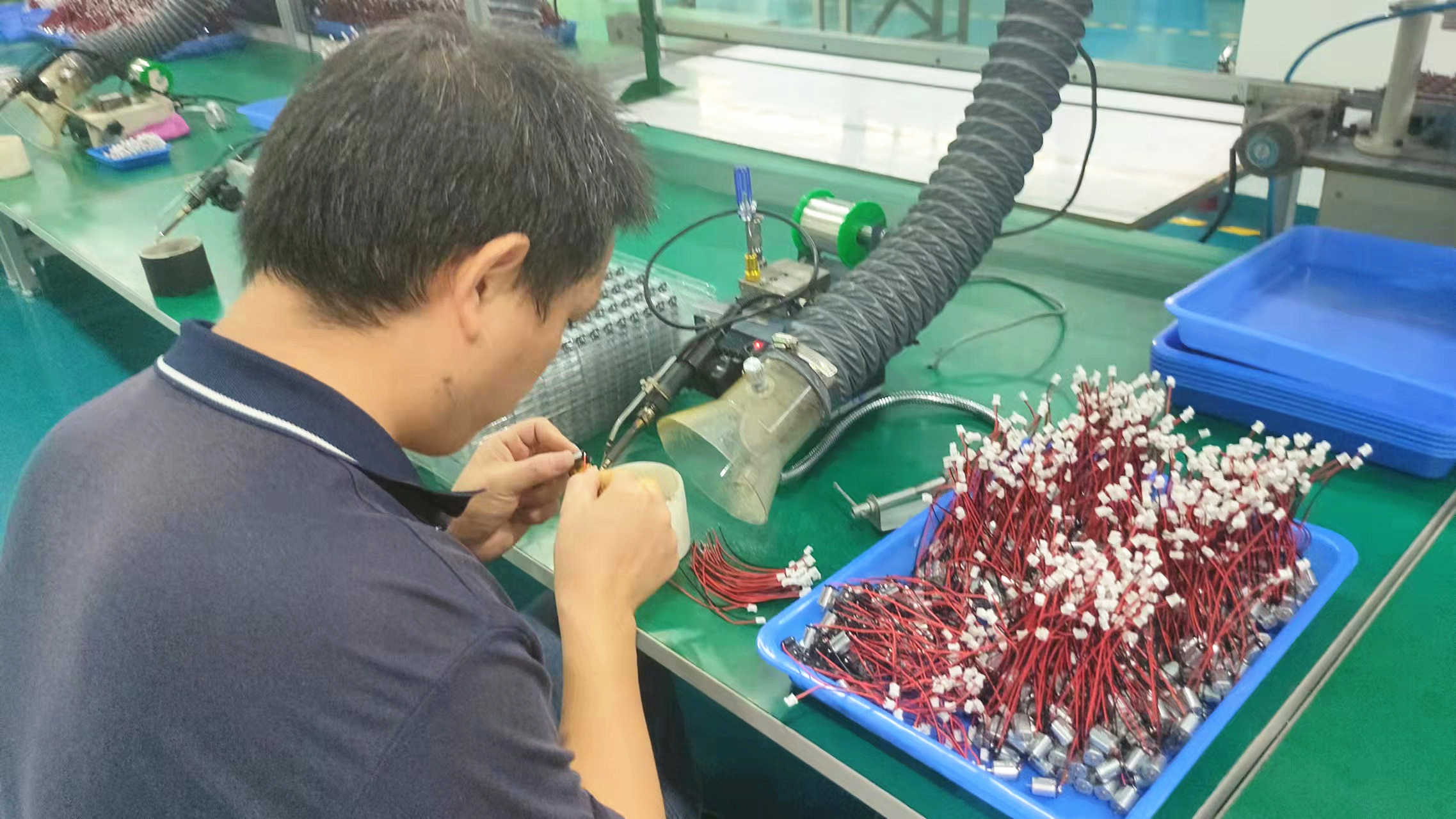
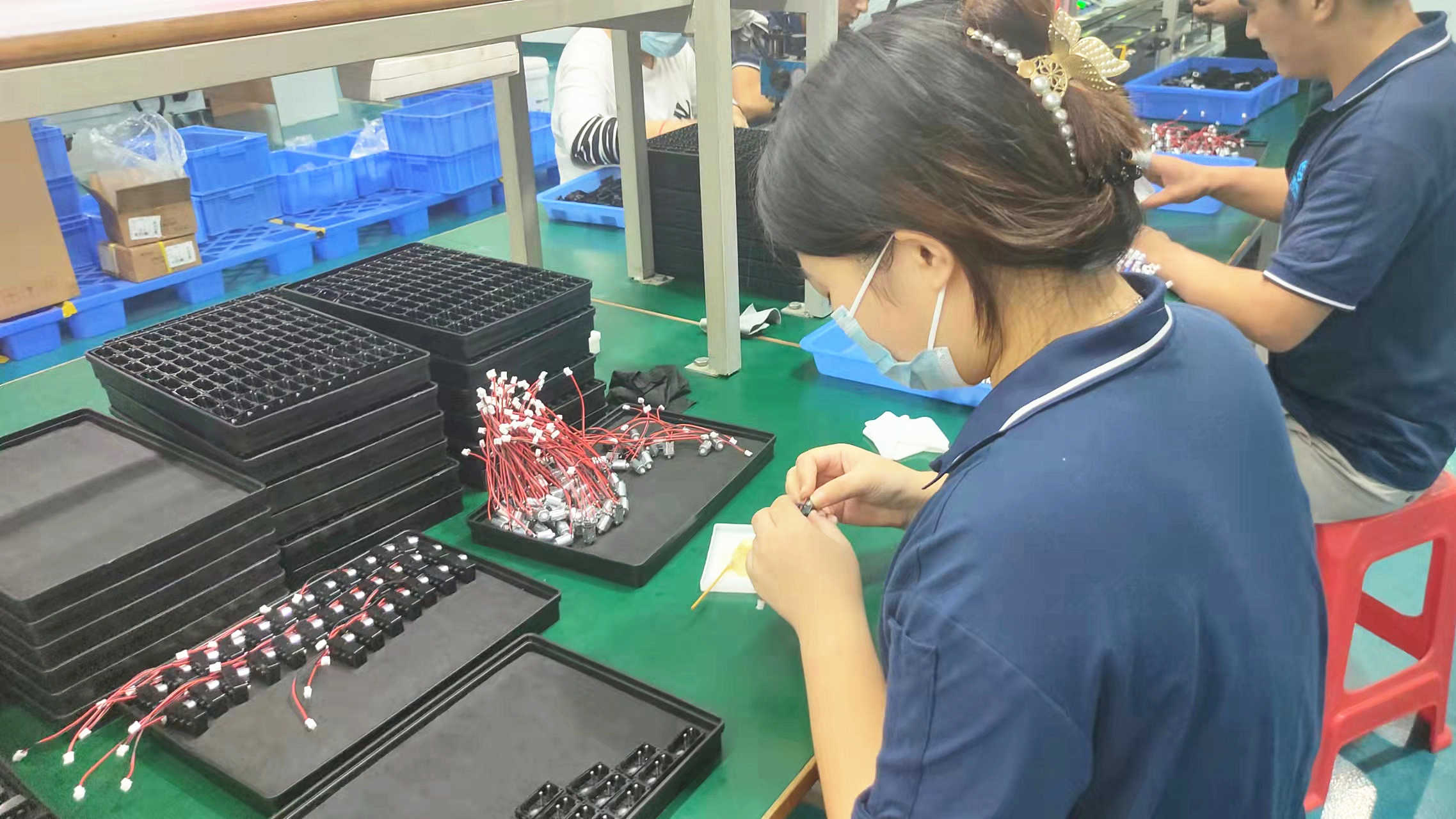
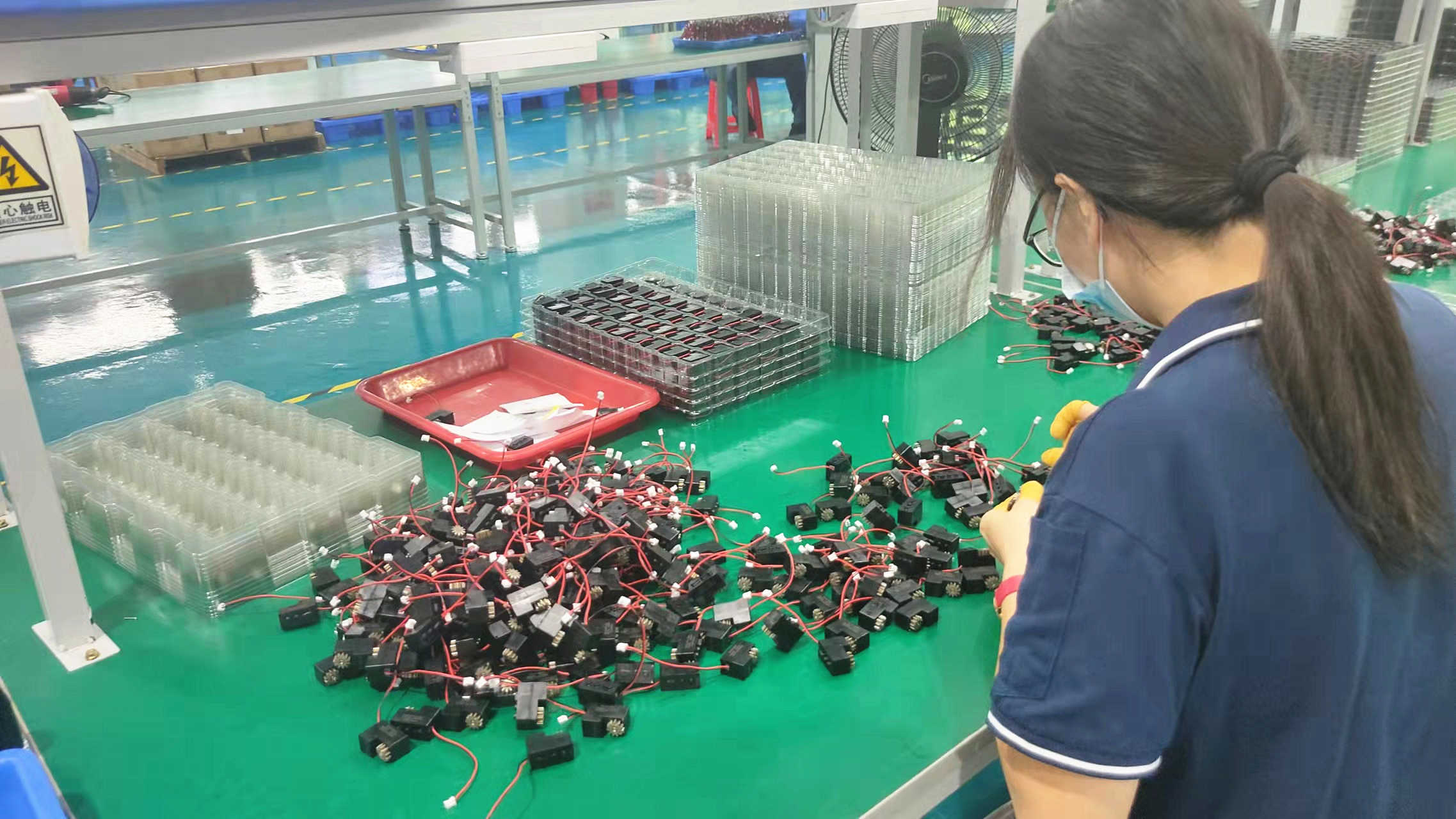
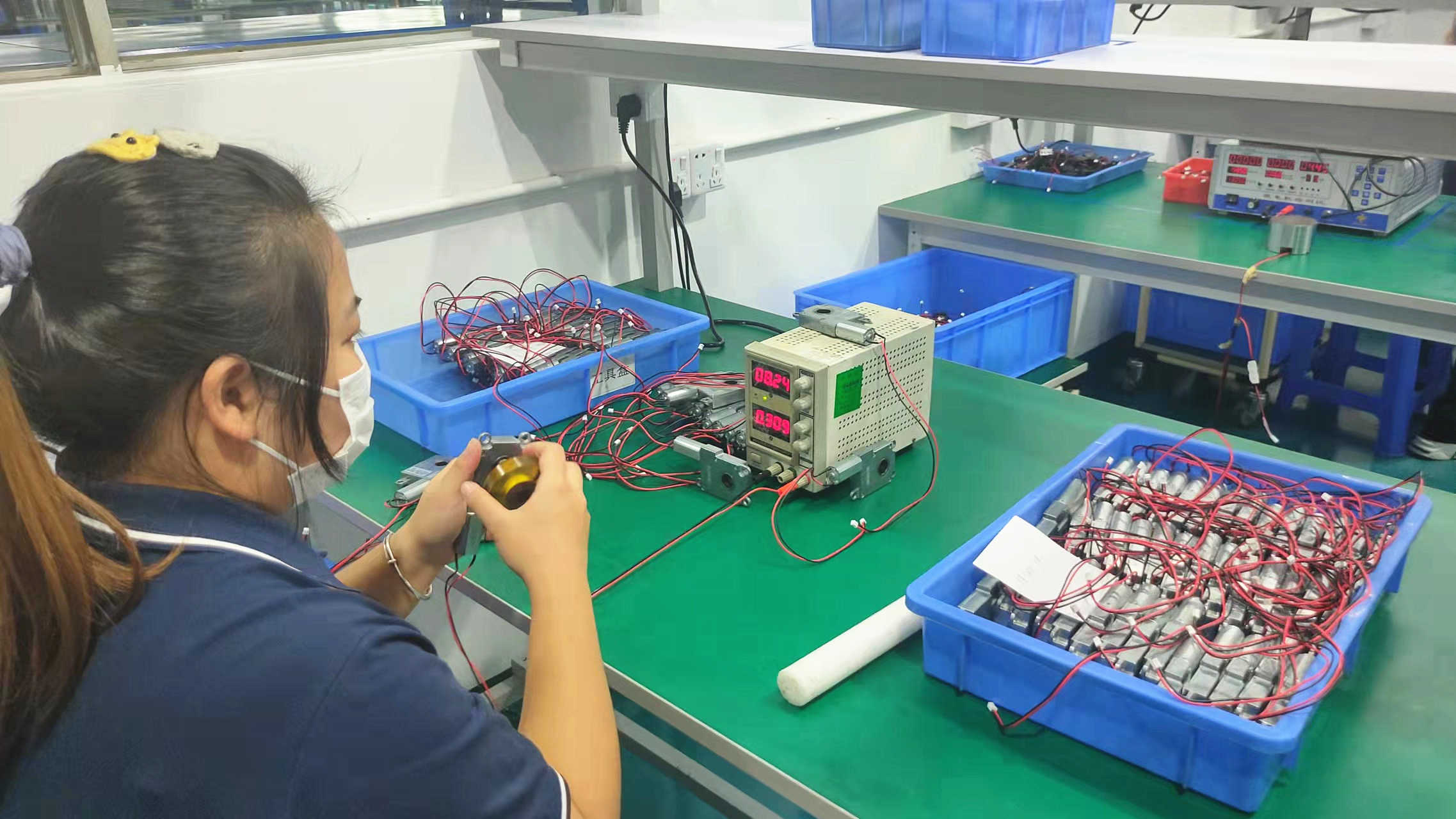
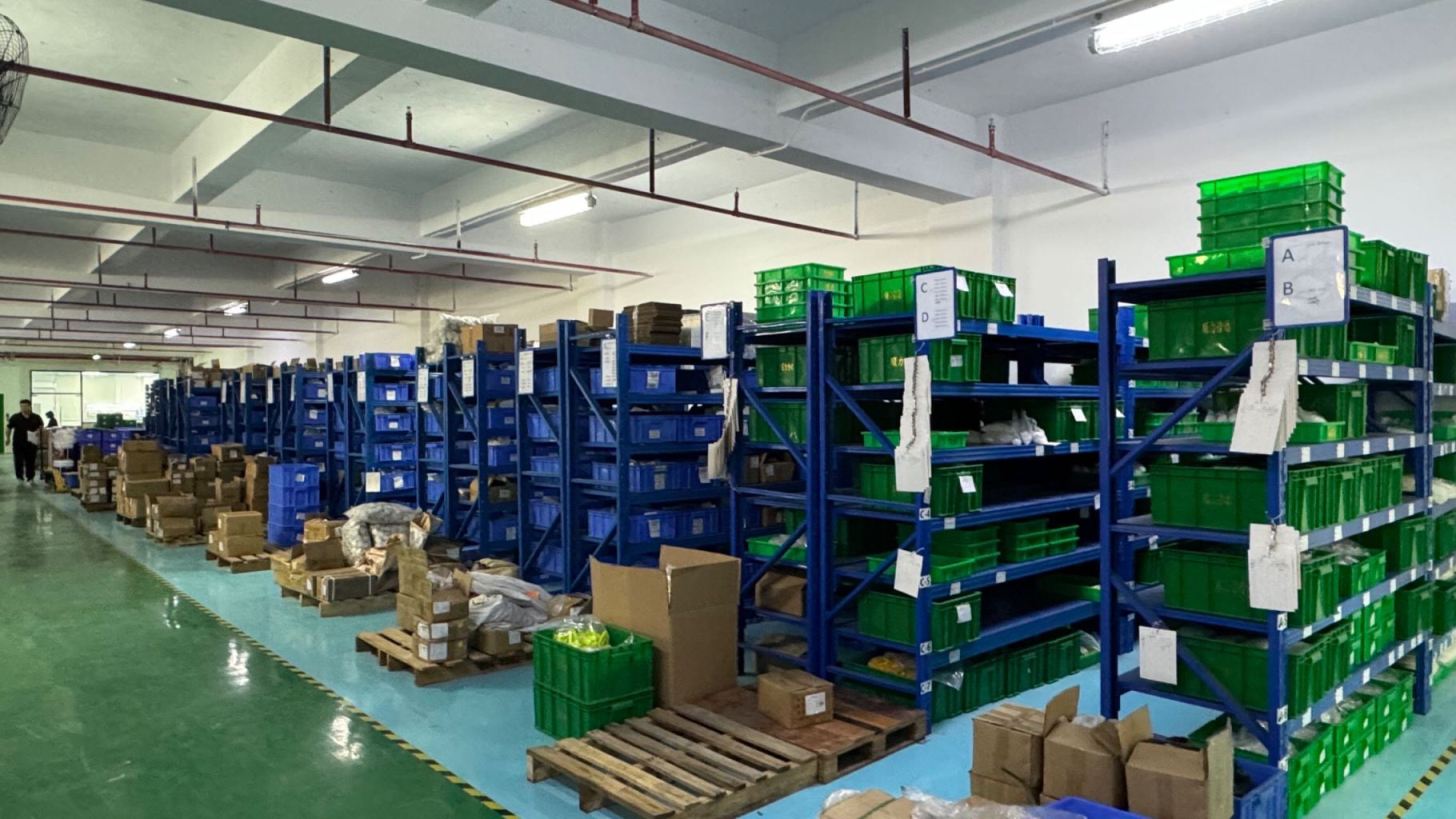
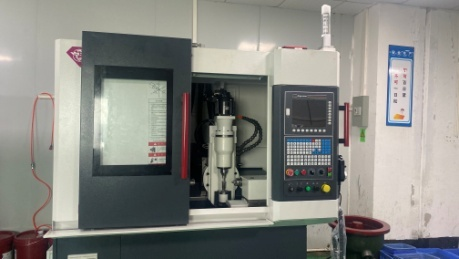
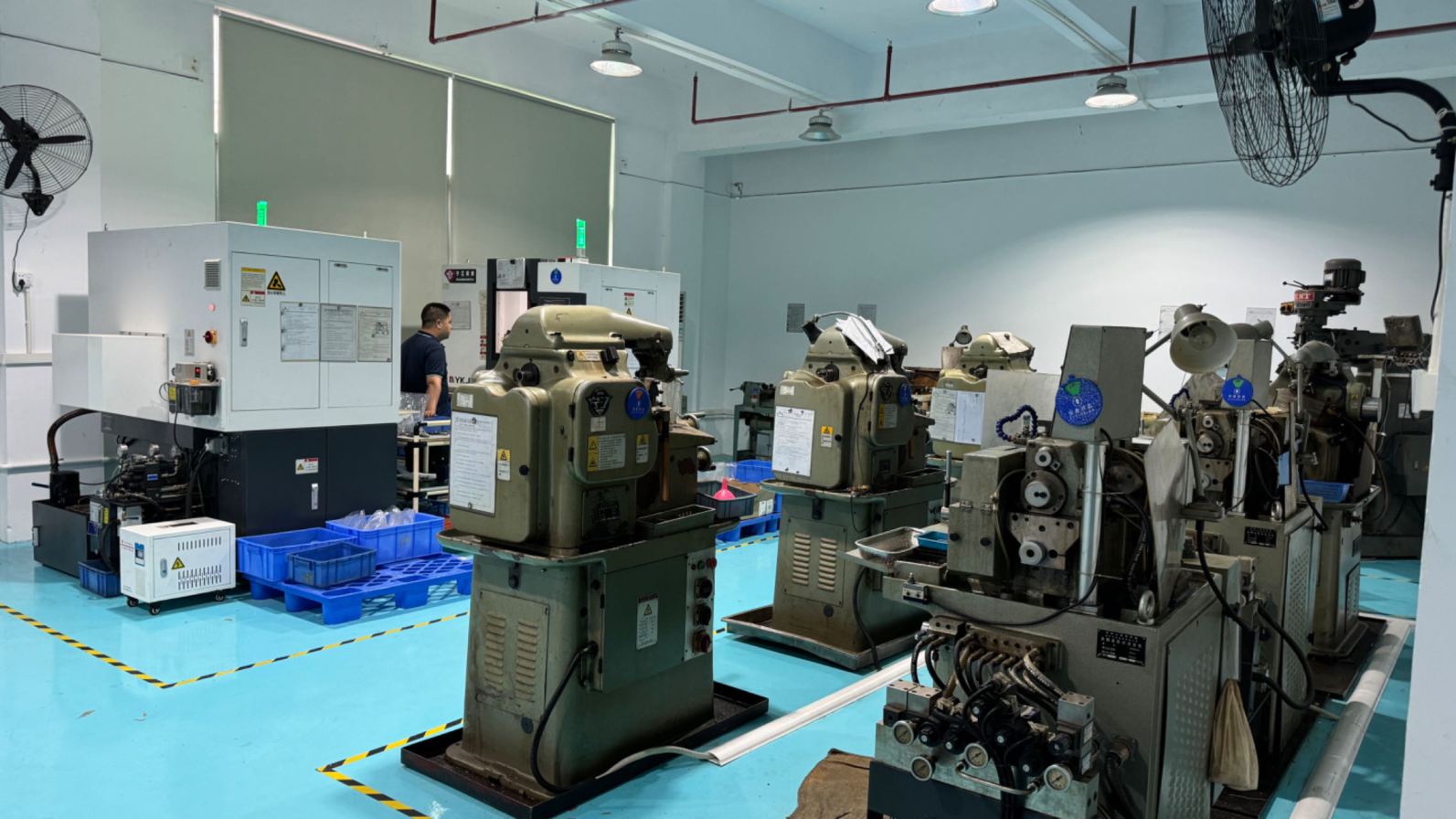
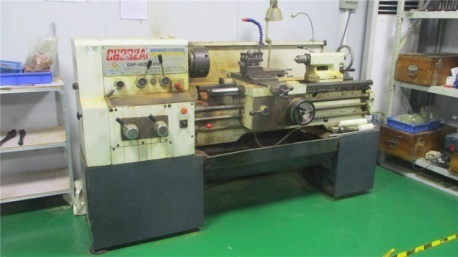
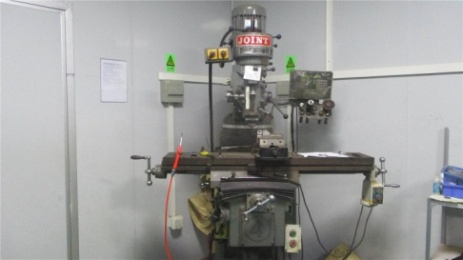
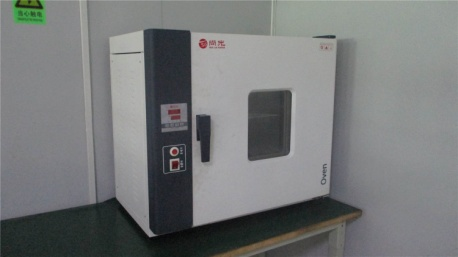
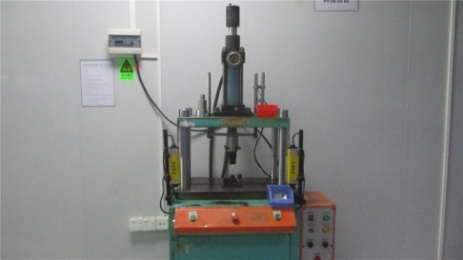
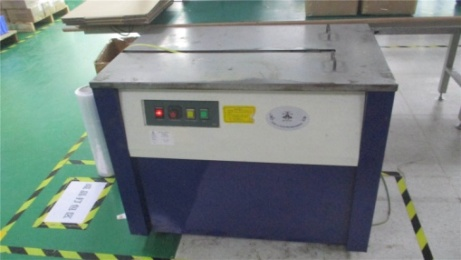
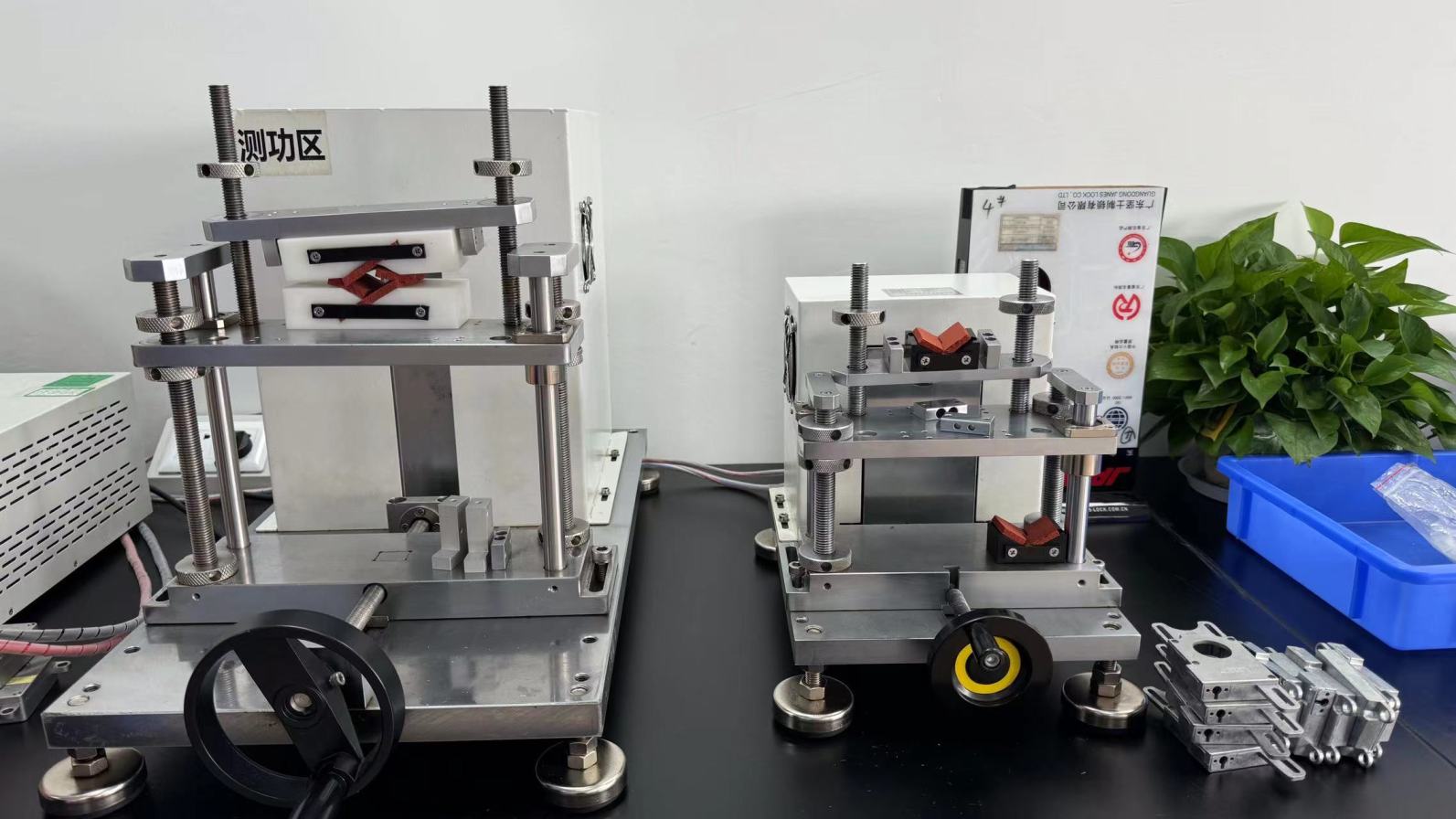
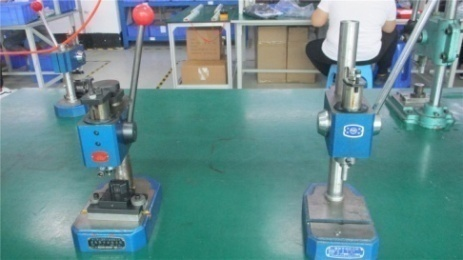
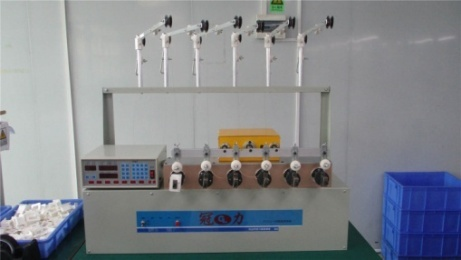
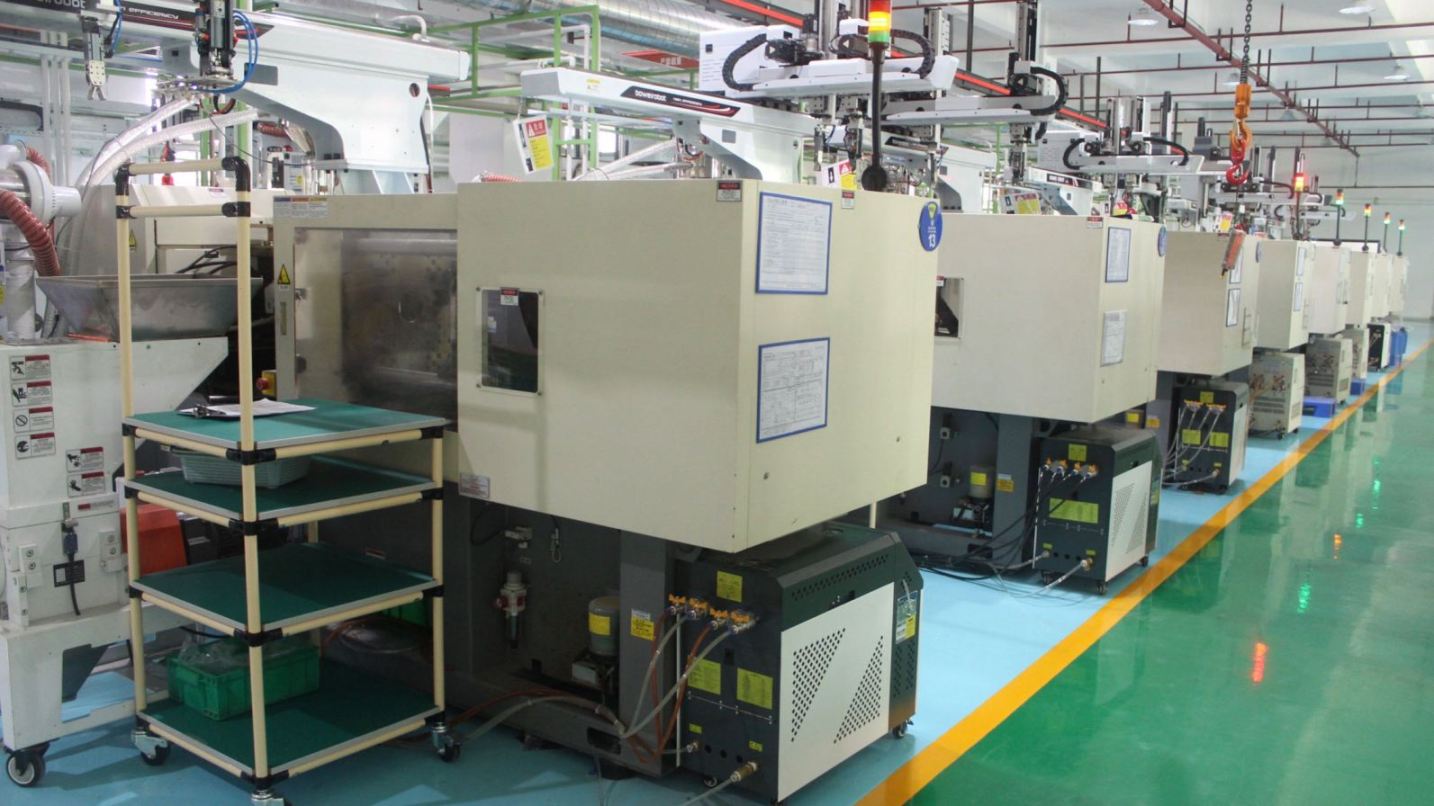
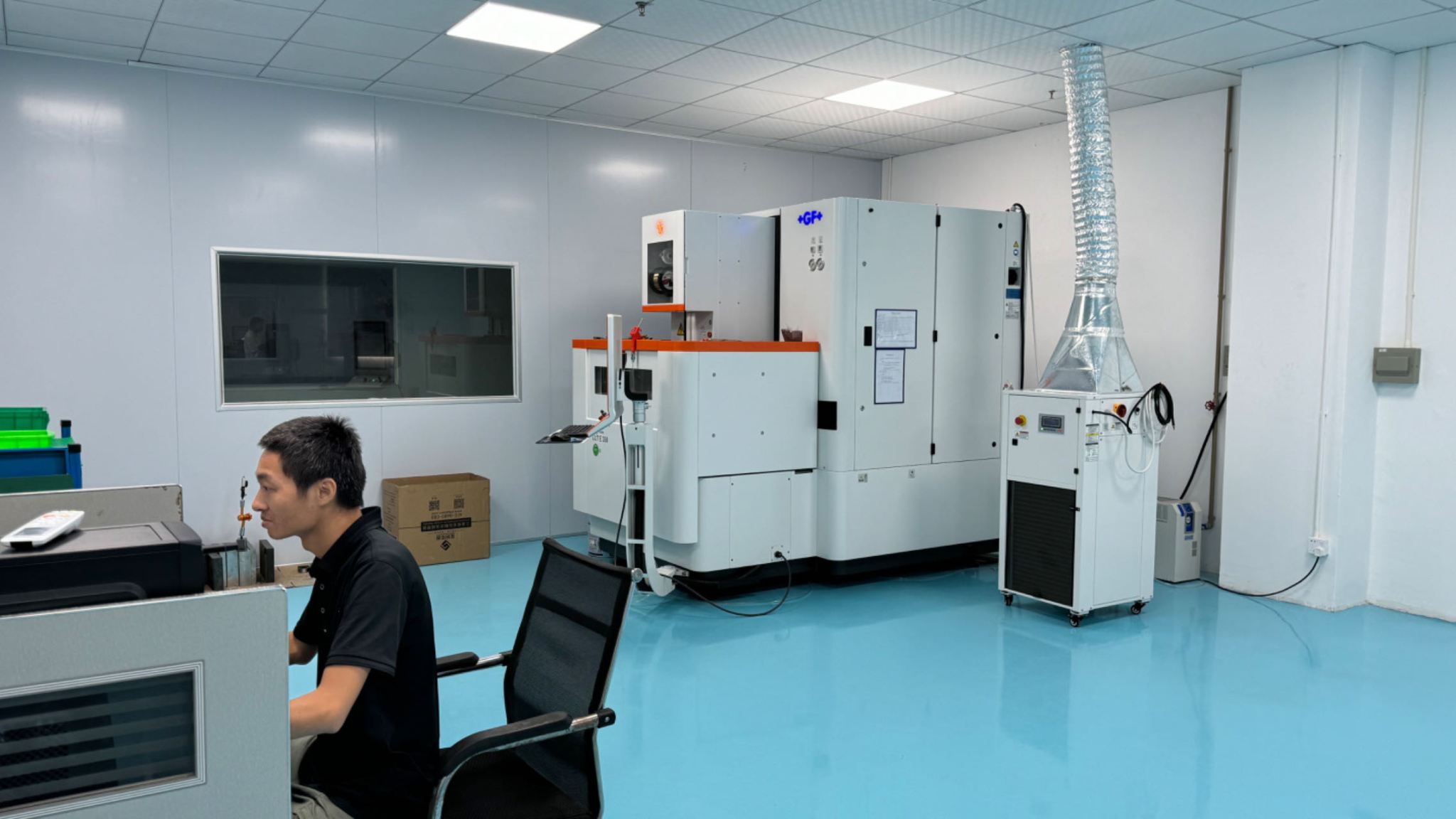
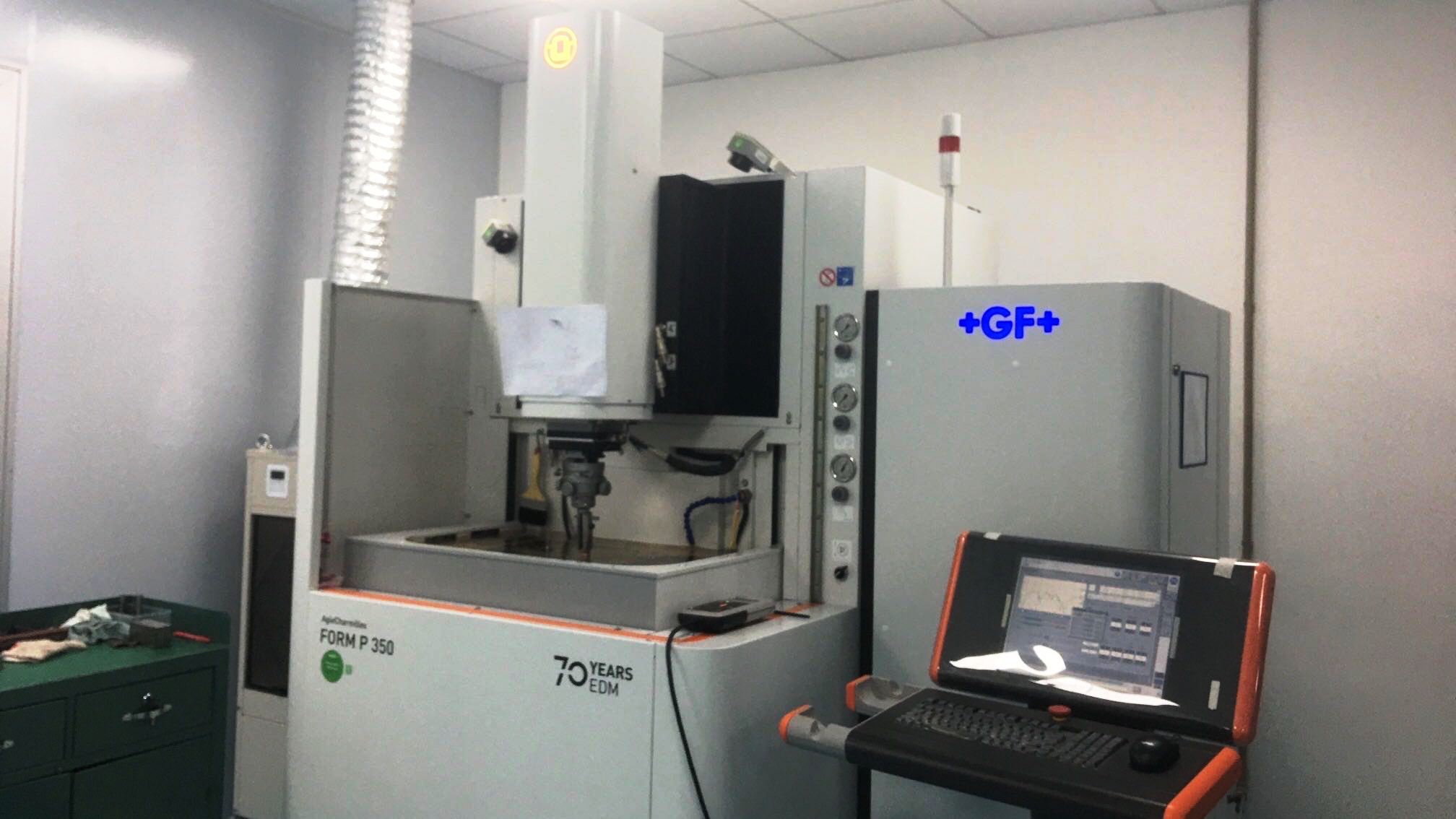
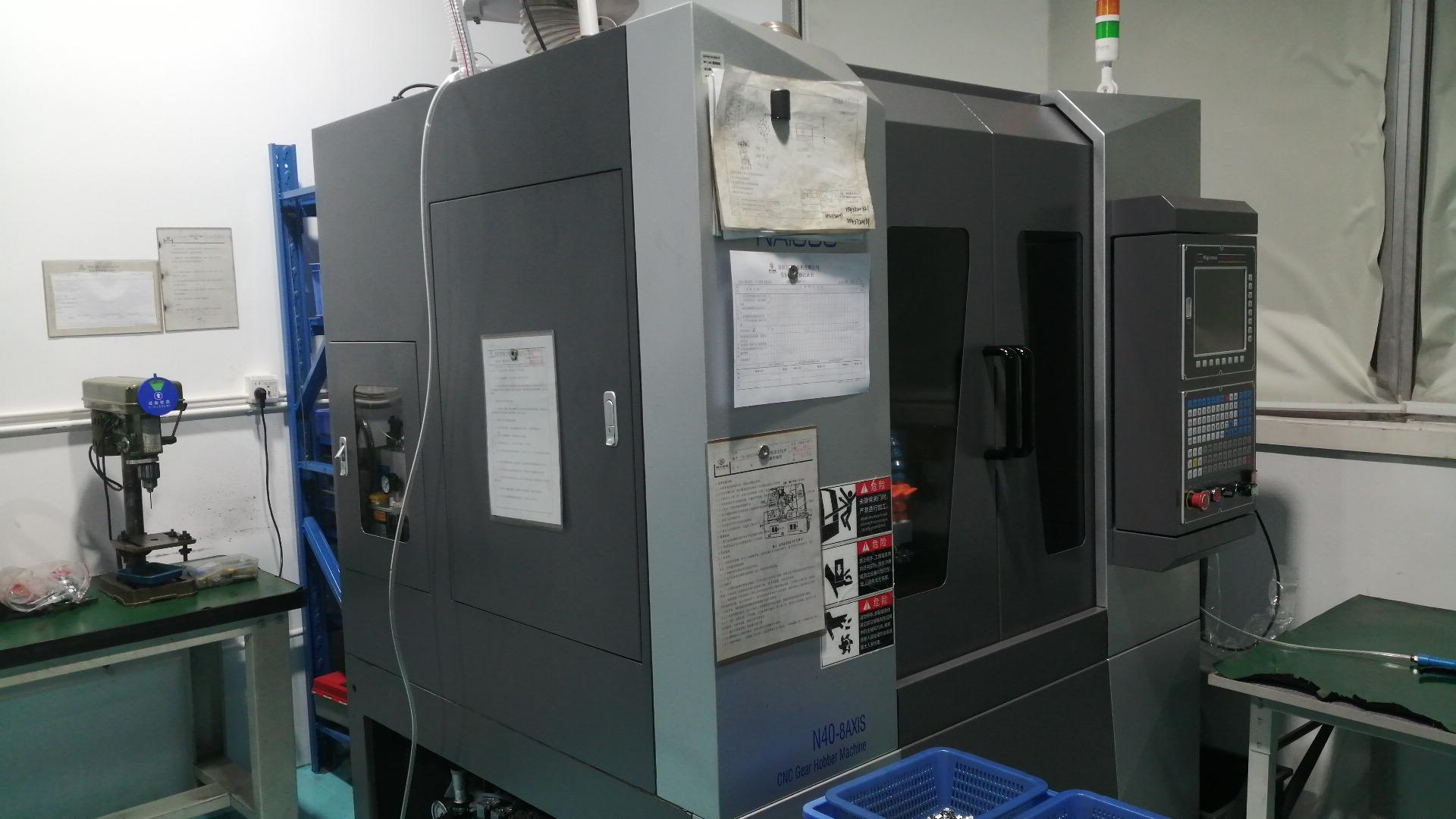
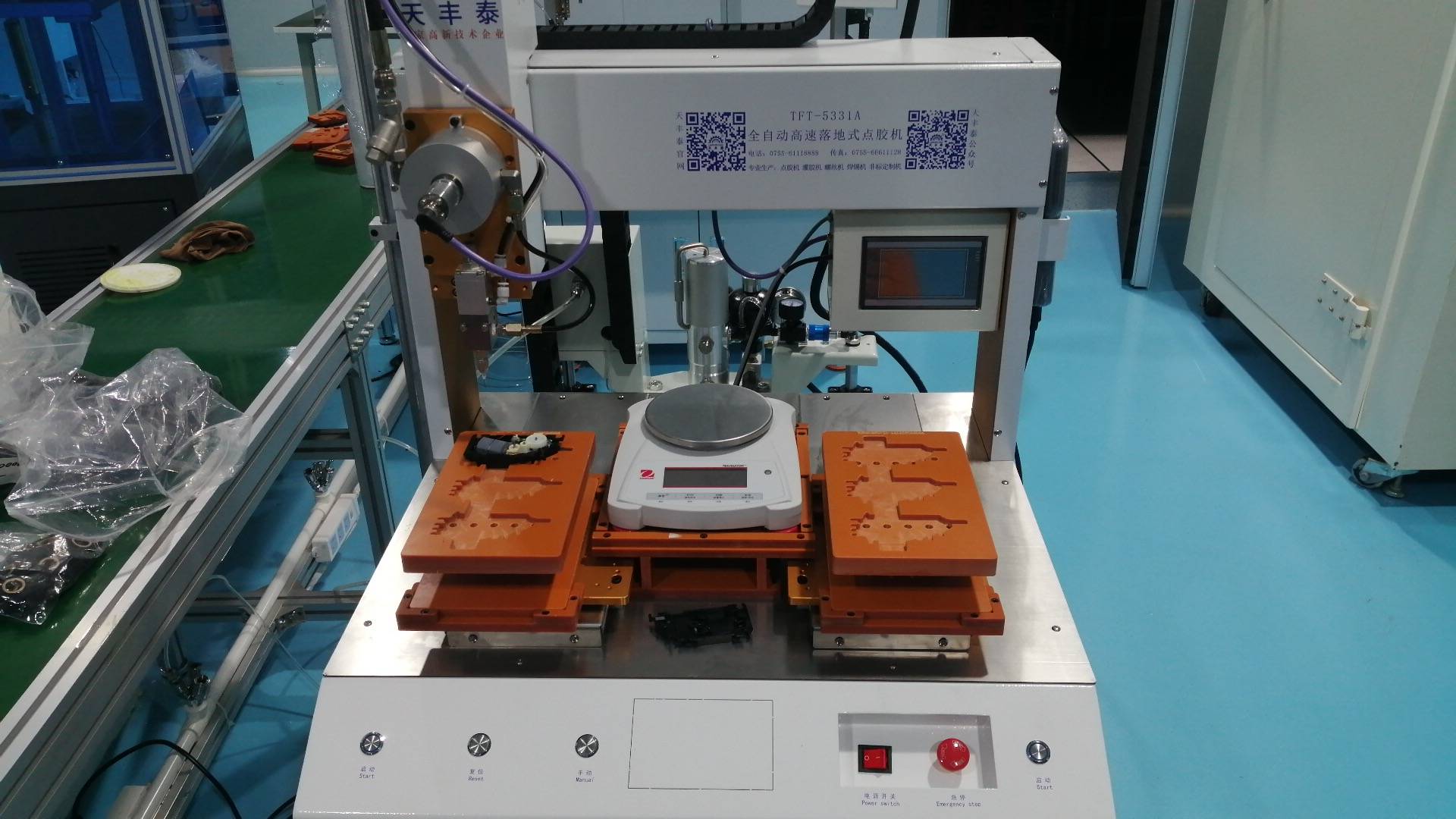
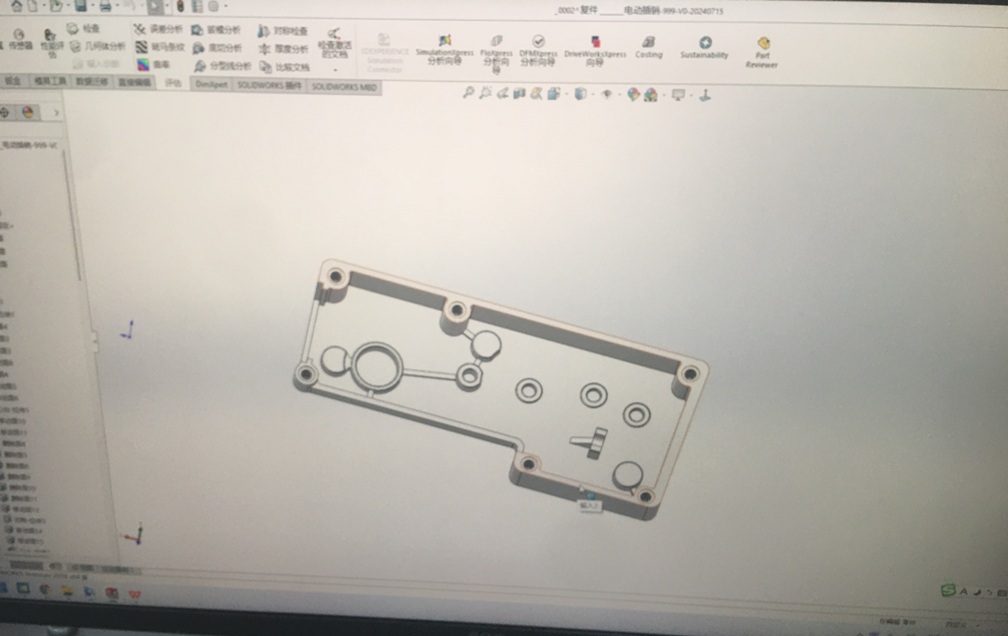
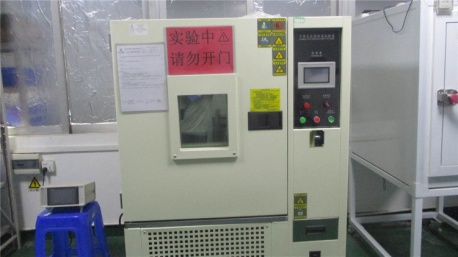
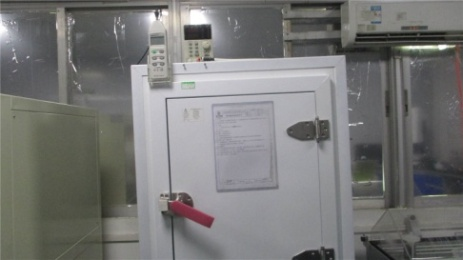
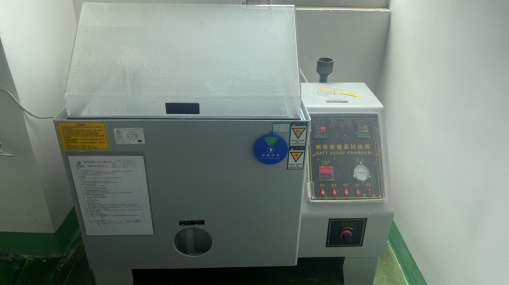
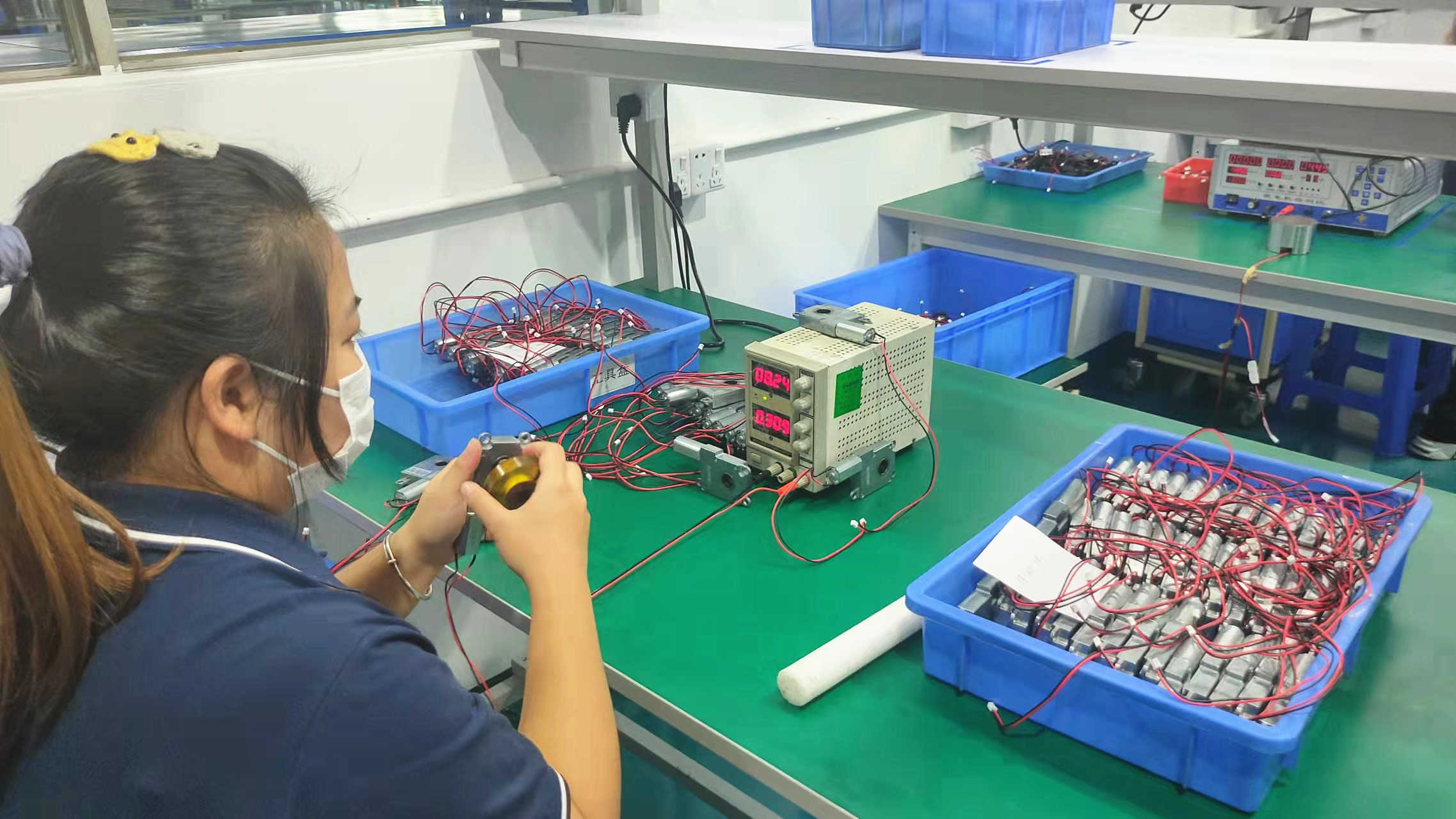
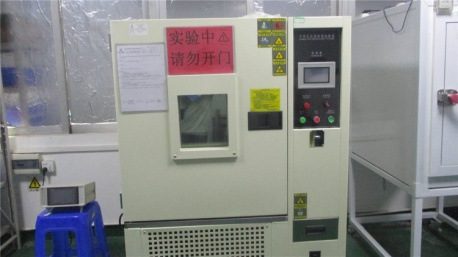
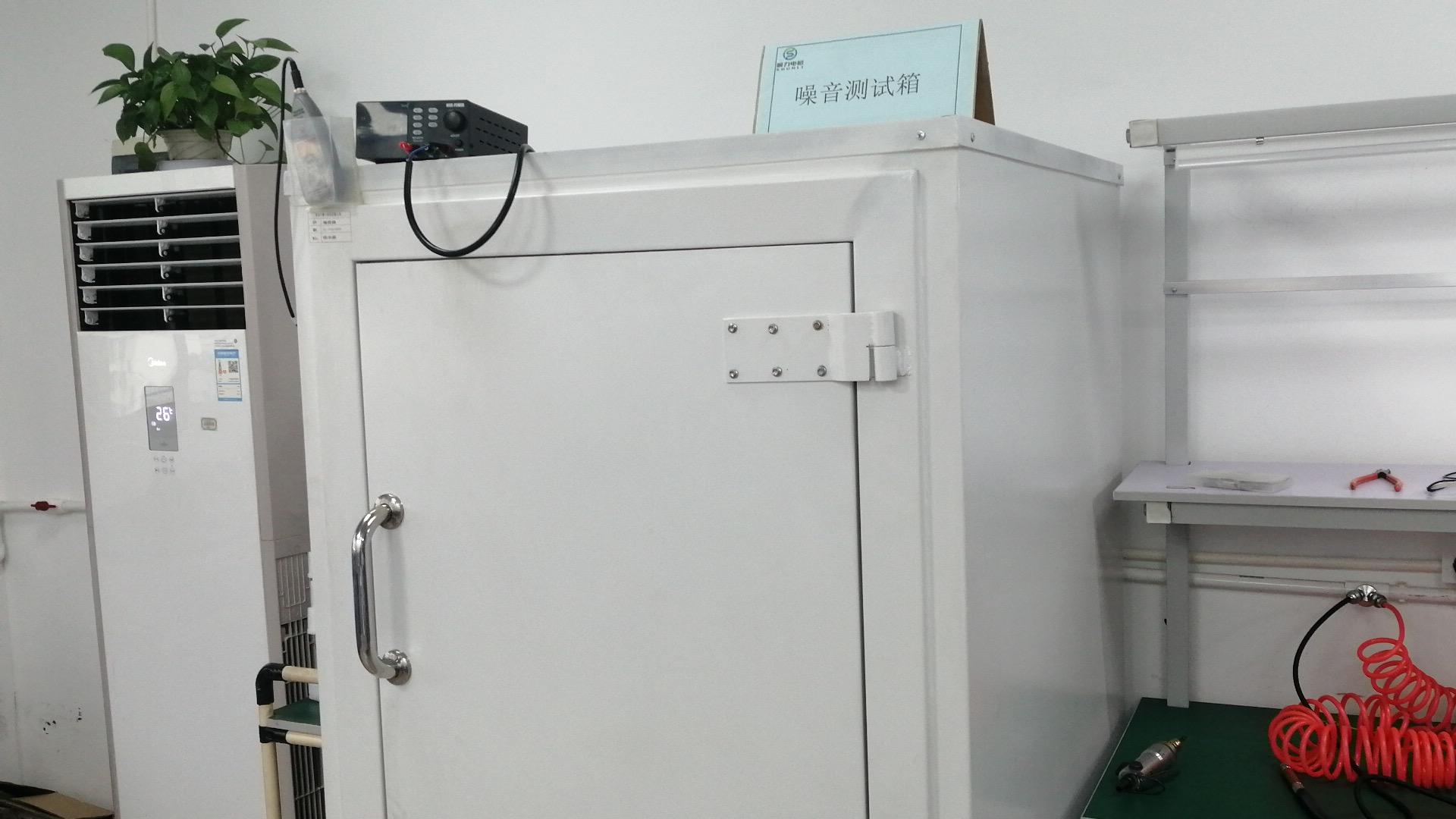
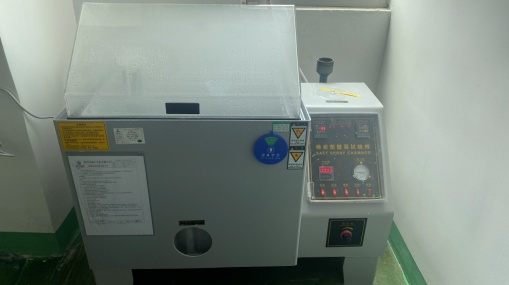
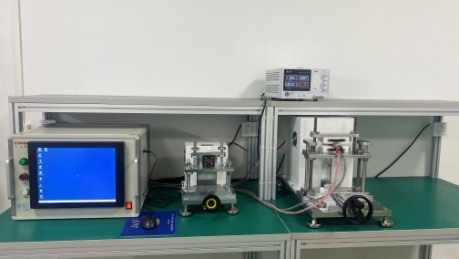
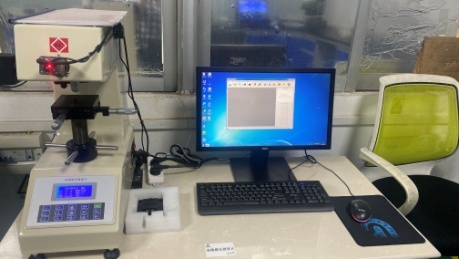
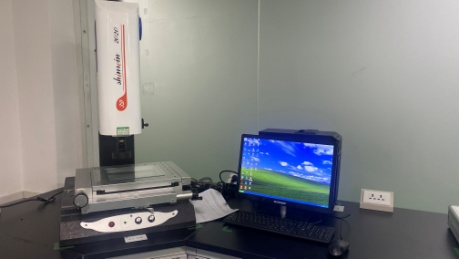
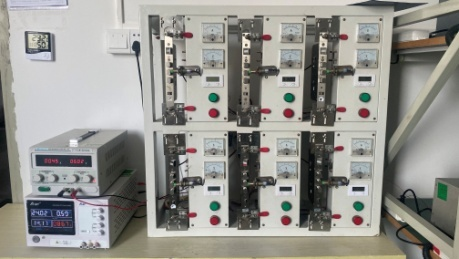
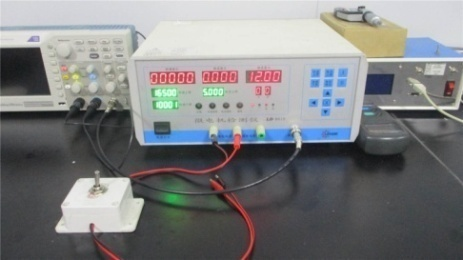
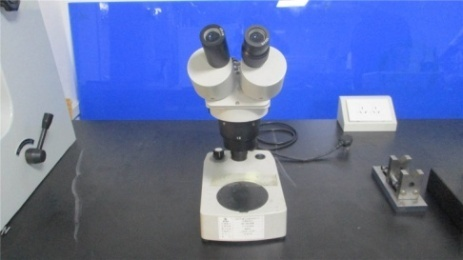
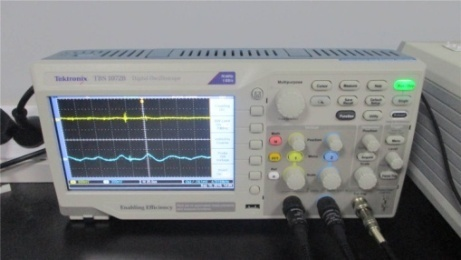
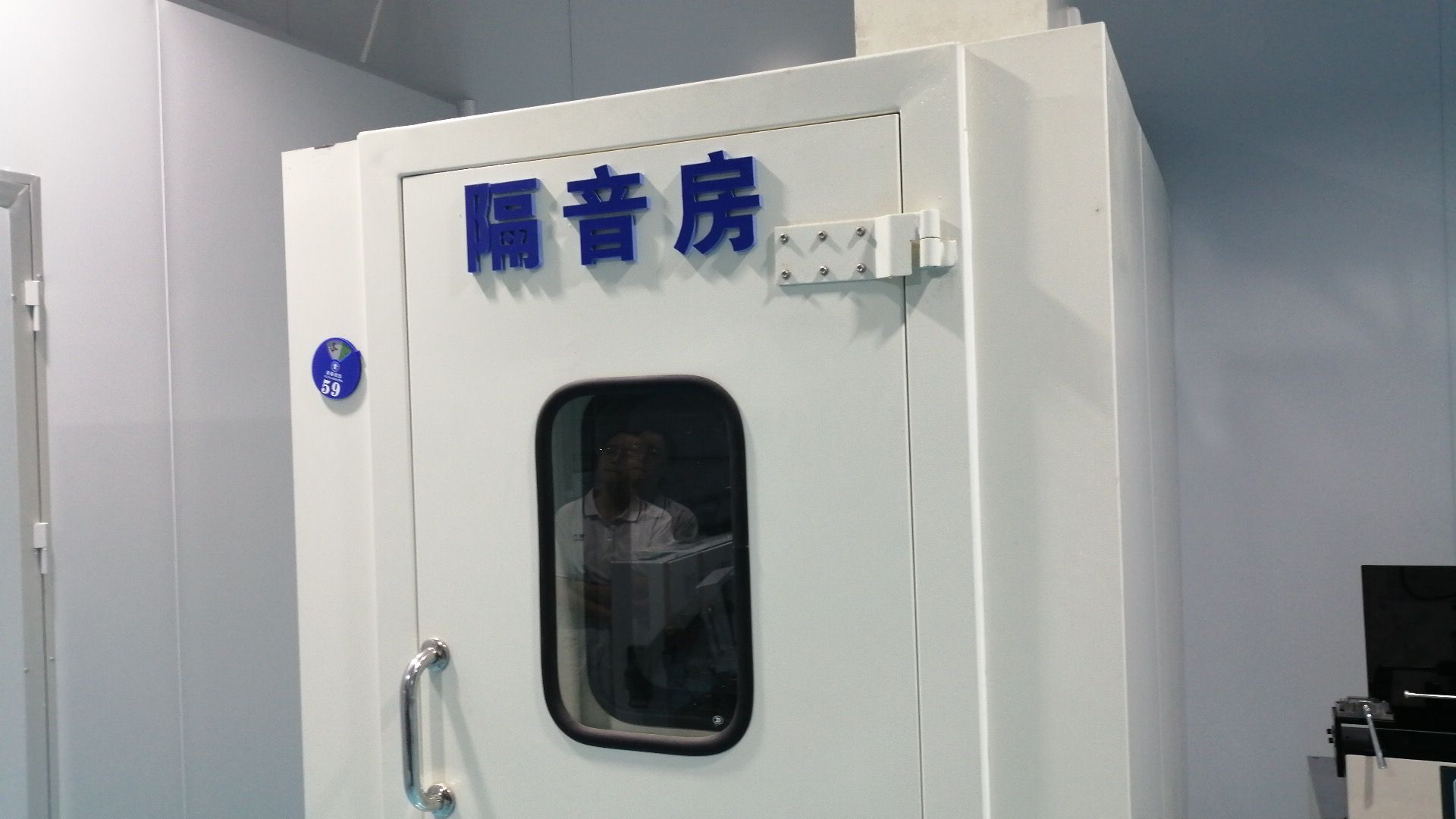
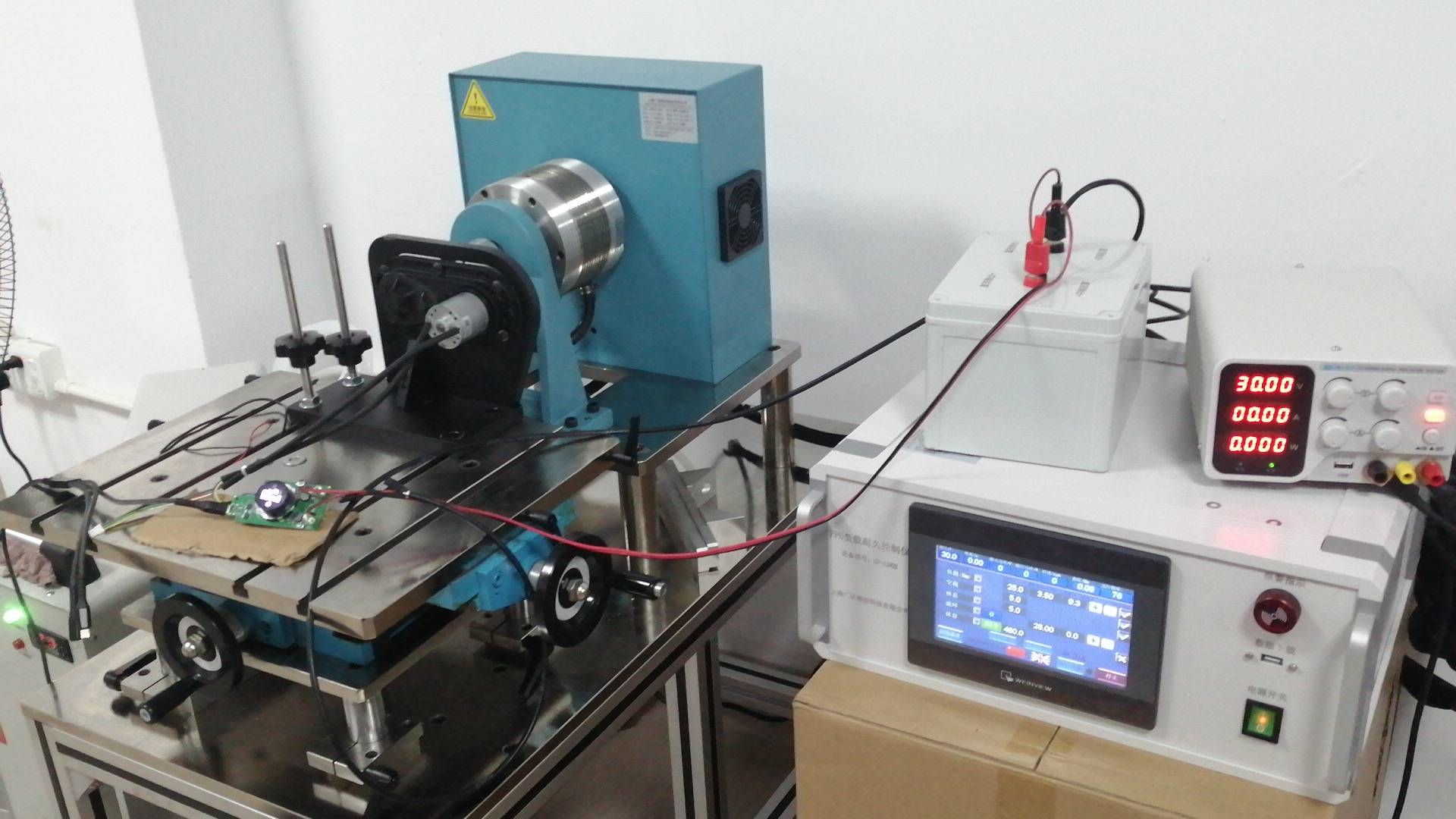
Every single motor manufactured is subjected to extensive testing protocols to guarantee performance parameters under mechanical load.
Essential insights for B2B procurement managers and system design engineers sourcing synchronous motor technology.
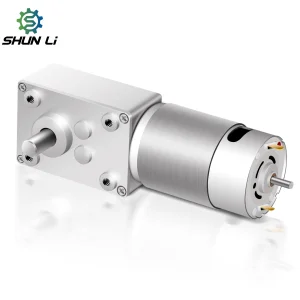
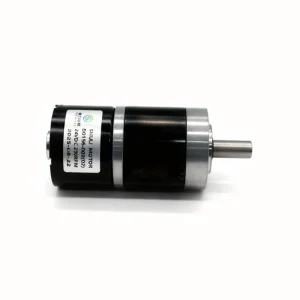
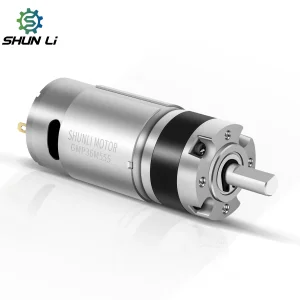
High-torque DC, planetary, and vibration systems designed to integrate into modern device architectures.
 Viterra Motor