Information Gain: In the current industrial era, torque modulation isn't just about power—it's about "intelligent adaptability." Modern Variable Torque Motors (VTMs) are transitioning from simple mechanical components to integrated cyber-physical systems. The global market, valued at over $18 billion in the precision segment, is being driven by the relentless pursuit of energy efficiency and the rise of collaborative robots (cobots).
From the smart factories of Germany to the healthcare robotics labs in Silicon Valley, the demand for Variable Torque Motor Suppliers has shifted. Procurement teams no longer look for "off-the-shelf" components; they seek OEM/ODM partners who can provide motors with a "dynamic load response." This means the motor must adjust its torque output in real-time based on environmental feedback, reducing heat waste and extending the lifespan of the entire mechanical assembly.
Legacy systems are being replaced by BLDC (Brushless DC) and advanced stepper configurations that allow for variable torque profiles, critical for delicate operations in semiconductor and medical fields.
Variable torque control allows motors to operate at peak efficiency across various speeds, directly contributing to ESG goals and reducing carbon footprints in HVAC and heavy industry.
As AI algorithms take over movement control, motors must have the sensory capacity and variable torque range to execute "soft-touch" interactions, a hallmark of modern human-robot collaboration.
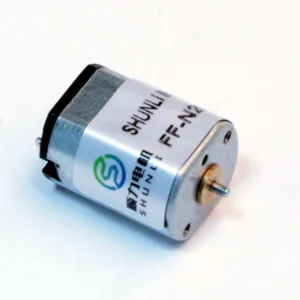
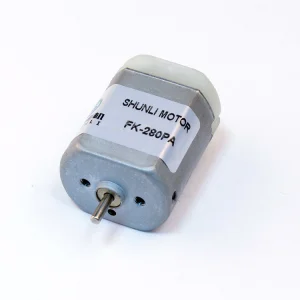
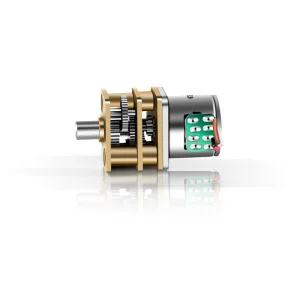
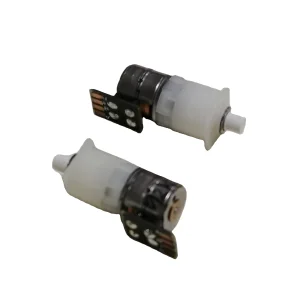
Inside a premium robotic joint, an automated medical valve, or a high-end smart lock, space is the ultimate luxury. At Viterra Motor, we measure our manufacturing success in micrometers and decibels. Our mission is to take advanced, heavy-duty rotational power and compress it into the most compact, energy-efficient footprints imaginable.
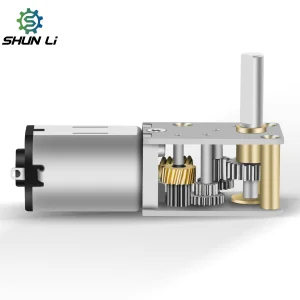
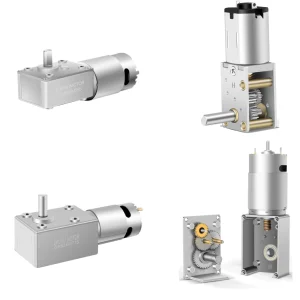
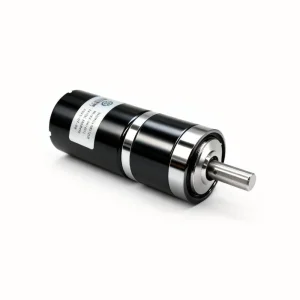
Our expertise lies in the micro-details of motion control. From precision-wound copper rotors and high-purity commutators to zero-backlash planetary gear trains, every single internal component of a Viterra Motor motor is optimized to eliminate friction and maximize heat dissipation. By combining advanced automated Swiss-style hobbing with Japanese dynamic balancing, we ensure our micro drives deliver the fluid, whispering-quiet power your brand promises. When your next high-tech innovation relies on repeated mechanical perfection, let Viterra Motor be the core that spins it forward.

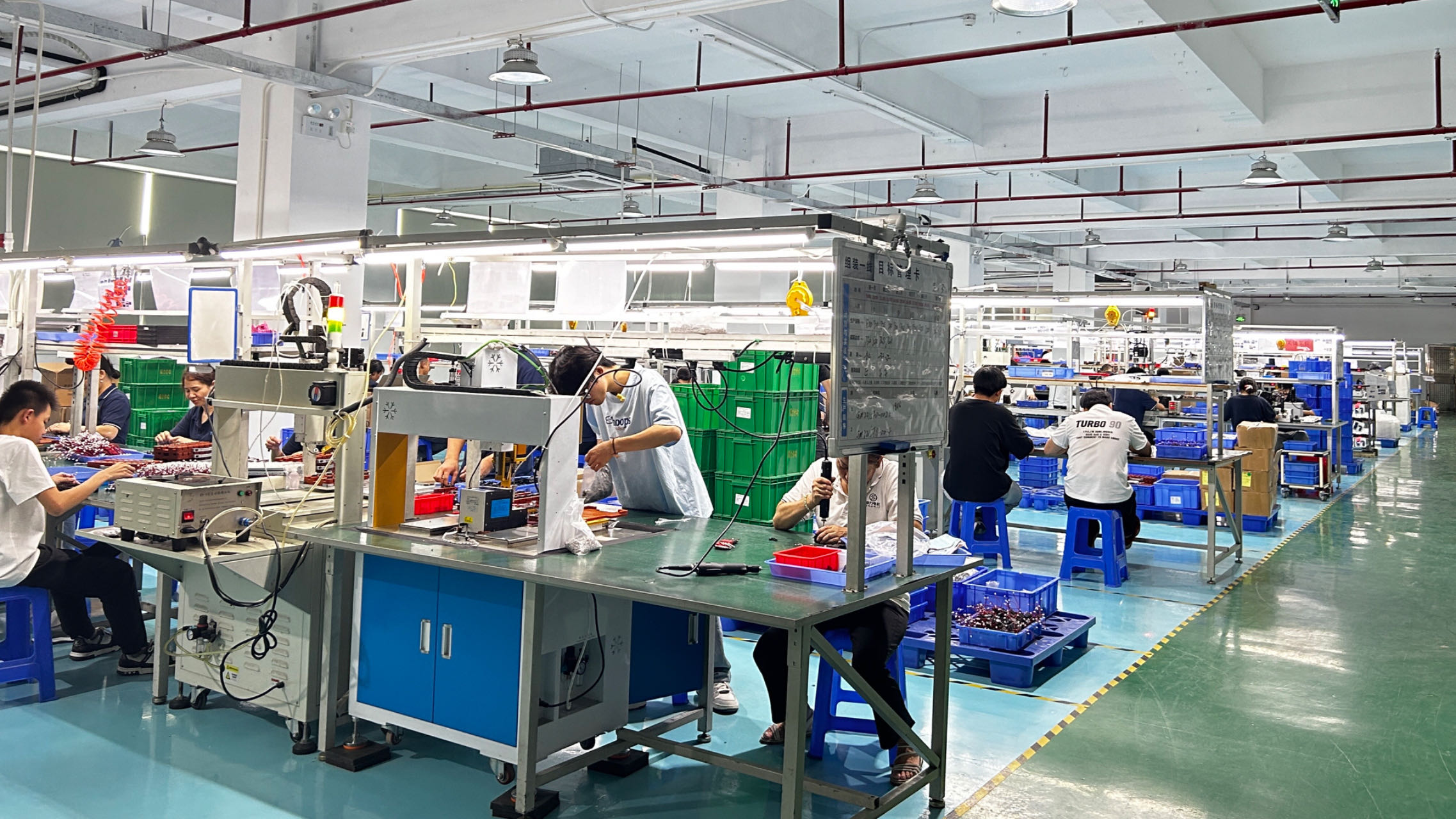
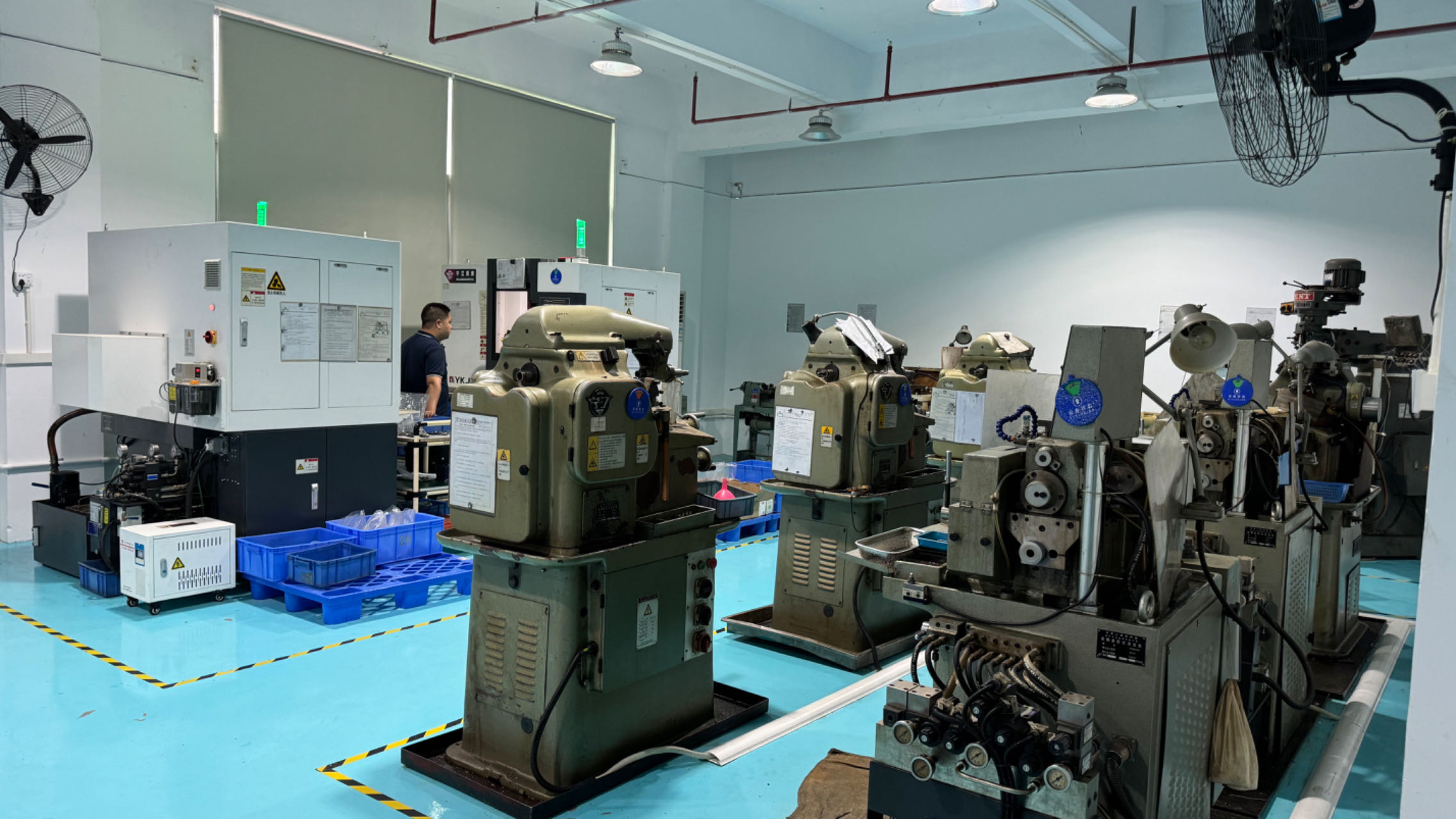
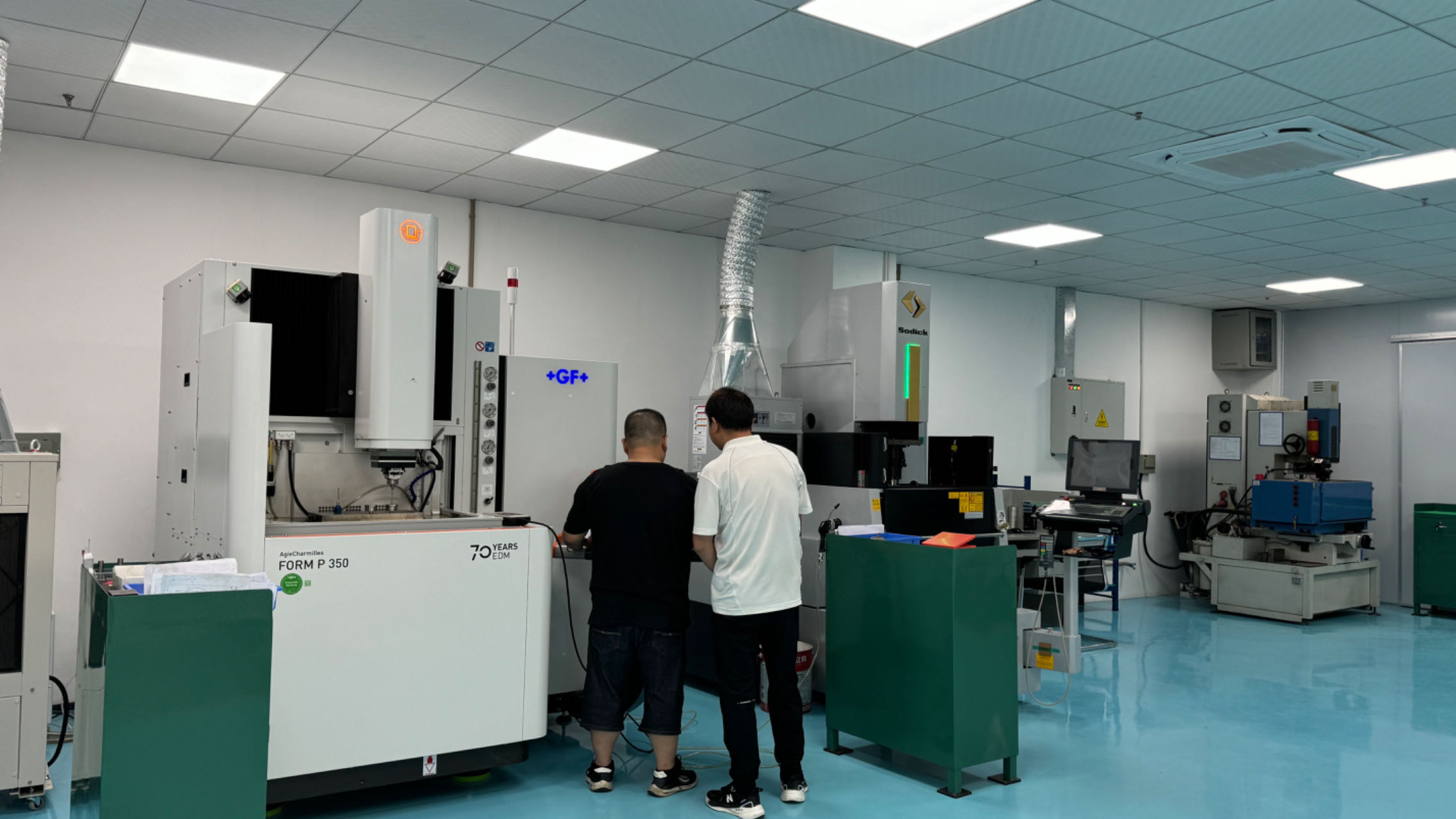

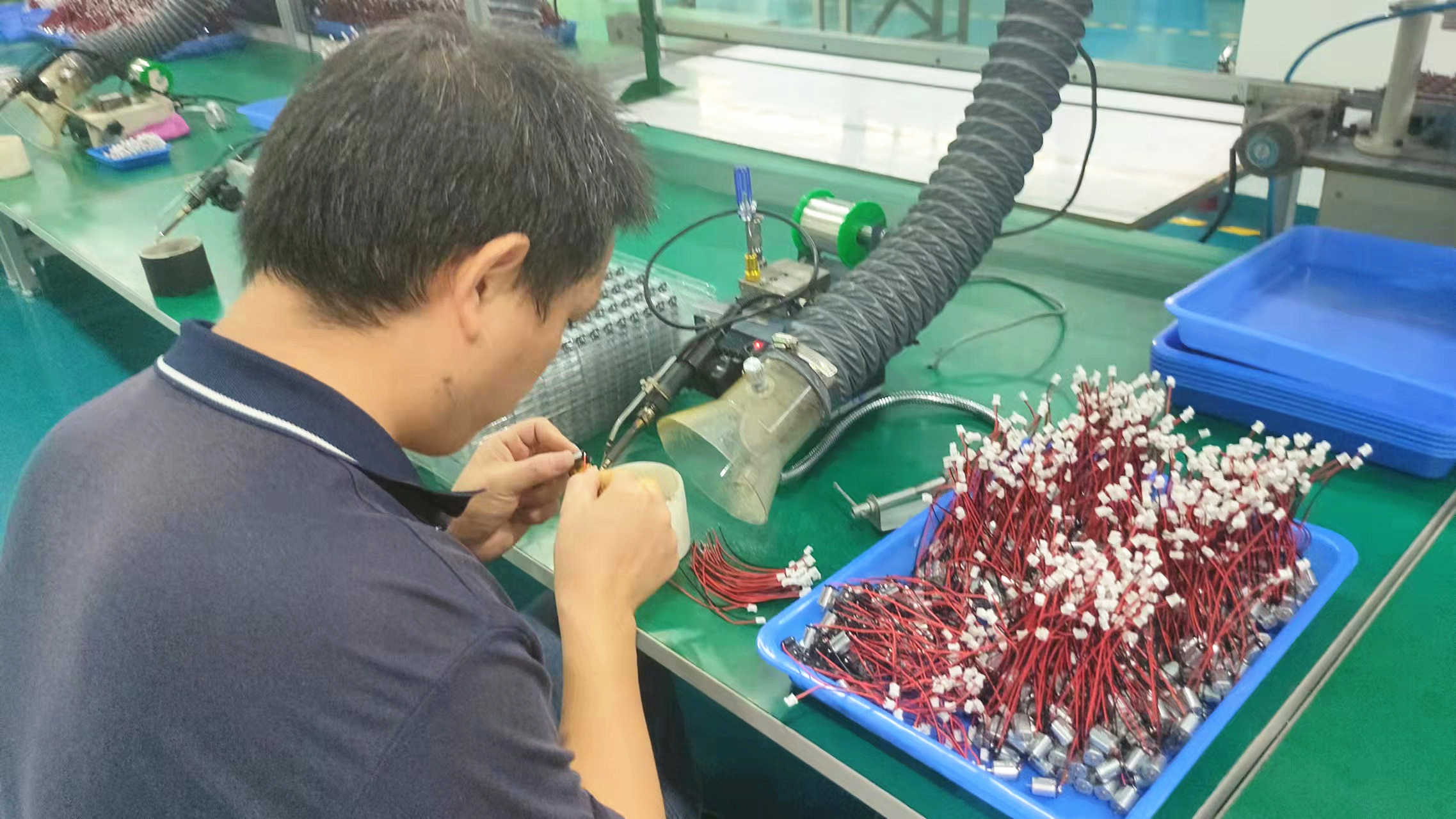
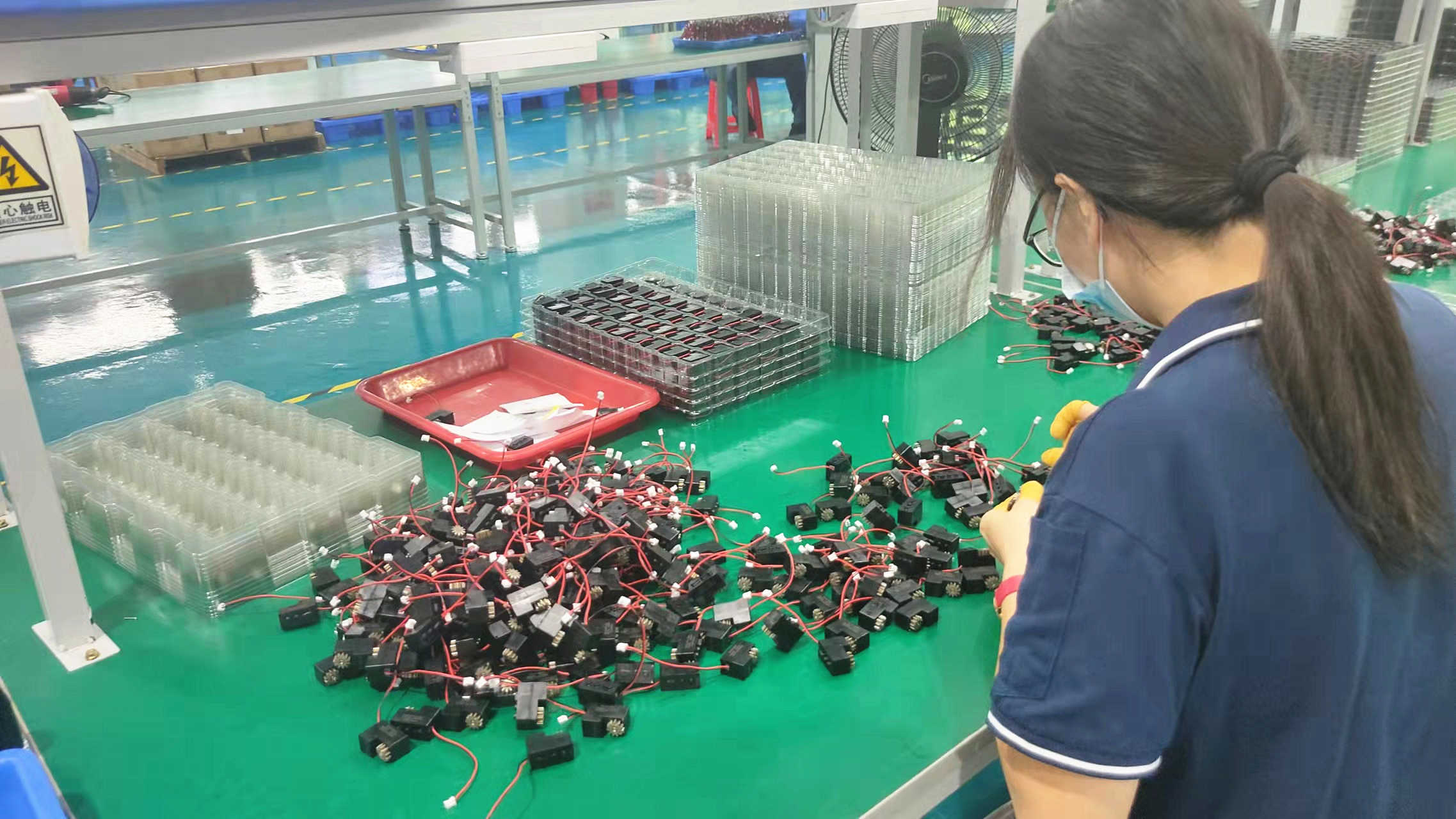
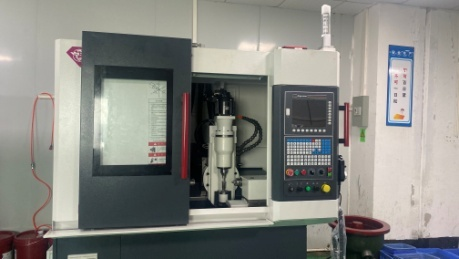
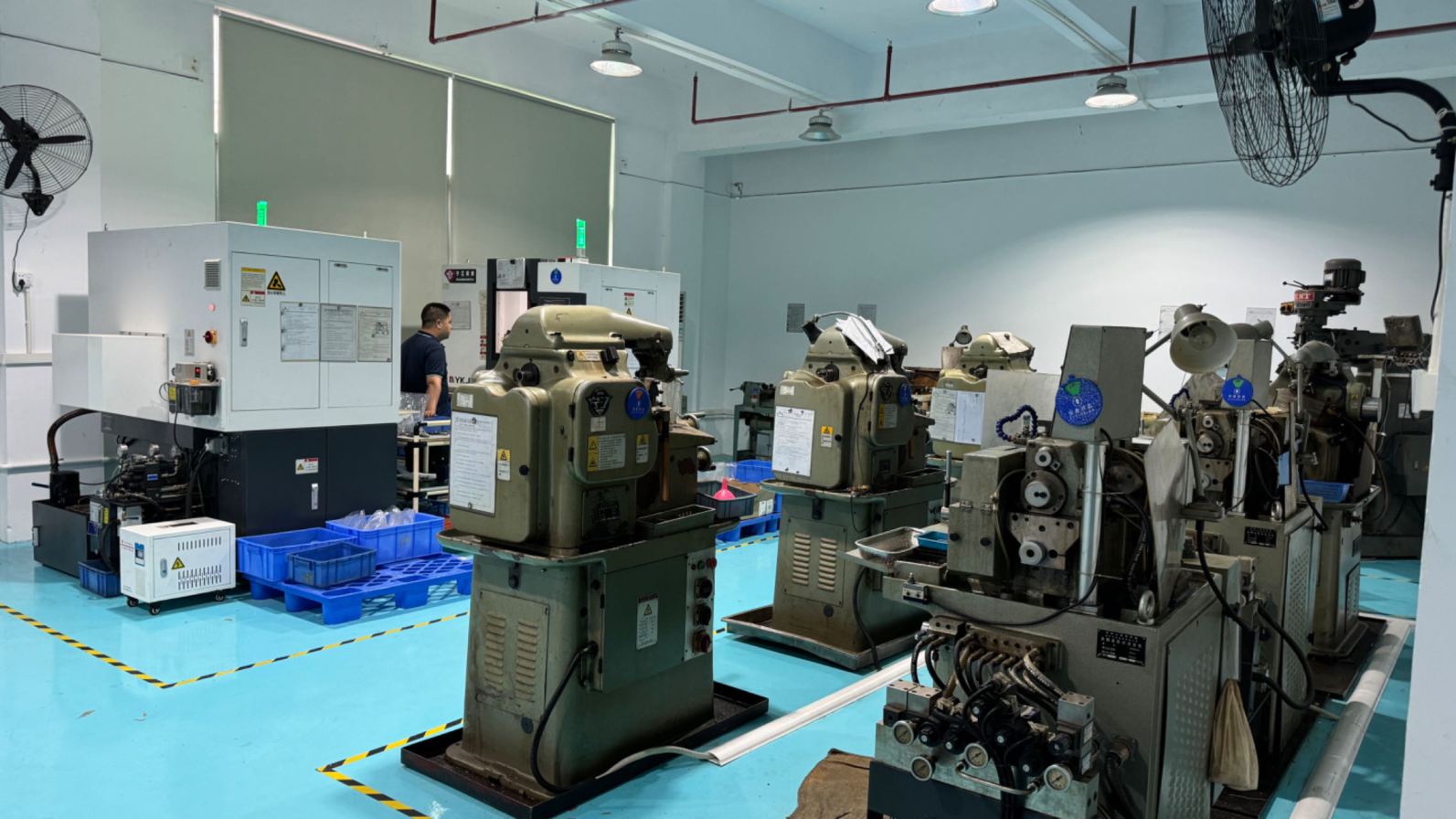
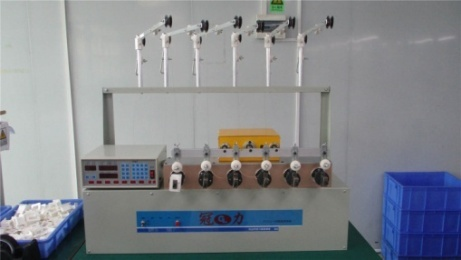
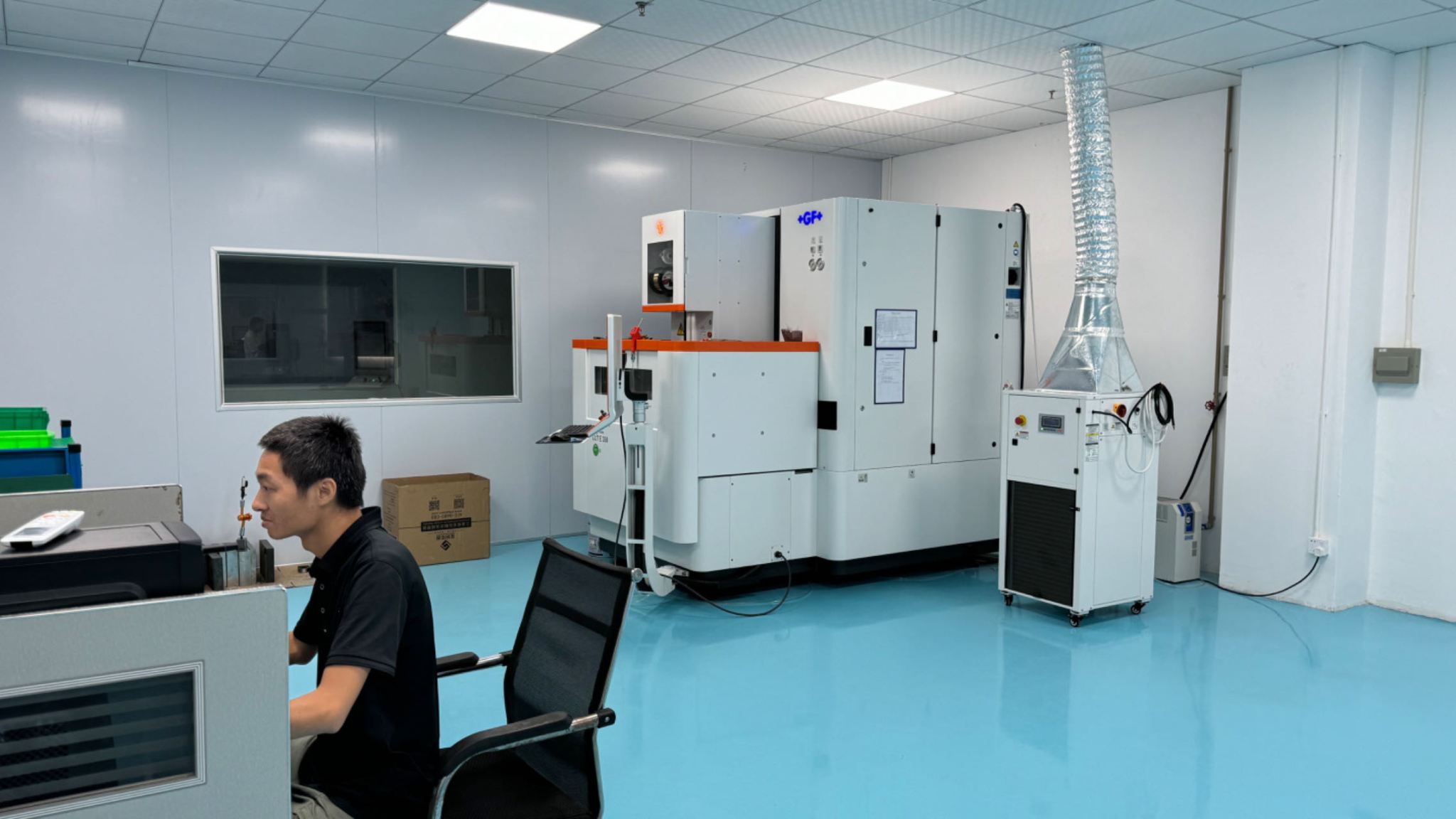
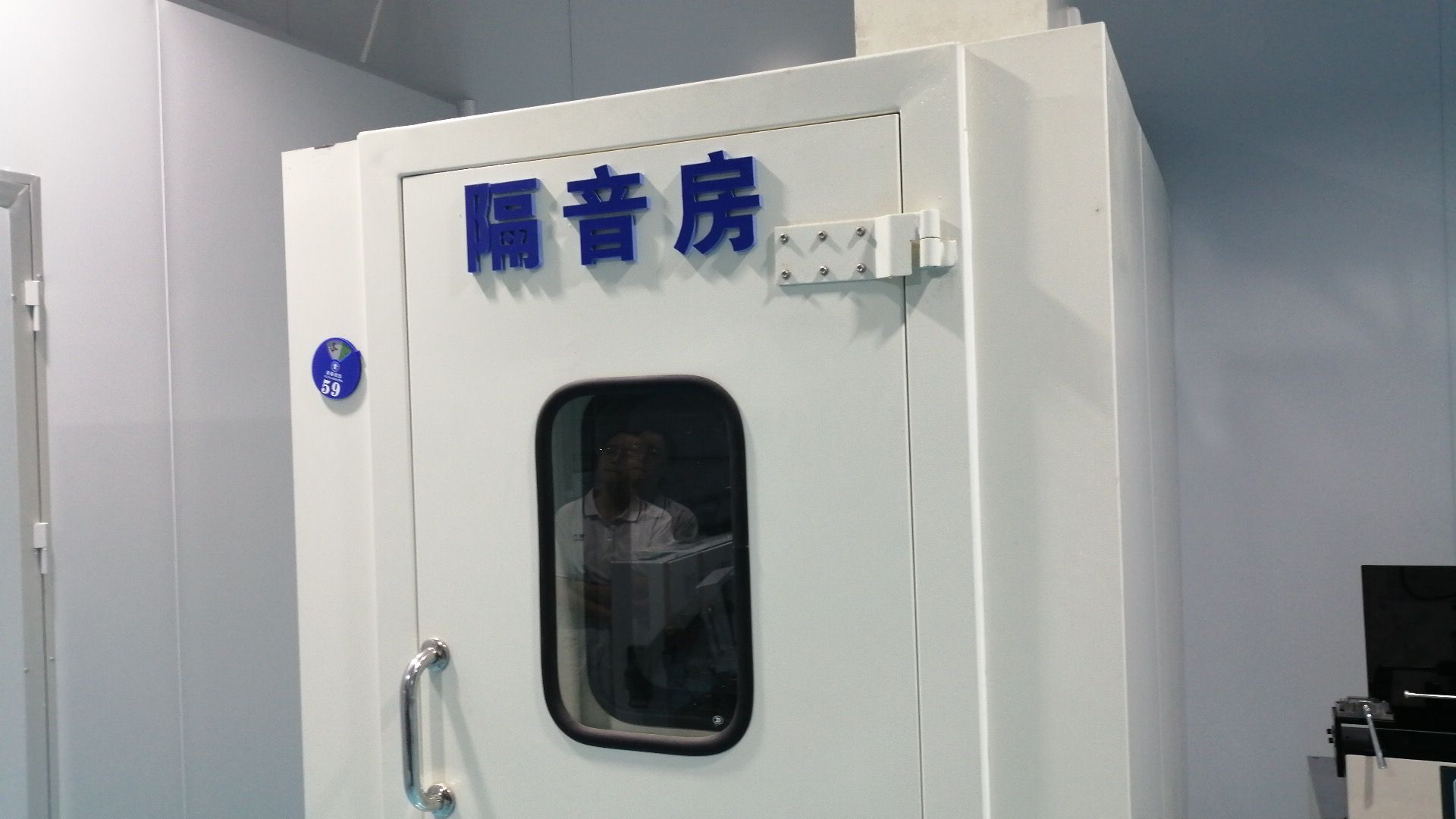
The transition of China from a "mass producer" to a "precision innovator" is best exemplified in the variable torque motor sector. For global enterprises, sourcing from a Variable Torque Motor Factory in China offers more than just cost savings; it offers a hyper-integrated supply chain ecosystem.
Our proximity to raw material suppliers (rare earth magnets, high-purity copper) allows us to move from CAD design to functional prototype in as little as 14 days, compared to the industry average of 45 days.
We own the entire process: from gear hobbing and wire winding to final acoustic testing. This eliminates the "quality drift" often seen when outsourcing components to sub-contractors.
Whether you need a pilot run of 1,000 units or a mass production of 1 million, our facilities are designed for flexible elasticity, ensuring lead times remain stable regardless of volume.
Variable torque motors are the unsung heroes of modern life. Here is how they are being utilized in specific high-growth sectors:
In smart blinds and automated locks, the motor must apply high torque to initiate movement and then switch to a low-torque, silent holding pattern. Our VTMs are designed for this exact duty cycle.
Infusion pumps and surgical robots require motors that can modulate torque to prevent tissue damage while maintaining absolute positional accuracy. We provide the "haptic feedback" capability required for these tasks.
Solar tracking systems use variable torque motors to adjust panels slowly against wind resistance, requiring high holding torque with minimal power consumption.
The Rise of "Software-Defined Motors": The next frontier is the integration of onboard DSPs (Digital Signal Processors). Instead of the torque being fixed by hardware, the motor's behavior can be updated via firmware. This allows for "Predictive Maintenance," where the motor detects its own wear patterns through torque fluctuations and alerts the user before a failure occurs.
 Viterra Motor