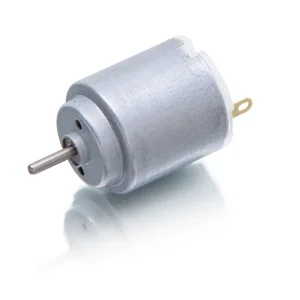
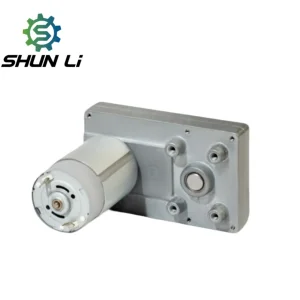
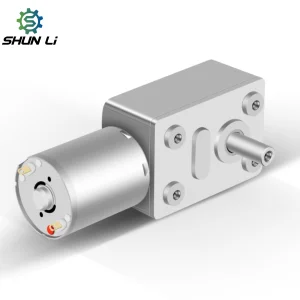
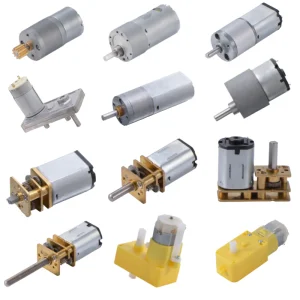
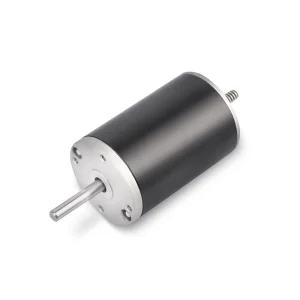
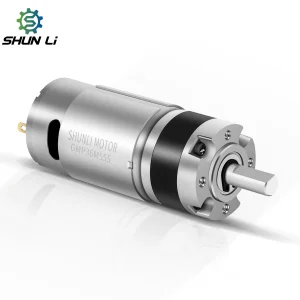
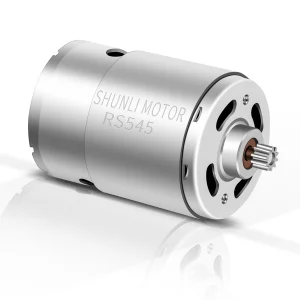
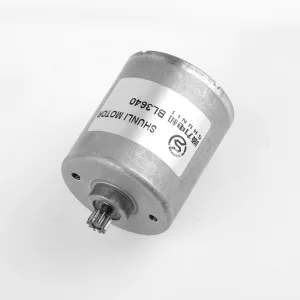
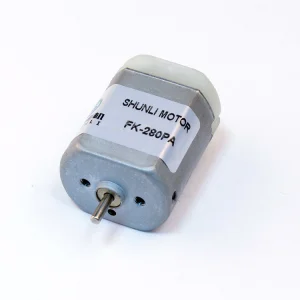
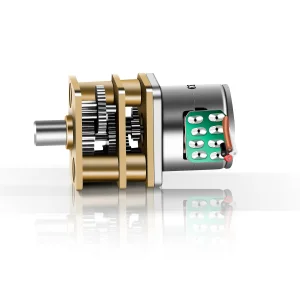
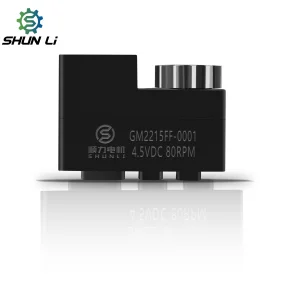
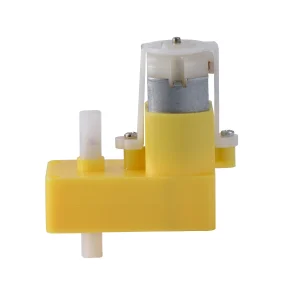
In a world of miniaturization, Viterra Motor specializes in packing massive torque into miniature spaces. Whether for premium robotic joints or medical valves, our micrometers-precision engineering ensures peak performance.
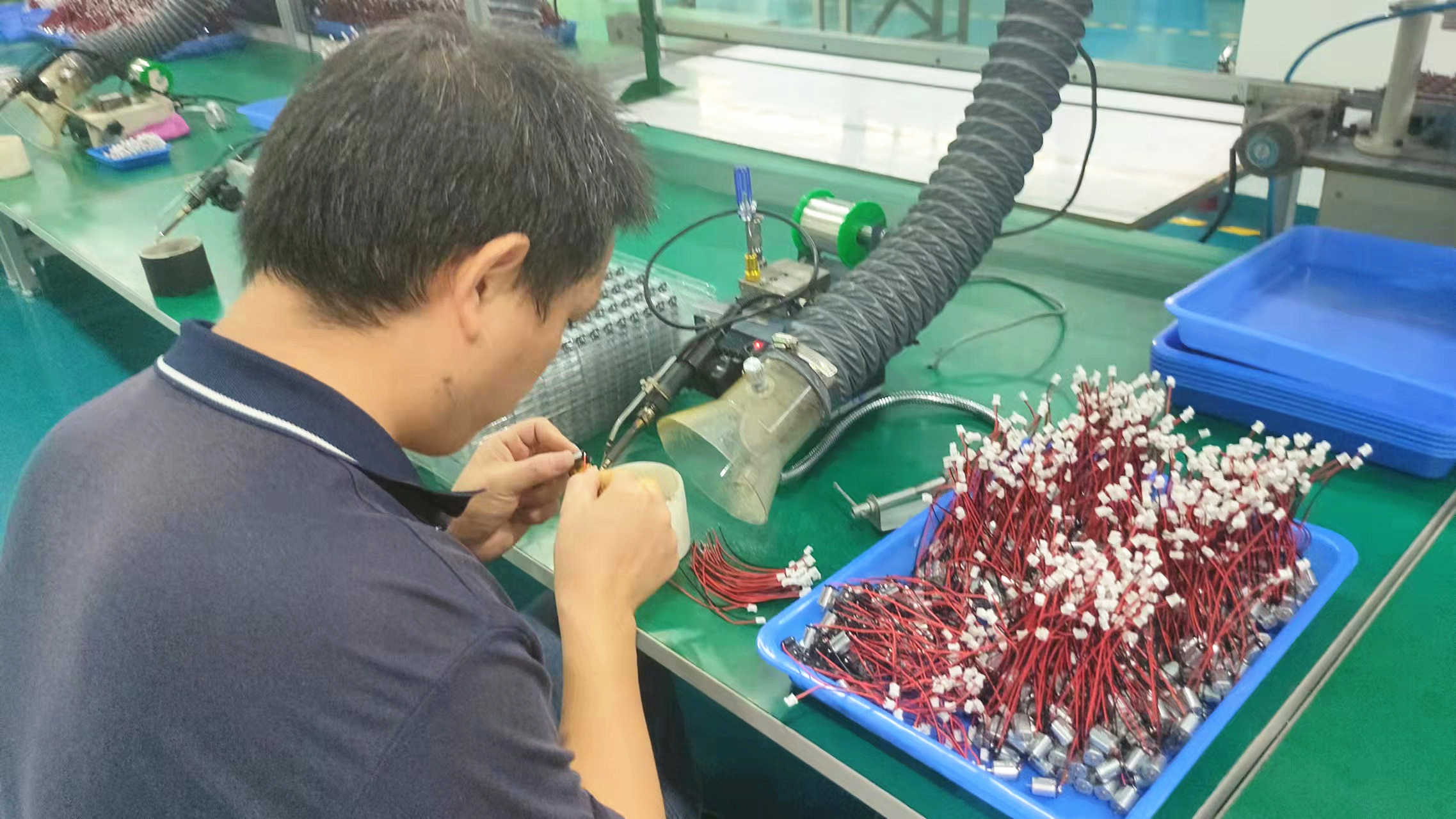
Our motors are core components in automated medical devices where zero-failure is the only standard. Utilizing precision-wound copper rotors and high-purity commutators to minimize friction and heat.
As Industry 4.0 matures, the demand for smart, responsive motors grows. Our zero-backlash planetary gear trains provide the fluid, whispering-quiet power essential for the next generation of AI-driven robotics.
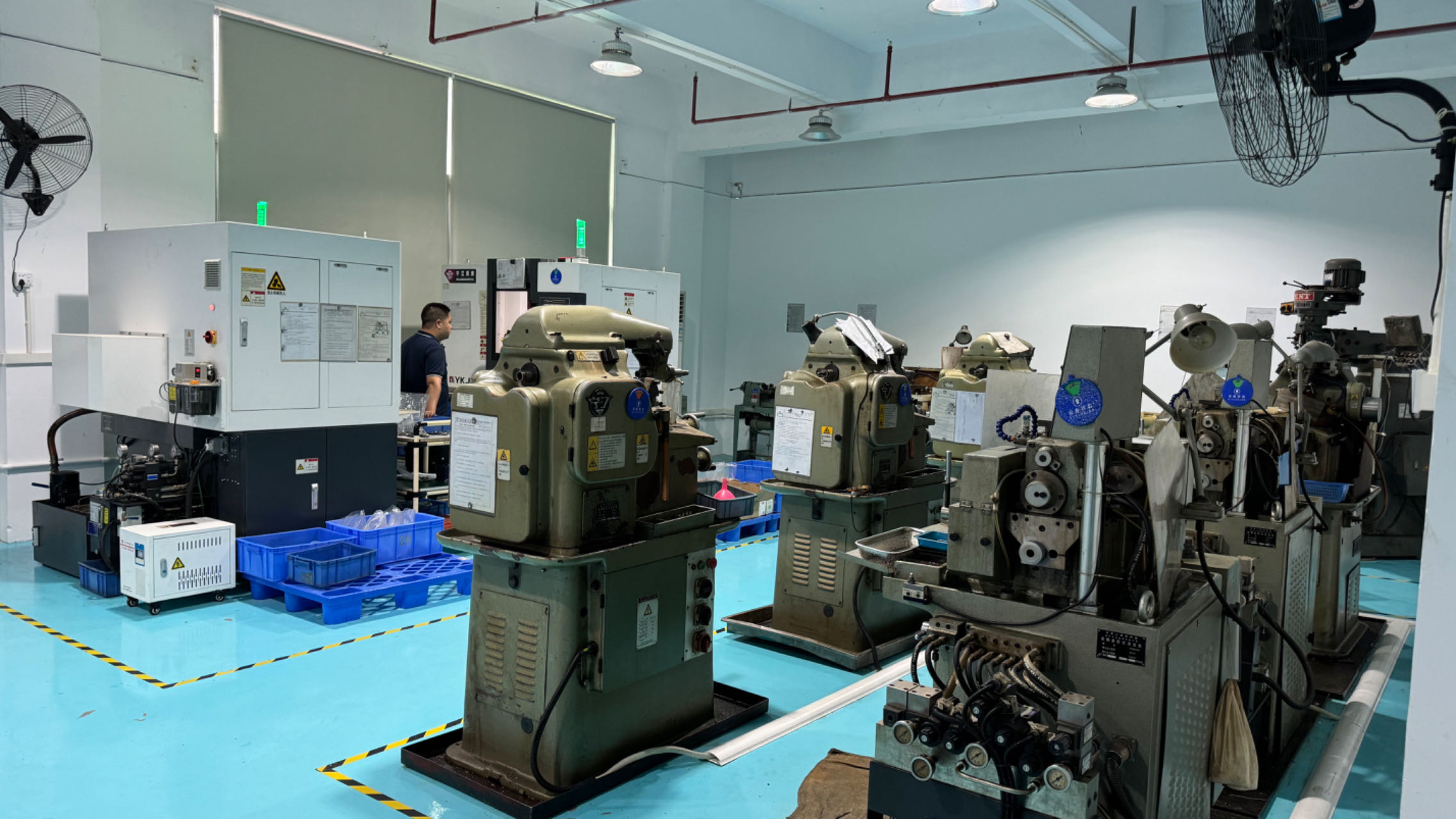
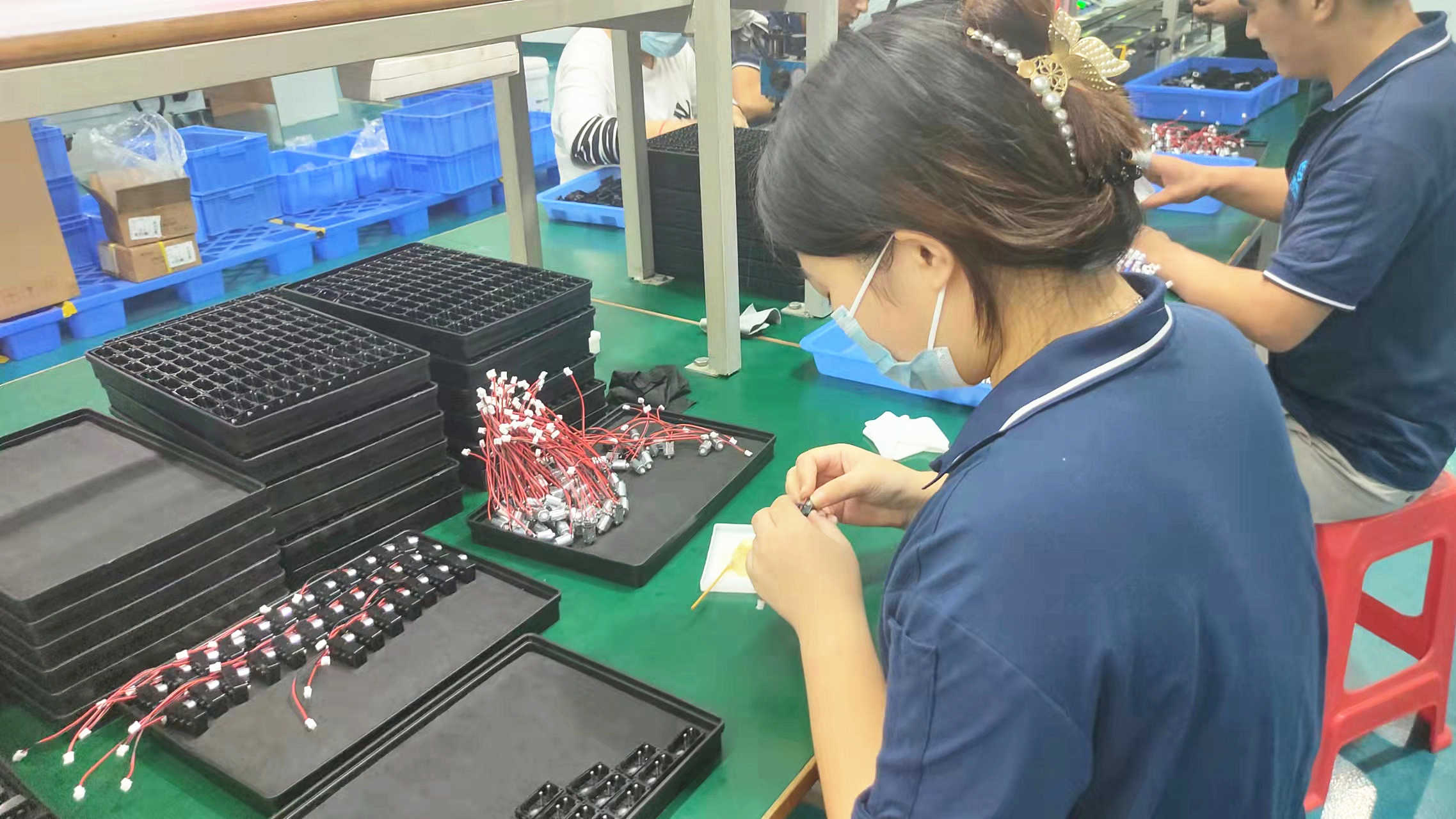
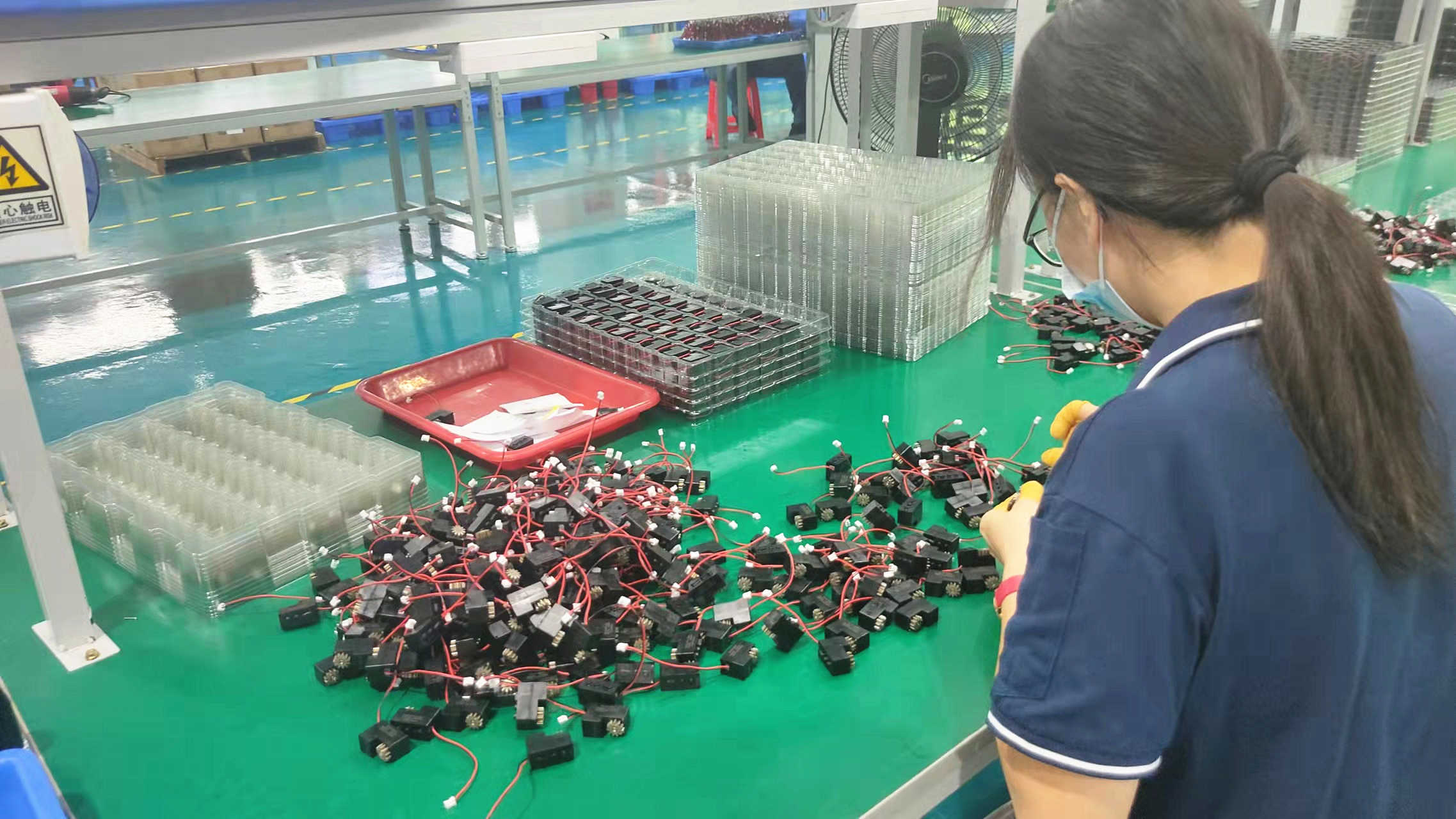
At Viterra Motor, we measure our manufacturing success in micrometers and decibels. Our mission is to take advanced, heavy-duty rotational power and compress it into the most compact, energy-efficient footprints imaginable. The internal components of every Viterra Motor are optimized for heat dissipation through advanced automated Swiss-style hobbing and Japanese dynamic balancing.


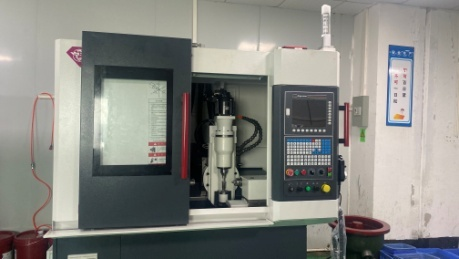
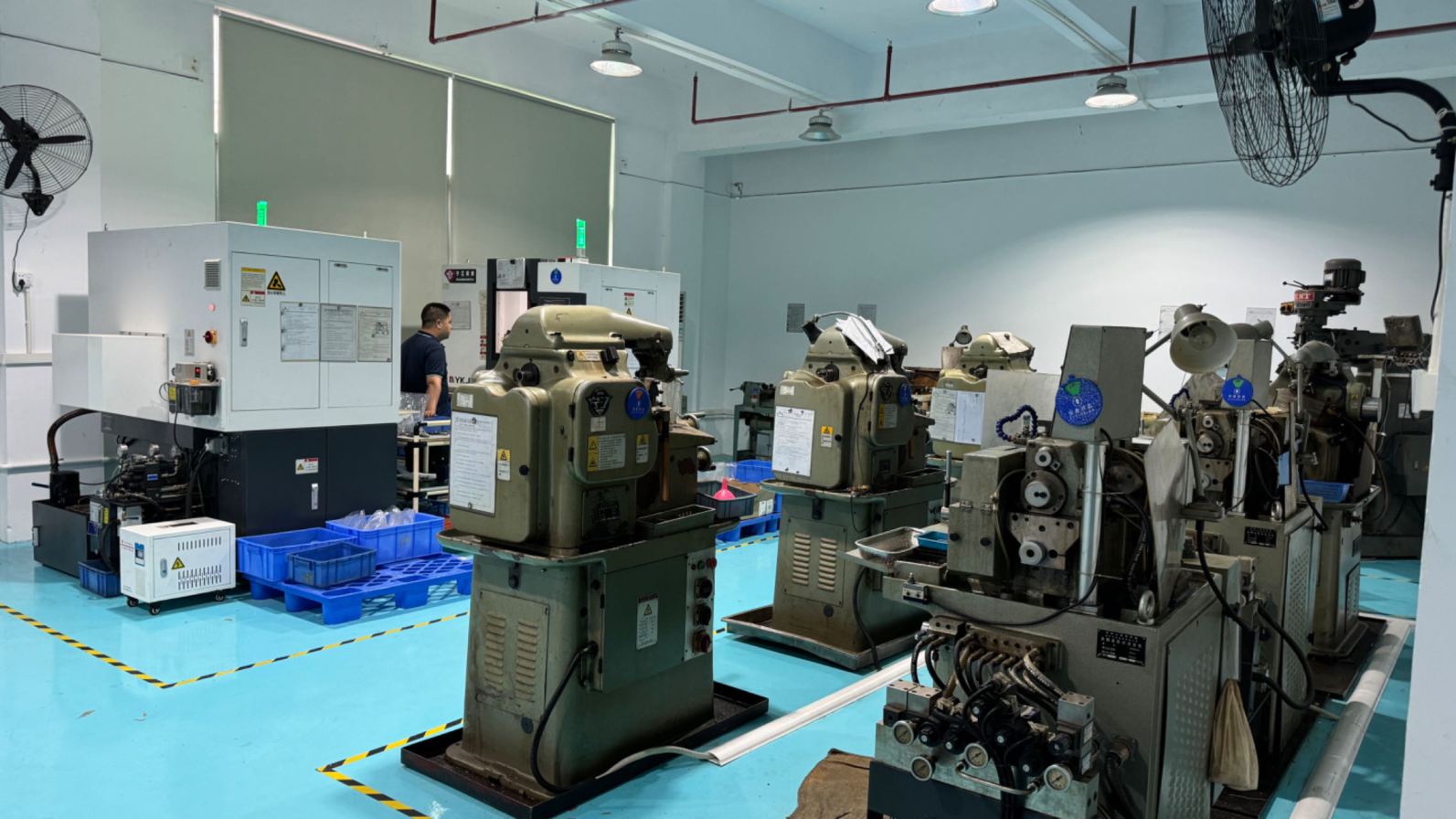
Transitioning from traditional brushed motors to Brushless DC (BLDC) technology, integrating IoT sensors for real-time performance monitoring and predictive maintenance in server cooling systems.
The rise of Electric Vehicles (EVs) and smart appliances has tripled the demand for energy-efficient cooling motors. Our production lines are scaling to meet these high-volume, high-specification needs.
Full adherence to CE, RoHS, and ISO 9001 standards. We provide localized technical support to ensure your product meets regional regulatory requirements across Europe, North America, and Asia.
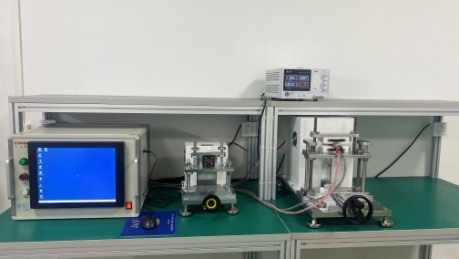
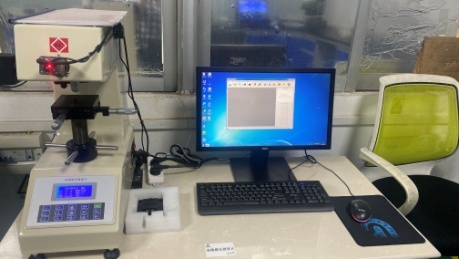
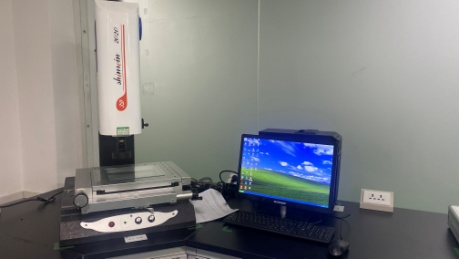
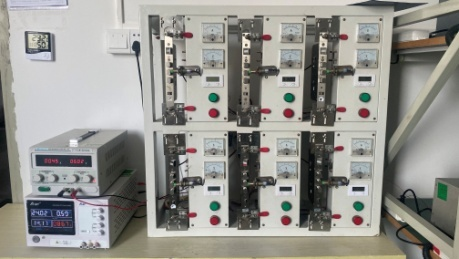
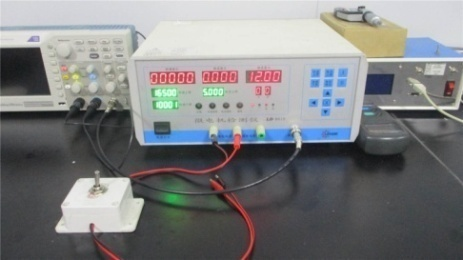
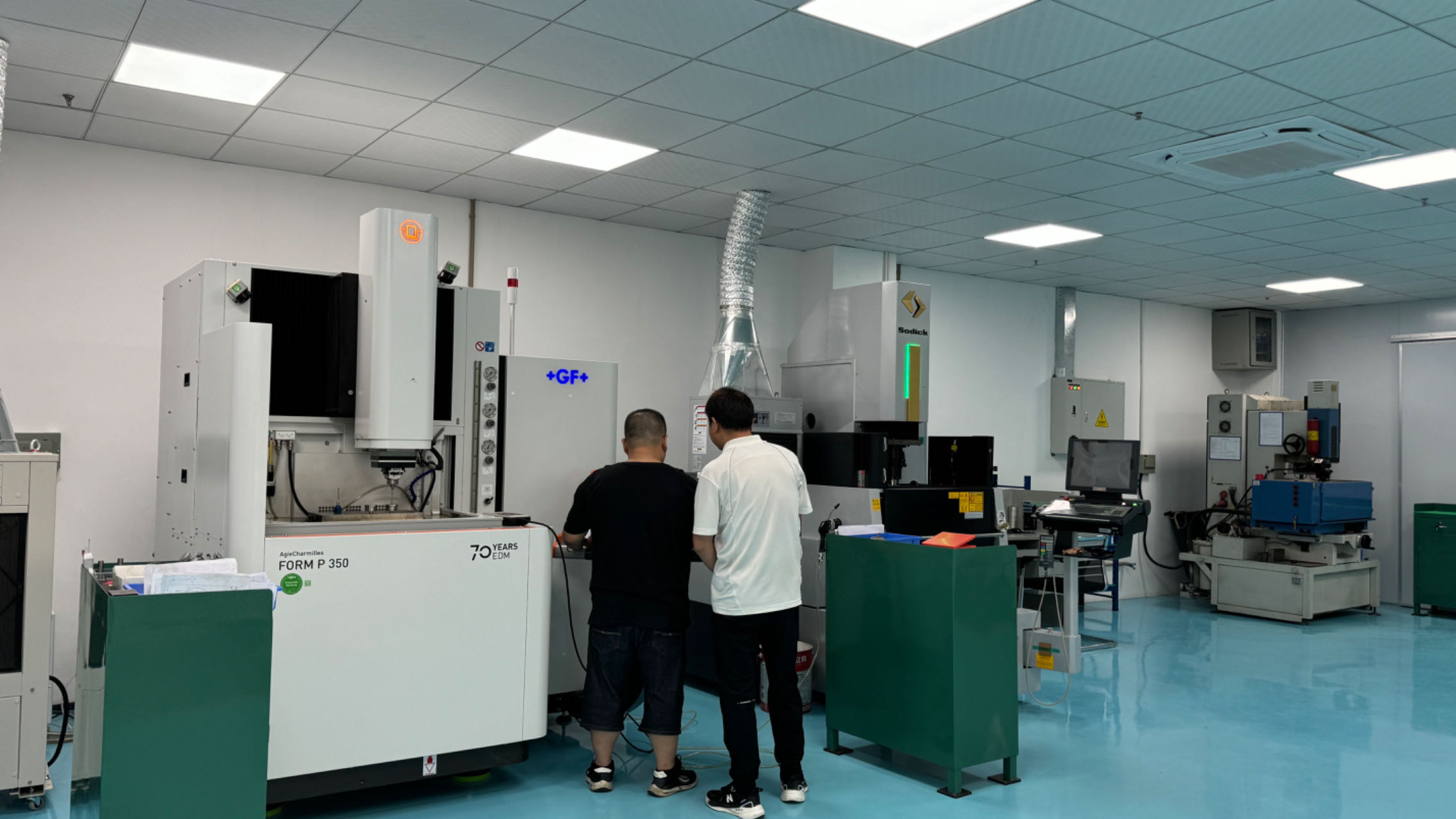
Custom OEM motors allow for precise matching of torque, speed, and size constraints, ensuring that your final product operates at peak efficiency without the bulk of off-the-shelf components. Viterra Motor provides bespoke winding and gearing ratios to fit unique applications.
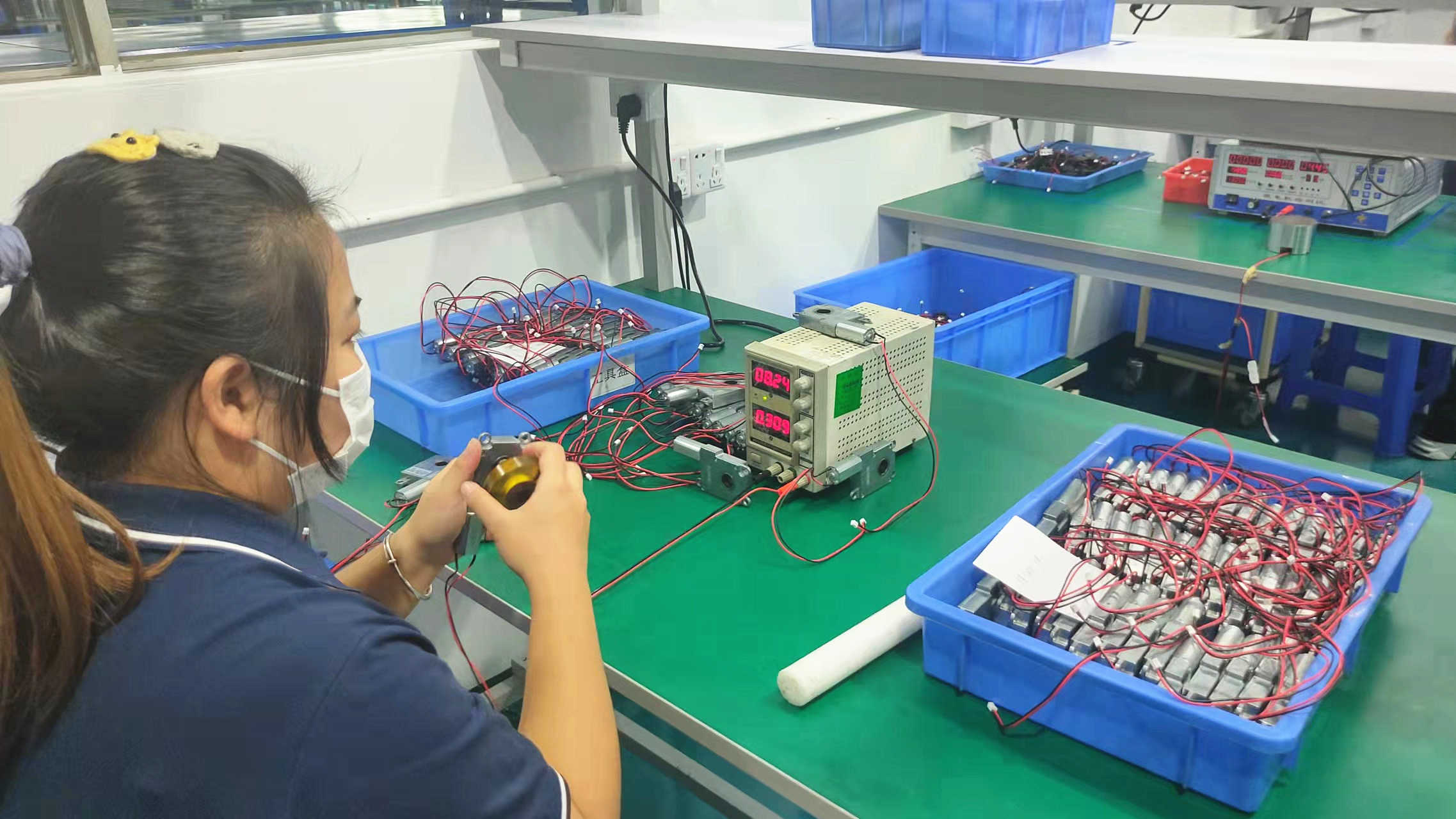
We utilize a dedicated Noise Testing Chamber and high-precision Japanese dynamic balancing machines. Every batch undergoes acoustic profiling to ensure decibel levels remain within the strict requirements of smart home and medical environments.
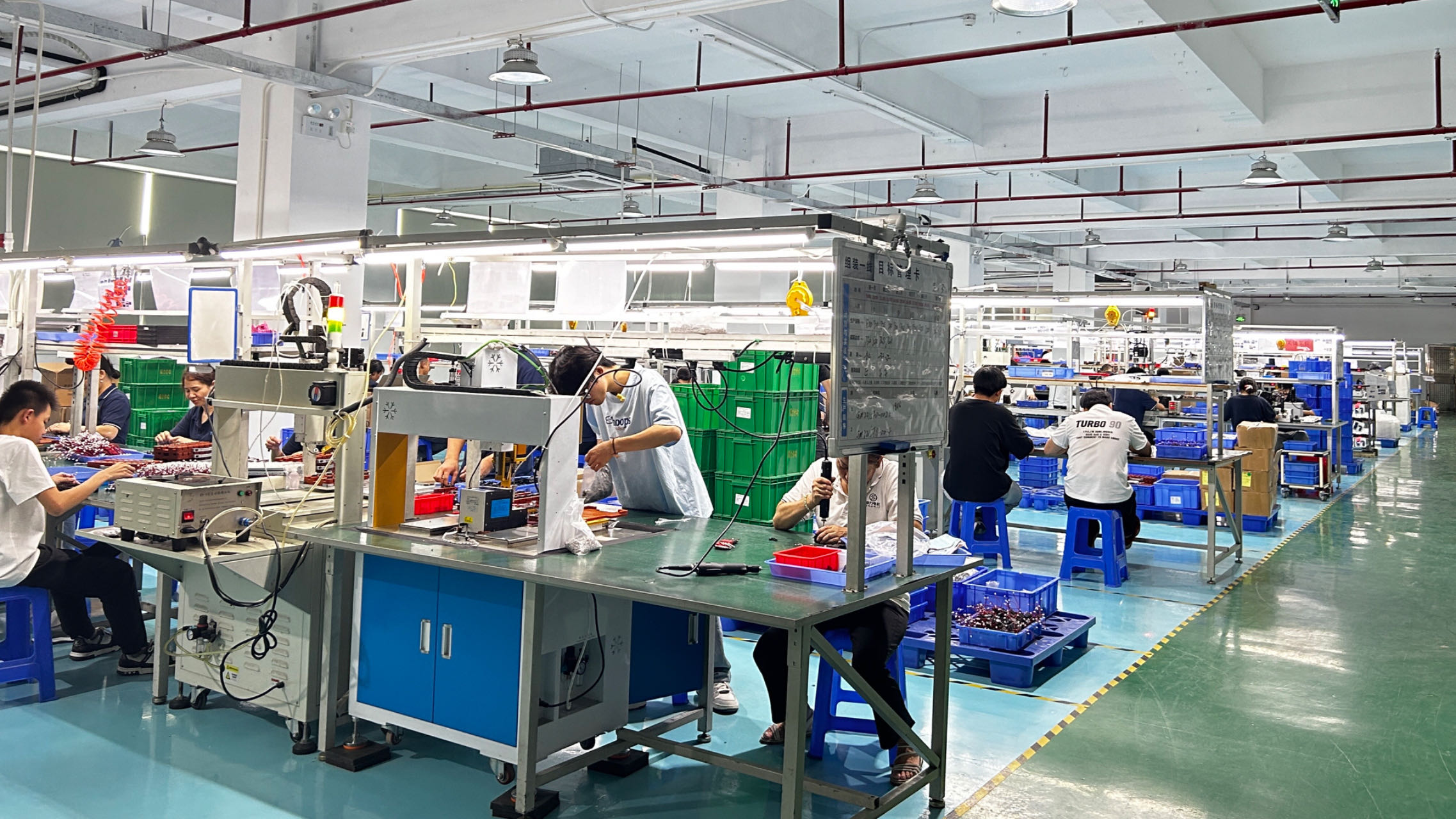
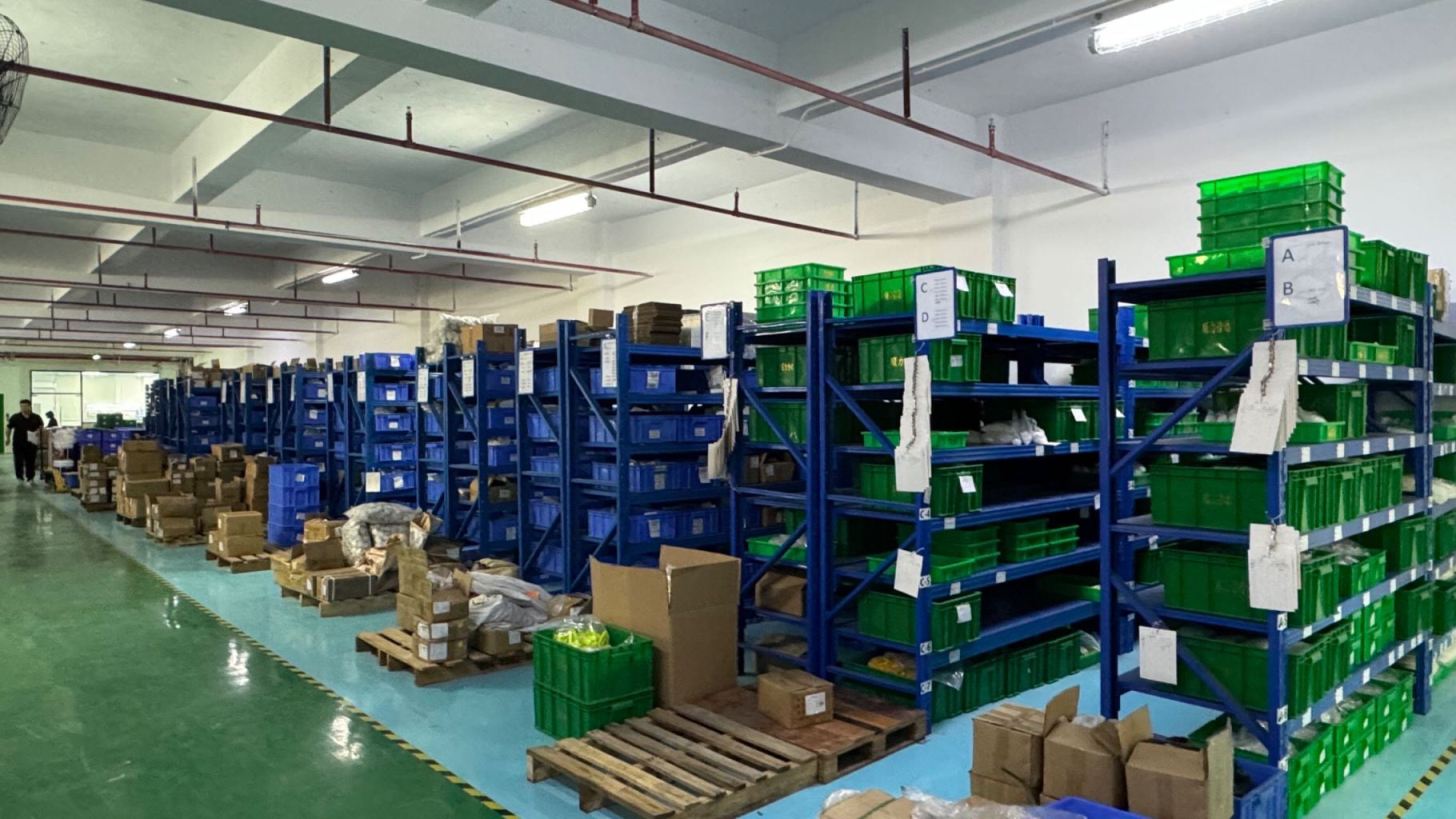
Standard prototype development usually takes 3-4 weeks, depending on the complexity of the gearbox and specific shaft requirements. Mass production lead times are optimized through our semi-automated assembly lines.
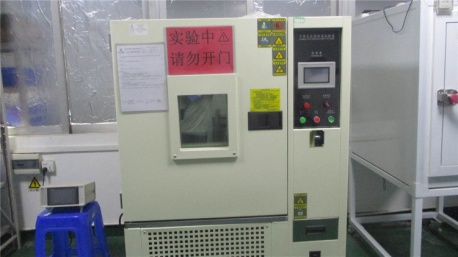
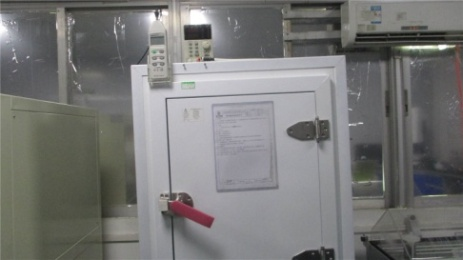
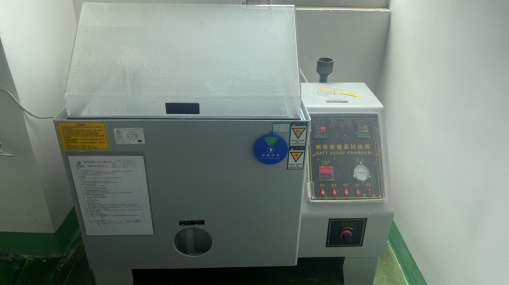
Yes. We use Salt Spray Testing and Programmable Constant Temperature/Humidity chambers to validate our motors for outdoor or industrial use, ensuring corrosion resistance and thermal stability from -40°C to +85°C.
 Viterra Motor