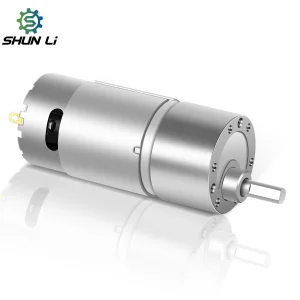
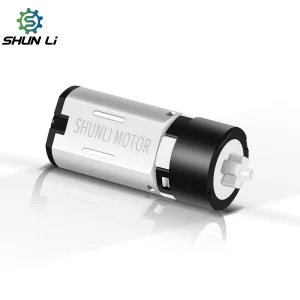
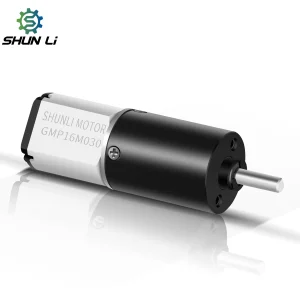
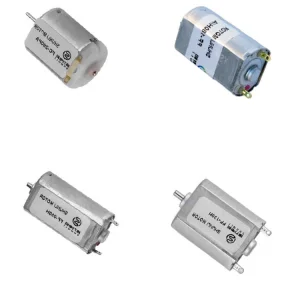
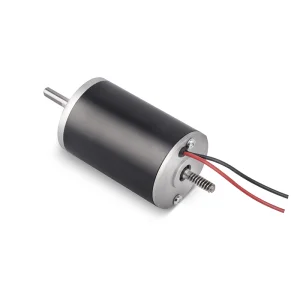
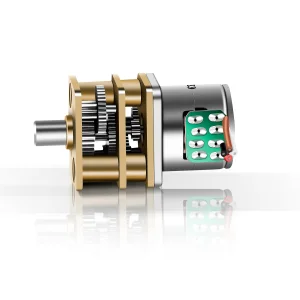
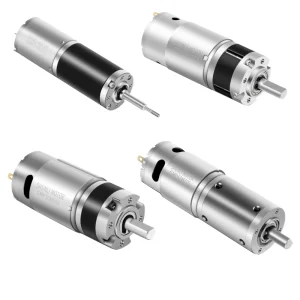
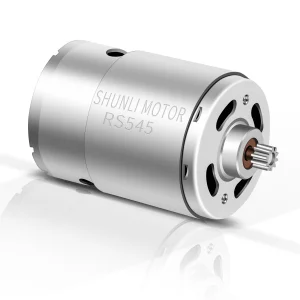
High-Torque, Low-Energy Consumption Micro Motors for Global Industrial Applications
In the contemporary industrial landscape, the demand for CE Certified Low Friction Motors has reached an unprecedented peak. As the global community pivots toward "Net Zero" emissions, the efficiency of electromechanical systems has become a critical performance indicator. Friction, the historical nemesis of mechanical longevity and energy conservation, accounts for approximately 20% to 30% of global primary energy consumption in industrial systems. Consequently, manufacturers and exporters specializing in low-friction architecture are no longer just component suppliers; they are essential partners in energy sustainability.
From the automated assembly lines of the Ruhr Valley in Germany to the burgeoning smart factory hubs in Shenzhen and the medical device clusters in Massachusetts, low friction motors are the silent workhorses. Market research indicates a CAGR of 6.5% for high-efficiency micro-motors, driven primarily by the electrification of everything—from automotive secondary systems to portable diagnostic medical equipment. As a leading Low Friction Motor Exporter, we recognize that "efficiency" is now a regulatory mandate, not just a marketing preference.

Inside a premium robotic joint, an automated medical valve, or a high-end smart lock, space is the ultimate luxury. At Viterra Motor, we measure our manufacturing success in micrometers and decibels. Our mission is to take advanced, heavy-duty rotational power and compress it into the most compact, energy-efficient footprints imaginable.
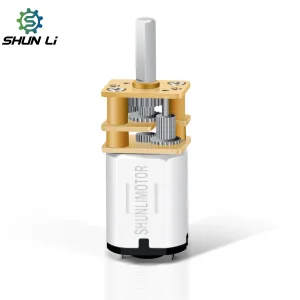
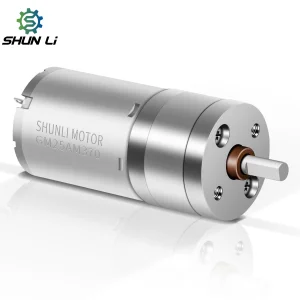
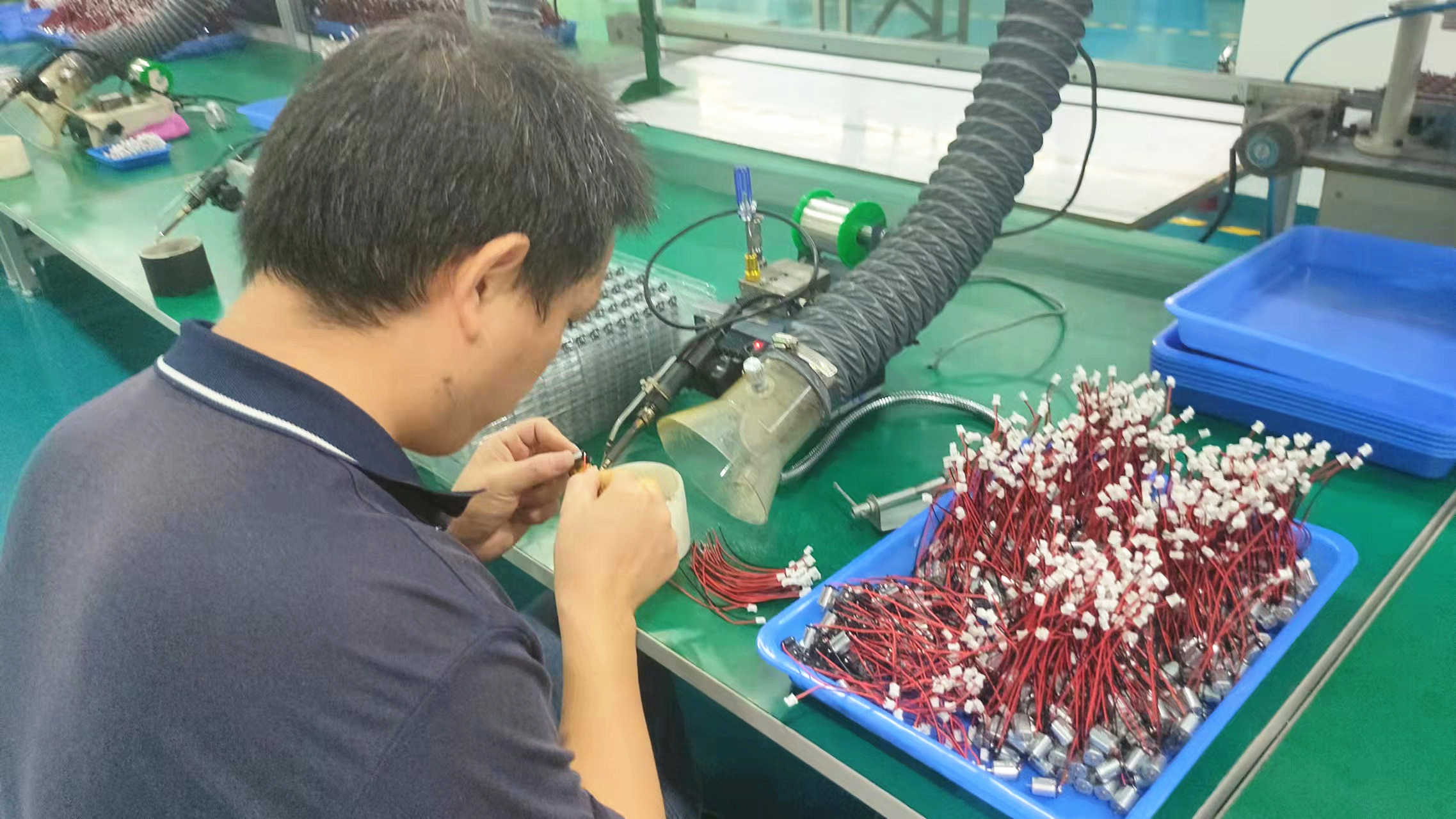
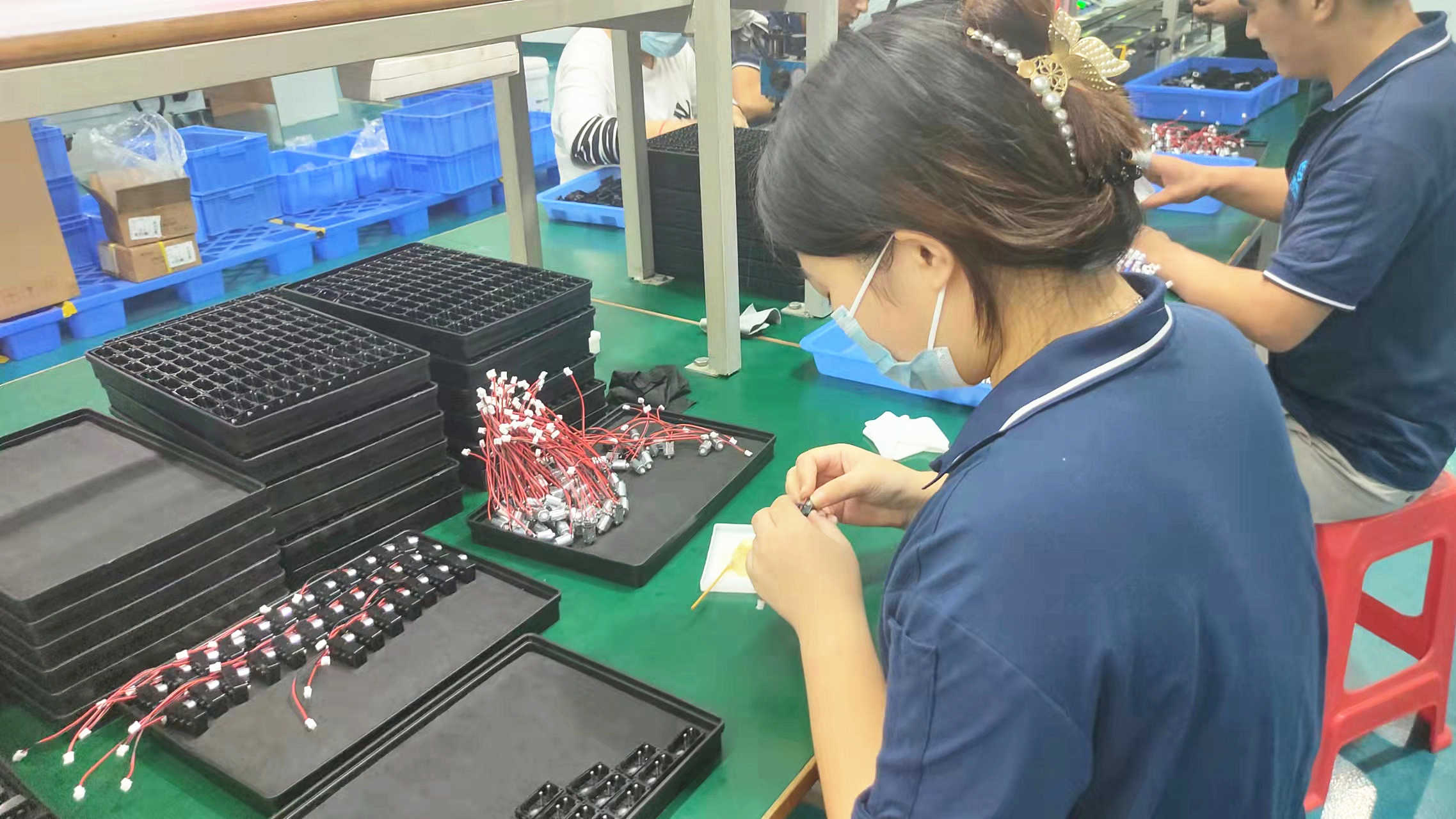
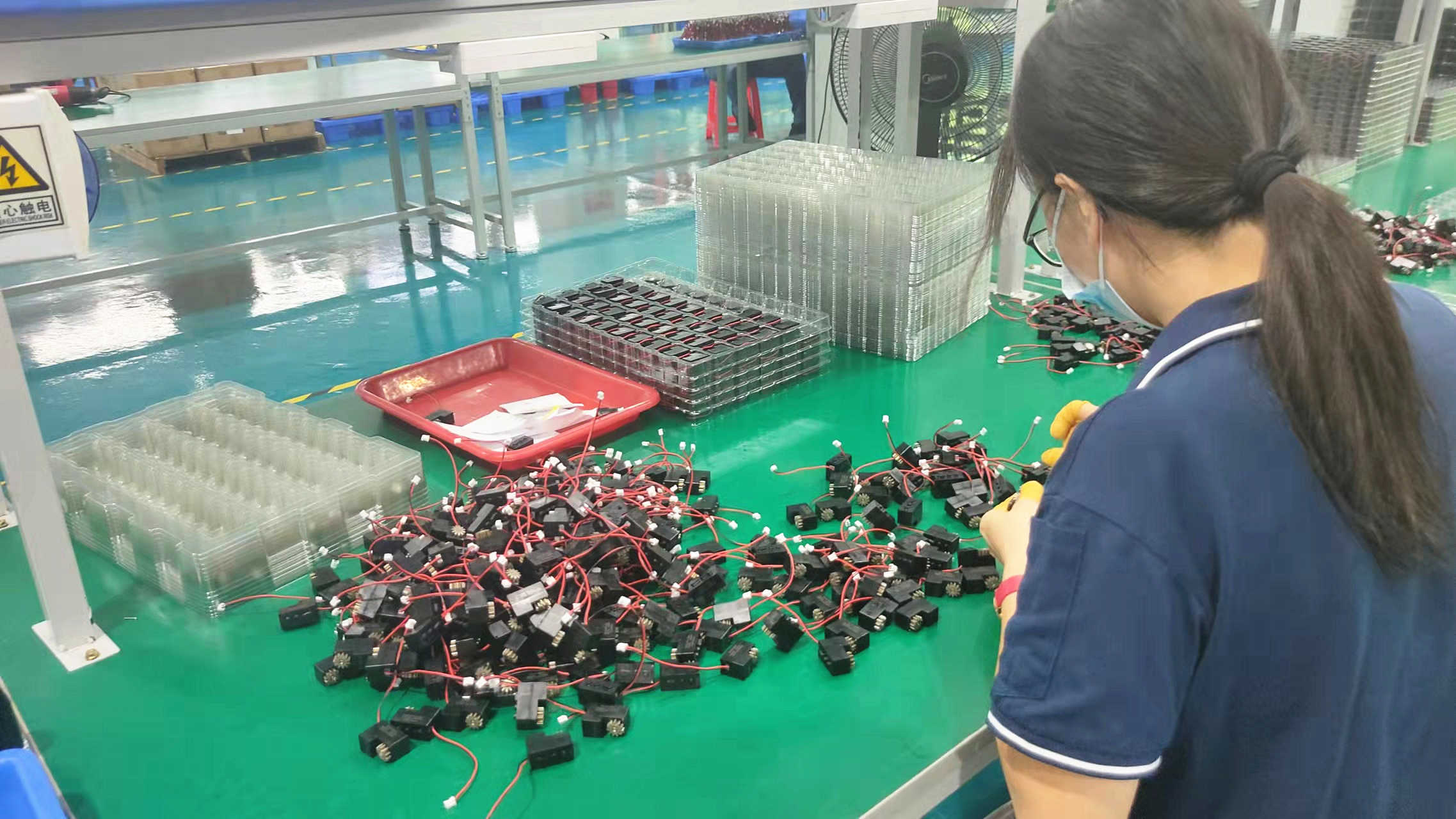
Our expertise lies in the micro-details of motion control. From precision-wound copper rotors and high-purity commutators to zero-backlash planetary gear trains, every single internal component of a Viterra Motor motor is optimized to eliminate friction and maximize heat dissipation.
Utilizing aerospace-grade lubricants and diamond-like carbon (DLC) coatings to reduce surface resistance by up to 40% compared to standard brushed motors.
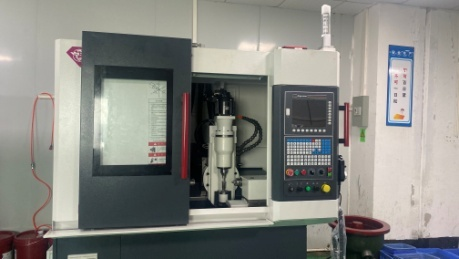
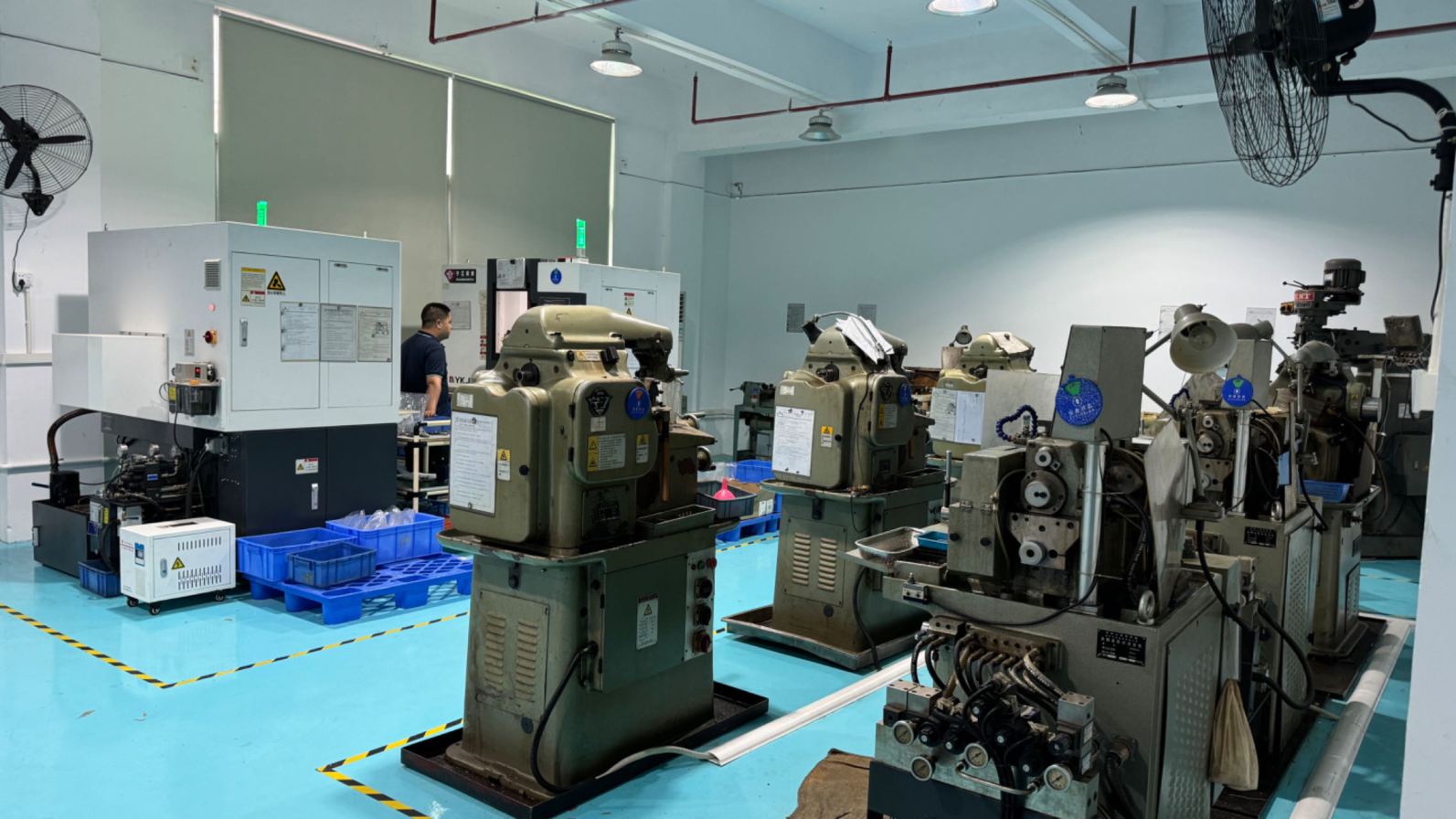
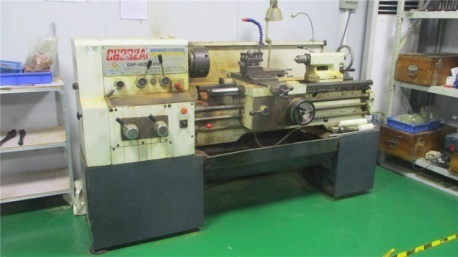
Our Swiss-style hobbing machines produce gears with sub-micron tolerances, ensuring smooth power transmission and eliminating parasitic energy loss.
Oxygen-free copper windings and N52 Neodymium magnets maximize flux density while minimizing eddy current losses within the motor housing.
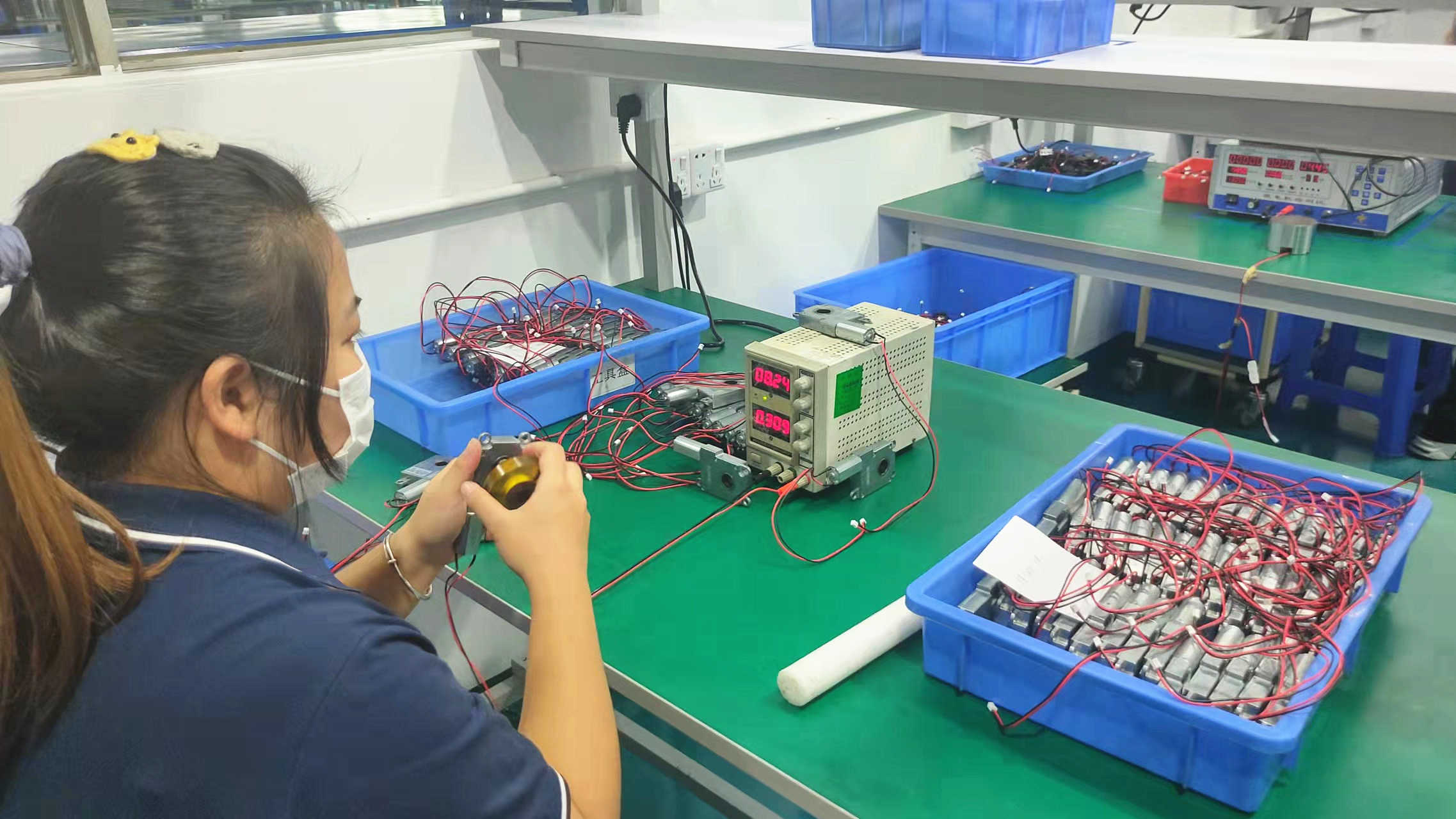
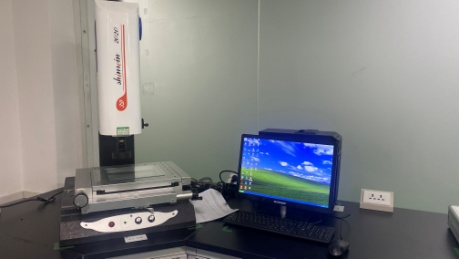
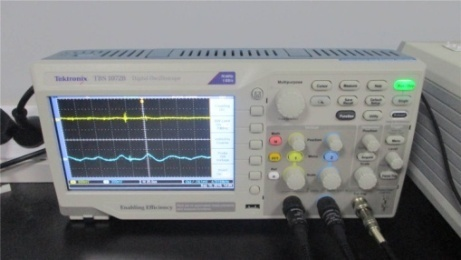
Every step, from raw material to final testing, is conducted under rigorous CE and ISO quality frameworks.

The application of Low Friction Motors transcends simple rotation. We provide architectural motion solutions across diverse sectors:
The future of low friction motor manufacturing lies in the integration of Smart Sensors and Material Science. We are currently developing our "Gen-Next" series which incorporates:
As a global exporter, we are aligning our roadmap with the EU's Ecodesign for Sustainable Products Regulation (ESPR), ensuring that every motor we export is ready for the circular economy.
CE certification indicates that our motors comply with EU health, safety, and environmental protection standards. This is crucial for exporters as it allows legal entry into the European Economic Area (EEA), ensuring high levels of reliability and user safety.
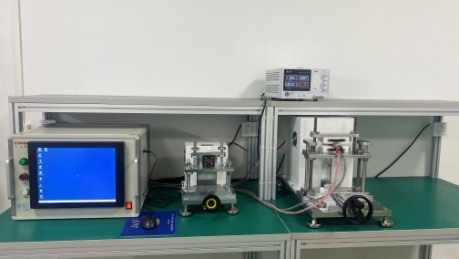
We use sophisticated Dynamometer Machines and Magnetic Powder Testing to measure the starting torque and running friction. Our goal is to minimize the "break-away" torque required to start the motor, which is a key indicator of internal friction.
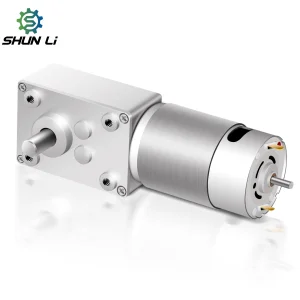
Yes. Utilizing our High Precision Horizontal Gear Hobbing Machines, we can customize planetary and worm gear ratios to provide the exact balance of torque and speed required for your specific application, whether it's a slow-moving medical pump or a high-speed industrial fan.
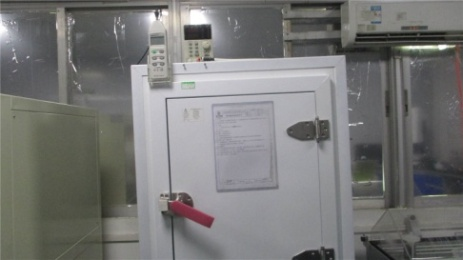
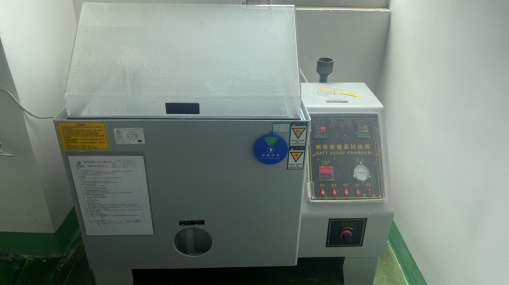
Every motor design undergoes Salt Spray Testing and Programmable Constant Temperature & Humidity Testing. This ensures that the low-friction coatings and internal components do not degrade under oxidative or high-moisture conditions.
 Viterra Motor