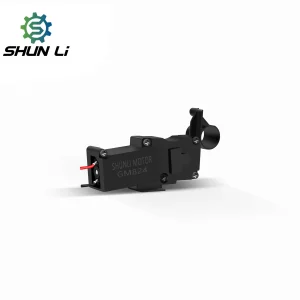
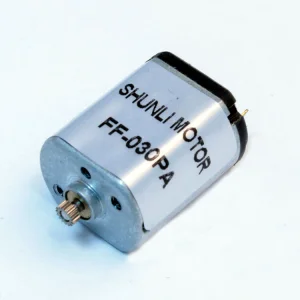
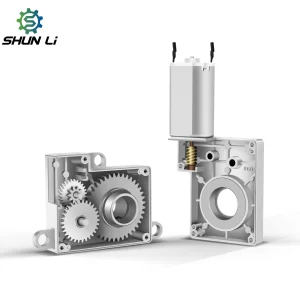
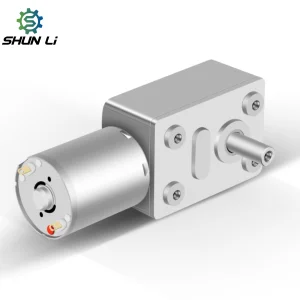
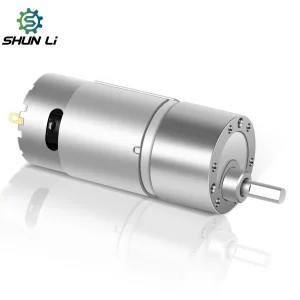
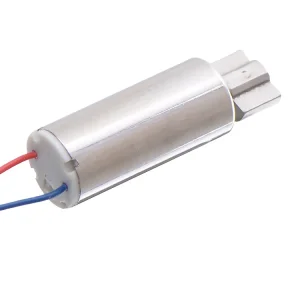
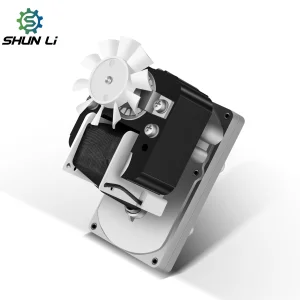
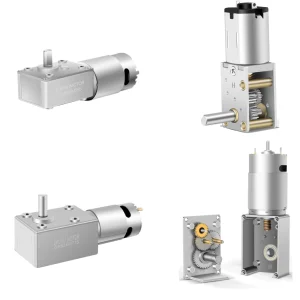
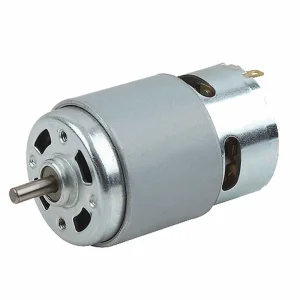
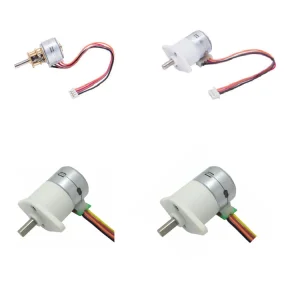
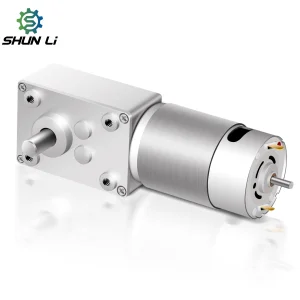
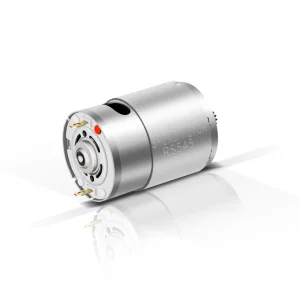
In the contemporary industrial era, the demand for multi-purpose motors has transcended simple rotation. As we move deeper into the Industry 4.0 paradigm, global enterprises are seeking motors that offer high torque density, ultra-quiet operation, and extreme longevity in miniaturized footprints. Whether it is a high-precision medical pump, an autonomous drone, or an AI-driven smart lock, the "heart" of the device is the motor.
Today, the global multi-purpose motor market is estimated at billions of dollars, with a shift toward High-Efficiency (IE4/IE5) standards. Companies are moving away from generic components toward customized, application-specific gear motors that integrate sensing technology (encoders) and advanced control circuits. This "intelligent motion" trend is driving suppliers to innovate at the material level, using higher-purity copper and neodymium magnets to maximize the Information Gain in every mechanical cycle.
Inside a premium robotic joint, an automated medical valve, or a high-end smart lock, space is the ultimate luxury. At Viterra Motor, we measure our manufacturing success in micrometers and decibels. Our mission is to take advanced, heavy-duty rotational power and compress it into the most compact, energy-efficient footprints imaginable.
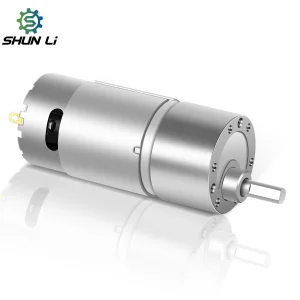
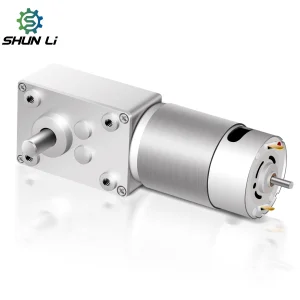
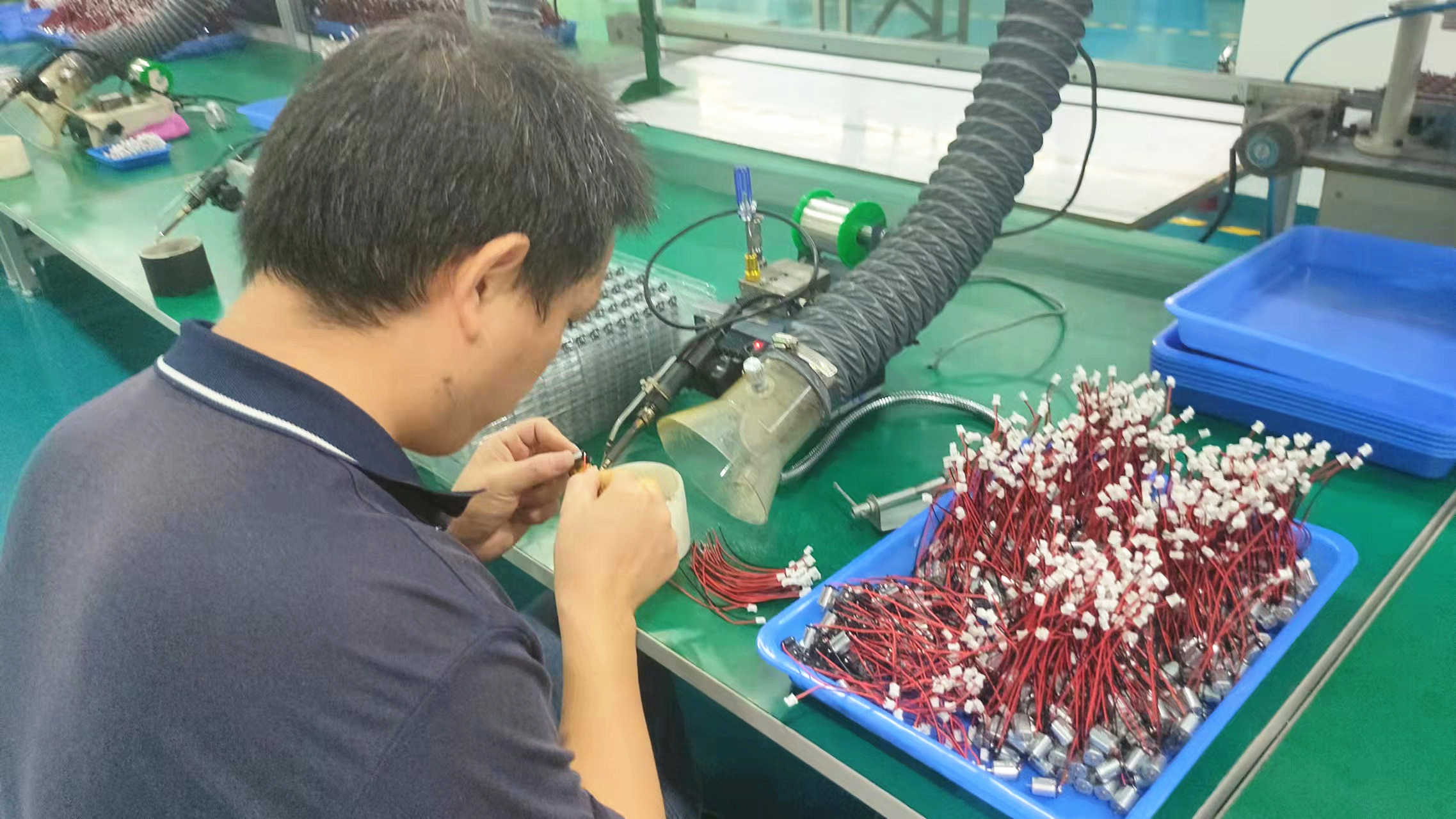
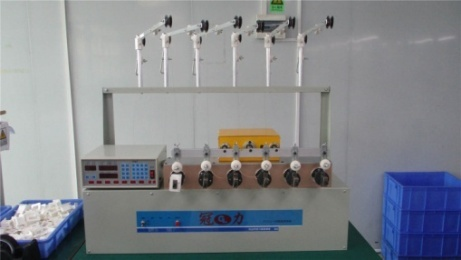
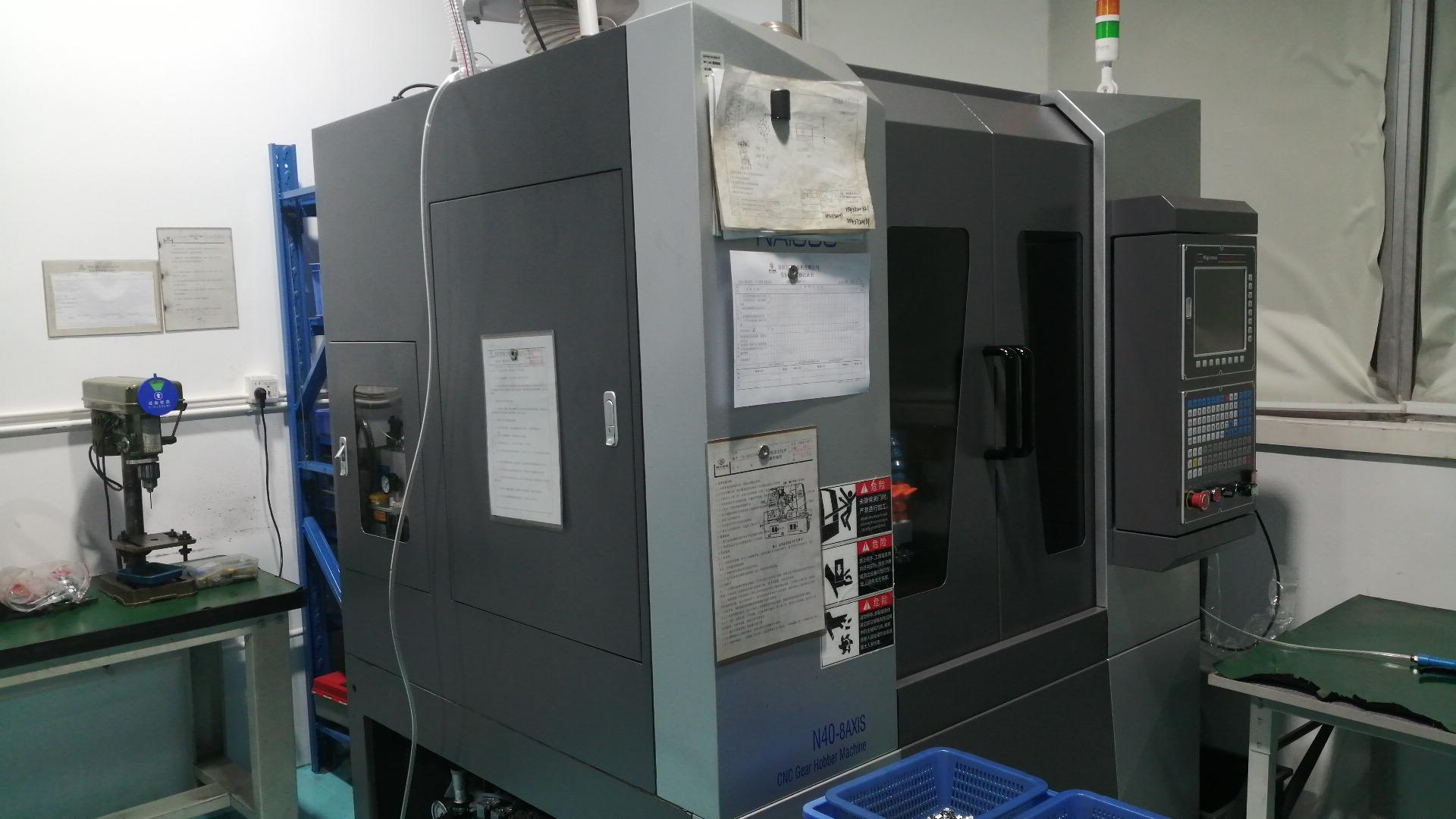
Our expertise lies in the micro-details of motion control. From precision-wound copper rotors and high-purity commutators to zero-backlash planetary gear trains, every single internal component of a Viterra Motor motor is optimized to eliminate friction and maximize heat dissipation. By combining advanced automated Swiss-style hobbing with Japanese dynamic balancing, we ensure our micro drives deliver the fluid, whispering-quiet power your brand promises. When your next high-tech innovation relies on repeated mechanical perfection, let Viterra Motor be the core that spins it forward.
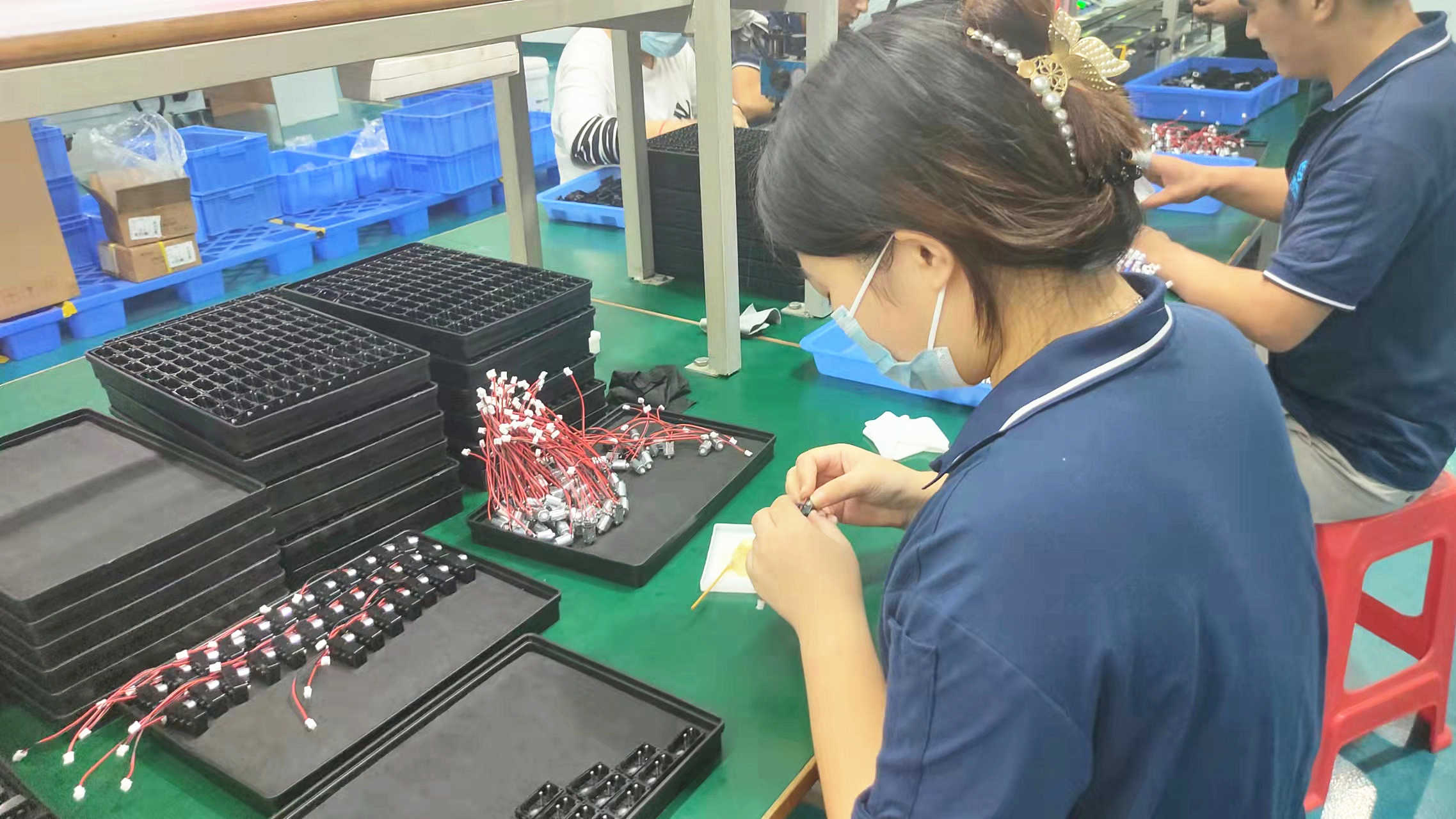
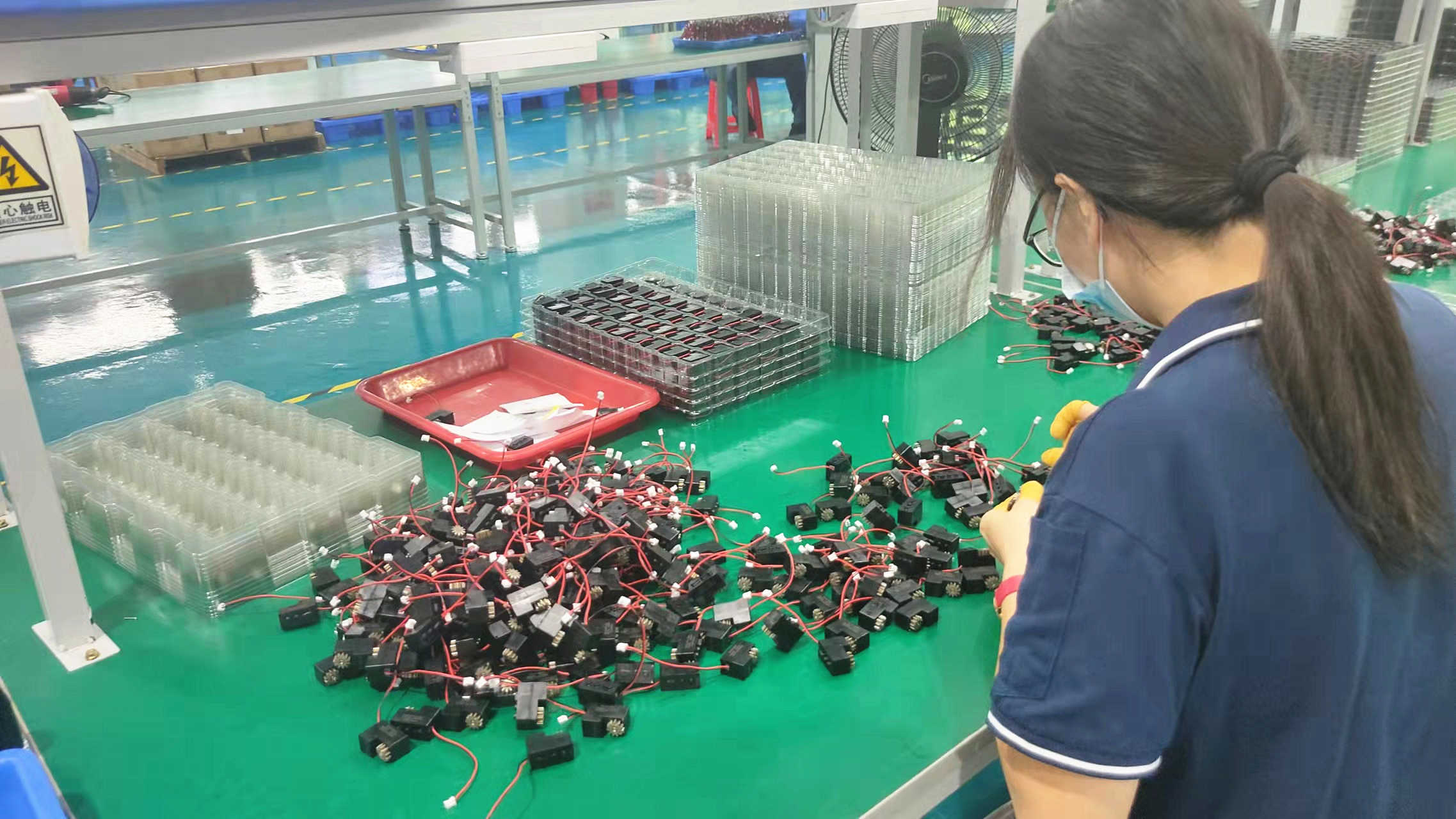
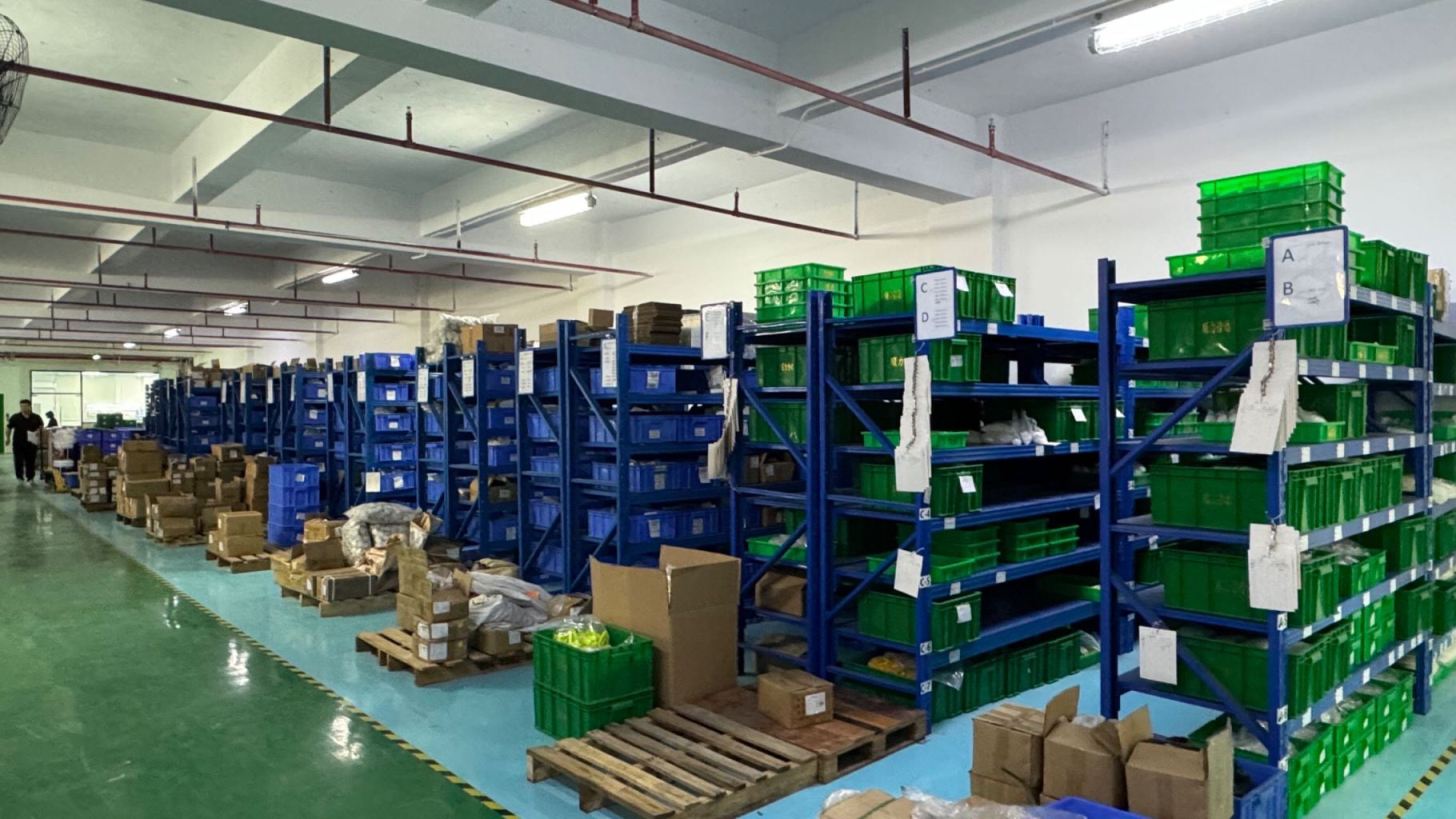
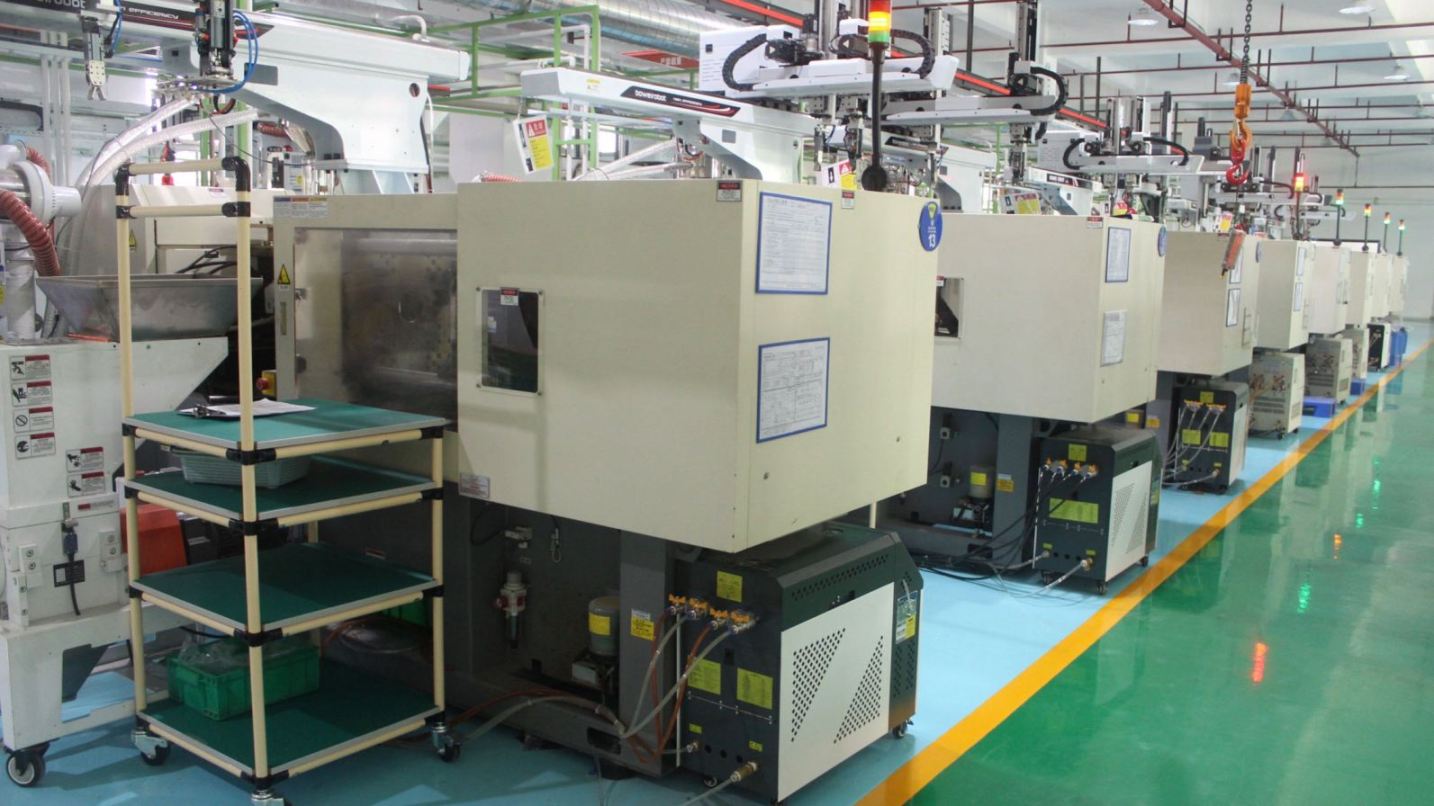
The manufacturing of micro-motors in China has evolved from mass production to high-precision customization. The localized supply chain allows for the rapid integration of raw material procurement, precision gear hobbing, and automated assembly. This ecosystem reduces lead times by 40% compared to Western counterparts while maintaining rigorous quality control standards like ISO9001 and IATF16949.
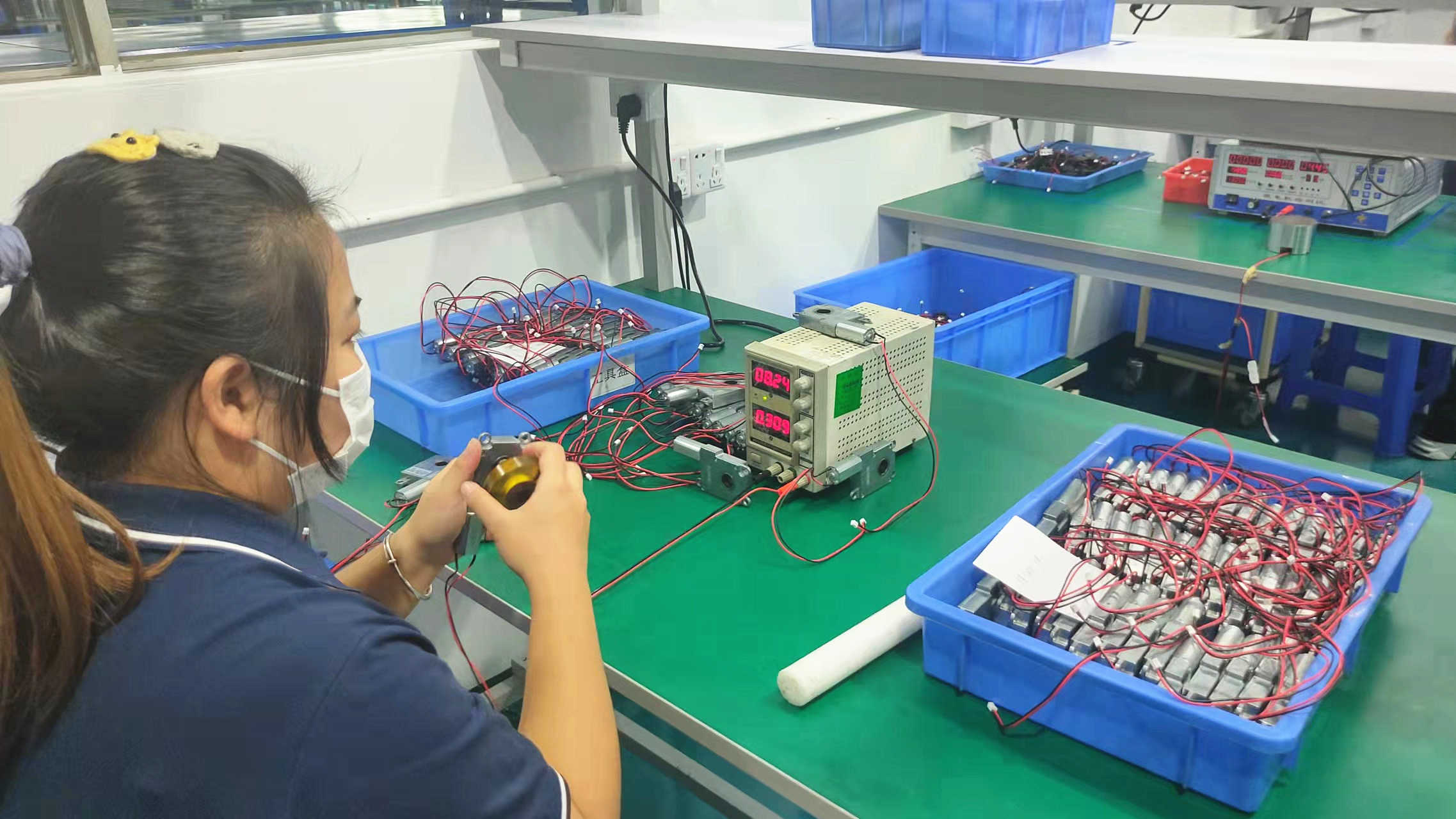
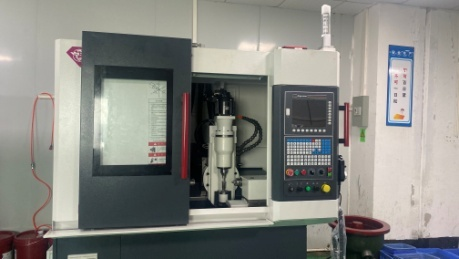
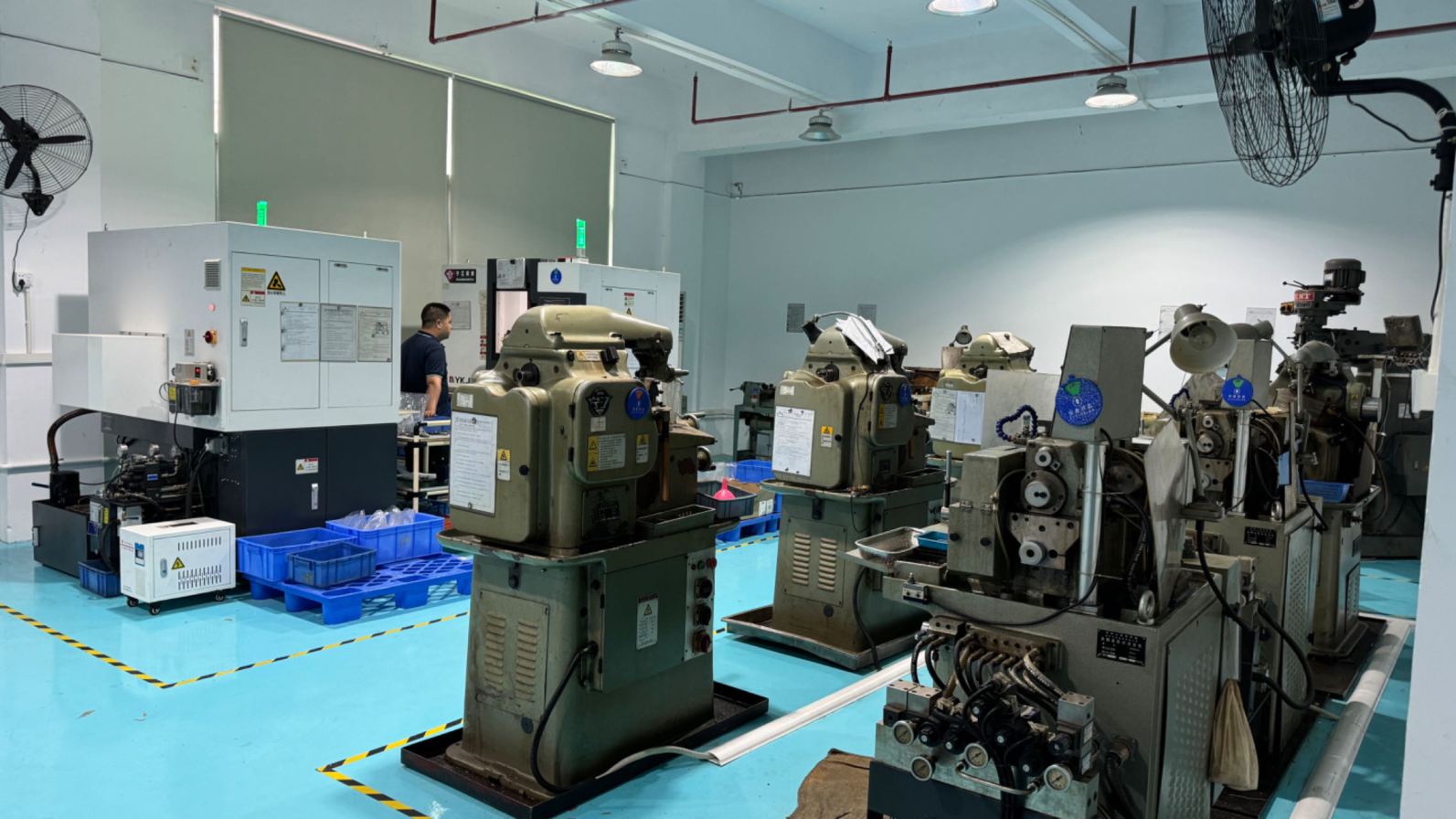
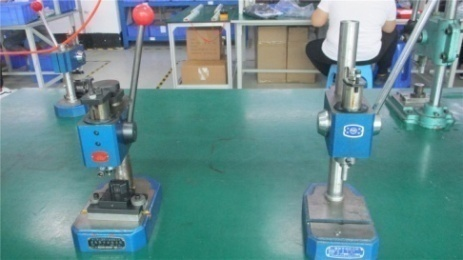
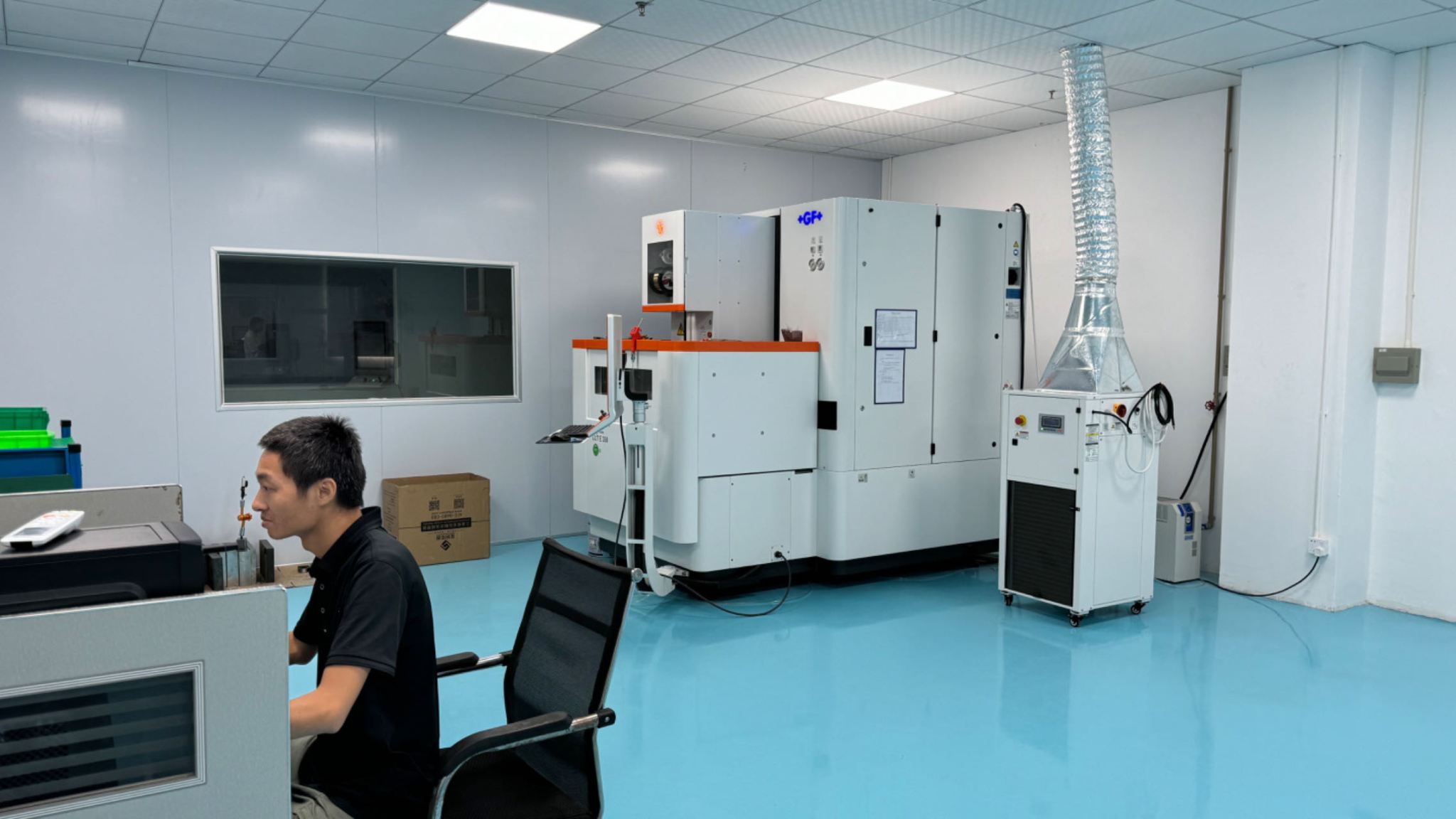
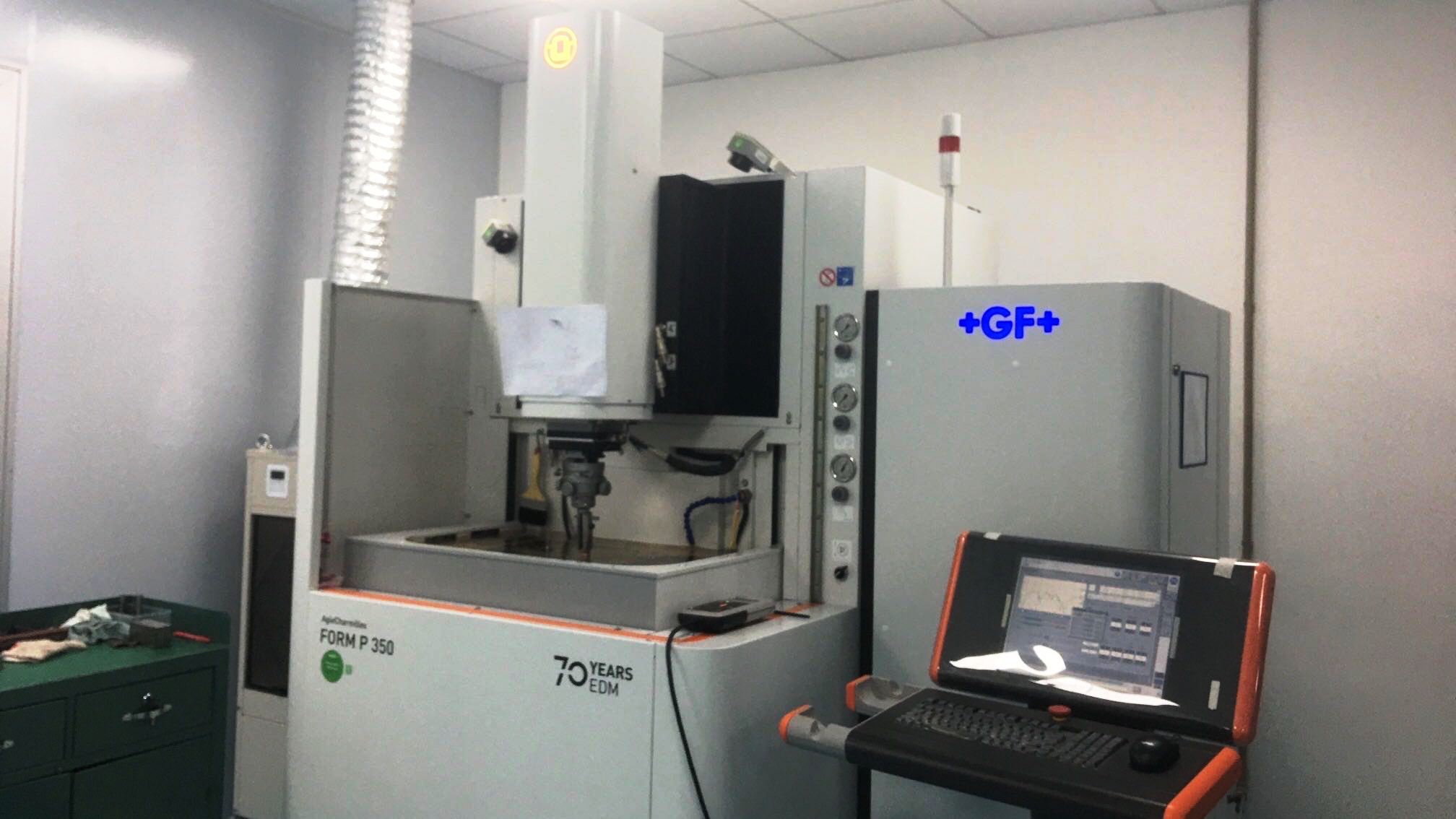
Factories like Viterra Motor utilize Slow-feeding NC wire-cut machines and EDM technologies to create molds that produce parts with tolerances that were once considered impossible for mass production. This industrial synergy ensures that high-torque, low-RPM motors remain affordable without sacrificing the reliability required for 24/7 industrial applications.

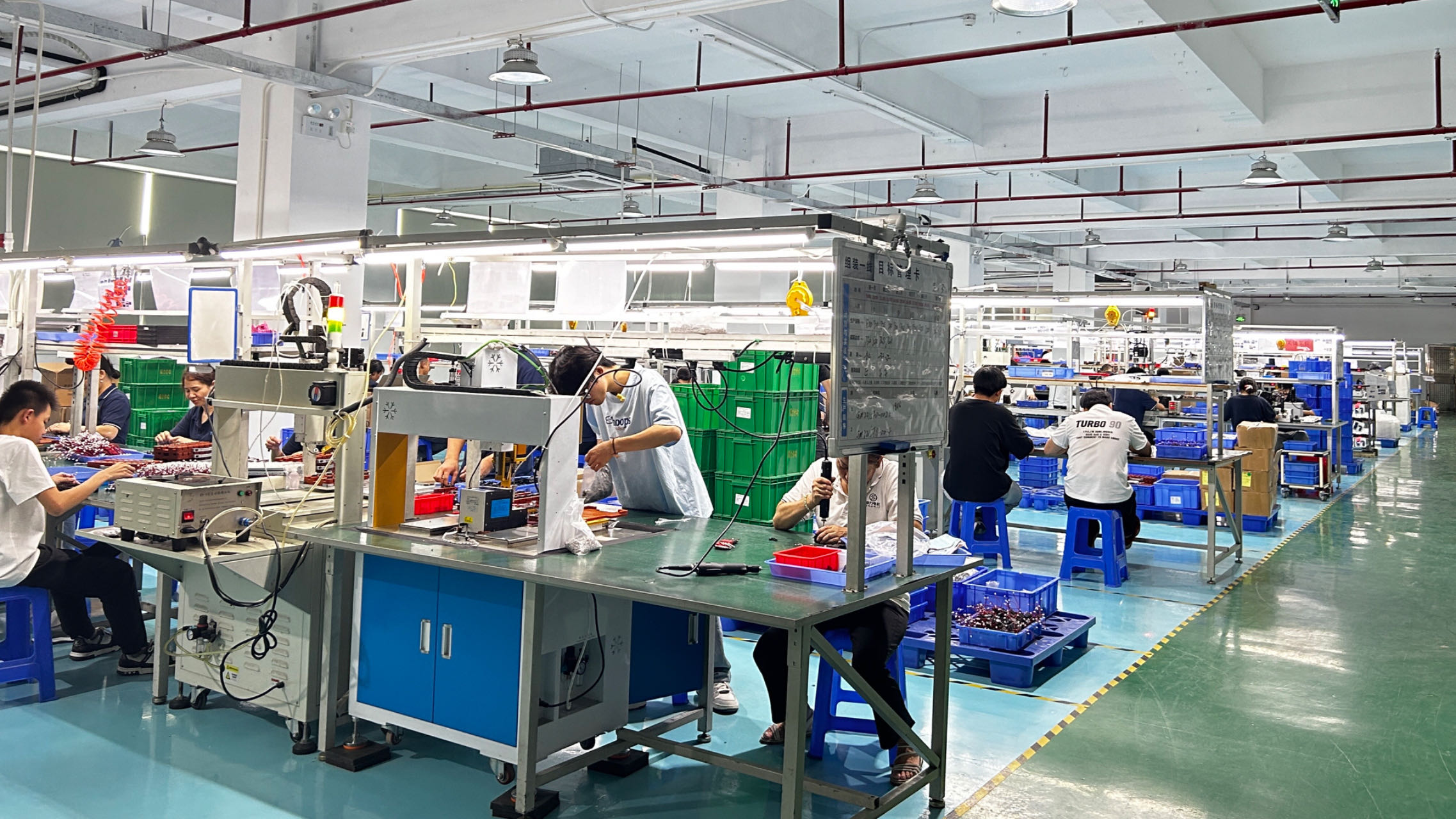
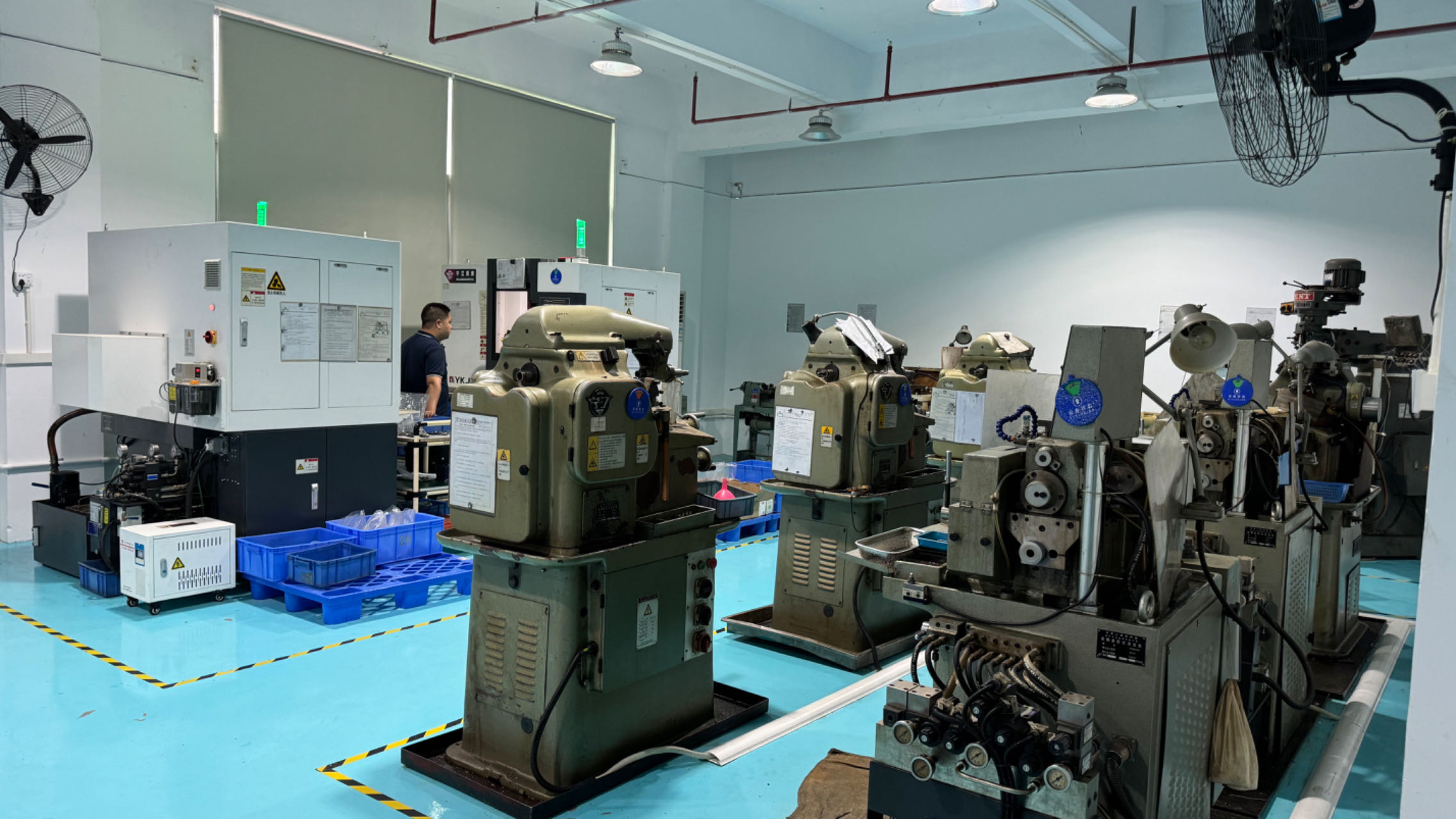
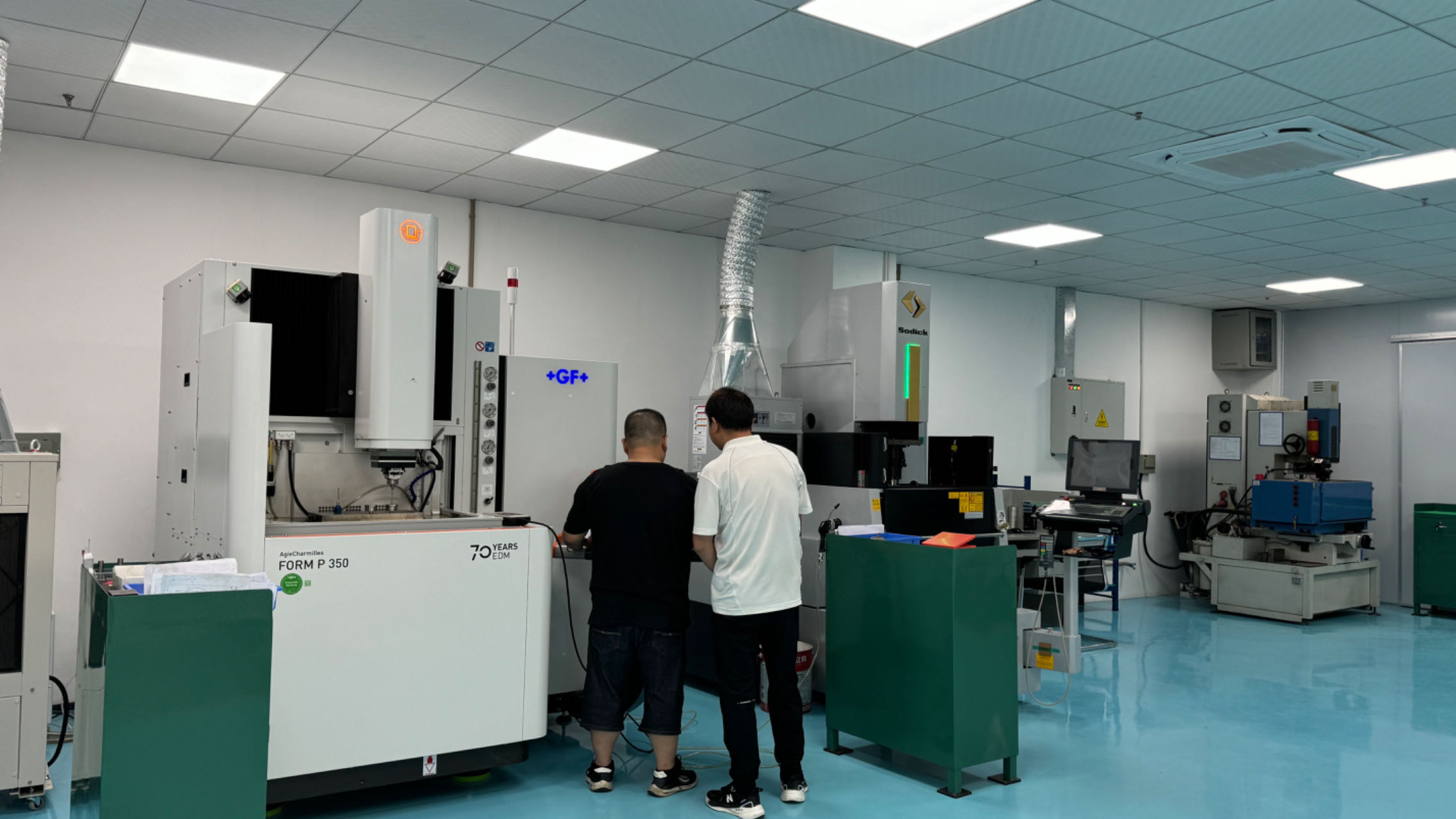
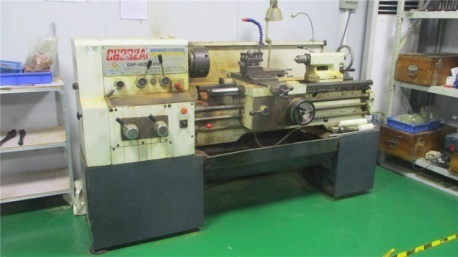
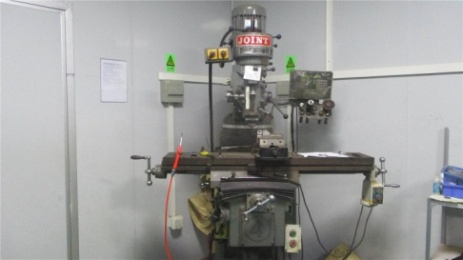
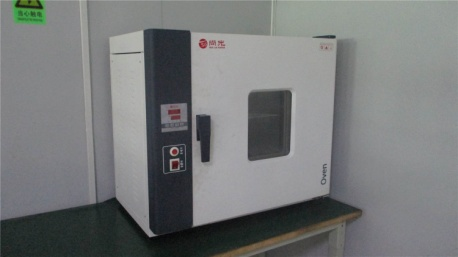
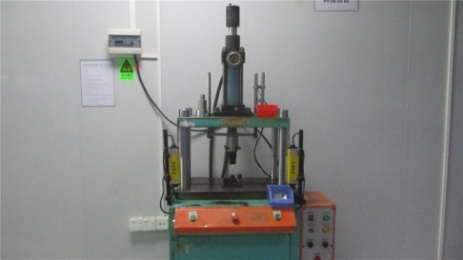
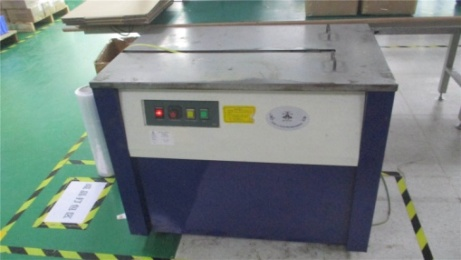
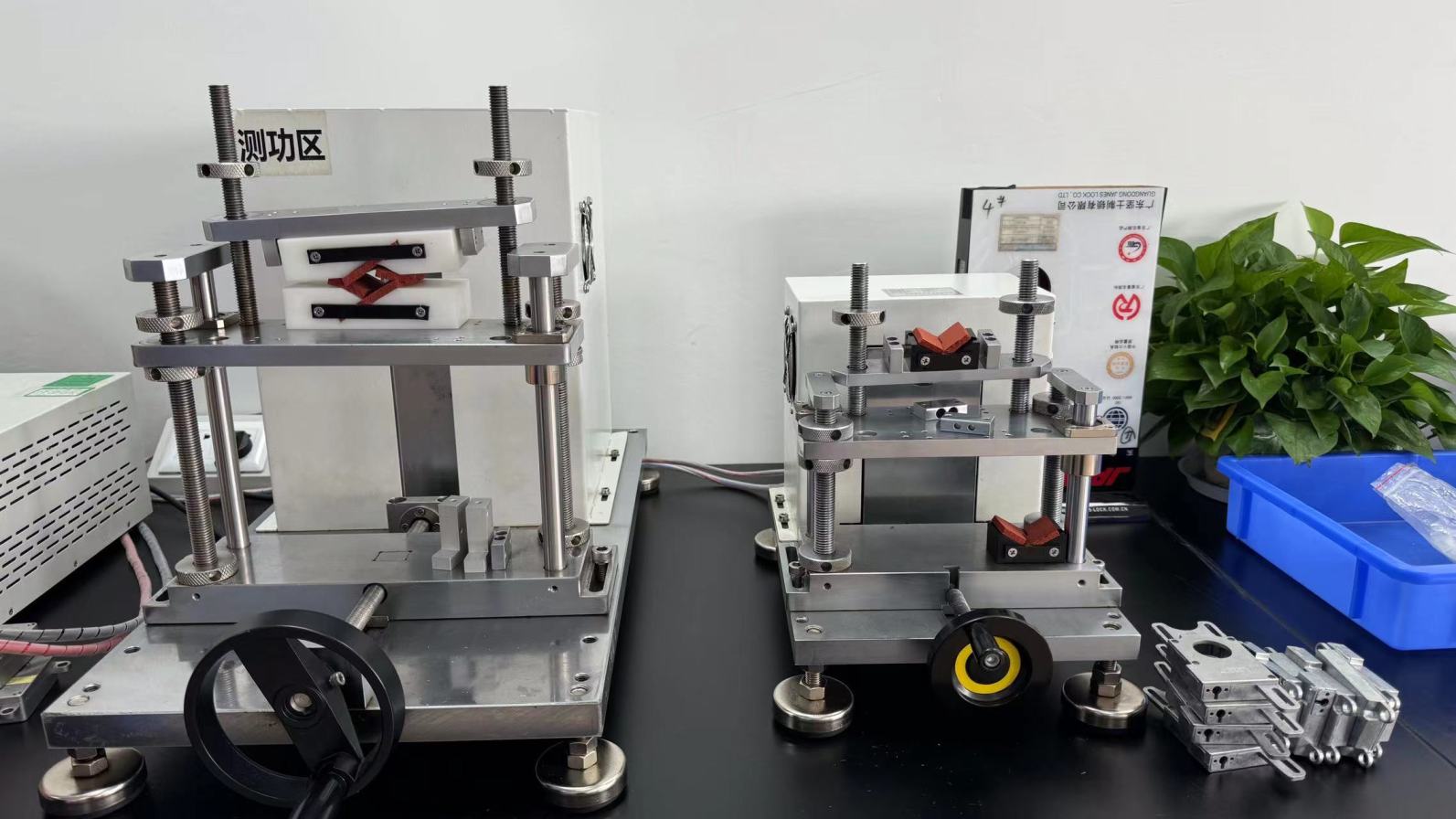
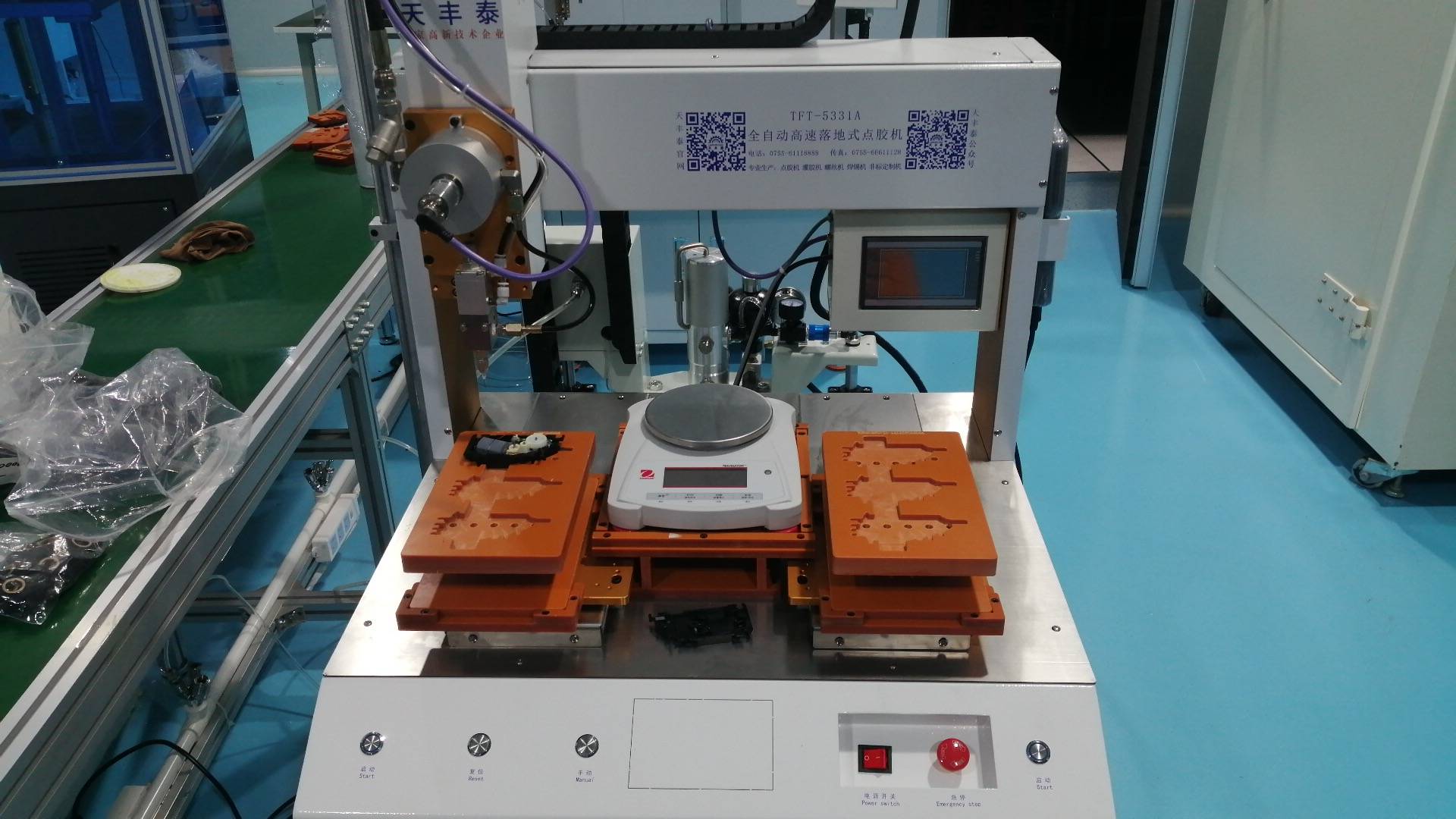
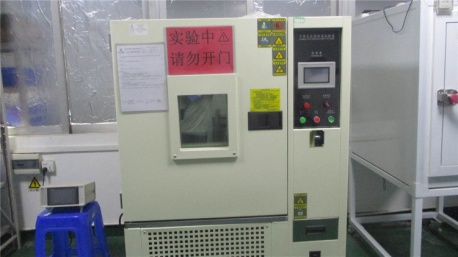
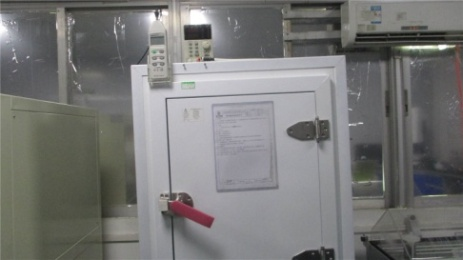
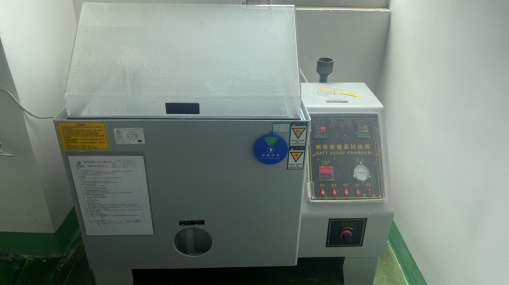
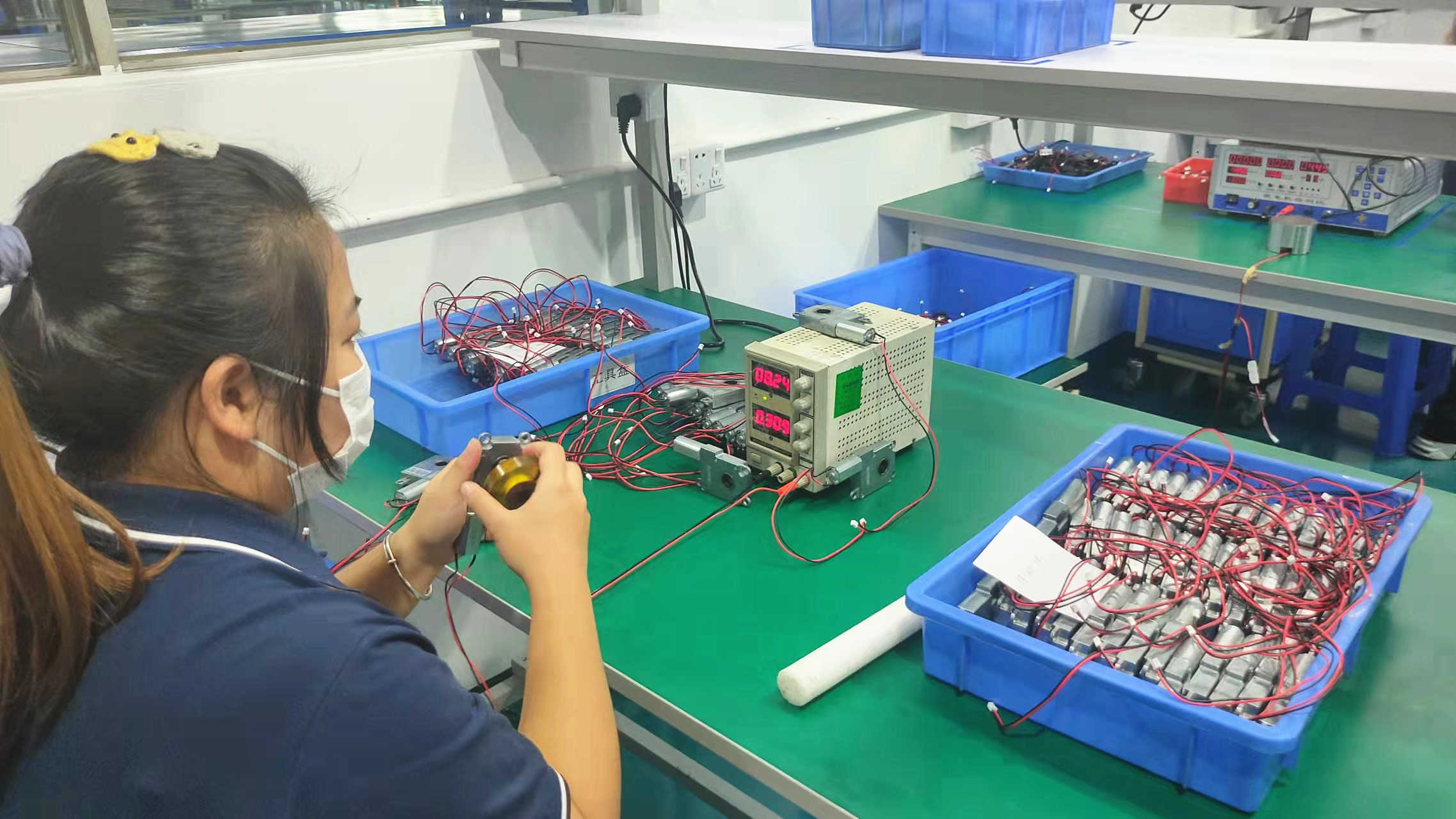
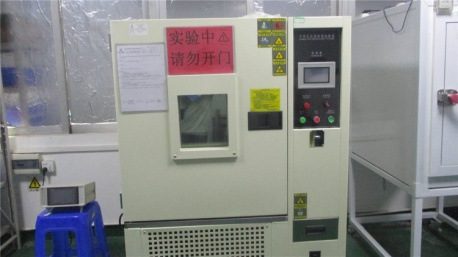
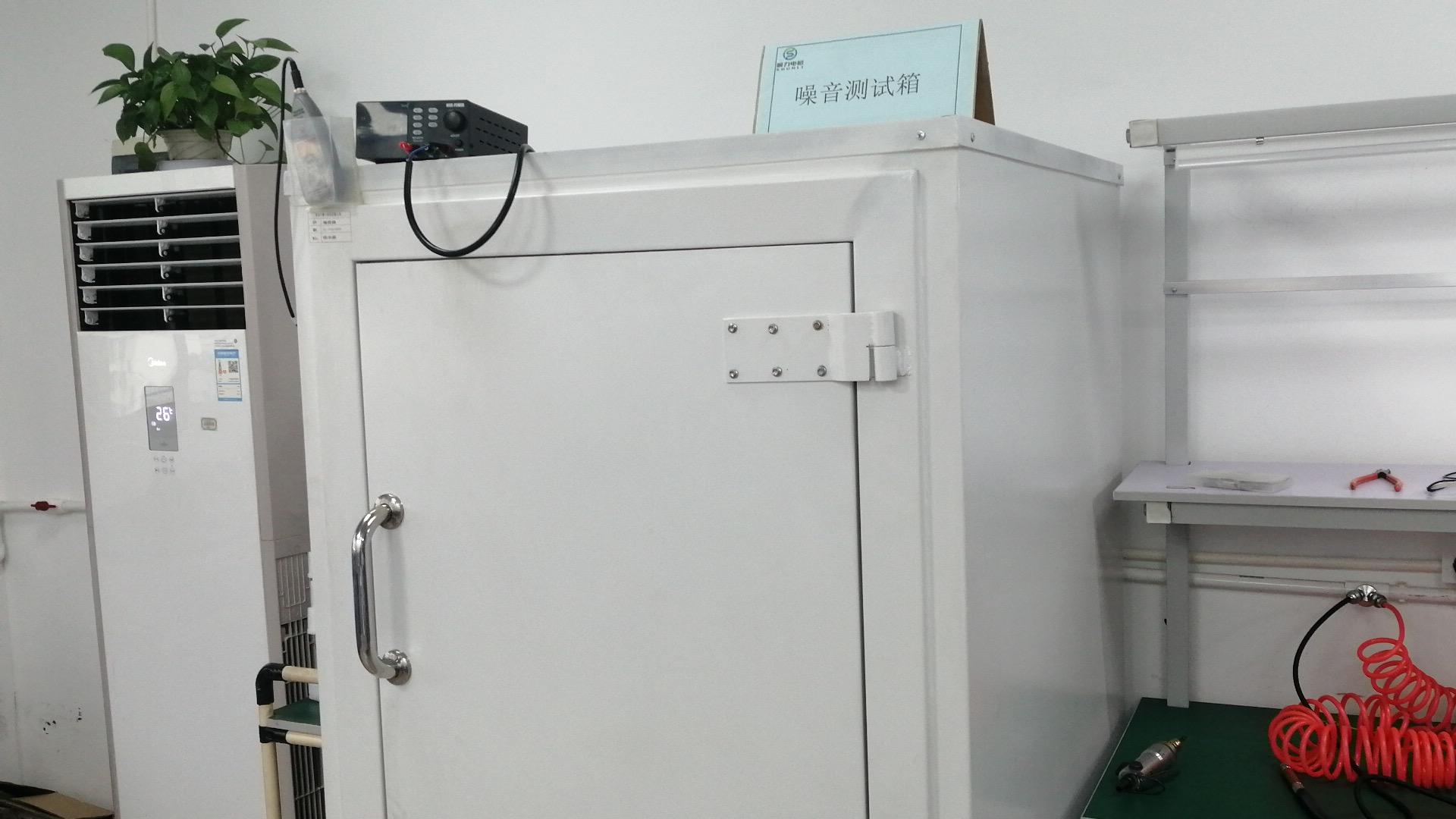
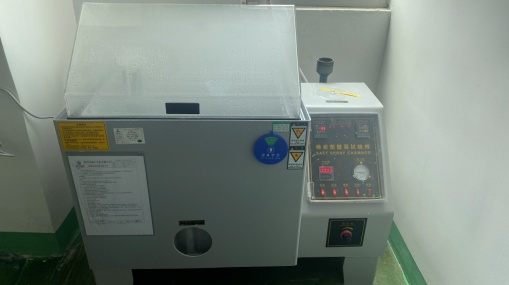
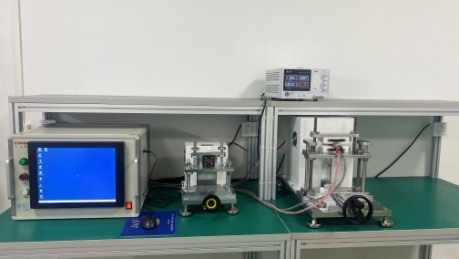
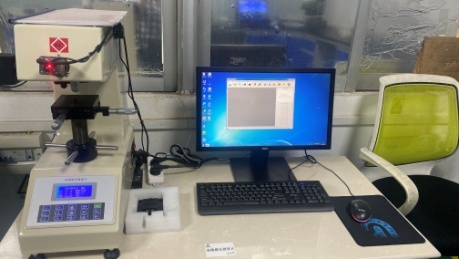
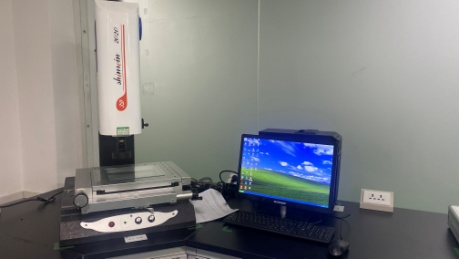
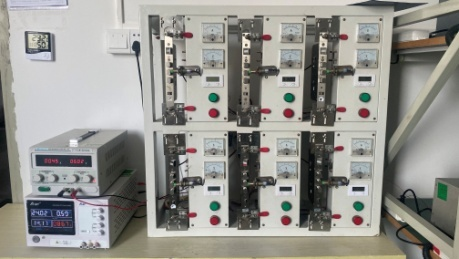
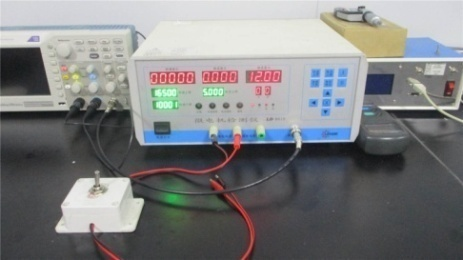
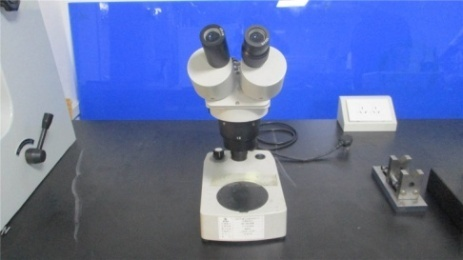
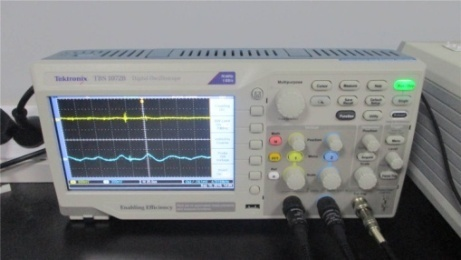
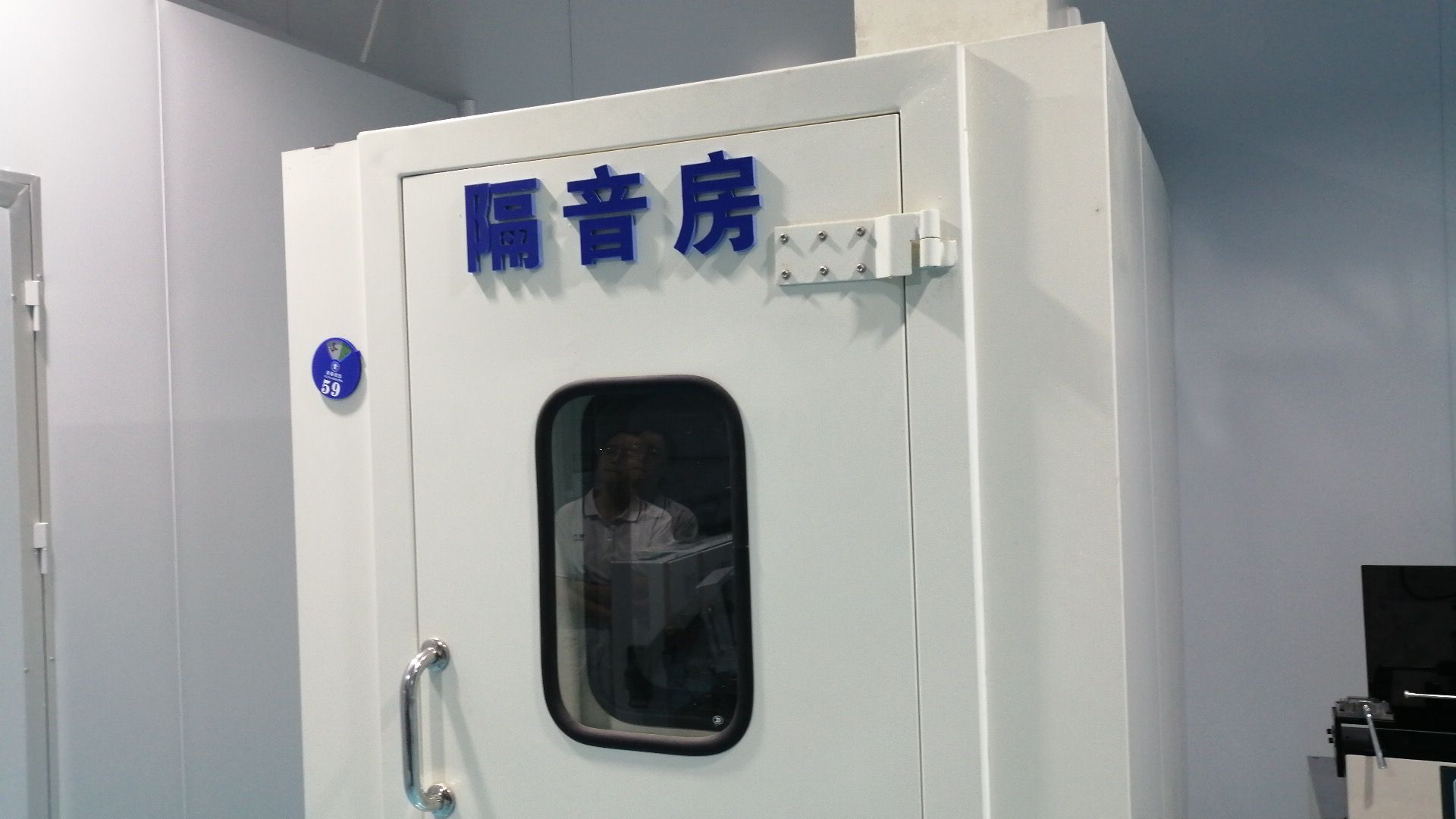
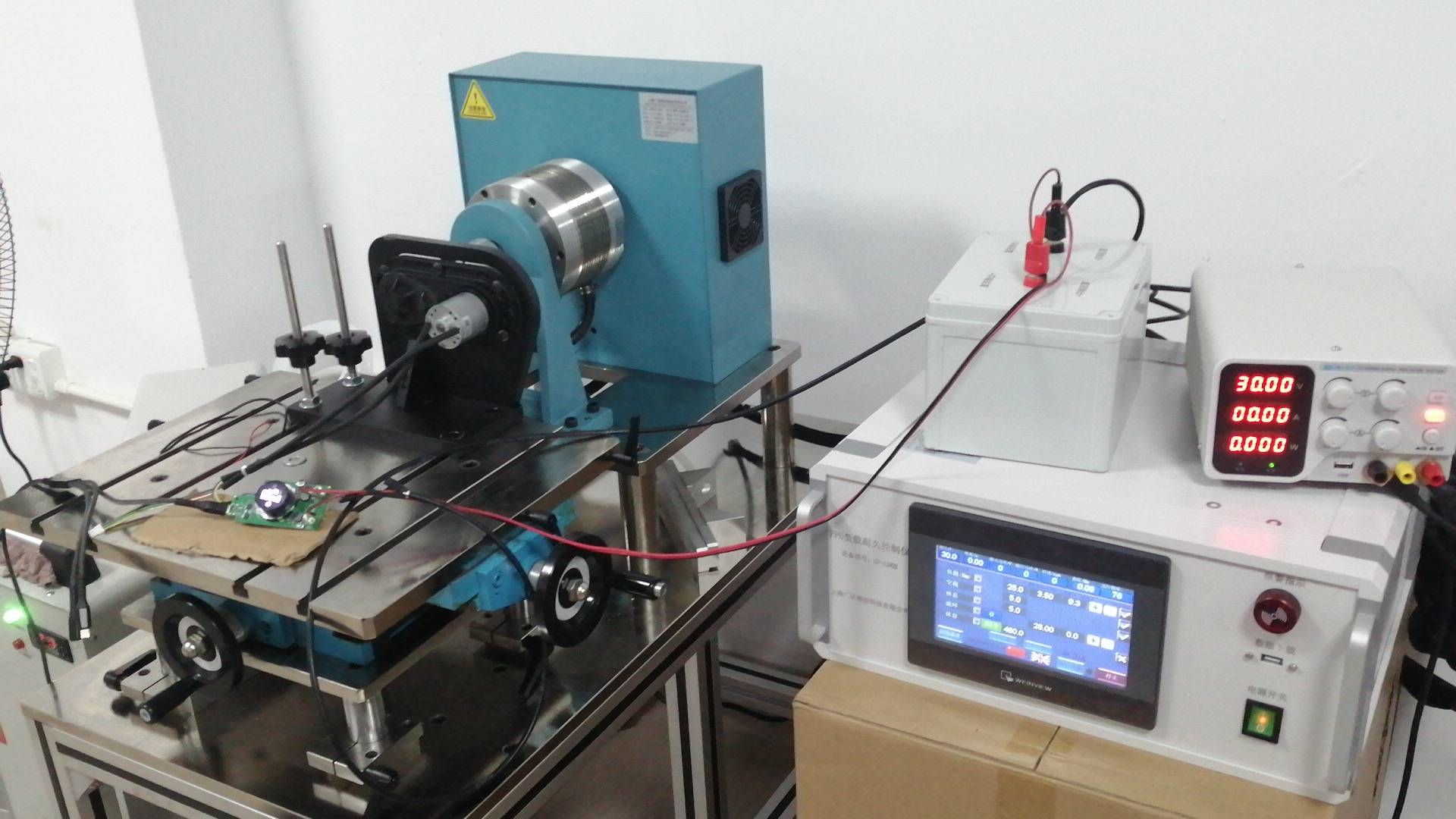
Demonstrating E-E-A-T through investment in high-precision technology and rigorous quality assurance.

From automated window shades to smart door locks, the focus is on ultra-quiet operation and long battery life. Multi-purpose motors here use low-current draw designs to ensure devices last for months without a recharge.
Small-scale robotics require motors with high torque density. Gear reduction motors provide the necessary "muscle" in compact joints for delivery bots and service droids.
Precision is non-negotiable. Motors used in insulin pumps or surgical tools must meet stringent ISO 13485 standards for reliability and bio-compatibility.
Strategic sourcing managers are no longer looking for just "cheap" motors. The current trend focuses on Lifecycle Cost (TCO). A motor that fails after 10,000 cycles costs significantly more than one that lasts for 500,000 cycles due to replacement labor and downtime. Global enterprises now prioritize suppliers that provide:
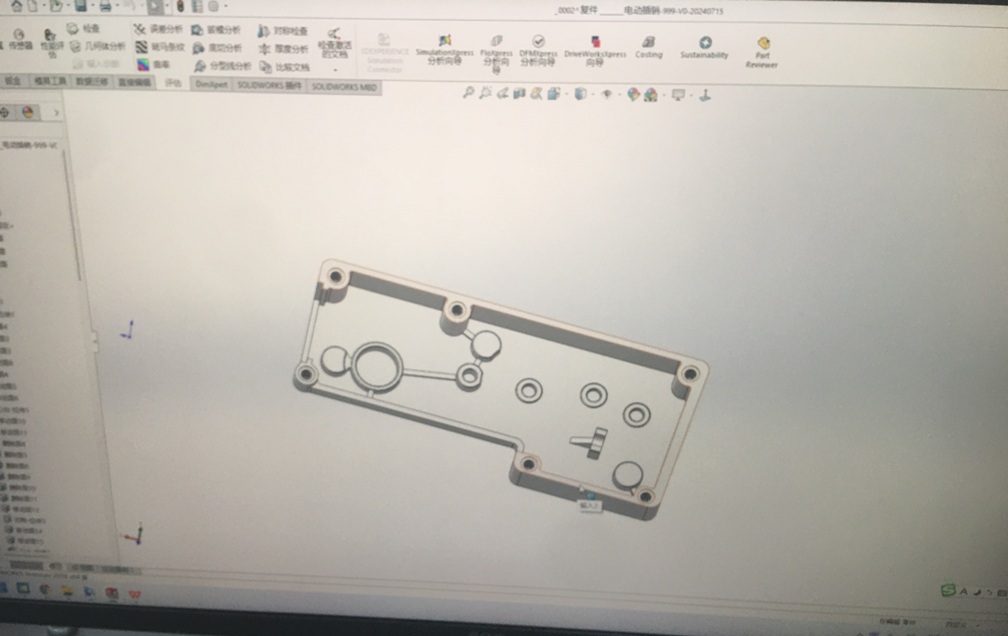
 Viterra Motor