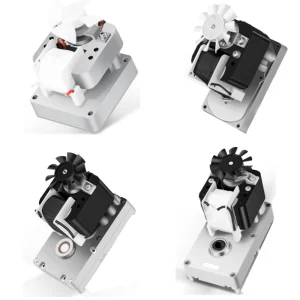
The global medical device market is undergoing a seismic shift toward automation, robot-assisted surgery, and portable diagnostic equipment. At the heart of this revolution is the Medical Device Motor. As surgical procedures move from invasive to minimally invasive (MIS), the demand for micro-motors that offer high power density, extreme reliability, and biocompatibility has skyrocketed.
In medical applications, failure is not an option. Motors must withstand rigorous sterilization cycles (Autoclave), operate with zero electromagnetic interference (EMI) to protect sensitive monitoring equipment, and provide "haptic feedback" for surgeons operating robotic arms. Modern OEM suppliers are no longer just component manufacturers; they are integrated solution partners who must navigate complex FDA, CE, and ISO 13485 regulatory landscapes.
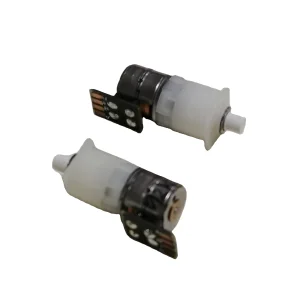
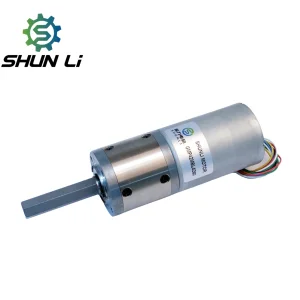
Driving the growth of handheld surgical tools and wearable insulin pumps with motors as small as 4mm.
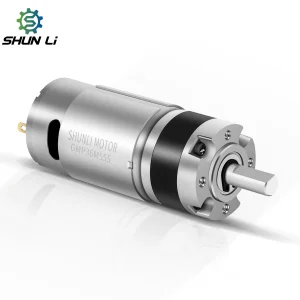
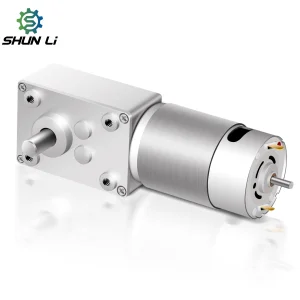
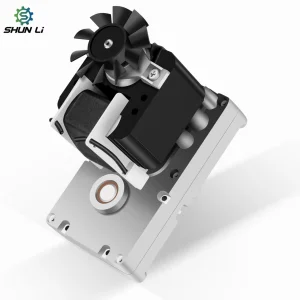
High-torque planetary gearboxes providing the multi-axis fluid motion required for Da Vinci-style surgical systems.
Optimizing battery life for portable ventilators and mobile imaging carts used in emergency response.
Inside a premium robotic joint, an automated medical valve, or a high-end smart lock, space is the ultimate luxury. At Viterra Motor, we measure our manufacturing success in micrometers and decibels. Our mission is to take advanced, heavy-duty rotational power and compress it into the most compact, energy-efficient footprints imaginable.
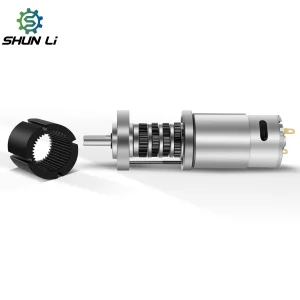
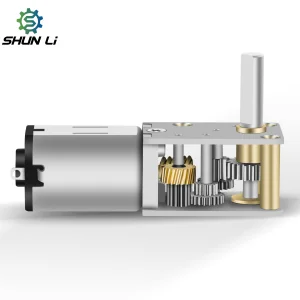
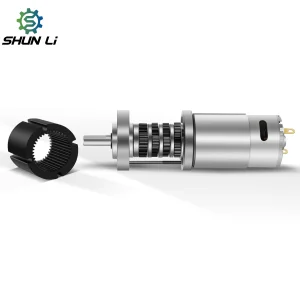
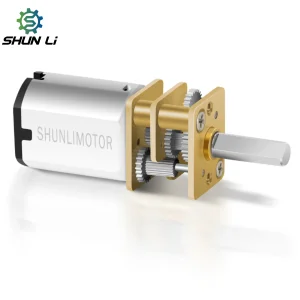
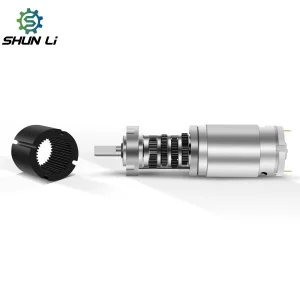
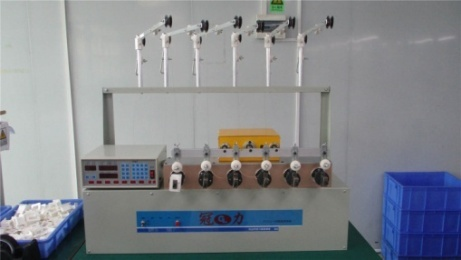
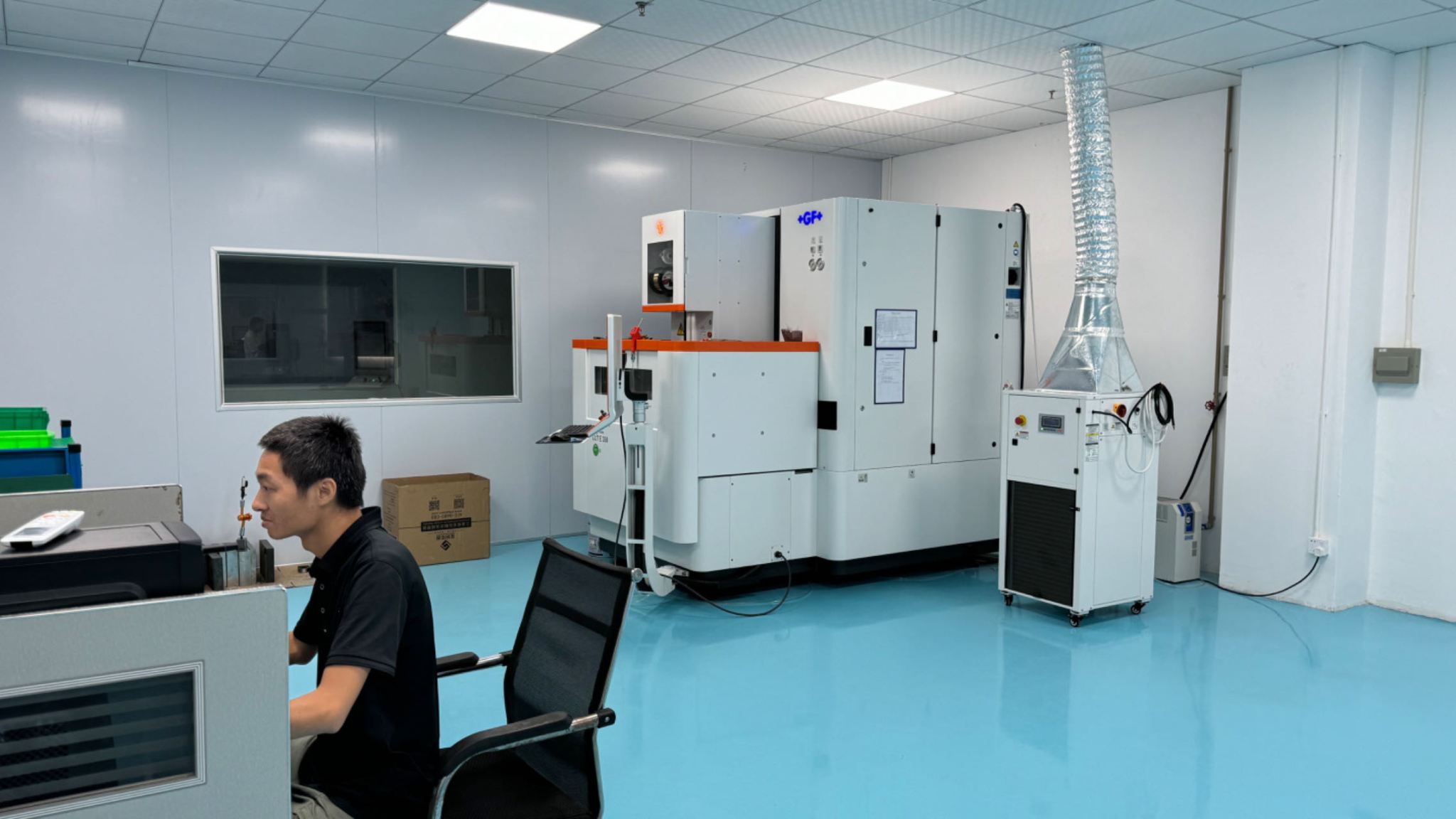
Our expertise lies in the micro-details of motion control. From precision-wound copper rotors and high-purity commutators to zero-backlash planetary gear trains, every single internal component of a Viterra Motor is optimized to eliminate friction and maximize heat dissipation.

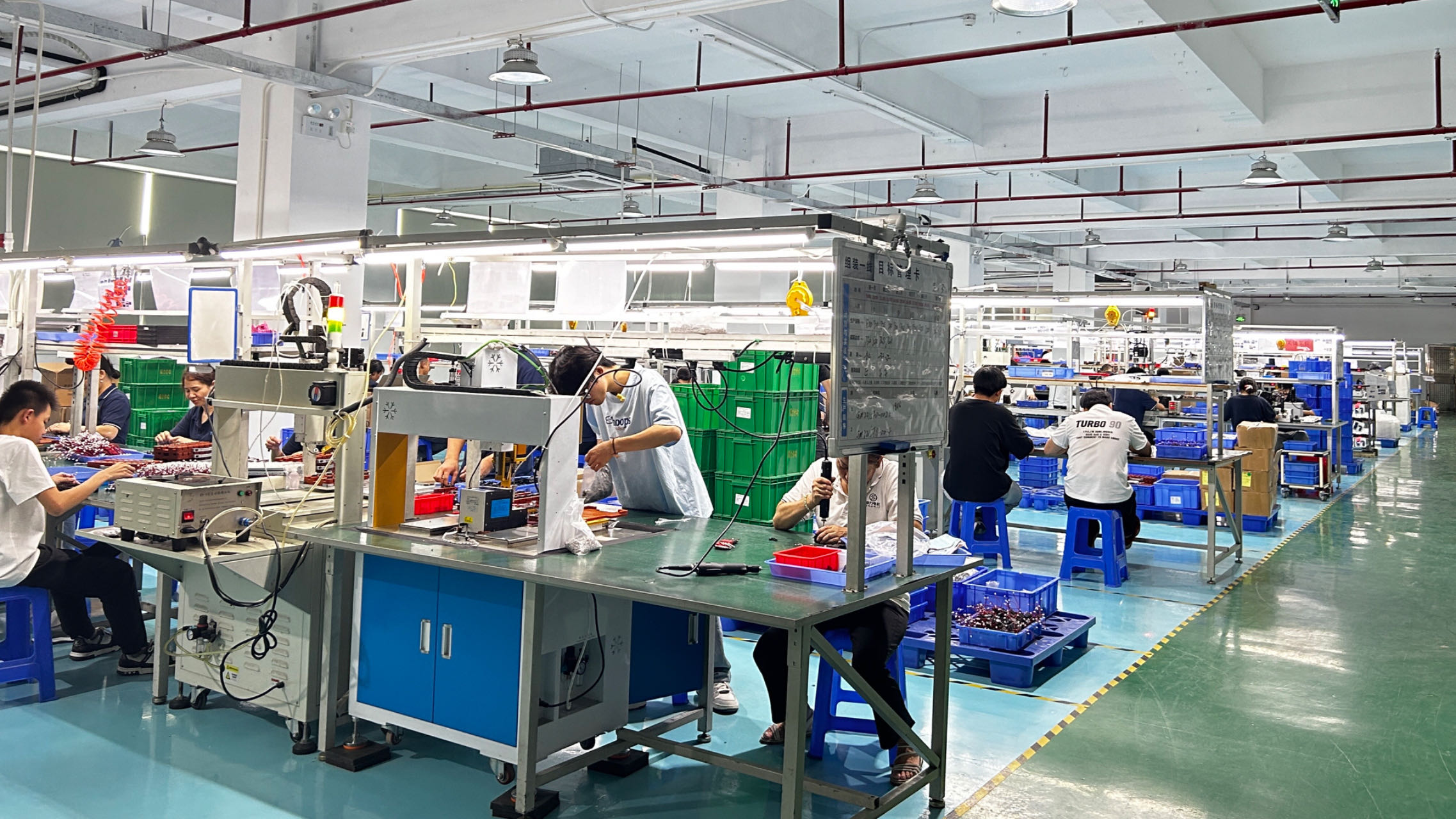
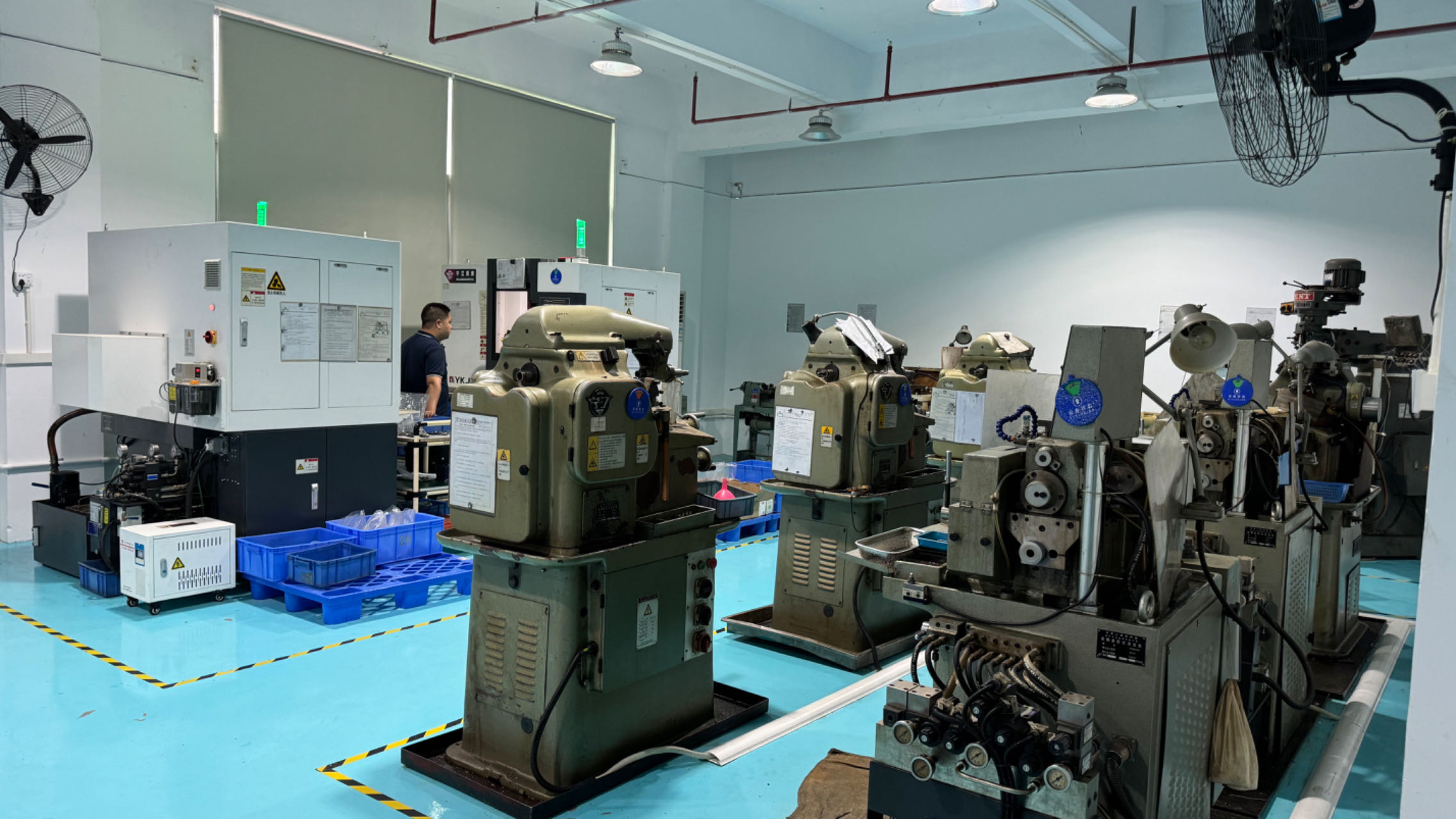
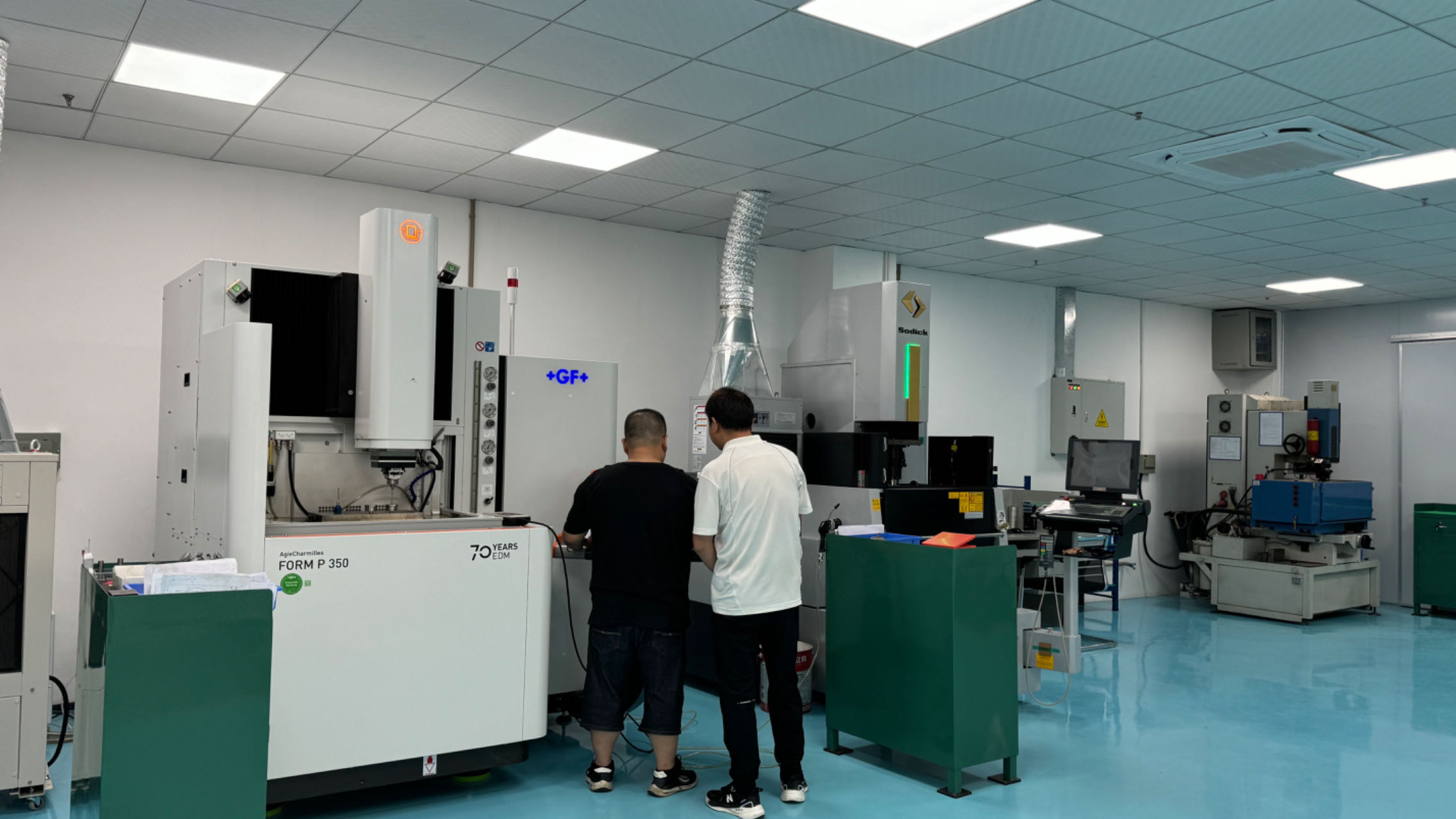
Combining the precision of Swiss engineering with the massive scale and cost-efficiency of China's advanced industrial clusters.

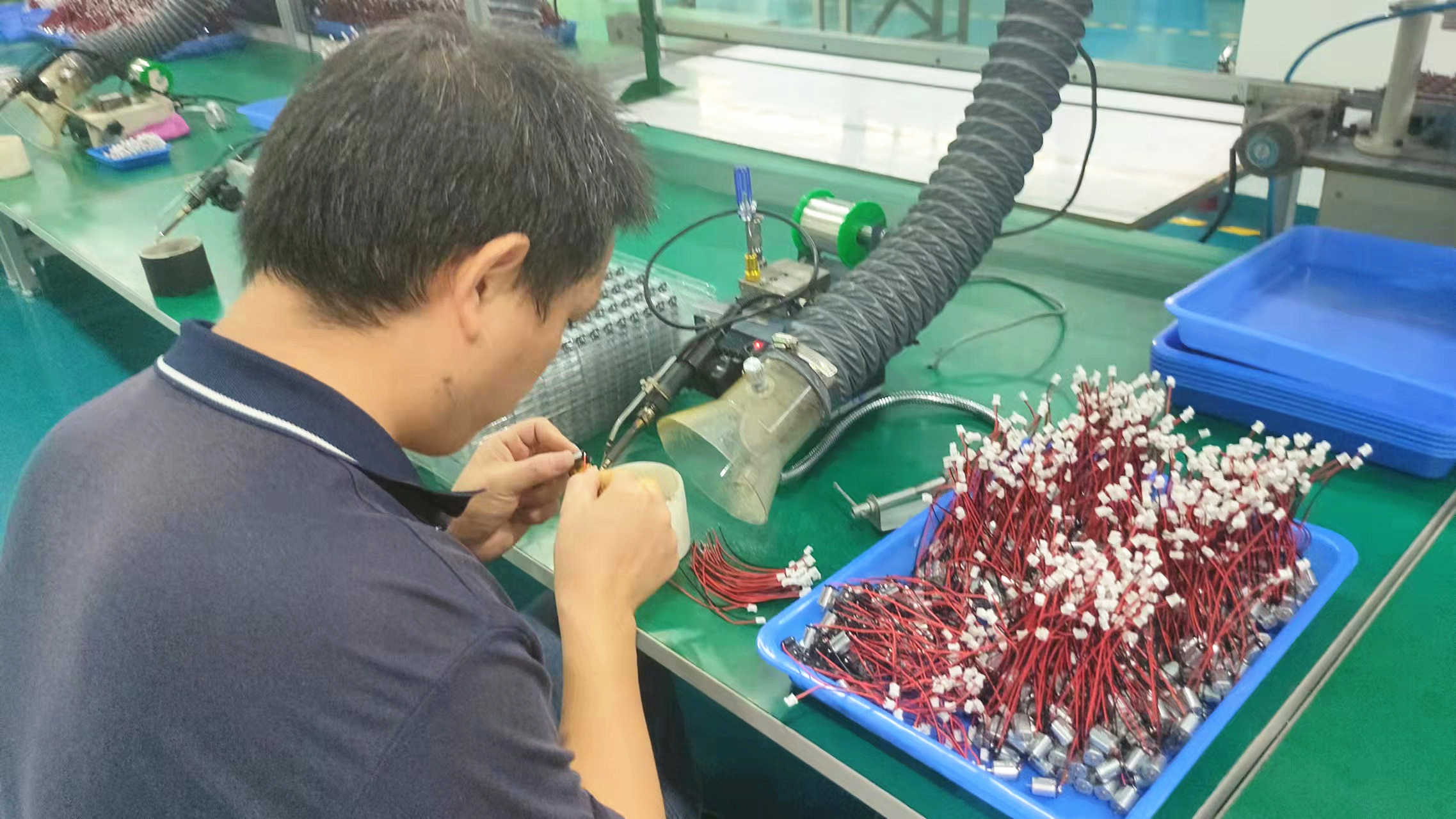
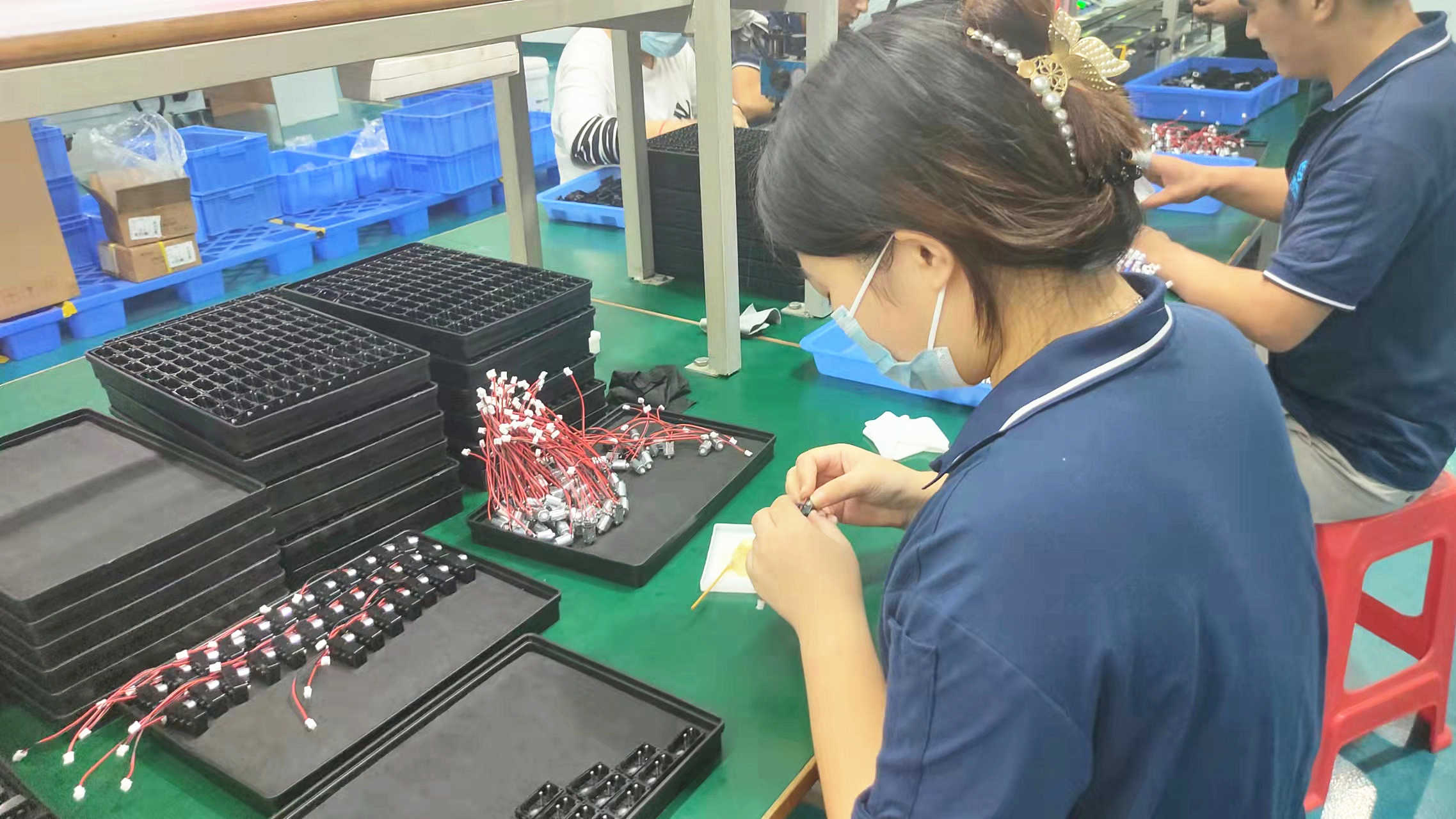
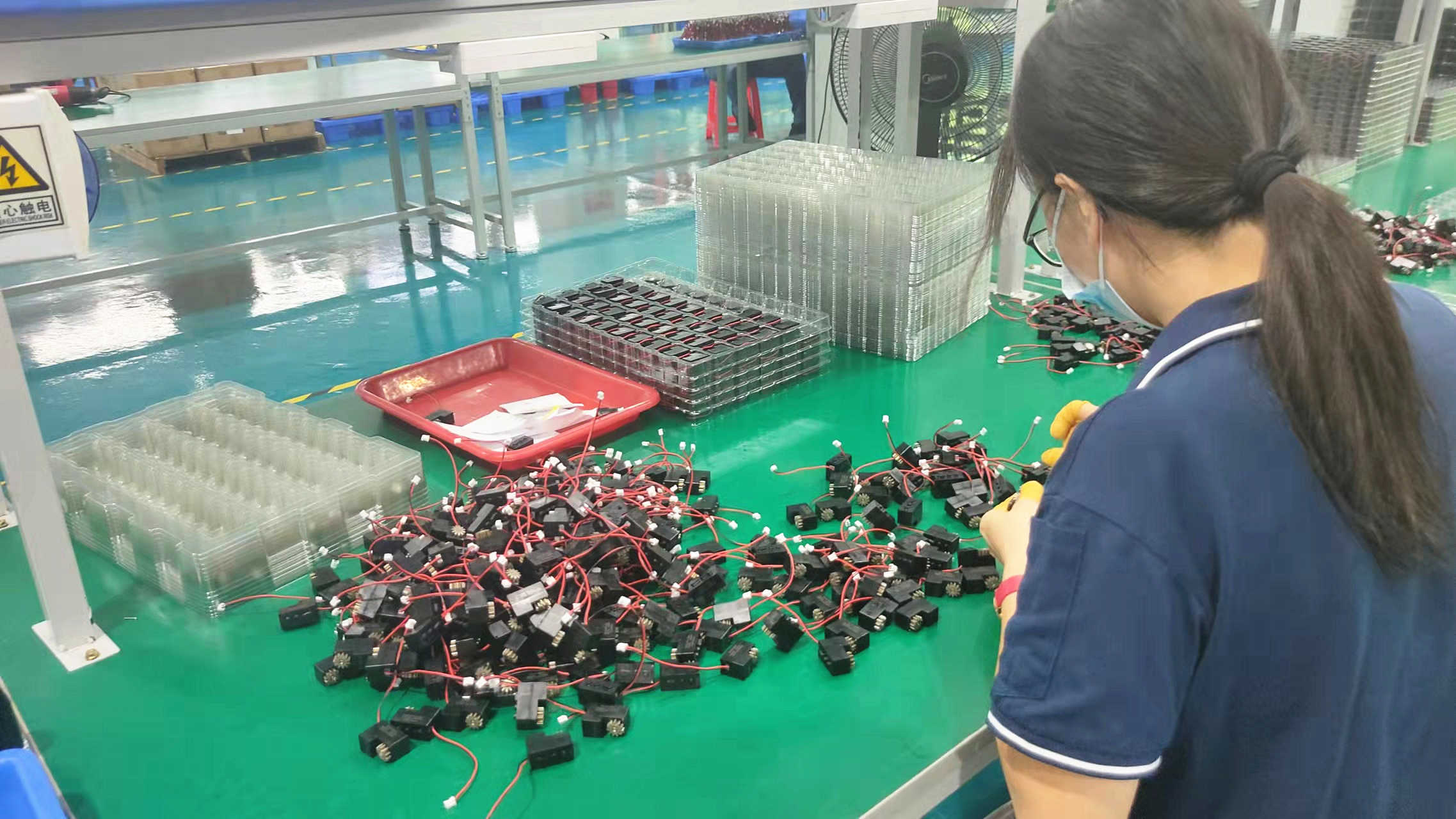
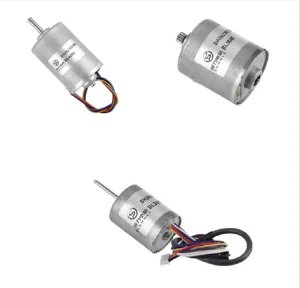
While brushed motors served the industry for decades, the shift toward BLDC motors is driven by the need for longer lifespans and lower maintenance. BLDC technology eliminates the friction of brushes, significantly reducing heat—a critical factor for handheld surgical tools where heat could damage human tissue.
Next-generation medical motors are no longer "dumb" components. They now feature integrated Hall Effect sensors and encoders that provide real-time data on torque, speed, and position. This allows for closed-loop control systems essential for delicate neurosurgery or ophthalmology procedures.
A major trend for 2024-2025 is the development of motors that can survive 1,000+ autoclave cycles without degradation. This involves specialized encapsulation techniques and the use of proprietary high-grade stainless steel and ceramic bearings.
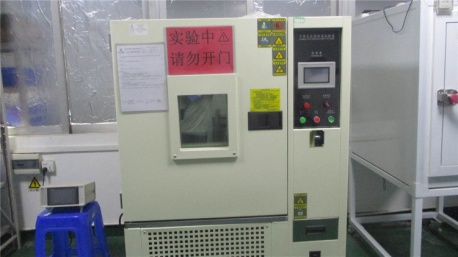
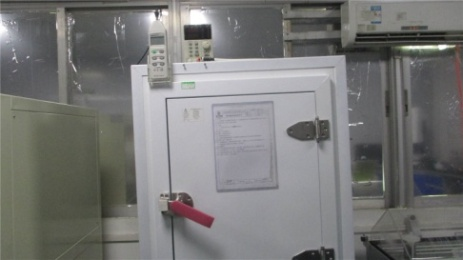
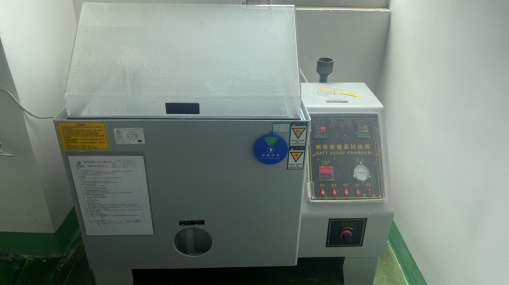
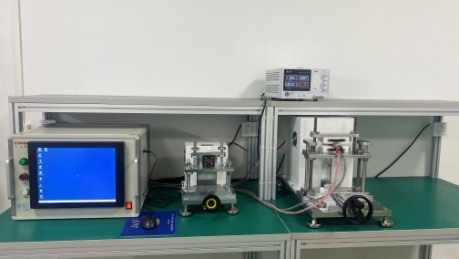
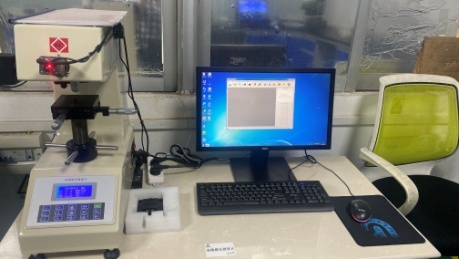
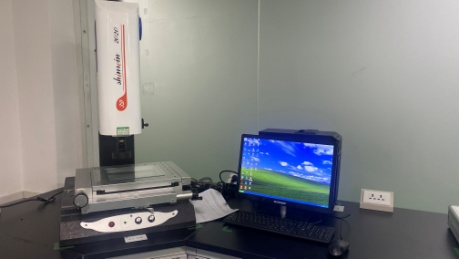
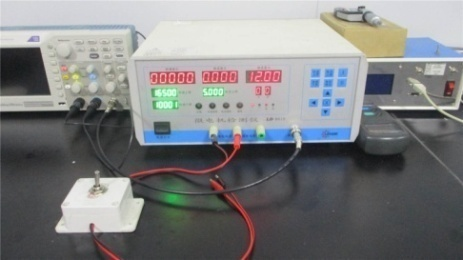
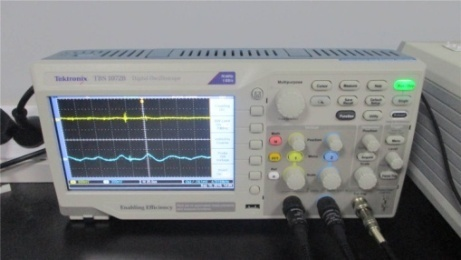
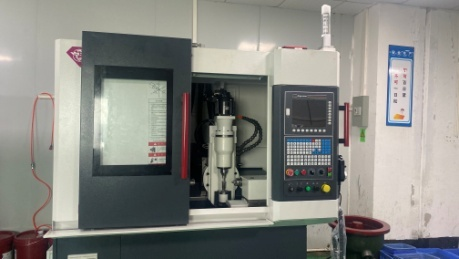
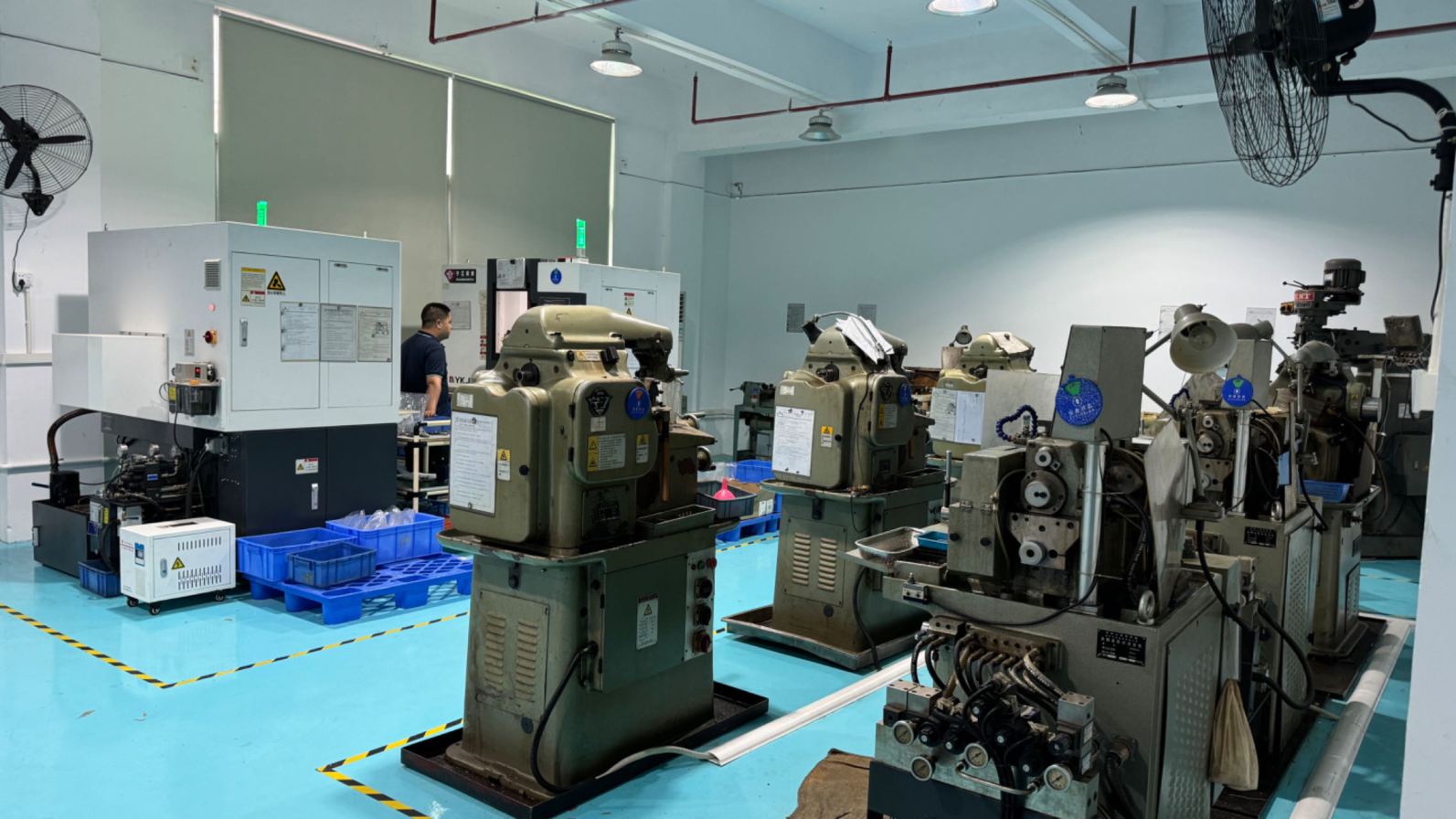
*Our facility utilizes Japanese dynamic balancing and automated Swiss-style hobbing to ensure whispered-quiet operation.
Supplying high-torque density motors for surgical robotic startups in Silicon Valley and Boston. Focus on rapid prototyping and IP protection.
Providing micro-gearmotors for drug delivery systems in Germany and Switzerland, adhering to the strictest MDR (Medical Device Regulation) standards.
Mass production of cost-effective motors for portable ventilators and IV pumps to meet the growing healthcare infrastructure in India and SE Asia.
 Viterra Motor