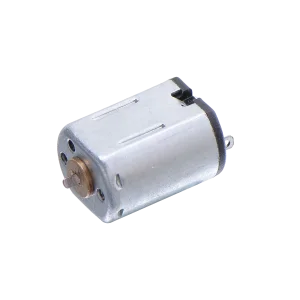
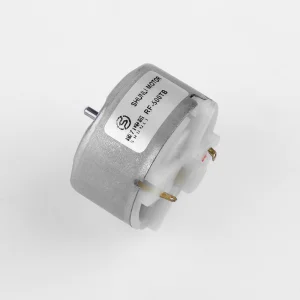
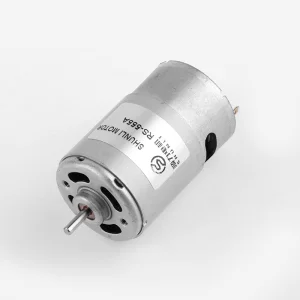
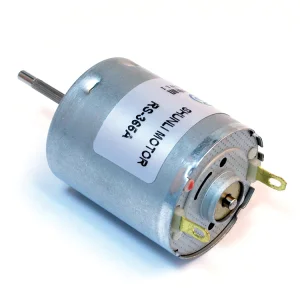
High-efficiency, custom-tuned drive systems ideal for micro-automation and marine instrumentation across the Kiribati archipelago.
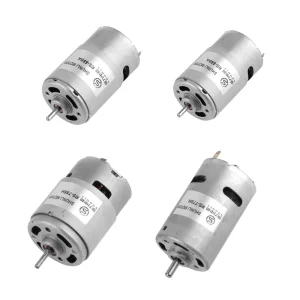
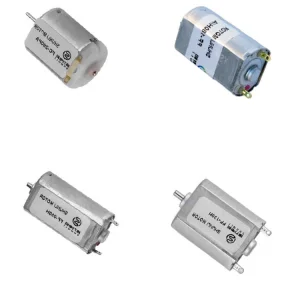
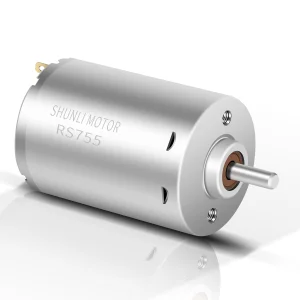
Understanding the specific engineering metrics required for electro-mechanical operations in the South Pacific.
Kiribati, comprising 32 atolls and one raised coral island (Banaba), presents one of the most unique operational environments for rotating machinery in the world. With high ambient salinity, relentless tropical humidity (frequently exceeding 85%), and an average temperature hovering around 28°C to 32°C, standard-grade electric motors face rapid electrochemical degradation and winding insulation breakdown.
Furthermore, because the country relies heavily on decentralized solar energy systems (Solar Home Systems - SHS) and diesel generators in outer islands such as Kiritimati, Tabuaeran, and the Gilbert Group, the demand is heavily skewed toward high-efficiency, low-voltage direct current (DC) motors that can operate directly off 3V, 6V, 12V, or 24V battery arrays without the inversion losses of AC systems.
For DC motors to survive in Kiribati, carbon brushes must be designed to withstand high humidity levels without accelerating commutator wear. Commutators require high-purity copper alloys and precision undercut slotting to prevent carbon buildup and short-circuiting in salt-laden atmospheres.
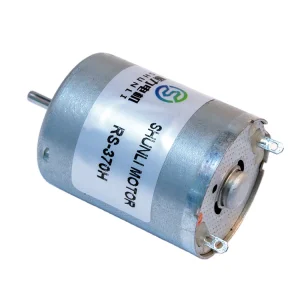
Our permanent magnet DC motors and miniature gear drives leverage specialized anti-corrosive electroplating, custom shaft steel selections (such as high-grade stainless steel), and sealed bearing options. By eliminating unnecessary mechanical clearances, we prevent the ingress of airborne salt particles, ensuring that our micro drives deliver persistent torque throughout their operational lifecycle.
"To succeed in Kiribati's decentralised framework, motion components must design out complexity and design in environmental resistance. The goal is to provide maximum mechanical efficiency directly from low-voltage DC energy reserves."
Inside a premium robotic joint, an automated medical valve, or a high-end smart lock, space is the ultimate luxury. At Viterra Motor, we measure our manufacturing success in micrometers and decibels. Our mission is to take advanced, heavy-duty rotational power and compress it into the most compact, energy-efficient footprints imaginable.
Our expertise lies in the micro-details of motion control. From precision-wound copper rotors and high-purity commutators to zero-backlash planetary gear trains, every single internal component of a Viterra Motor motor is optimized to eliminate friction and maximize heat dissipation. By combining advanced automated Swiss-style hobbing with Japanese dynamic balancing, we ensure our micro drives deliver the fluid, whispering-quiet power your brand promises. When your next high-tech innovation relies on repeated mechanical perfection, let Viterra Motor be the core that spins it forward.
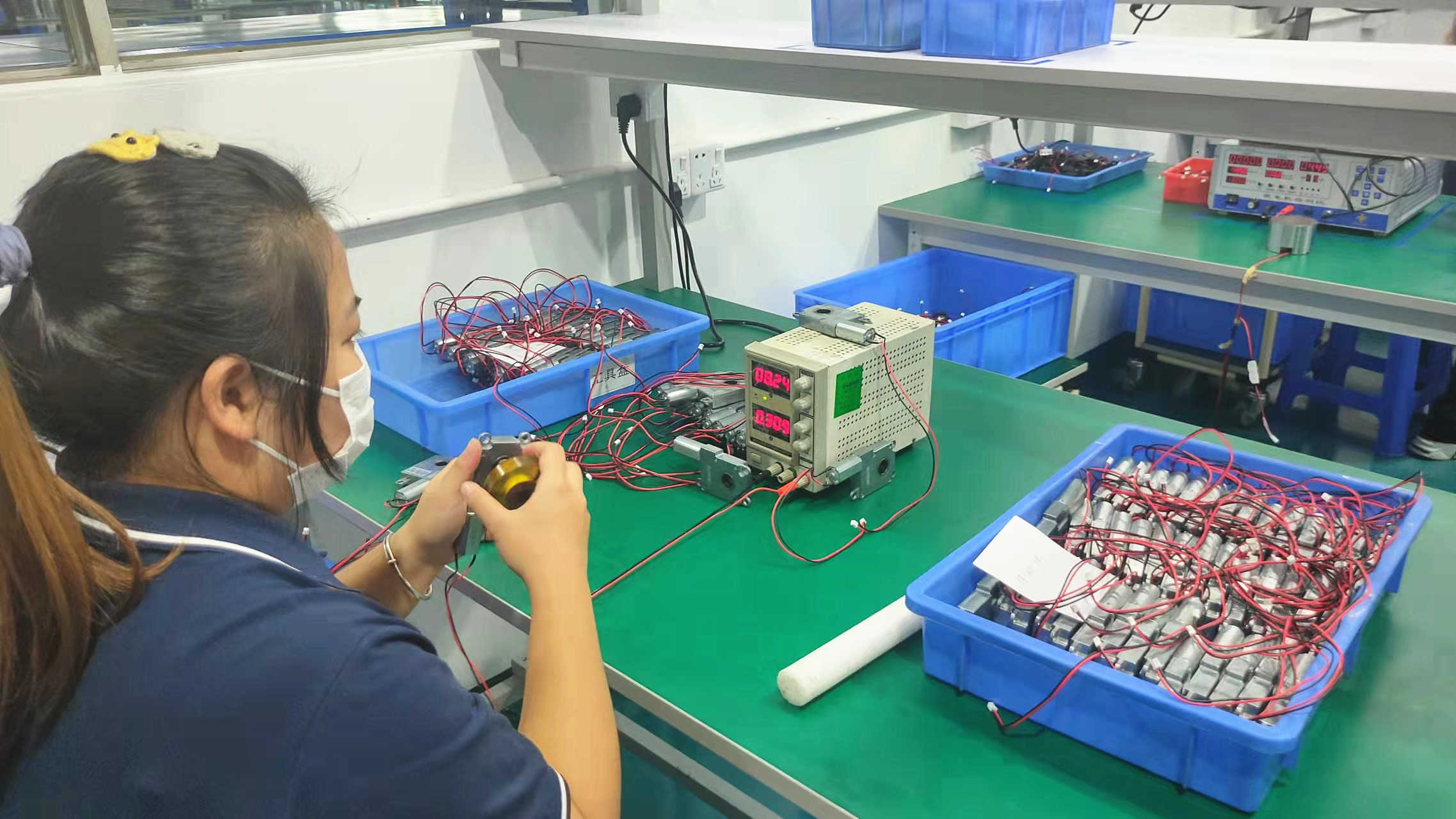
Our industrial capacity is backed by precision automated toolsets that guarantee consistency across thousands of motor units.

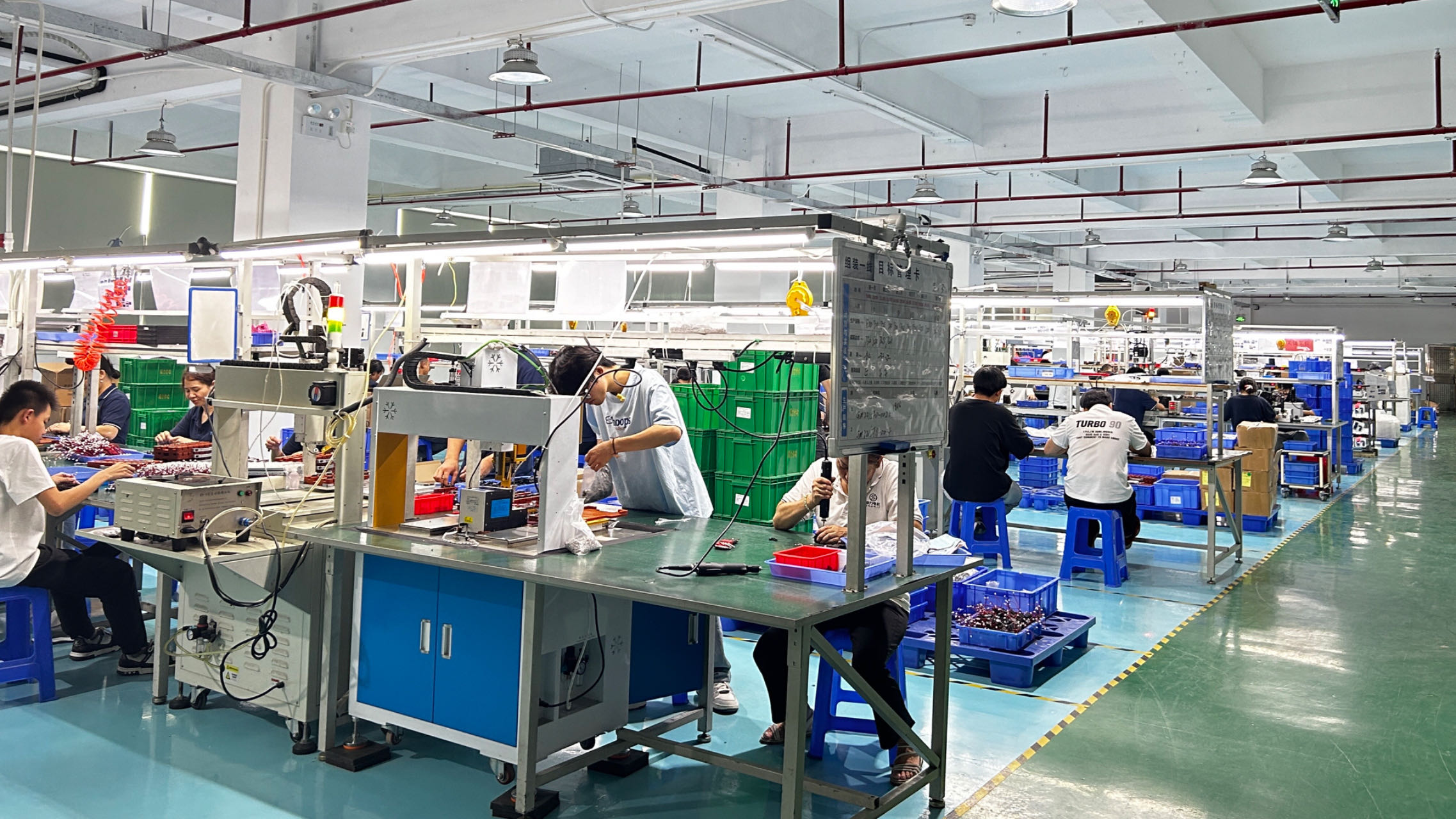
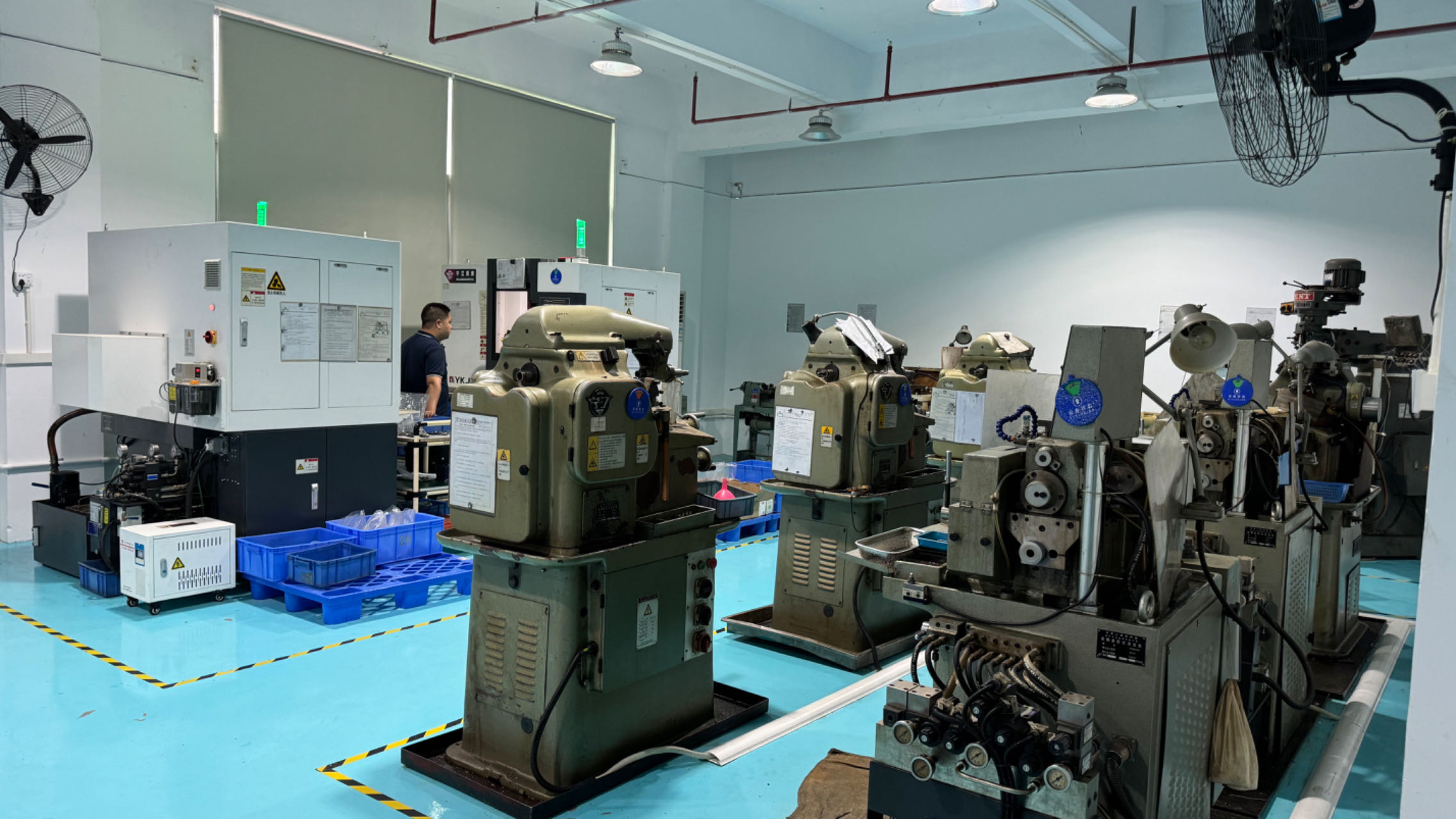
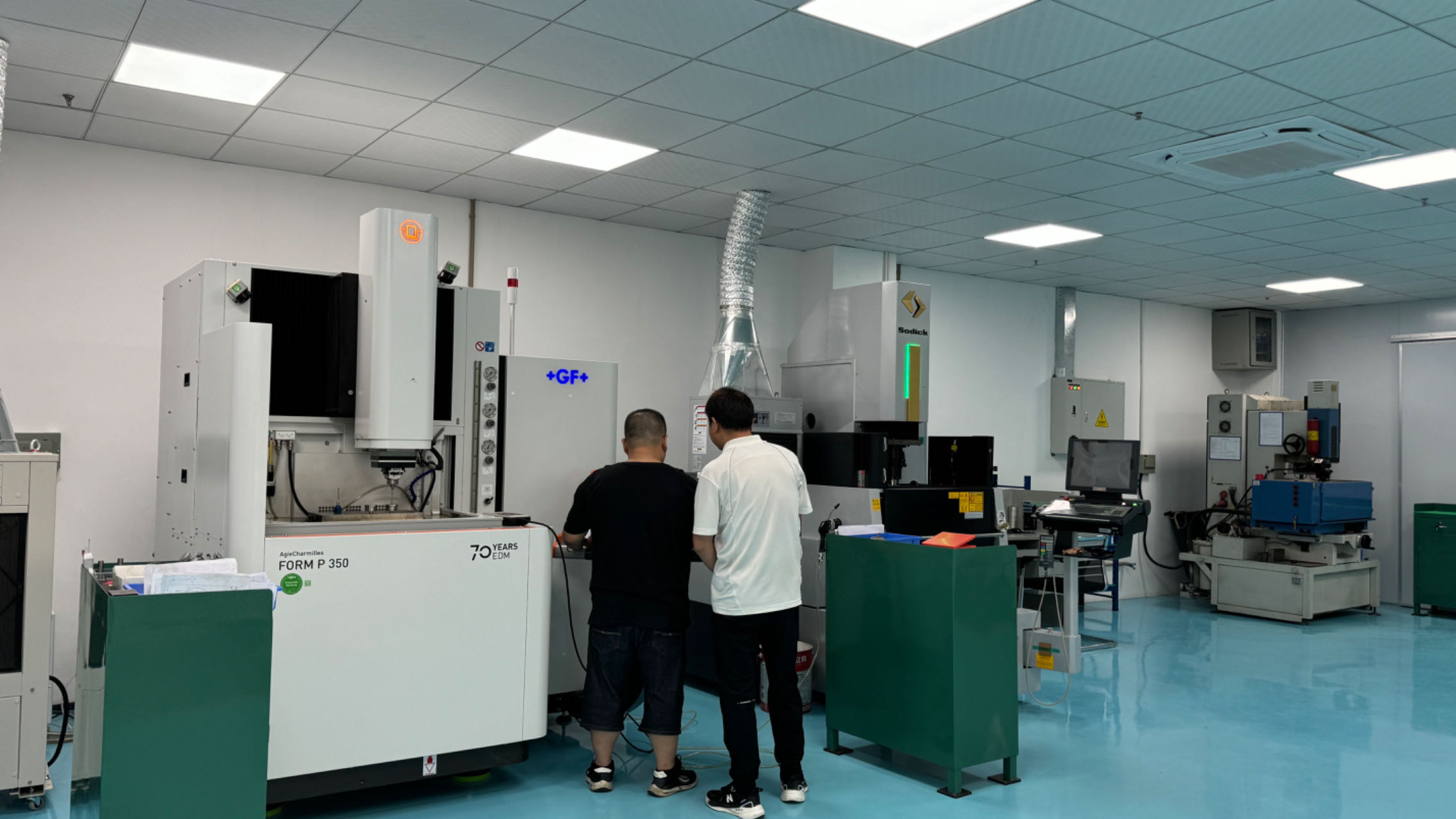
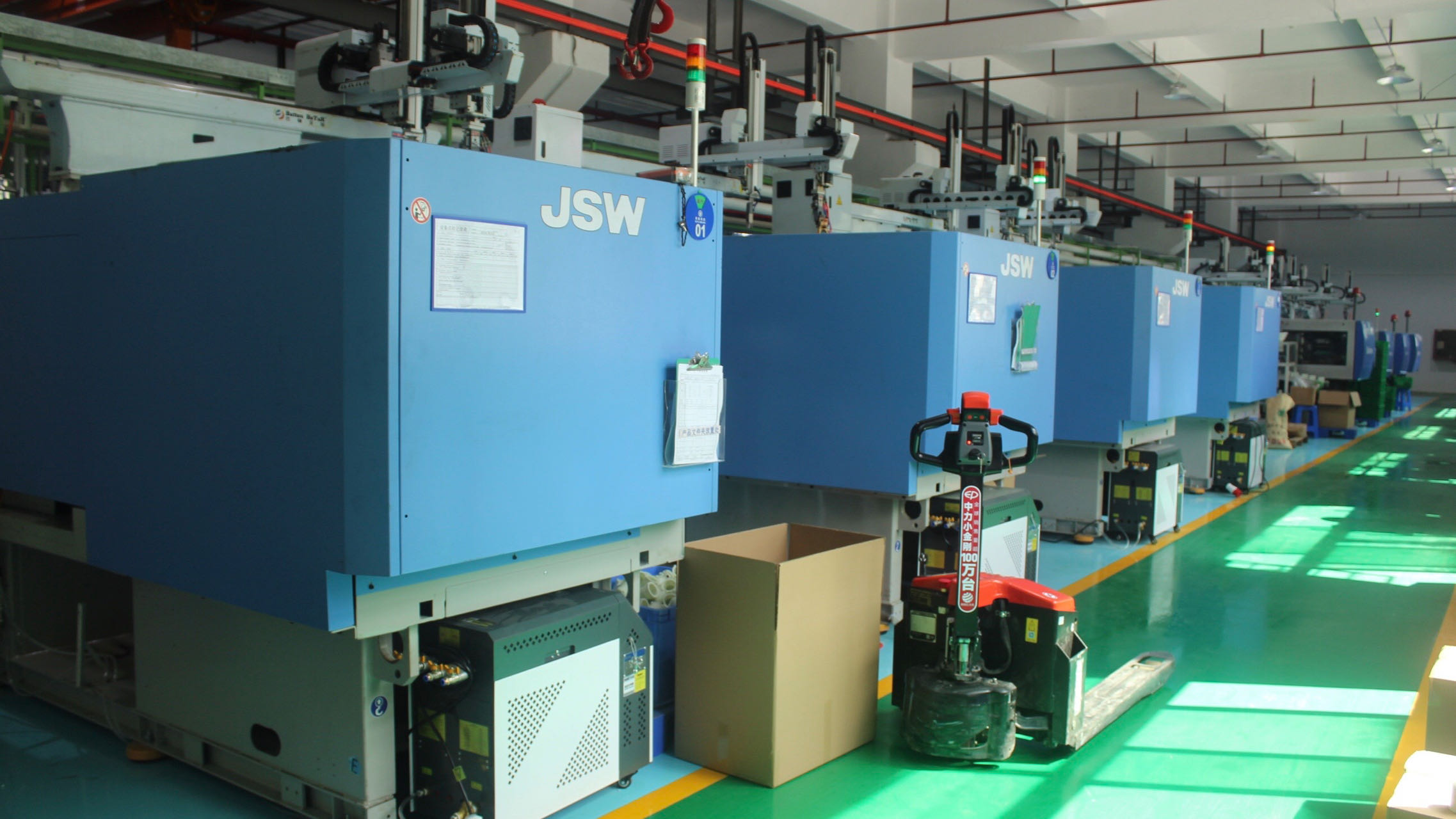
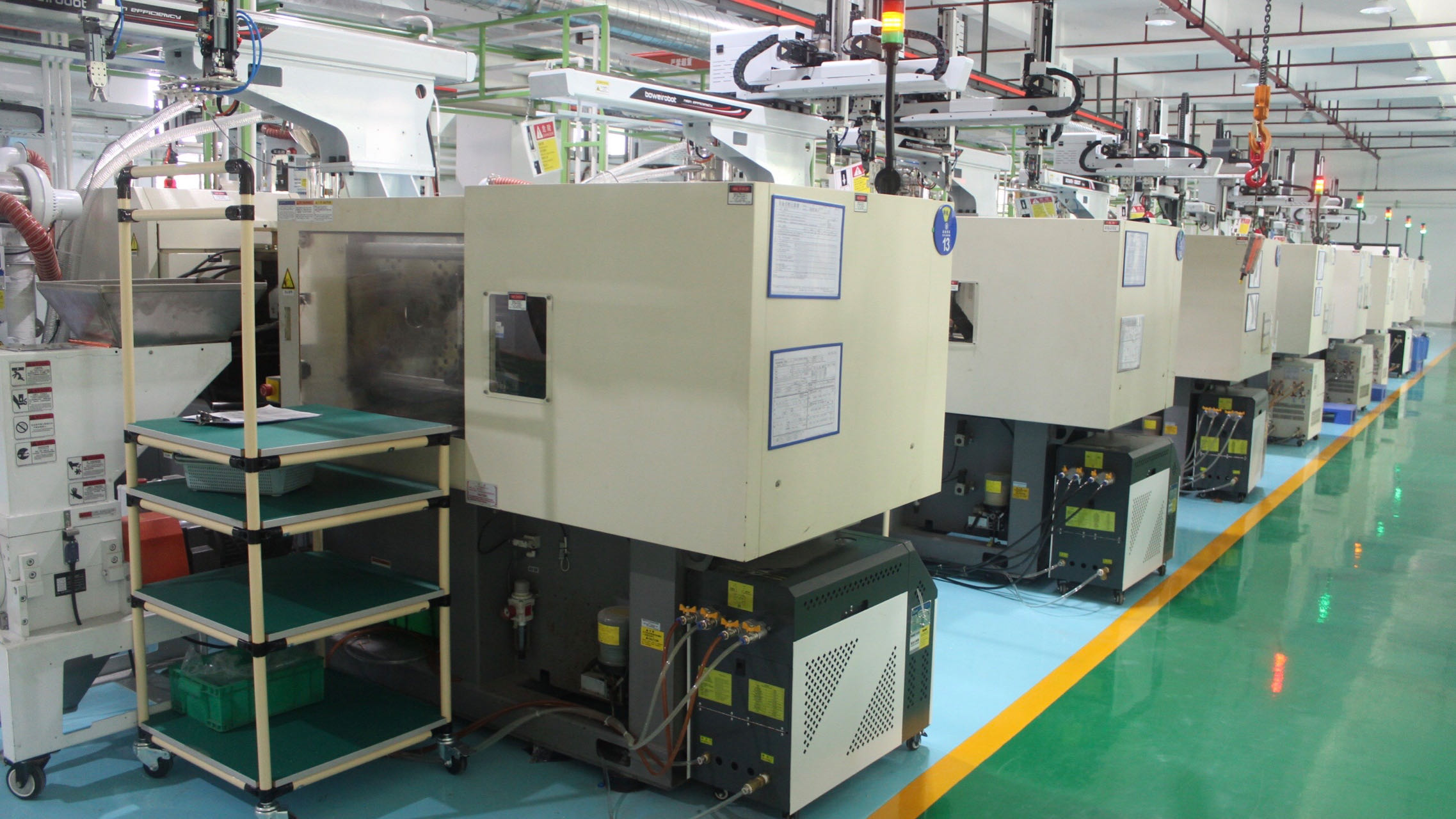

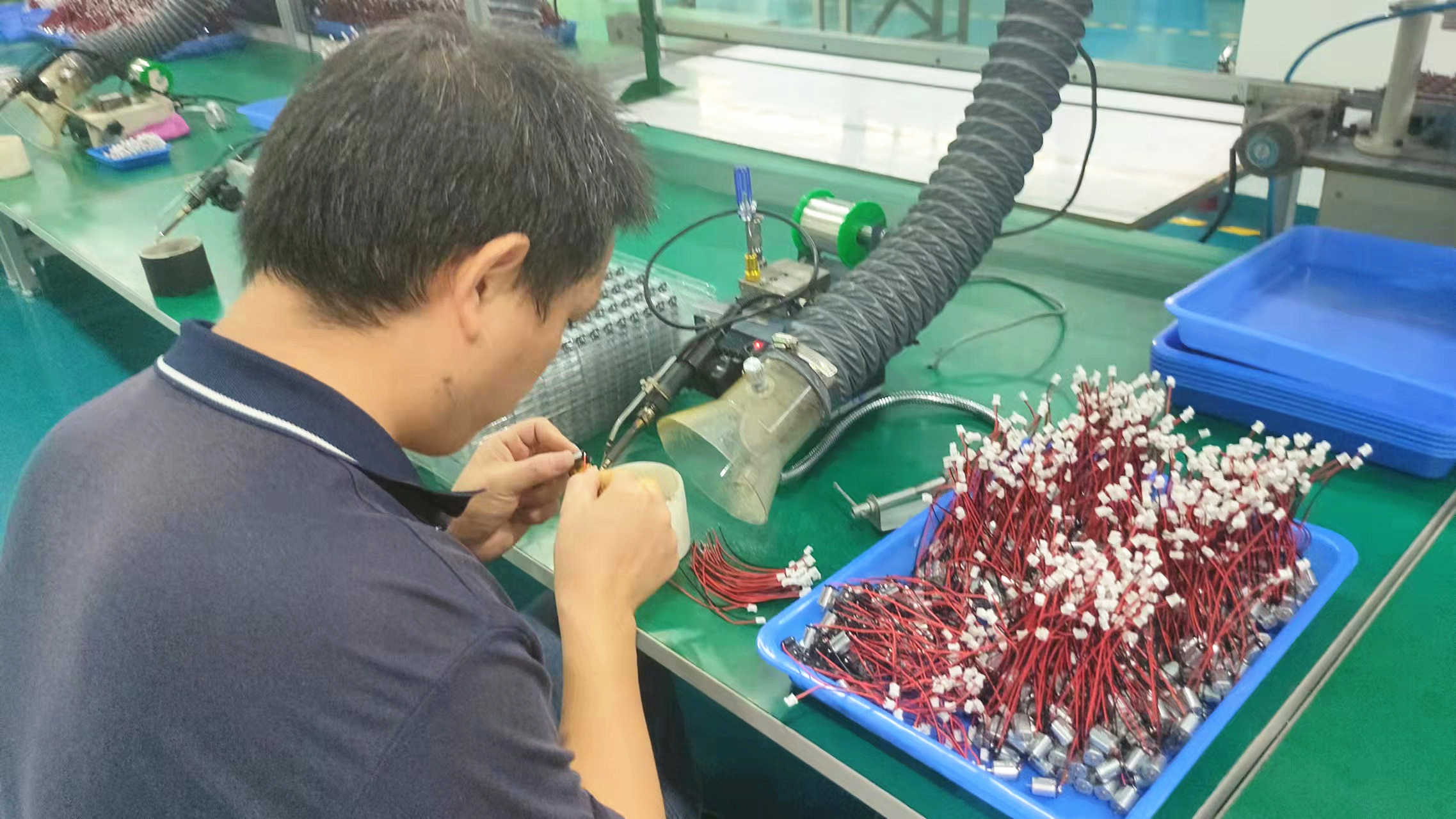
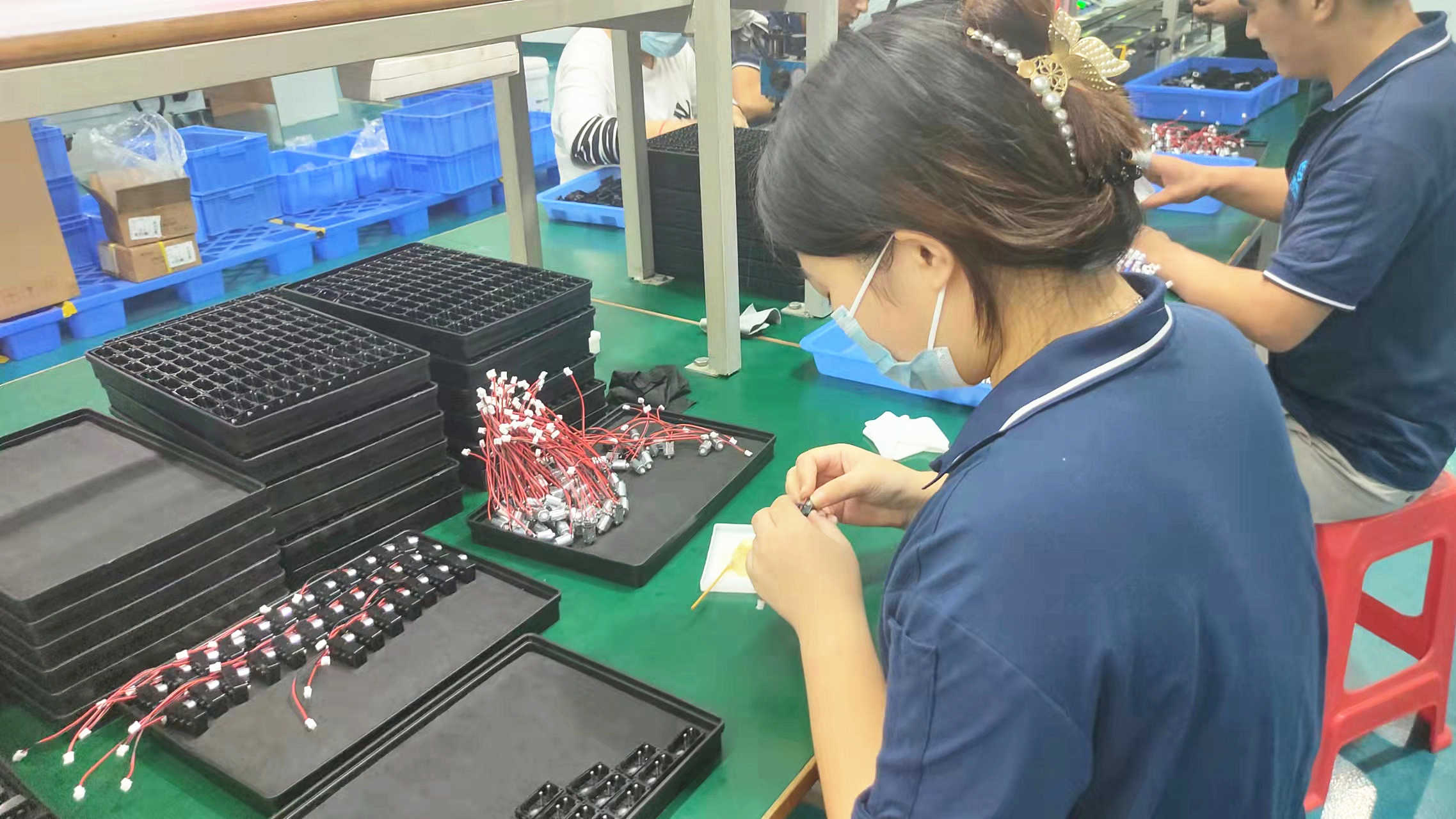
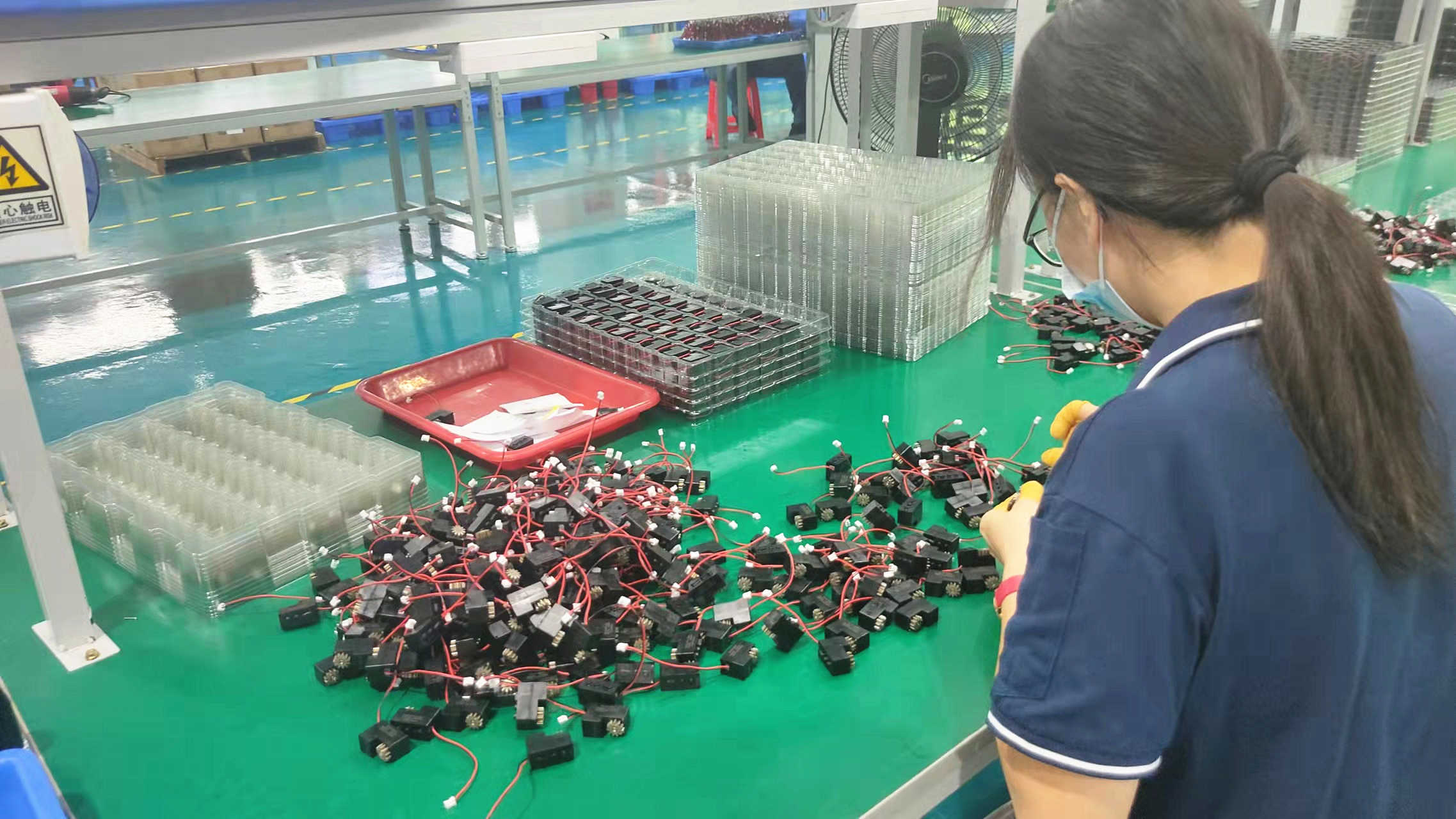
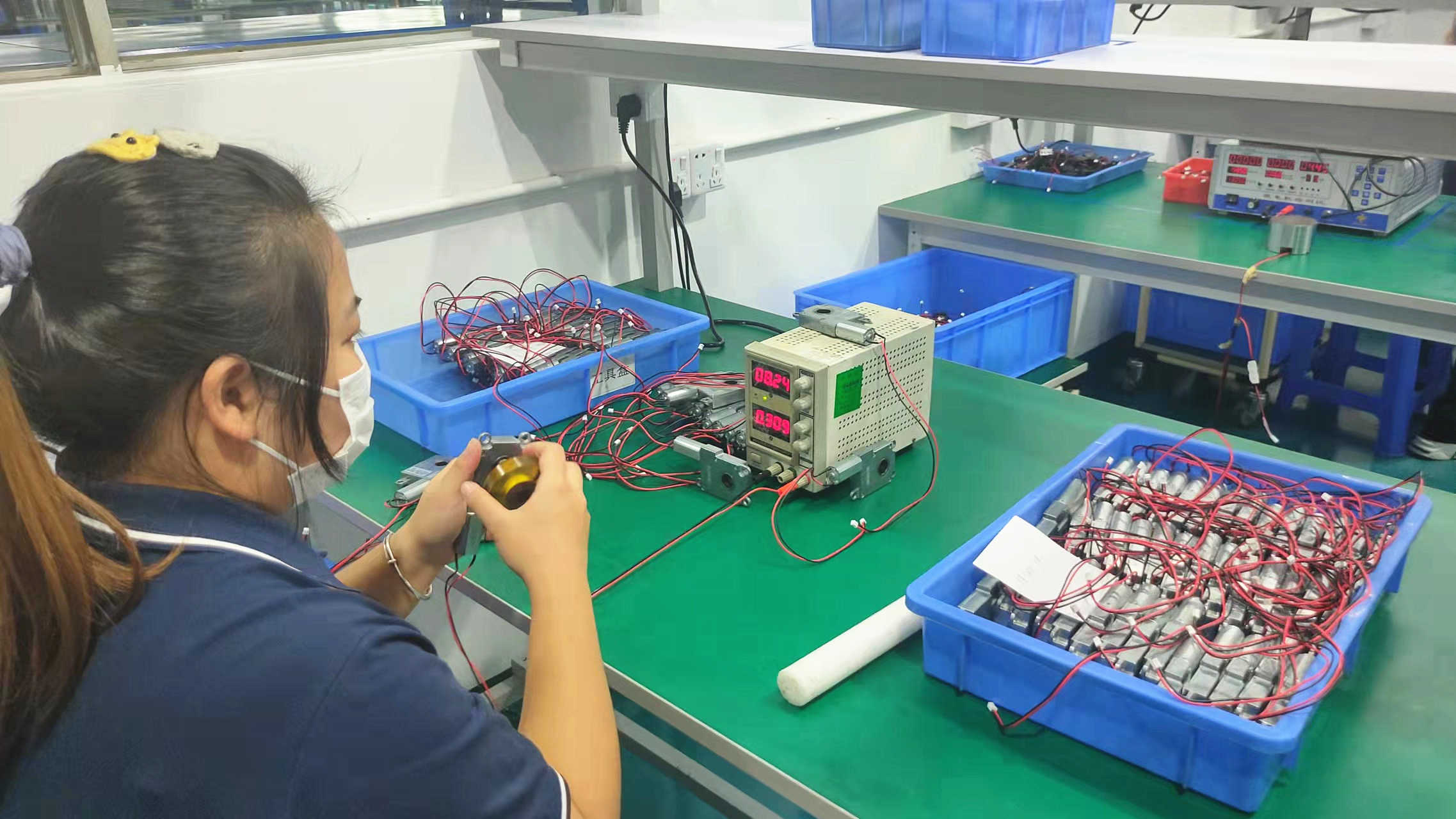
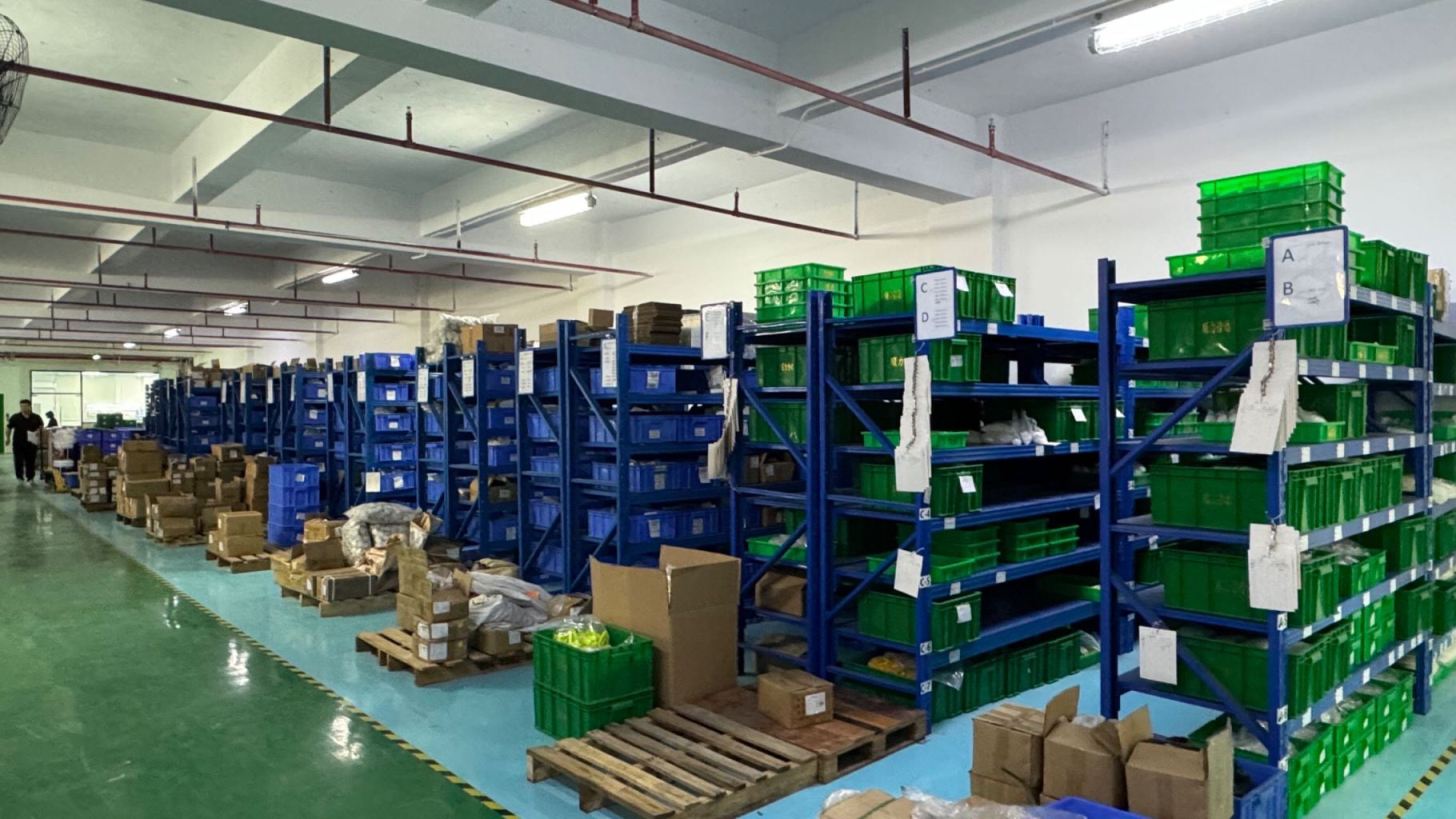
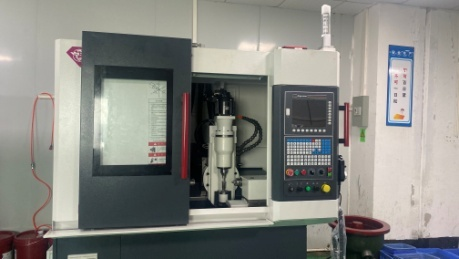
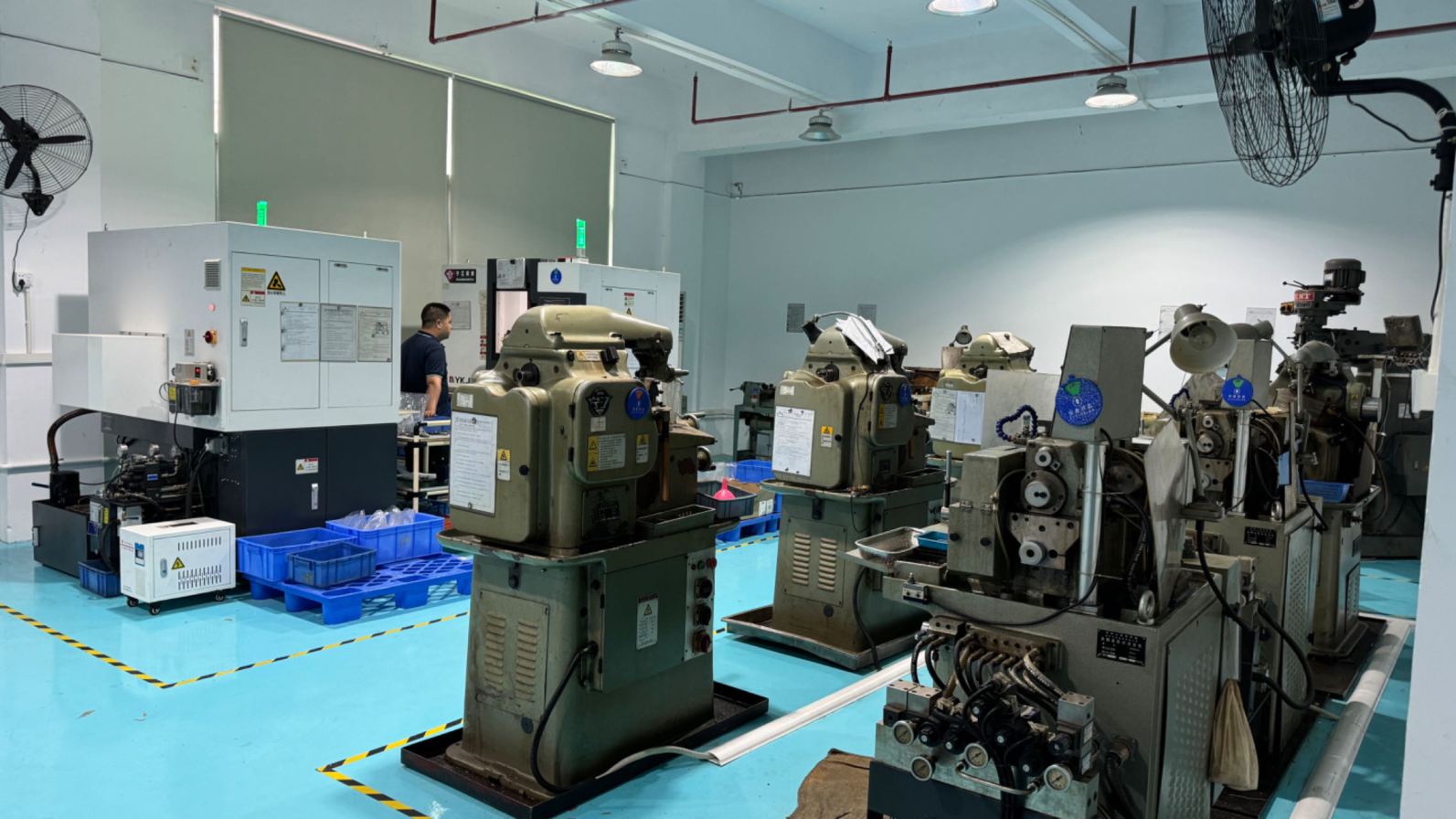
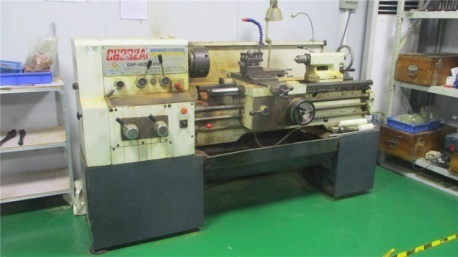
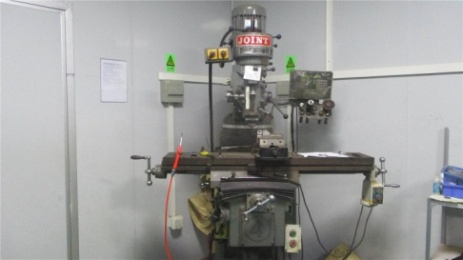
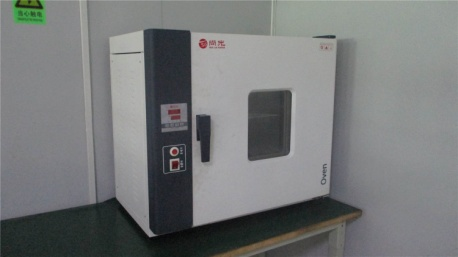
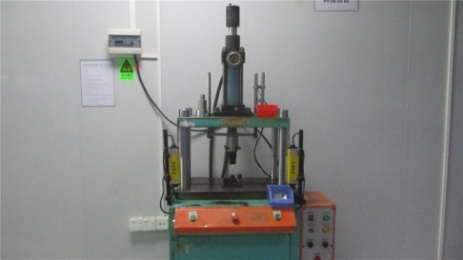
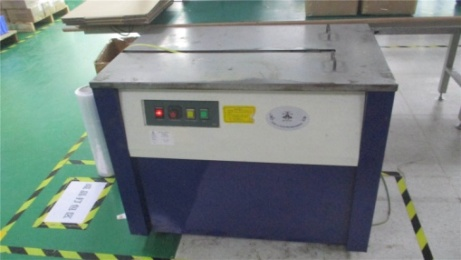
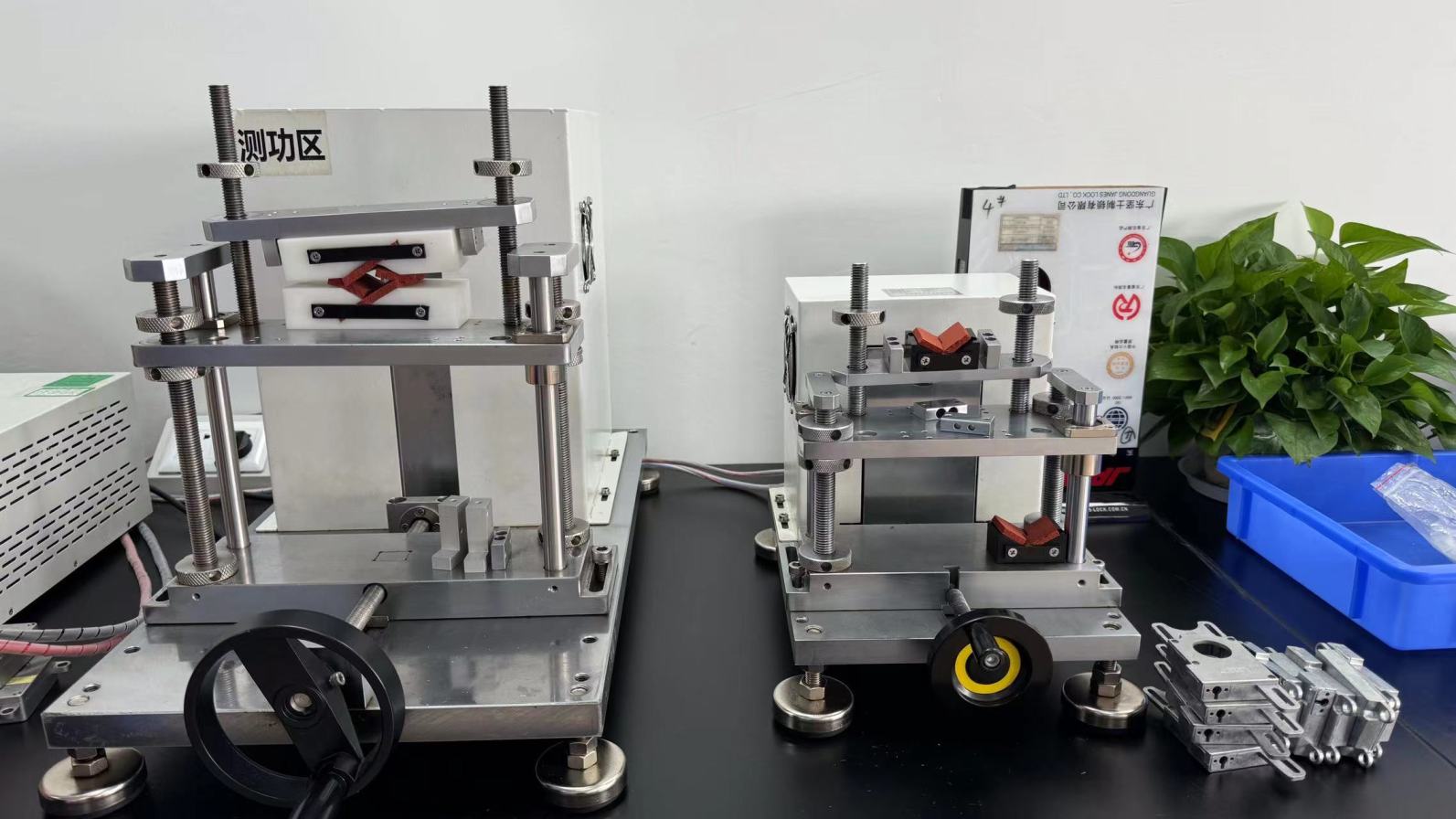
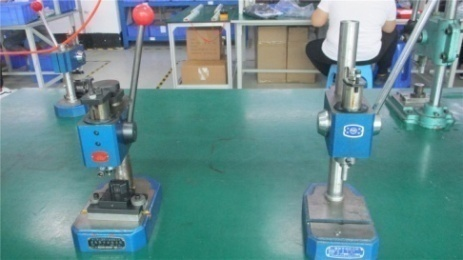
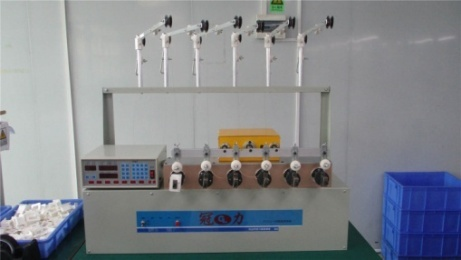
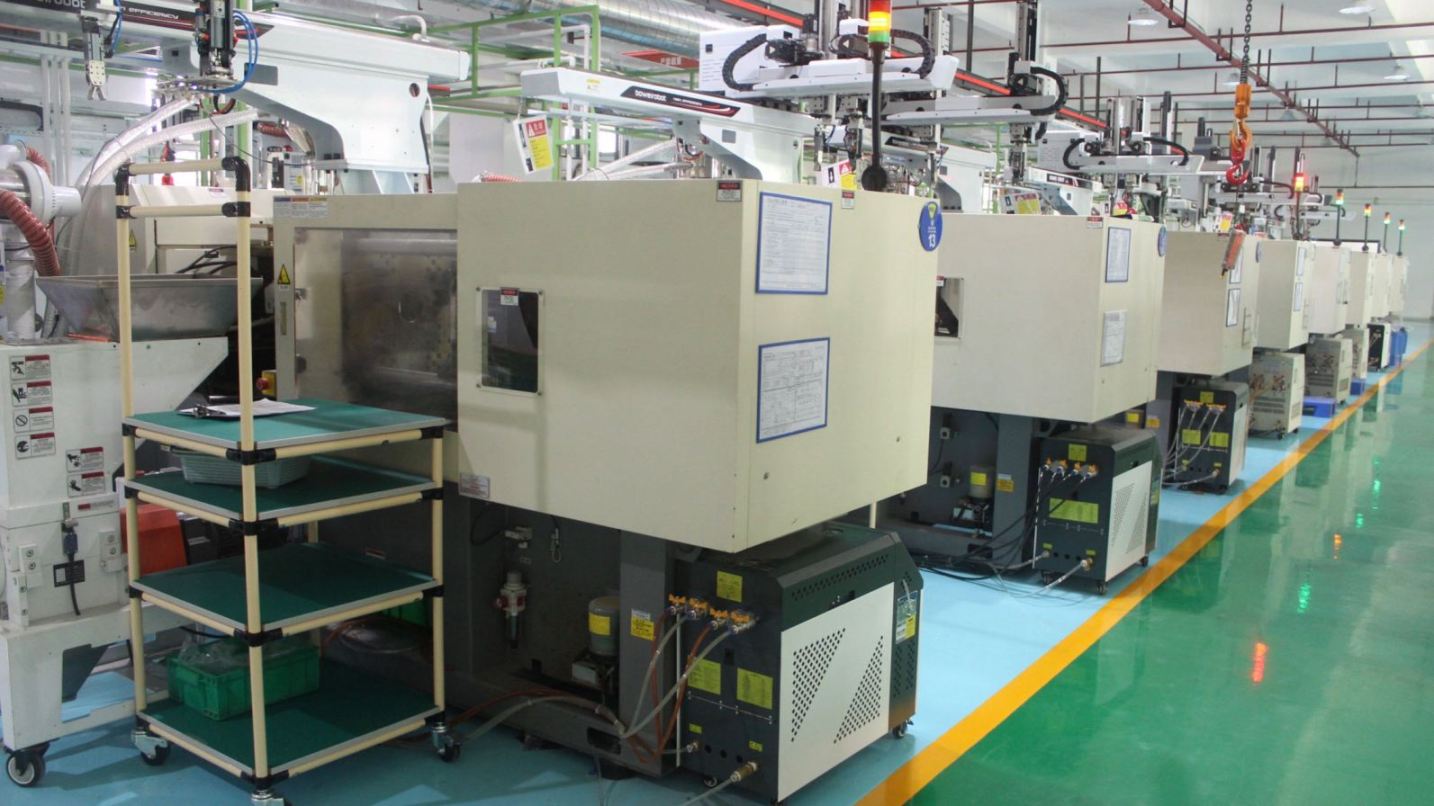
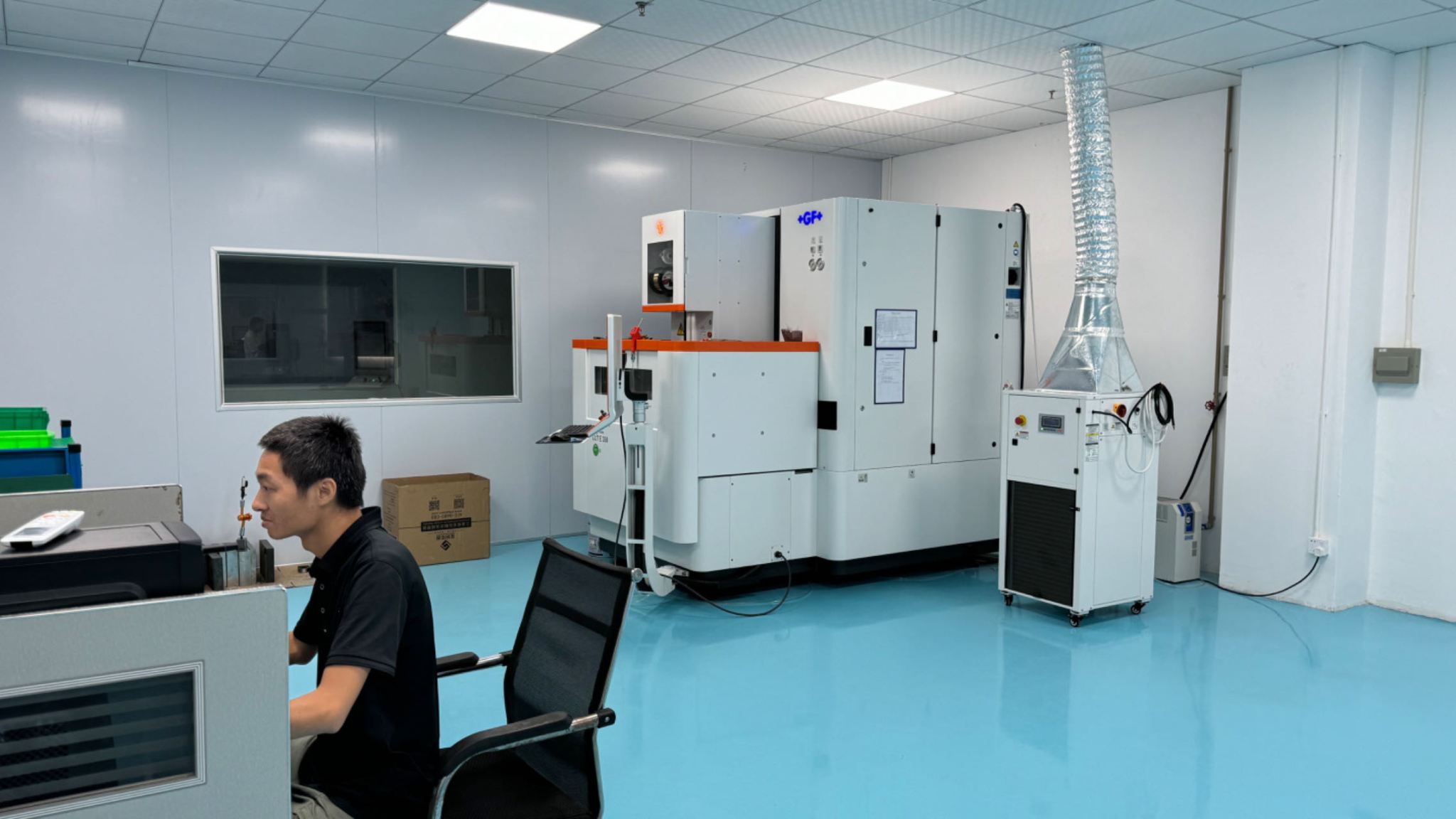
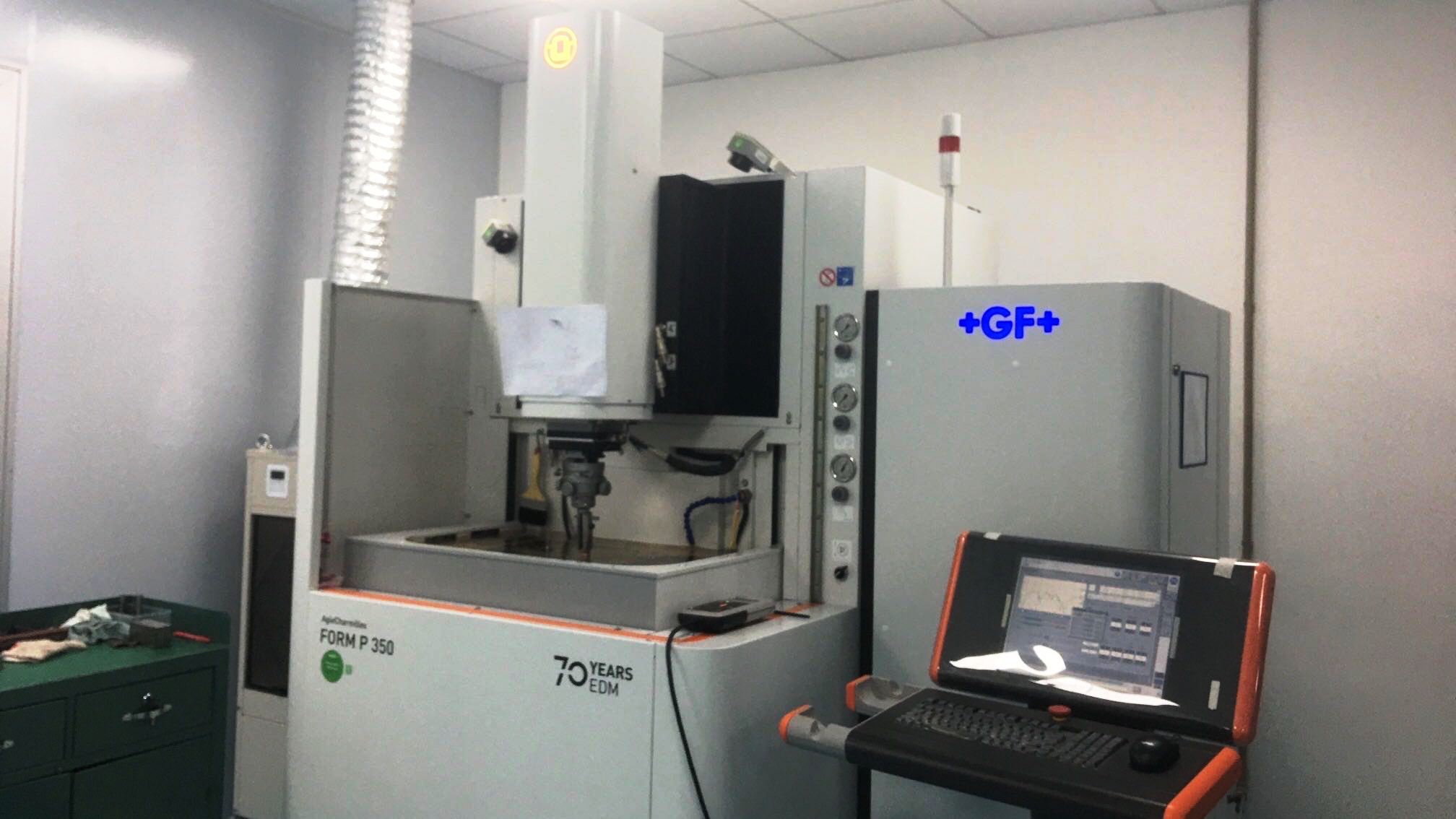
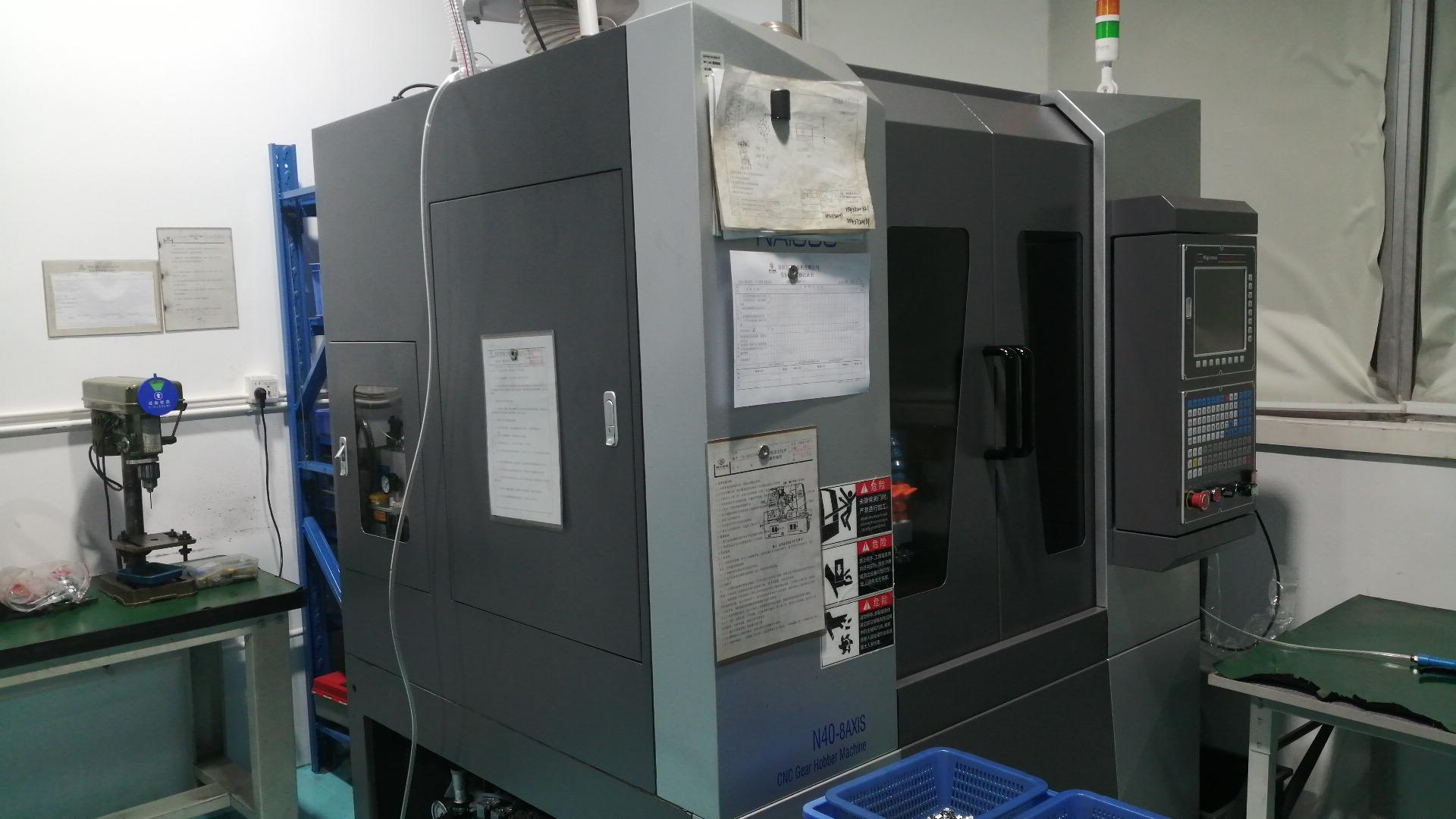
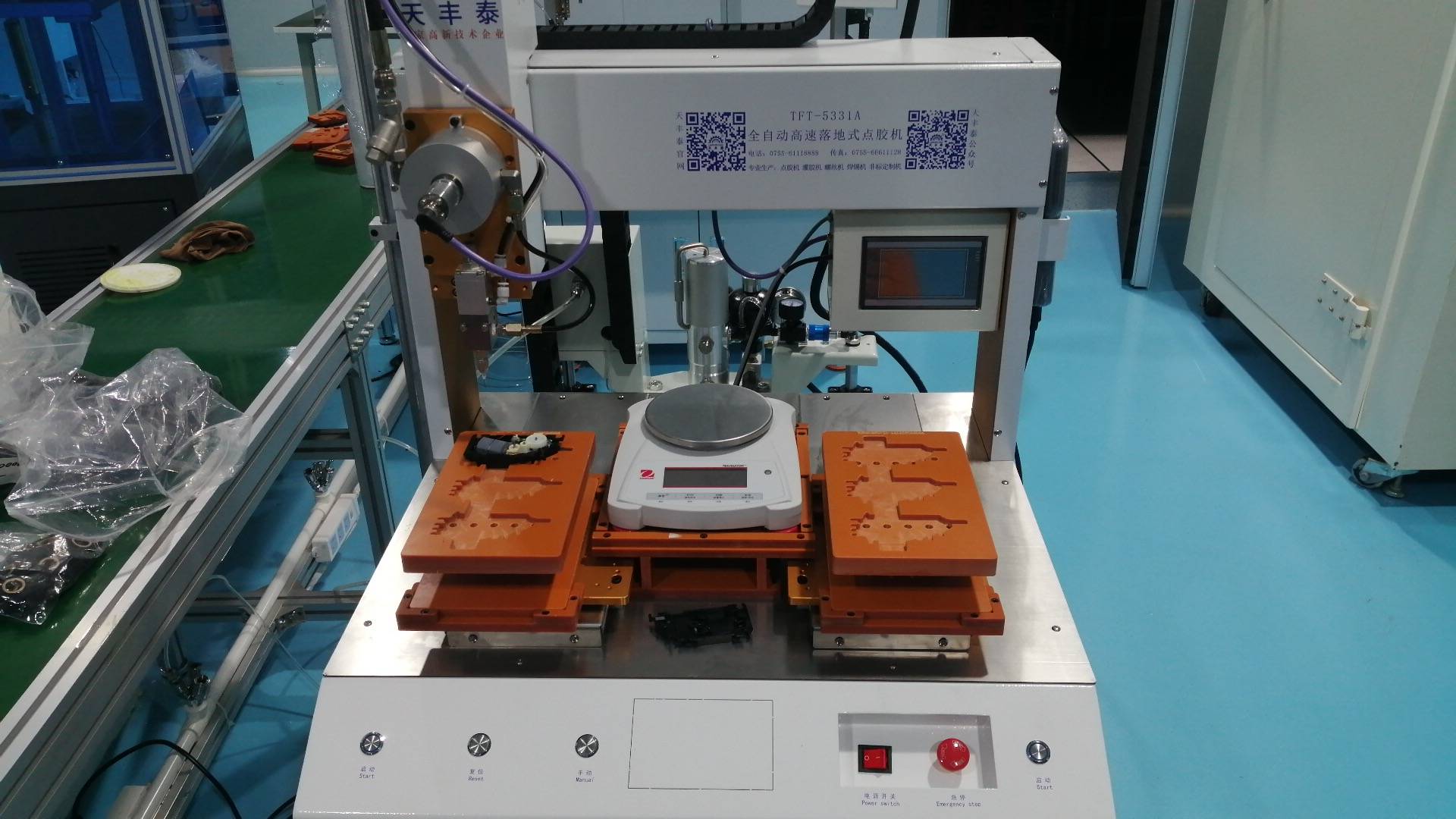
Every motor series destined for Pacific deployments undergoes strict testing to guarantee continuous duty operations.
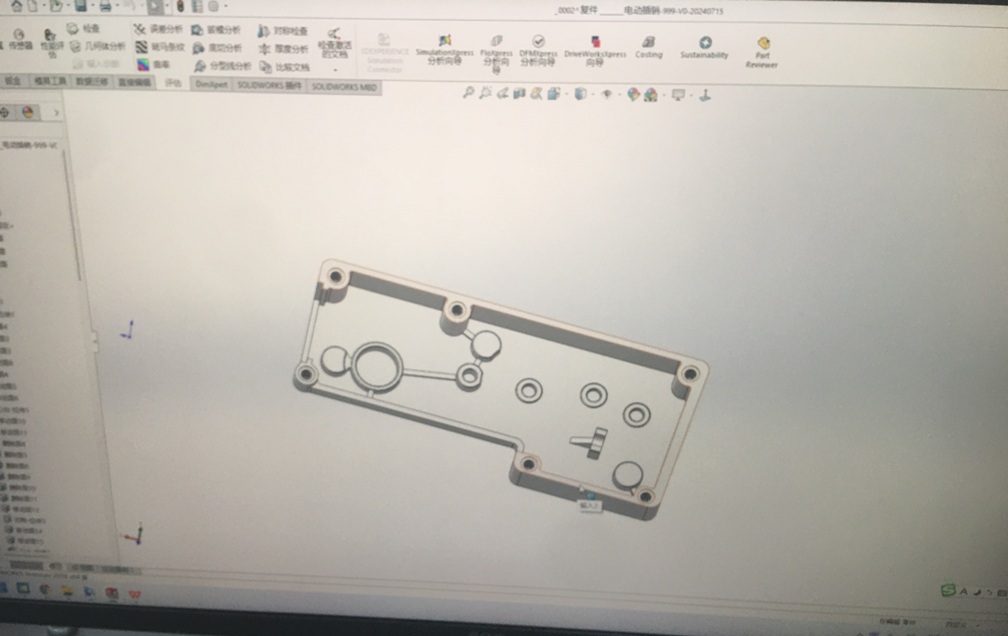
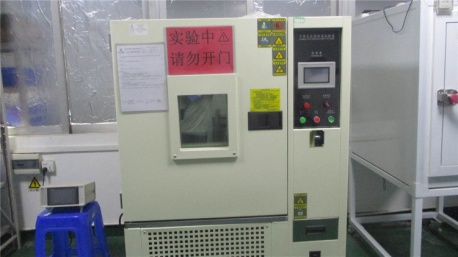
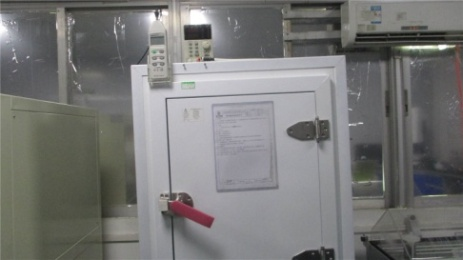
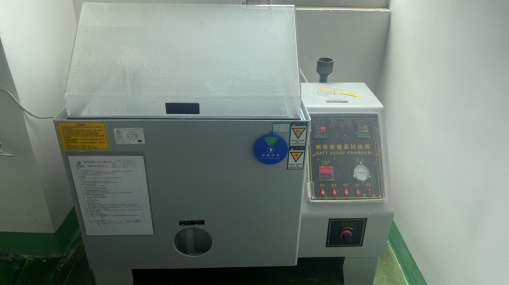
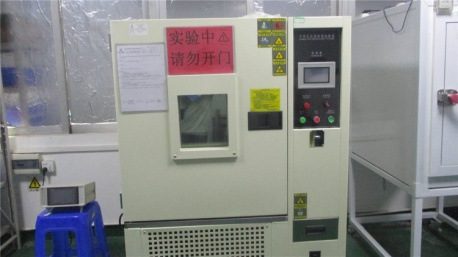
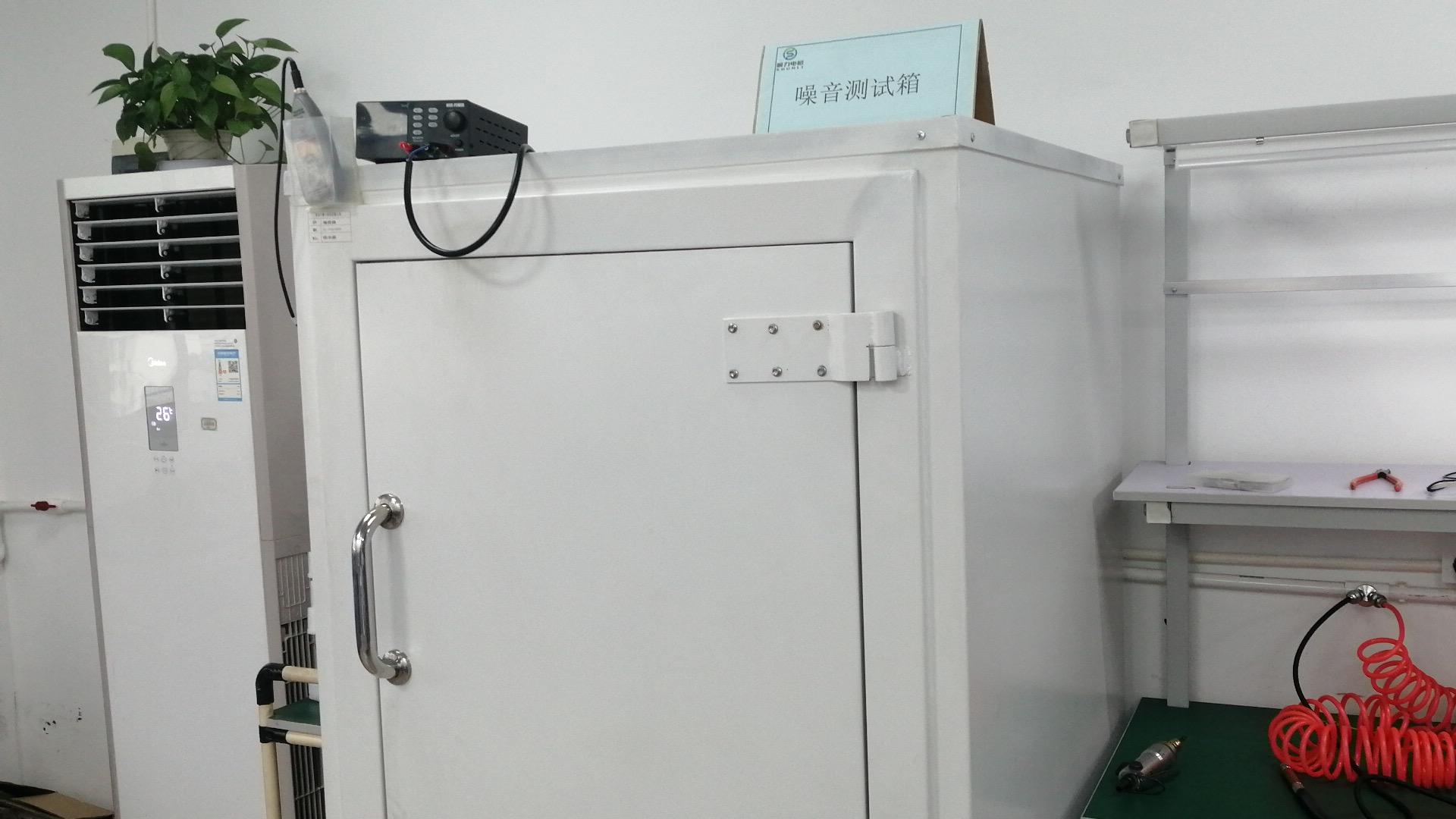
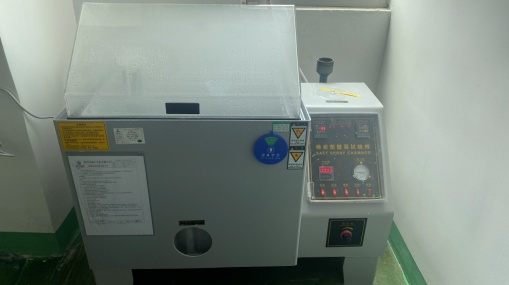
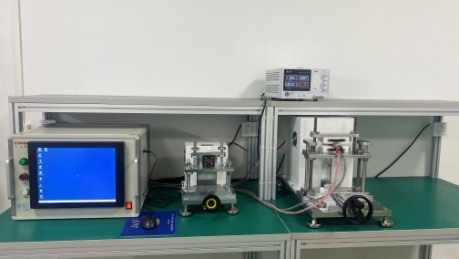
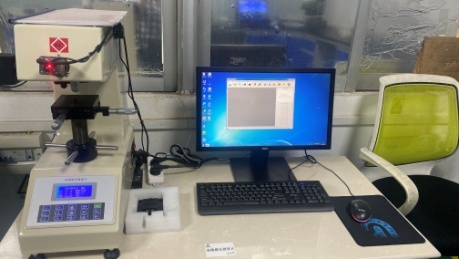
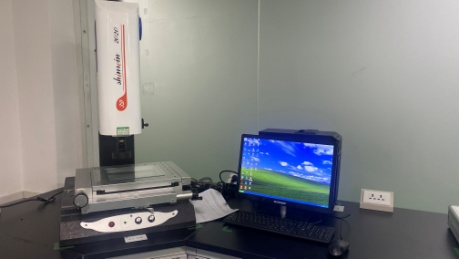
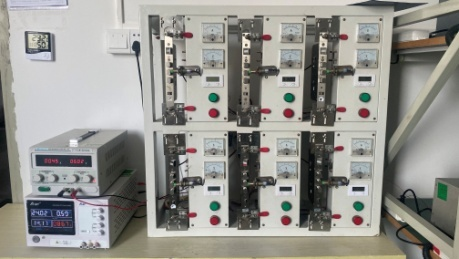
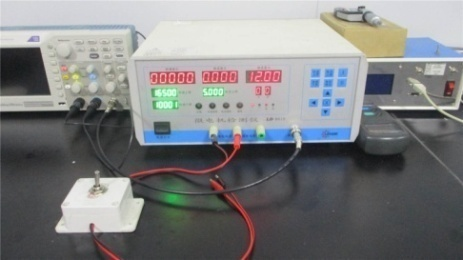
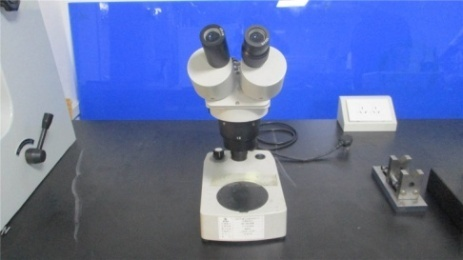
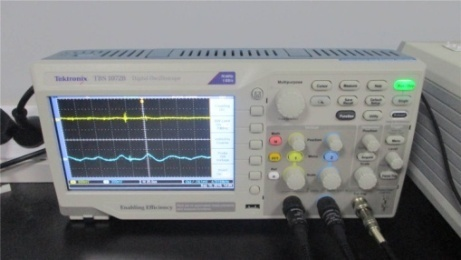
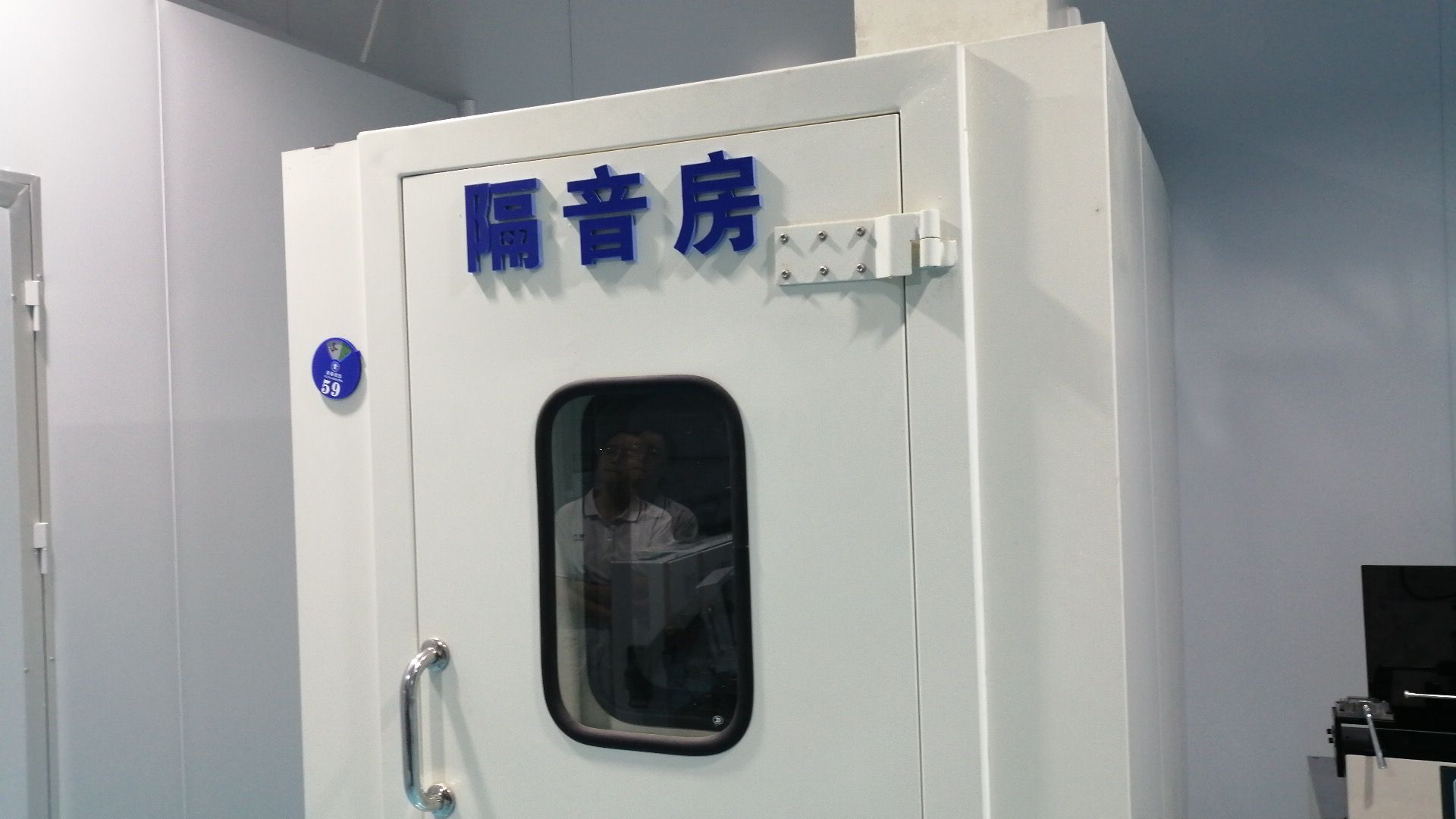
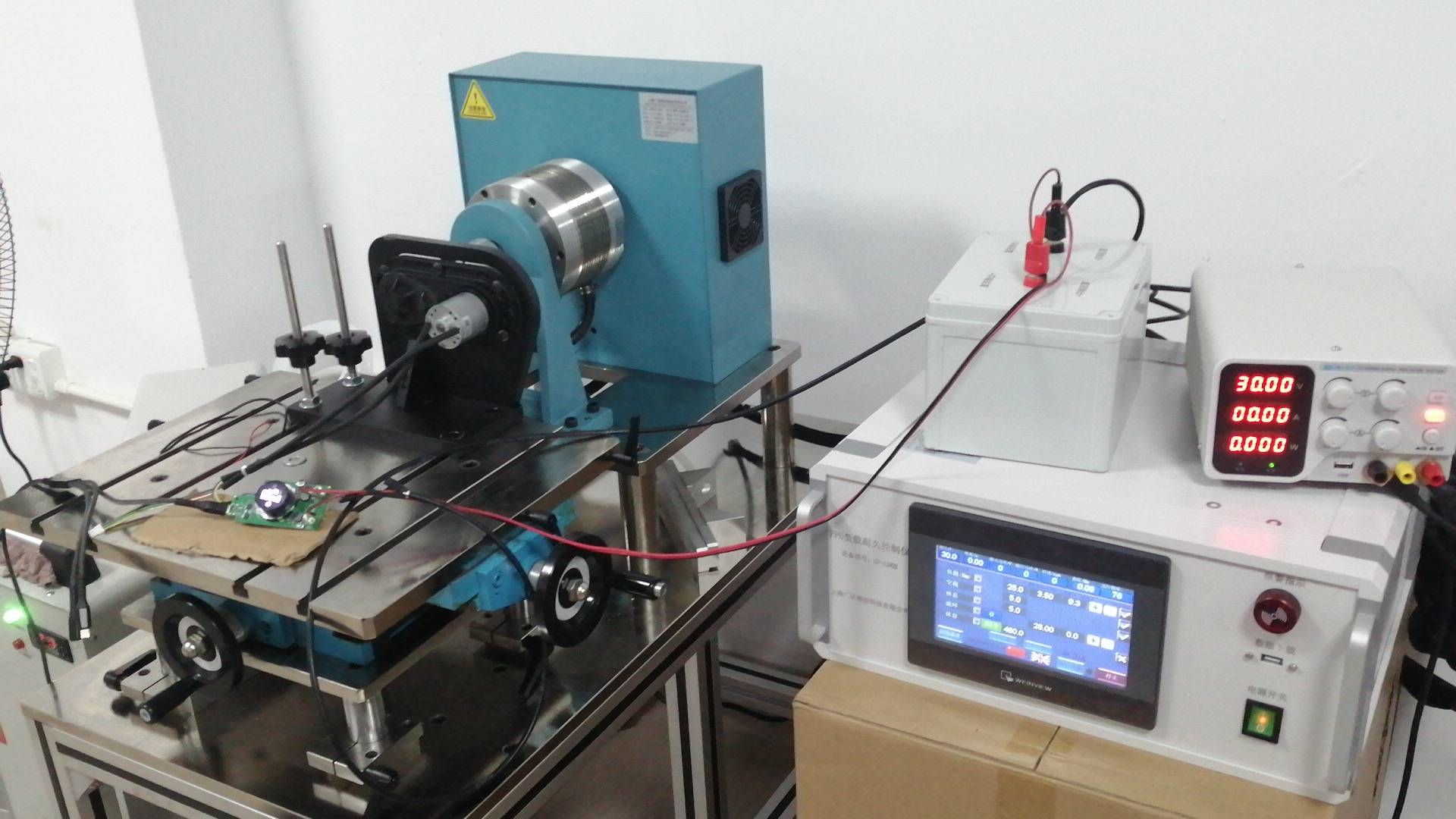
In equatorial maritime zones like Tarawa, sodium chloride particles act as catalysts for corrosion, promoting rapid pitting of motor housings and destruction of bearing seals. By utilising our automated Salt Spray Testing Machines, we subject sample batches to intensive corrosion chambers, simulating five years of marine atmosphere exposure. Only designs that exhibit zero oxidation on structural components and maintain full torque ratings are certified for batch production.
Streamlining procurement, manufacturing customization, and ocean shipping to Oceania.
From shaft length extensions to specialized gear ratios (e.g., planetary, spur, worm), our manufacturing plant can quickly modify mechanical dimensions. Clients in Kiribati can request variations tailored to local off-grid solar pump frames or unique marine mechanical housing configurations.
We work with global freight forwarders to organize maritime container shipping from China's primary ports (Ningbo, Shanghai, Shenzhen) via hub ports in Fiji (Suva) or direct cargo charters to Betio Port in South Tarawa. Full tracking, heavy-duty moisture-proof packaging, and custom clearances are standard.
Our micro drives comply with global benchmarks, including CE, RoHS, and ISO9001 certifications. This ensures that any system designed using Viterra Motors can be safely integrated into international aid agency projects, commercial building upgrades, or government initiatives in Kiribati.
Explore our production-ready micro drives, designed to optimize energy efficiency in residential and industrial application envelopes.
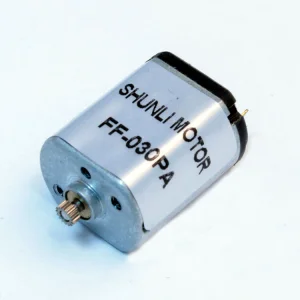
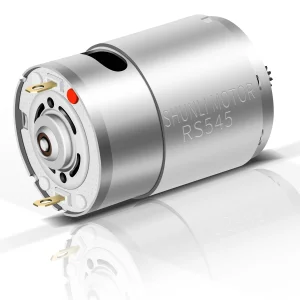
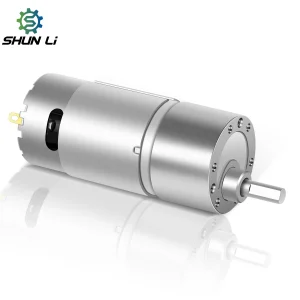
Highlighting the integration of low-voltage motors within local civilian and government programs.
Fresh water is a critical resource in low-lying atolls, which rely heavily on thin freshwater lenses below the sandy soil. Modern solar-powered brackish water desalination systems utilize small, highly efficient 12V and 24V DC motors to drive positive displacement pumps and low-pressure reverse osmosis systems. By matching the motor design to direct solar panel outputs (thus omitting complex charge controller and inverter stages), system reliability is doubled while installation costs drop.
Global research stations monitoring tide levels, sea surface temperatures, and local barometric changes throughout Oceania use low-power DC gear motors for instrumentation. These include rotating anemometer sensors, automated camera shutters, and water sampling valves. The motors must draw minimal standby current, handle highly dynamic wind loadings, and resist internal humidity condensations.
Kiribati's traditional and modern fishing industry relies heavily on outer-island transport vessels. Dynamic, high-torque miniature motors play crucial roles in marine autopilots, mechanical fuel pumps, and low-voltage bilge evacuation units. In these scenarios, high-efficiency permanent magnets ensure that emergency devices can run off small, isolated backup battery packs during main engine outages.
With temperatures consistently warm, domestic housing relies heavily on circulation fans. Direct-drive DC fan motors, particularly our brushless and high-efficiency carbon brush models (such as the 12v 6000rpm custom variants), operate smoothly for years when powered directly by domestic 50W to 100W rooftop solar panels, providing thermal relief without stressing local batteries.
As microelectronics demand more compact mechanical outputs, the industry is transitioning rapidly toward Brushless DC (BLDC) motors featuring integrated drivers. Integrated electronics minimize electromagnetic interference (EMI) and allow for high-speed variable speed controls via simple microcontrollers like Arduino or ESP32 arrays, frequently used in new low-cost agricultural sensors. At the same time, improvements in magnet formulations (such as high-coercivity Neodymium Iron Boron magnets) allow motors to pack larger torque profiles into sub-20mm diameters, opening new avenues for medical, domestic, and security locks.
Expert technical advice for engineers, project designers, and procurement managers sourcing DC motors for Pacific regions.
 Viterra Motor