Choosing among the Top 10 PWM Motor Controllers for Global Buyers requires more than comparing prices and headline specifications. A reliable Pwm Motor Controller must match the motor’s voltage, continuous current, startup load, and operating environment. A controller rated for 20 amps may perform differently inside a sealed enclosure at 40°C. Real conditions matter.
This guide examines practical options for robotics, conveyors, pumps, fans, and light industrial equipment. It considers speed stability, reverse control, braking, thermal protection, wiring access, and documentation quality. Buyers should also check PWM frequency, connector design, noise performance, and compatibility with brushed DC motors. Small details often decide installation time.
Numbers can mislead.
Some ratings describe short peaks, not continuous operation. That difference may remain unclear until the motor stalls or carries a heavy load. Our comparison therefore focuses on manufacturer data, observed usability, and common field requirements. It also considers regional supply, technical support, warranty terms, and certification information where available. These factors help purchasing teams reduce avoidable risks across different markets.
No single controller suits every application. A compact board may fit a mobile device but overheat in a factory cabinet. A rugged model may offer better protection but require extra wiring and configuration. We may also overlook newer products or regional brands with limited public documentation. Readers should verify final specifications with the supplier before installation. A careful test under the intended load remains essential.
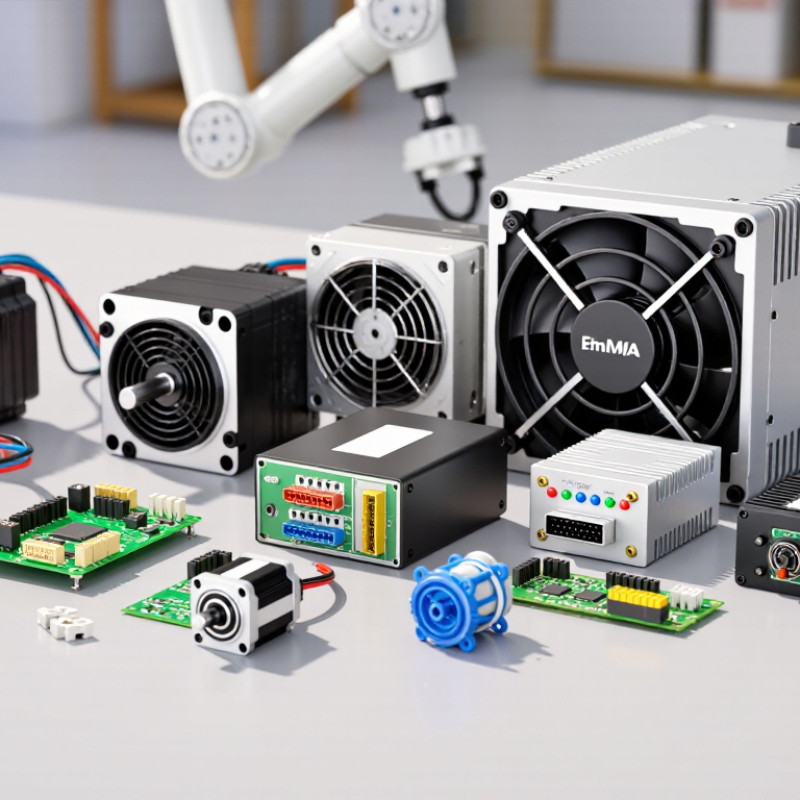
A PWM motor controller regulates motor speed by switching DC power on and off rapidly. Its duty cycle controls the average voltage delivered to the motor. For example, a 60% duty cycle supplies roughly 60% of the available bus voltage. The controller uses power transistors, a gate driver, and often current feedback. Higher switching frequencies can reduce audible noise, but they may increase heat and electromagnetic interference. The choice is never only about rated voltage.
The International Energy Agency’s Energy Efficiency 2023 report states that electric motor systems consume about 53% of global electricity. This makes efficient control valuable in pumps, fans, conveyors, and small mobility equipment. A suitable controller should match motor type, stall current, load profile, and cooling conditions. Brushed DC motors need different commutation control from brushless motors. A controller may look powerful on paper, yet fail during startup. That part is often overlooked. IEC 61800-based testing practices also show why thermal limits, protection functions, and electromagnetic compatibility deserve careful review. A neat formula does not solve every installation problem.
Tips: Check peak current, not only continuous current. Measure voltage at the motor terminals under load. Keep power wiring short and use proper fusing. Test at the real operating temperature. If the motor sounds harsh, adjust switching frequency carefully; the quietest setting may not deliver the best efficiency. Even experienced engineers should verify grounding and feedback signals before comparing the top ten controllers.
When comparing PWM motor controllers, start with electrical fit, not marketing claims. Check the motor’s rated voltage, peak current, stall current, and duty cycle. A controller rated only for normal current may fail during startup. The International Energy Agency reports that electric motor systems consume more than 40% of global electricity. Small efficiency gains therefore matter at scale. However, published efficiency figures can exclude wiring, cooling, and control losses. That gap deserves attention.
Compare switching frequency, current regulation, feedback support, and thermal protection. Higher PWM frequency can reduce audible noise, but it may increase switching losses and electromagnetic interference. IEC 61800-9-2 provides a useful framework for evaluating drive-system efficiency, yet it does not replace application testing.
In practical bench checks, temperature rise often reveals more than a product datasheet. Look for overcurrent, undervoltage, short-circuit, and stall protection. Check whether fault records remain available after power loss. That small detail can save hours of diagnosis. A controller with encoder or Hall feedback may deliver smoother low-speed torque, but it adds wiring and setup complexity.
Tips: Test the controller with the real motor and load. Measure current at startup, under load, and during braking. Keep cables short, shielded, and properly grounded. Do not assume “plug and play.” It rarely is. Review the latest technical report from the U.S. Department of Energy, because motor-system savings depend heavily on load profile, operating hours, and control quality. One imperfect comparison is better than a confident guess.
Top 10 PWM Motor Controllers for Global Buyers
The top 10 PWM motor controllers for global buyers should be judged by real operating conditions, not marketing claims. The U.S. Department of Energy reports that motor-driven equipment consumes about 70% of industrial electricity. This makes switching efficiency, thermal control, and standby losses important purchasing factors.
A reliable controller should support the required voltage, current, duty cycle, and motor type. Buyers should check peak current ratings, not only continuous ratings. A 24-volt controller driving a small conveyor may need brief surges above its normal load. Heat sinks, airflow, and enclosure ratings also matter in dusty workshops or humid warehouses. Small details matter.
The International Energy Agency identifies motor systems as responsible for more than 40% of global electricity use. Therefore, PWM frequency and control accuracy can affect operating costs over time. Look for documented EMC performance under IEC 61800-3 and electrical safety information aligned with IEC 61800-5-1. Certification marks should be verified for the destination market. Do not assume one approval works everywhere.
A practical shortlist should compare ten controllers using the same motor, load, supply, and temperature. Test noise, vibration, acceleration, and heat after one hour. Datasheets often show ideal results. Real installations are less polite. Some controllers may perform well electrically but offer weak manuals, limited terminals, or poor fault reporting. Global buyers should examine service support, replacement availability, and wiring clarity before choosing the lowest price.
| Rank | Controller Category | Motor Type | Input Voltage | Continuous Current | Peak Current | PWM Frequency | Control Interface | Protection Features | Typical Applications | Global Buyer Suitability |
|---|---|---|---|---|---|---|---|---|---|---|
| 1 | High-Current Digital PWM Controller | Brushed DC | 12–48 V DC | 30–50 A | 60–100 A for short durations | 15–20 kHz | 0–5 V analog, potentiometer, or serial command | Overcurrent, overvoltage, undervoltage, thermal shutdown, reverse polarity | Electric vehicles, mobile equipment, industrial conveyors | Best for high-power variable-speed control |
| 2 | Compact Dual-Channel PWM Module | Brushed DC | 6–30 V DC | 10 A per channel | 15–20 A per channel | 15–20 kHz | TTL/PWM input, direction input, enable input | Current limiting, thermal protection, short-circuit protection | Robotics, AGVs, laboratory automation, small machinery | Best for two-motor systems |
| 3 | Regenerative Braking PWM Controller | Brushed DC | 24–72 V DC | 25–40 A | 50–80 A | 16–20 kHz | Analog throttle, PWM command, CAN or serial interface | Regenerative braking, battery overvoltage, thermal, overcurrent | Electric carts, floor-cleaning machines, material-handling vehicles | Best for traction and battery-powered systems |
| 4 | Low-Voltage Embedded PWM Driver | Brushed DC | 3–15 V DC | 2–5 A | 5–8 A | 10–25 kHz | Microcontroller PWM, logic-level direction and enable | Current limiting, thermal shutdown, undervoltage lockout | Small robots, pumps, fans, camera mechanisms, consumer devices | Best for compact embedded designs |
| 5 | Single-Phase BLDC PWM Controller | Brushless DC, sensorless | 12–36 V DC | 5–15 A | 10–25 A | 15–30 kHz | Speed potentiometer, 0–5 V input, PWM input | Locked-rotor, overcurrent, overtemperature, soft start | Fans, pumps, blowers, compact compressors | Best for sensorless BLDC applications |
| 6 | Industrial DIN-Rail PWM Speed Controller | Brushed DC | 24–48 V DC | 8–20 A | 15–30 A | 2–20 kHz, configurable | 0–10 V, 4–20 mA, relay, or external potentiometer | Fuse protection, thermal monitoring, EMC filtering, current limiting | Factory automation, packaging machines, production lines | Best for control-panel integration |
| 7 | Waterproof Enclosed PWM Controller | Brushed DC | 12–48 V DC | 15–30 A | 30–60 A | 15–20 kHz | Potentiometer, throttle signal, or sealed external control | Ingress protection, reverse polarity, overcurrent, thermal shutdown | Outdoor equipment, marine actuators, agricultural machinery | Best for harsh and outdoor environments |
| 8 | Reversible H-Bridge PWM Controller | Brushed DC | 12–36 V DC | 10–25 A | 20–40 A | 10–20 kHz | PWM, direction, enable, and brake inputs | Cross-conduction prevention, short-circuit, thermal protection | Linear actuators, lift mechanisms, automated doors, robotics | Best for bidirectional motion |
| 9 | Panel-Mount Analog PWM Controller | Brushed DC | 12–24 V DC | 5–15 A | 10–20 A | 1–20 kHz | Front-panel potentiometer, start/stop switch, direction switch | Fuse protection, current limiting, thermal shutdown | Test benches, workshop machinery, display equipment | Best for simple manual operation |
| 10 | Microcontroller-Ready PWM Power Stage | Brushed DC or small BLDC | 5–24 V DC | 3–10 A | 6–15 A | 20–40 kHz | 3.3 V or 5 V logic PWM, direction, fault output | Overcurrent, undervoltage lockout, thermal shutdown, fault reporting | IoT devices, educational platforms, prototypes, smart appliances | Best for OEM and development projects |
Choosing a PWM motor controller starts with the motor, not the product ranking. Check rated voltage, continuous current, peak current, and startup demand. A 24-volt motor may briefly draw twice its running current. Undersizing creates heat, noise, and early failure. The IEA’s Energy Efficiency 2023 report estimates that electric motor systems consume about 50% of global electricity. Efficiency deserves serious attention. Select a controller with adjustable frequency, current limiting, and measurable thermal protection. Hall feedback may improve low-speed control, but it also increases wiring and commissioning work.
Your load decides the control method. Conveyors need steady torque. Fans and pumps often benefit from variable-speed control. European Commission preparatory studies indicate that suitable variable-speed drives can reduce energy consumption by up to 30%. Results depend on the machine and operating profile. Do not treat that figure as guaranteed. Check PWM frequency, electromagnetic compatibility, enclosure rating, and cooling conditions. For international projects, request datasheets, test reports, wiring diagrams, and clear input tolerances. Compliance evidence should match the destination market.
Tips: Record real startup current with a meter. Compare continuous ratings at the hottest expected ambient temperature. Test audible noise before approval. A controller that performs well on a bench may struggle inside a sealed cabinet. I would also leave thermal margin, even when calculations look comfortable. That choice costs more, but field repairs cost more.
Top 10 PWM Motor Controllers for Global Buyers
Installation, Safety, and International Buying Considerations
When comparing the top ten PWM motor controllers, check the motor’s rated voltage and continuous current first. A controller may survive a short overload but fail during a hot afternoon. Install it near the motor, but leave space around its heat sink for airflow. Use correctly sized cables, firm terminals, and an inline fuse close to the power source. Keep signal wires away from high-current wires to reduce electrical noise. Polarity matters. A reversed connection can damage the controller within seconds.
Safety testing should include no-load startup, gradual speed changes, and operation under the expected mechanical load. Watch for unusual heat, vibration, or a burning smell. Stop immediately if any appear. An emergency disconnect should remain easy to reach. Water resistance also needs careful interpretation; a sealed case does not guarantee safe outdoor installation. I have seen moisture enter through poorly protected cable glands. That detail is easy to miss. It deserves inspection.
For international purchases, confirm input voltage, current capacity, PWM frequency, connector type, and operating temperature. Request clear wiring diagrams and test reports from the seller. Check whether the documentation uses your preferred language and measurement units. Import duties, plug standards, replacement parts, and warranty procedures can change the real cost. A low listed price may become expensive after shipping delays. Certification markings should match the destination market, not merely appear on a product page. Some specifications remain vague, so ask written questions before payment.
Check rated voltage, continuous current, peak current, and startup demand. A 24-volt motor may briefly draw twice its running current. An undersized controller can overheat, create noise, and fail early. Leave thermal margin, even when calculations look comfortable.
Conveyors usually need steady torque. Fans and pumps often benefit from variable-speed control. The machine’s operating profile matters more than a general energy-saving claim. Do not treat a possible 30% reduction as guaranteed.
Look for adjustable PWM frequency, current limiting, and thermal protection. Hall feedback can improve low-speed control. It also adds wiring and commissioning work. More features are not always better.
Measure startup current with a suitable meter. Record the highest reading during acceleration. Compare it with the controller’s peak rating. Bench results may not reflect a loaded machine.
Install it near the motor, while leaving airflow around the heat sink. Use correctly sized cables and firm terminals. Keep signal wires away from high-current wires. Test it warm.
Place an inline fuse close to the power source. Check polarity before applying power. A reversed connection can damage the controller within seconds. Polarity matters.
Begin with no-load startup and gradual speed changes. Then test the expected mechanical load. Watch for unusual heat, vibration, or a burning smell. Stop immediately if any appear.
Confirm input voltage, current capacity, PWM frequency, connectors, and temperature limits. Request wiring diagrams, test reports, and clear input tolerances. Check certification evidence for the destination market. A marking on a product page may not prove enough.
Not automatically. Inspect cable glands, enclosure protection, and installation exposure. Moisture can enter through poorly protected openings. A sealed case is not a complete outdoor guarantee.
Include shipping delays, import duties, plug standards, replacement parts, and warranty procedures. A low listed price may become expensive later. Ask unclear specification questions in writing. I would not rely on assumptions here.
This guide explains what a Pwm Motor Controller is and how it regulates motor speed, torque, and direction by rapidly switching power through pulse-width modulation. It introduces the main factors global buyers should compare, including voltage and current ratings, control range, efficiency, heat management, protection functions, signal compatibility, installation requirements, and long-term reliability. The article also presents a practical selection of ten controller types suitable for different motor sizes, operating environments, and application goals, without focusing on specific brands.
Readers will learn how to match a Pwm Motor Controller with their motor, power supply, load, duty cycle, and control system. The guide also covers installation practices, wiring checks, ventilation, grounding, overload protection, and safe testing procedures. For international purchasing, it highlights the importance of clear technical specifications, product documentation, certification expectations, shipping conditions, warranty support, and compatibility with local electrical requirements.

Viterra Motor