Top 10 Motor For Lock Solutions You Need to Know?

Time:2026-08-14 Author:Madeline
0%

In today’s lock industry, the importance of reliable Motor For Lock solutions cannot be overstated. According to a recent report from the Lock Technology Institute, the global market for locking mechanisms is expected to reach $7.4 billion by 2026. This growth highlights the increasing reliance on sophisticated motorized lock systems in both residential and commercial applications.

Industry expert John Mitchell, a leading voice at SecureTech Innovations, notes, “The right Motor For Lock can significantly enhance security and user convenience.” His insights emphasize the value of integrating advanced motors for optimal lock performance. However, many users still face challenges in selecting the best motor solutions.

With various options available, understanding the unique features and benefits of each type is crucial. The right choice can boost security but may require extensive research. Achieving the balance between security and convenience is essential. It is important to reflect on personal needs and the latest advancements in Motor For Lock technologies.
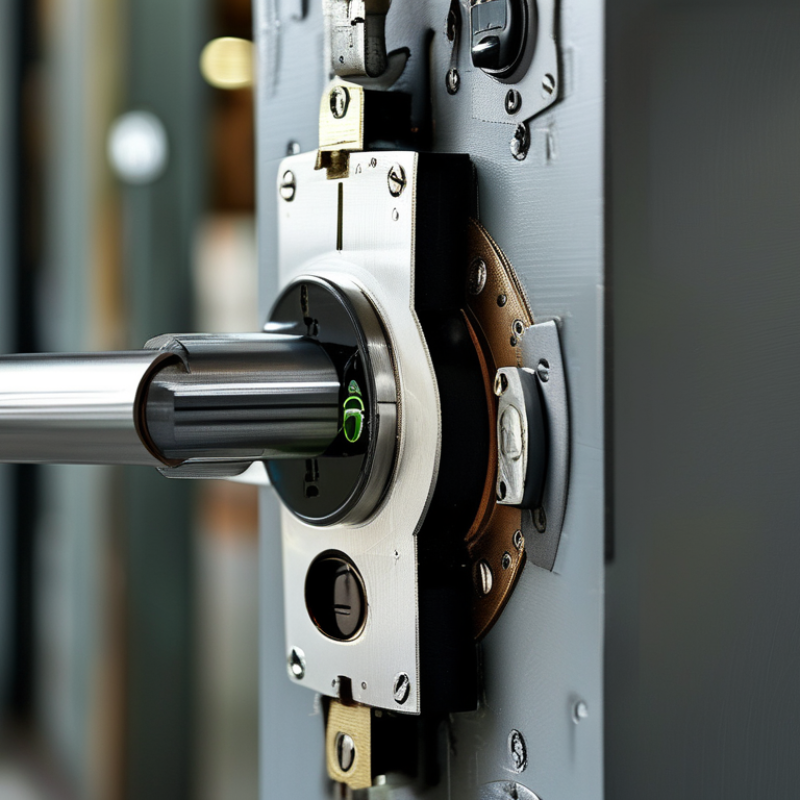
Top 10 Motor For Lock Solutions You Need to Know?

Overview of Motor Types Used in Lock Solutions

When it comes to lock solutions, understanding the types of motors involved is crucial. Various motor types play significant roles in enhancing security and convenience. Electric motors are among the most common. They provide reliable operation for electronic locks. These motors can be found in various applications, from residential doors to high-security facilities.

Another vital type is the solenoid motor. Solenoids convert electrical energy into mechanical motion. They are often used in simple locking mechanisms. However, their limitations can include slower response times. This can be a drawback for automated systems that require quick locking and unlocking.

Finally, stepper motors are gaining attention for their precision. They offer accurate control over locking positions. Although more complex, their ability to operate in incremental steps provides unique advantages. Users should carefully consider these pros and cons when selecting a motor for lock solutions. Exploring these motor types may reveal opportunities for improved security.

Top 10 Motor For Lock Solutions You Need to Know

Motor Type Application Power Source Torque Rating Speed (RPM) Control Type
DC Motor Electronic Locks Battery High Torque 3000 Open/Close
Stepper Motor Smart Locks AC Power Variable Torque 1200 Digital Control
Servo Motor Access Control Battery/AC High Precision 1500 PID Control
AC Induction Motor Heavy-Duty Locks AC Power Fixed Torque 1800 Electromechanical
Brushless Motor Electronic High-Security Battery/AC Consistent Torque 3000 Closed-Loop Control
Linear Actuator Automated Gates DC Power Moderate Torque 500 Simple Control
Geared Motor High-Traffic Locks AC Power High Torque 1200 Variable Speed Control
Piezoelectric Motor Nano Locks AC/Battery Low Torque 8000 Precision Control
Hydraulic Motor Industrial Locks Hydraulic Systems Very High Torque Varies Flow Control
Synchronous Motor High-Speed Locks AC Power Moderate Torque 3600 Advanced Control

Key Features and Benefits of Electric Motors for Locks

Electric motors play a crucial role in modern locking systems. They enhance security and convenience. Unlike traditional lock mechanisms, electric motors offer more efficient operation. These motors can be controlled with precision. For instance, remote access becomes a reality, allowing users to unlock their doors from a distance.

A reliable electric motor enhances the speed and efficiency of locking mechanisms. The integration of sensors promotes real-time monitoring. This feature can alert users about unauthorized access attempts. Adopting electric motors can also reduce wear and tear, prolonging the life of the locking system.

**Tip**: Always check the power backup for electric motors. Unforeseen power failures can leave your lock inoperative. Consider investing in a motor with a manual override, ensuring continuous access.

Furthermore, the noise generated by some electric motors can be a concern. It is essential to choose motors that operate quietly, especially for residential settings. Many users find it frustrating when a lock makes loud noises during operation.

**Tip**: Conduct periodic maintenance checks. This helps identify any unusual sounds or malfunctions early. Regular inspections can enhance the longevity of your electric locking system.

Top 10 Electric Motors for Lock Solutions

This chart illustrates the torque ratings of the top 10 electric motors used in lock solutions. Higher torque values indicate better performance in locking mechanisms, making these motors suitable for various locking applications.

Comparative Analysis of Servo Motors vs. Stepper Motors

When considering motor solutions for lock systems, understanding the differences between servo motors and stepper motors is crucial. Servo motors are designed for precision. They can deliver precise positioning and control over speed. This makes them ideal for applications requiring exact movements, such as robotic locks. They often have a feedback system. This ensures they can correct any deviations during operation. However, servo motors can be more complex and costly.

On the other hand, stepper motors simplify control. They move in distinct steps, making them suitable for applications where moderate precision is acceptable. Their open-loop control means they are easier to set up. Yet, this can lead to issues if they lose steps under heavy load. Stepper motors are often favored for their simplicity and lower cost. Yet, their performance can be inconsistent without feedback mechanisms. The choice between the two depends on specific needs.

Both motors have unique strengths and weaknesses. Evaluating the requirements of your lock solution is vital. Consider the need for precision against budget constraints. Understanding these will guide you in making the best choice for your application.

Installation Considerations for Motorized Lock Solutions

When considering installation for motorized lock solutions, it's crucial to assess your environment. Factors like weather conditions, frequency of use, and security level can influence your choice. Ensure the motor can withstand local climate extremes—extreme heat or cold can affect performance. Proper placement is also vital. Installing a motorized lock where it's easily accessible yet secure can be challenging.

Wiring and power supply are common concerns during installation. Ensure you have a reliable power source nearby. Consider backup options in case of outages. Additionally, your team should be well-trained to handle installation and potential troubleshooting. Using sensors for feedback can enhance functionality, yet determining the correct type can be complicated.

Each installation may present its unique challenges. Regular maintenance is key to ensuring long-term functionality. While motorized locks offer convenience, they may also require updates or replacements over time. Be prepared for potential software issues that can arise. Ultimately, staying informed and proactive will lead to a more reliable lock solution.

Future Trends in Motored Lock Technologies and Innovations

The realm of motored lock technologies is evolving rapidly. Future trends indicate a significant shift towards smarter, more integrated locking solutions. According to a recent market analysis by Allied Market Research, the global smart lock market is expected to reach $6.1 billion by 2025. This growth is driven by advancements in IoT and AI, making locks more secure and user-friendly.

Electromagnetic locks are gaining traction due to their enhanced security features. They are particularly effective in commercial spaces. However, challenges remain regarding battery life and potential failures during power outages. It’s essential to address these vulnerabilities when considering motored lock solutions.

Tip: Regular maintenance checks can enhance the reliability of electronic locks. Investing in modern security systems can mitigate risks associated with traditional locks.

Another emerging trend is the integration of biometric technology. Fingerprint and facial recognition lock systems are becoming mainstream. This innovation provides an added layer of security but also raises concerns about privacy and data protection. There is a growing need for standards in data handling to ensure user trust and safety.

Tip: Always review the security protocols of biometric systems before installation. Stay informed about the latest security news to make educated choices.

FAQS

: What advantages do electric motors provide for locking systems?

: Electric motors enhance security and convenience in modern locking systems.

How do electric motors improve the operation of locks?

They allow precise control and enable remote access for users.

What should I consider regarding power supply for electric motors?

Check for power backup to prevent locks from becoming inoperative.

Are there noise concerns with electric motors in locks?

Yes, some motors can be noisy. Choose quieter options for residential use.

How can regular maintenance benefit electric locking systems?

Routine checks can identify issues early and extend the system's lifespan.

What future trend is emerging in motored lock technologies?

There's a shift towards smarter locks integrated with IoT and AI technologies.

What challenges do electromagnetic locks face?

Battery life and potential failures during power outages are significant concerns.

How is biometric technology changing locking systems?

Fingerprint and facial recognition locks are gaining popularity but raise privacy issues.

What should I check before installing biometric locking systems?

Review security protocols and stay updated on data protection practices.

Can traditional locks be risky compared to modern systems?

Yes, investing in modern systems can reduce risks associated with conventional locks.

Conclusion

The article "Top 10 Motor For Lock Solutions You Need to Know" provides an insightful overview of the various motor types utilized in modern lock solutions, highlighting their key features and benefits. Electric motors, particularly servo and stepper motors, are examined in detail, showcasing their distinct advantages in precision and control within locking mechanisms.

Additionally, the article explores crucial installation considerations to ensure optimal functionality of motorized lock systems. As technology advances, the future trends in motored lock technologies point towards enhanced security features and greater integration with smart home systems. Understanding the diverse applications and innovations in motor for lock solutions is essential for anyone looking to enhance security in residential and commercial settings.

Madeline

Madeline

Madeline is a dedicated marketing professional with a wealth of expertise in our company's core offerings. With a keen understanding of the industry, she brings a unique perspective to her role, consistently delivering high-quality content that highlights the superior aspects of our products. As......