In the quest for reliable and efficient electrical solutions, buyers often seek the best options available. The search for "Top DC Motor" types is no exception. With various applications ranging from robotics to automotive, understanding these motors is essential for quality selection.
DC motors have unique advantages, including precise control and consistent performance. However, not all DC motors are created equal. Different types cater to specific needs, and this can be overwhelming for global buyers. Choosing the right motor demands careful consideration of various factors like efficiency, torque, and size.
While expertise in motor technology is valuable, it’s crucial to recognize the challenges in making informed decisions. Market trends shift rapidly, and staying updated is vital. Buyers should evaluate factors like supplier reliability and product specifications. This understanding not only fosters better choices but also minimizes risks in procurement. Ultimately, achieving quality solutions in DC motors requires knowledge and experience.
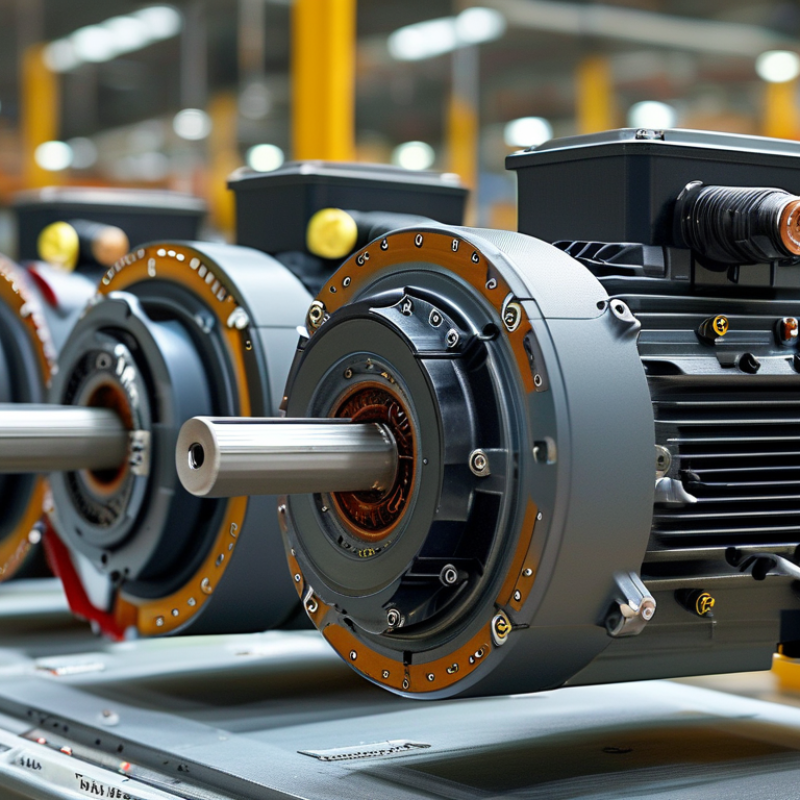
Overview of DC Motor Types and Their Applications
DC motors are essential components in various applications, from household appliances to industrial machinery. Their versatility comes from distinct types, such as brushed and brushless motors. Brushed DC motors are renowned for their simplicity and low cost. Their design allows for easy speed control, making them ideal for small devices. However, they require more maintenance and have a shorter lifespan compared to brushless variants.
Brushless DC motors, on the other hand, are gaining popularity in demanding applications. According to a 2022 industry report, the brushless DC motor market is projected to reach $45 billion by 2026. This growth is attributed to their efficiency and durability. Their design reduces friction and enhances performance, which is crucial for applications in robotics and electric vehicles. Nevertheless, they can have a higher initial cost, leading some buyers to hesitate.
More specialized types, such as stepper and servo motors, are widely used in automation and robotics. Stepper motors are perfect for precise control, making them indispensable in 3D printers and CNC machines. Servo motors, with their feedback control systems, are crucial in robotics and aerospace. However, selecting the right type can often lead to a challenging decision-making process, as each application has unique requirements for performance and cost.
Factors to Consider When Choosing a DC Motor
When choosing a DC motor, several critical factors should guide your decision-making process. Voltage ratings are essential; they determine the motor’s operating efficiency and compatibility with your application. For instance, motors typically function between 6V to 48V in various consumer applications. Understanding current ratings helps you assess the load capabilities of the motor. A recent report indicates that motors with higher current ratings often exhibit better performance and durability.
Another critical factor is motor type, which includes brushed and brushless options. Brushless DC motors tend to be more efficient, often achieving efficiency ratings above 90%. In contrast, brushed motors may offer simplicity and lower initial costs but often require maintenance. Ensuring you understand the torque characteristics is equally vital, as it influences the motor’s responsiveness in dynamic applications.
Consider the operational environment. Factors such as ambient temperature and humidity levels can affect motor performance. For instance, motors operating in high-humidity environments should have proper sealing to prevent moisture damage. Understanding these practical requirements can significantly enhance your application’s reliability. Seek industry reports that provide insights into performance benchmarks to guide your selection process.
Comparison of Brushed and Brushless DC Motors
Brushed and brushless DC motors represent two distinct technologies, each with unique advantages and challenges.
Brushed motors utilize a simple design with brushes that contact the commutator. This setup simplifies control and reduces costs, making them appealing for low-budget projects. However, the brushes wear down over time, leading to maintenance needs. Users often overlook this aspect, only to face performance issues later.
On the other hand, brushless motors are gaining popularity. They offer higher efficiency and longer lifespan due to their absence of brushes. This design minimizes friction, resulting in quieter operation and less heat generation. However, brushless motors typically come with higher initial costs and require more complex control systems. Buyers should consider their application requirements carefully. The impact of these differences can be significant in real-world scenarios.
Choosing between brushed and brushless motors requires thoughtful consideration. Factors such as efficiency, maintenance, and cost will guide the decision. Understanding these nuances is crucial for ensuring long-term satisfaction with the selection. Buyers should not rush this decision. Taking the time to reflect on how each motor type aligns with specific needs can prevent future complications.
Global Market Trends in DC Motor Solutions
The demand for DC motors is surging globally, driven by technological innovations and a push for energy efficiency. Recent market analysis indicates that the DC motor market is projected to reach USD 23 billion by 2030, growing at a CAGR of 5.4%. This growth reflects a shift towards automation and the increased use of electric motors across various industries.
Key applications include automotive, robotics, and industrial machinery. For instance, the automotive sector significantly embraces brushless DC motors due to their durability and efficiency. In robotics, lightweight and compact DC motors are essential for precise movements and control. However, as industries rush to implement these solutions, challenges arise. Quality control in manufacturing processes often lags behind demand, leading to variations in performance. Addressing these issues is crucial for manufacturers aiming to maintain reliability and meet global standards.
Trends in sustainability also influence decisions. Many buyers are seeking DC motors designed with eco-friendly materials and energy-efficient designs. Surveys reveal that over 70% of manufacturers prioritize sustainable solutions in their procurement processes. This highlights a growing awareness of environmental impact, yet raises questions about the feasibility of adopting greener practices in a cost-effective manner. Balancing quality and sustainability remains an ongoing challenge for many stakeholders in the DC motor market.
Quality Standards for DC Motors in Industrial Applications
In the world of industrial applications, the quality standards for DC motors play a critical role. These standards ensure reliability and efficiency in various operations. When selecting a DC motor, understanding its performance metrics is essential. Factors like torque, speed, and efficiency ratings should align with your operational needs. Each application may demand different specifications, leading to challenges in finding the right fit.
Quality control has become paramount in manufacturing. Motors must undergo rigorous testing to meet industry benchmarks. Look for certifications that prove adherence to international standards, as these indicate a commitment to quality. Additionally, communicate with suppliers about their quality assurance processes. This transparency can help prevent future operational issues.
When working with DC motors, be aware of potential pitfalls. Some suppliers may not meet advertised specifications, requiring careful vetting. Regular maintenance can also be overlooked, leading to performance degradation. Ensuring proper installation and usage will enhance the longevity of your motors. Balancing these elements with a focus on quality standards will ultimately elevate your operational efficiency.
Top DC Motor Types for Global Buyers Seeking Quality Solutions
| DC Motor Type |
Voltage Range (V) |
Power Rating (W) |
Efficiency (%) |
Common Applications |
| Brushed DC Motor |
6-48 |
5-100 |
70-80 |
Robotics, Automotive |
| Brushless DC Motor |
12-400 |
10-5000 |
85-95 |
Aerospace, HVAC |
| Coreless DC Motor |
3-24 |
1-10 |
75-90 |
Medical Devices, Drones |
| Permanent Magnet DC Motor |
24-240 |
15-150 |
70-85 |
Home Appliances, Fans |
Conclusion
The article "Top DC Motor Types for Global Buyers Seeking Quality Solutions" provides a comprehensive overview of various DC motor types and their specific applications across different industries. It highlights essential factors to consider when choosing a DC motor, including efficiency, torque, and operating environment. A comparative analysis between brushed and brushless DC motors is presented, emphasizing their respective advantages and limitations.
Furthermore, the article delves into current global market trends in DC motor solutions, indicating a growing demand for high-performance and energy-efficient motors. It concludes by outlining the quality standards that DC motors must meet in industrial applications, ensuring reliability and performance. Overall, this insightful overview equips global buyers with the essential knowledge needed to make informed decisions regarding the top DC motor solutions available in the market today.

 Viterra Motor