In the world of automation, choosing the right Planetary Gear Motor is crucial. Experts emphasize this choice as it affects performance and efficiency. Dr. Emily Parker, a renowned engineer in motion control systems, states, “Selecting the best motor for your application can dramatically improve overall productivity.”
Planetary Gear Motors offer a compact design with high torque and durability. They are essential in various industries, including robotics and conveyor systems. However, many users face challenges in making the right selection. Factors like torque, speed, and environmental conditions deeply influence the choice.
Misjudgments in selecting a Planetary Gear Motor can lead to inefficiencies. A mismatch could result in increased wear or reduced functionality. Understanding your specific needs is vital for optimal performance. Engaging with professionals and conducting thorough research will help make informed decisions. The right gear motor can enhance your project's success and reliability.
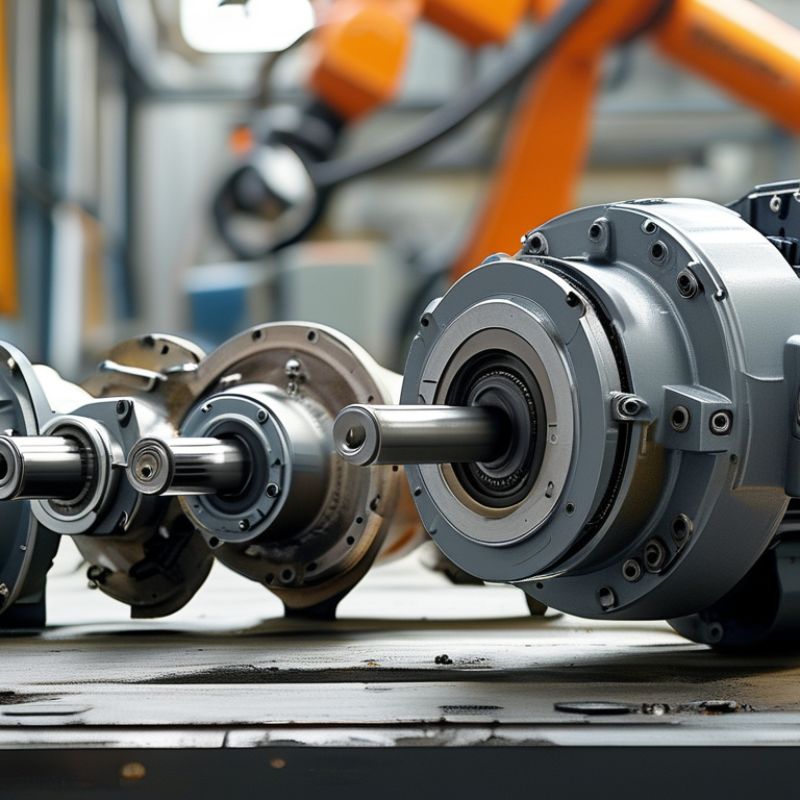
Planetary gear motors are crucial components in various applications. Understanding how they function is essential for making informed decisions. A planetary gear setup comprises a sun gear, planet gears, and a ring gear. This arrangement allows for high torque output and compact designs. Industry reports suggest that these motors can achieve efficiencies of up to 95%, making them popular in robotics and automation.
When selecting a planetary gear motor, consider the torque, speed, and load requirements. Torque output can significantly affect performance. For instance, a motor rated at 50 Nm might not suffice for heavier loads. Matching gear ratios is essential for optimizing speed and reducing wear. However, oversizing the motor can lead to inefficiencies and increased energy costs.
It is crucial to evaluate the operational environment. Factors like temperature and humidity can impact motor performance. Not all planetary gear motors are designed for extreme conditions. Additionally, maintenance requirements vary significantly. Regular checks can help identify issues early. However, many users overlook this aspect, which could lead to performance decline over time. Understanding these basics will empower you to choose a motor that best fits your needs.
When selecting a planetary gear motor, several key factors come into play. One crucial aspect is the torque requirements. It’s essential to identify the peak and continuous torque your application demands. High torque is vital for heavy loads. However, overestimating your needs can lead to inefficiencies. Balance is key here.
Another important consideration is the gear reduction ratio. This ratio affects the motor’s speed and torque output. A higher ratio provides more torque but reduces speed. Determine your application’s speed requirements carefully. Under-selecting a gear ratio may cause mechanical failure or inadequate performance.
Tips: Always consult technical specifications for guidance. Assess the motor's efficiency ratings as they drastically impact performance. Consider thermal management; overheating can shorten the motor's lifespan. Reflect on your application’s environment, too. Harsh conditions may require additional protective features.
Ultimately, finding the right planetary gear motor involves understanding your specific needs. Small miscalculations can lead to significant issues. It’s advisable to prototype with different configurations. This trial-and-error phase is crucial for optimal selection. Analyze each aspect meticulously before making a choice.
When evaluating performance specifications of planetary gear motors, several key factors come into play. The gear ratio is essential. A higher ratio offers increased torque, while a lower ratio provides faster output speeds. It's vital to match the ratio to your specific application needs. Torque capacity is another crucial specification. Knowing the required torque allows for better motor selection. Ensuring the motor can handle the demands of your application will lead to improved efficiency and longevity.
Efficiency ratings are equally important in performance evaluation. A more efficient motor can save energy and reduce operational costs. It’s crucial to examine the efficiency curve. This information shows how well the motor performs under varying loads. Additionally, thermal management should not be overlooked. A motor that operates at higher temperatures may indicate inefficiencies or potential failure.
Lastly, consider the build quality and material. Cheaper motors may offer low initial costs but can lead to failures over time. It's essential to reflect on the long-term implications of these choices. The best motor blends adequate performance with durability. Balancing these aspects ensures optimal functionality.
When selecting a planetary gear motor, it’s essential to compare the various types available. Planetary gear motors typically come in three types: inline, right angle, and hollow shaft. Each type offers distinct advantages and limitations, making it crucial to understand their applications.
Inline motors provide high efficiency and compact designs. They are ideal for applications needing high torque. However, they may not fit well in tight spaces. Right-angle motors, on the other hand, offer versatility in installation but might introduce additional backlash. This could affect precision in certain tasks. Hollow shaft gear motors are beneficial for direct mounting on shafts. Yet, they may have limitations in load capacity.
Evaluate the optimal choice based on performance needs. Consider torque, size, and efficiency. Misjudging any aspect can lead to underperformance. Reflect on the specific requirements of your project. Ask yourself:
Understanding these factors is crucial for selecting the right motor.
When selecting a planetary gear motor, understanding your application is crucial. Identify the load requirements and operating conditions. For example, high torque applications may need robust motors. Consider factors like speed and efficiency. Evaluate the motor's ability to handle variations in load.
Humidity and temperature can affect motor performance. Assess how environmental factors influence your choice. Additionally, think about the space where the motor will be installed. Compact designs are often preferable in tight spaces. Look for gears that can withstand your specific applications.
It’s also important to analyze the motor's life expectancy. A gear motor’s durability can lead to cost savings over time. Regular maintenance routines can extend the lifespan of your equipment. Each application has unique needs. Reflect on the balance between performance and cost-effectiveness. This careful consideration can drive your decision-making process.
: Planetary gear motors are essential components for various applications, providing high torque output in a compact design.
Consider torque, speed, and load requirements. Ensure the motor matches your application’s specific needs for optimal performance.
The gear reduction ratio affects torque and speed. A higher ratio gives more torque but slows down the speed.
Factors like temperature and humidity can affect motor performance. Not all motors endure extreme conditions well.
Regular maintenance can identify issues early. Many users neglect this, risking performance decline over time.
Efficiency ratings significantly impact performance and energy costs. A more efficient motor saves energy over its lifespan.
Overheating may shorten a motor's lifespan. Choosing a motor with good thermal management is crucial for durability.
Oversizing can lead to inefficiencies and higher energy costs. Balancing torque requirements is essential.
Yes, prototyping allows for trial and error. This phase helps in making better decisions for optimal motor selection.
Cheaper motors might save money initially but can lead to future failures. Long-term implications of choices matter.
When selecting the best Planetary Gear Motor for your needs, it is essential to understand the fundamentals of how these motors operate. Planetary gear motors are known for their compact design and high efficiency. Key factors to consider include torque requirements, speed, and the operational environment, which will play crucial roles in performance.
Performance specifications, such as gear ratio and efficiency, should be evaluated to ensure the chosen motor meets your application's demands. Additionally, comparing different types of planetary gear motors can help identify which style—whether standard or miniaturized—suits your specific use case. Ultimately, carefully considering your application's unique requirements will lead to an optimal selection of a planetary gear motor that enhances performance and reliability.
Viterra Motor