In today's industrial landscape, the demand for High Torque Gear Motors is rapidly growing. A recent report from MarketsandMarkets indicates that the global gear motor market is expected to reach $10.5 billion by 2025, driven by automation and efficiency needs across various sectors. Industries are increasingly relying on high torque gear motors for tasks that require precision and power, such as in robotics and heavy machinery.
High torque gear motors provide a reliable solution where high efficiency and compact size are crucial. These motors have become essential for applications like conveyor systems, elevators, and industrial automation. Their performance metrics show a significant advantage over standard motors, with torque ratings that can exceed several hundred Nm. Nevertheless, choosing the right motor can be challenging due to varying specifications and manufacturer qualities.
Despite industry growth, some buyers encounter challenges. Issues such as inconsistent quality among manufacturers can lead to performance discrepancies. Buyers should prioritize suppliers with proven track records. Understanding specific needs will help in selecting an optimal solution. High torque gear motors are vital but require careful selection to ensure reliability and efficacy.
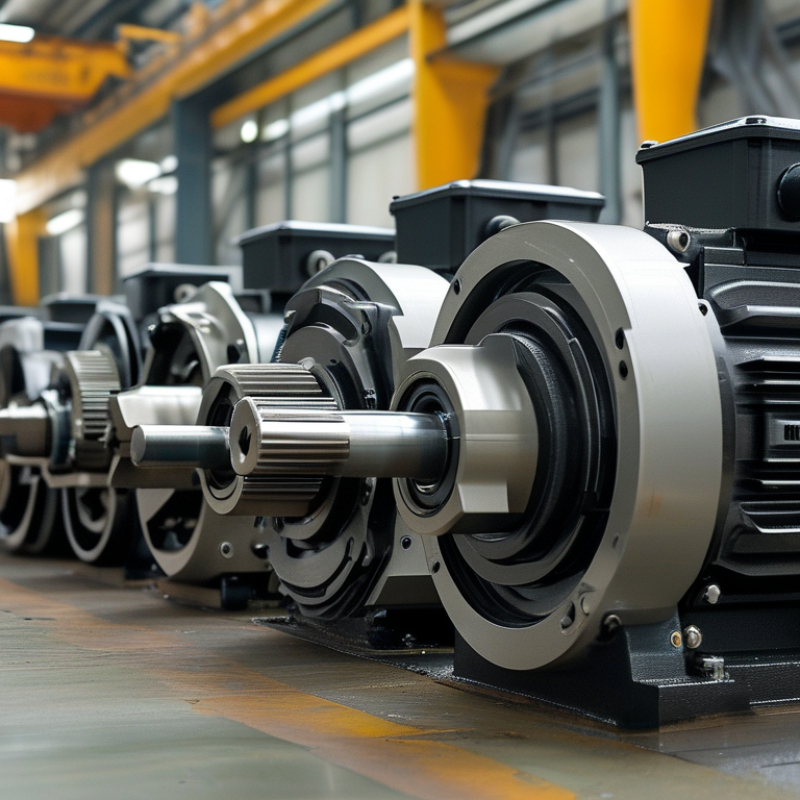
High torque gear motors are vital in various industries. They provide the necessary strength to drive heavy loads efficiently. Their applications range from manufacturing equipment to robotics. Understanding their function is crucial for selecting the right motor. They can convert low-speed, high-torque input into a high-torque output, making them ideal for demanding tasks.
It's essential to consider the application's specific needs when choosing a motor. Factors like load requirements, speed ratios, and environmental conditions play a significant role. In some cases, designers must balance power with size constraints. Failing to do this might lead to inefficient operations or equipment failure.
When assessing gear motors, look at efficiency ratings. Higher efficiency means lower operational costs. Additionally, check service availability and support for troubleshooting. Not all suppliers offer the same level of reliability. It’s wise to research and consult experts to make informed decisions. Proper installation and maintenance are crucial for longevity. Input from experienced users can provide insights on the best practices.
When selecting high torque gear motors, several key features are essential. First, consider the motor's torque rating. Greater torque often translates to more powerful performance in heavy-duty applications. Look for specifications that align with your project's requirements to avoid underperformance.
Another factor to evaluate is the gear ratio. An optimal gear ratio balances speed and torque, giving you control over your motor's performance. Often, a higher gear reduction ratio can lead to increased torque output. However, this may reduce speed, so it's crucial to find the right balance for your needs.
Durability is another critical aspect. High-quality materials and construction will ensure longevity and reliability, especially in demanding environments. Examine the motor's casing and internal components for indications of robustness. Don't overlook the importance of heat dissipation either; overheating can severely impact performance. Selecting a gear motor that efficiently manages heat will enhance its reliability over time. These considerations will aid in making an informed choice, leading to better performance and satisfaction.
High torque gear motors are essential for various applications. These motors provide the necessary power to drive heavy loads efficiently. Many industries rely on them, including manufacturing and robotics. When selecting a gear motor, it’s vital to consider key factors such as power, efficiency, and durability. Not all options deliver the same performance.
Several respected brands contribute significantly to this market. They offer a range of high torque gear motors designed to meet global standards. Reliability is a critical factor in their design. Each brand emphasizes rigorous testing to ensure their motors can handle demanding environments. However, some products may not always meet expectations. Users should carefully review specifications and seek expert guidance when necessary.
The right gear motor can significantly enhance operational efficiency. It’s crucial to conduct thorough research before making a purchase. Innovations in design often lead to improved performance. Yet, imperfections in manufacturing can also occur. Staying informed about the latest developments helps buyers make better decisions. Understanding these aspects provides a clearer picture of the options available.
High torque gear motors are essential in various industries, from manufacturing to automotive. These motors are designed to deliver high rotational force and efficiency. For global buyers, it is crucial to understand the differences in performance and application across different markets. Factors such as load capacity and motor size play a significant role in making informed decisions.
Selecting the right motor requires careful consideration of application needs. For example, a motor used in a conveyor belt may need to handle a heavier load compared to one used in small machinery. High torque gear motors may have varying gear ratios that affect their torque delivery. Buyers should analyze their specific requirements and test various options before purchasing.
When evaluating motors, performance metrics like efficiency and durability should be prioritized. Not all high torque gear motors perform reliably under different conditions. Some may fail to deliver adequate power over time. It's essential to seek feedback from industry professionals and analyze user reviews to ensure quality.
Each buyer's situation is unique. Trying out a few options before settling is a good practice. It can uncover potential challenges that need attention before finalizing a purchase. Always be prepared to adjust your choices based on real-world testing.
| Motor Type | Torque (Nm) | Efficiency (%) | Application | Weight (kg) |
|---|---|---|---|---|
| AC Gear Motor | 100 | 85 | Conveyor Systems | 20 |
| DC Gear Motor | 75 | 90 | Automated Robots | 15 |
| Servo Gear Motor | 120 | 92 | CNC Machines | 10 |
| Stepper Gear Motor | 50 | 80 | 3D Printers | 5 |
The high torque gear motor market is evolving rapidly. According to a recent report by MarketsandMarkets, the global high torque gear motors market is projected to reach USD 10.40 billion by 2026, growing at a compound annual growth rate (CAGR) of 5.2%. This growth is largely driven by increasing automation in industries such as manufacturing and renewable energy.
Technological advancements play a crucial role in this sector. Manufacturers are focusing on improving energy efficiency and reducing noise levels in gear motors. For example, advanced materials and design methods reduce friction, enhancing the overall performance of high torque motors. According to a report by ResearchAndMarkets, nearly 70% of industry leaders prioritize these factors in their purchasing decisions. However, challenges such as fluctuating raw material prices and supply chain issues hinder overall growth.
Market demand is expected to shift towards more customized solutions. Users increasingly require gear motors that fit specific applications. This trend shows a clear move from standard products to tailored designs. While customization can enhance effectiveness, it raises production complexity. Not all manufacturers can adapt quickly. They must balance innovation with operational efficiency. This ongoing transition may require some companies to rethink their strategies.
: High torque gear motors are crucial in industries, such as manufacturing and automotive, for their high rotational force.
Load capacity influences the choice of motor. Heavier loads require different specifications than lighter applications.
Testing options uncovers challenges. It ensures that the selected motor matches the specific application needs.
Efficiency and durability are key metrics. Not all motors perform reliably; understanding their limits is vital.
The market is projected to reach USD 10.40 billion by 2026. Growth is driven by increasing automation across industries.
Trends include improved energy efficiency and reduced noise levels. Technological advancements can enhance overall motor performance.
Users now require gear motors tailored to specific applications. This shift moves away from standard products.
Customization raises production complexity. Not all manufacturers can adapt quickly, impacting innovation and efficiency.
Real-world testing highlights potential challenges. It helps buyers adjust their selections based on practical performance.
Buyers should seek feedback and analyze reviews. Being informed can prevent poor choices in high torque gear motors.
High Torque Gear Motors are essential components in various industries due to their ability to deliver substantial power and efficiency. Understanding their applications is crucial for selecting the right motor for specific tasks, as these motors are utilized in automated machinery, robotics, and manufacturing processes. When purchasing a High Torque Gear Motor, buyers should consider key features such as torque ratings, speed, durability, and operating conditions to ensure optimal performance in their respective applications.
A comparative analysis of High Torque Gear Motors across different industries highlights their versatility and adaptability to diverse operational demands. As technology evolves, future trends indicate a growing market demand for more efficient and compact designs, alongside advancements in motor control systems. This transition will drive innovation in High Torque Gear Motor technology, ensuring that global buyers have access to the best solutions for their needs.
Viterra Motor