The use of a DC Worm Gear Motor has grown significantly in various industries. This motor combines the efficiency of direct current (DC) with the mechanical advantages of worm gear systems. According to a recent report by MarketsandMarkets, the market for DC gear motors is projected to reach $8.2 billion by 2025. Such data emphasizes the increasing relevance of this technology.
James Lee, a leading expert in motion control systems, once stated, "DC Worm Gear Motors offer unique benefits in applications requiring high torque and low speed." This motor type excels in robotics, automotive, and manufacturing due to its compact design and ability to handle heavy loads seamlessly. However, not all applications may find it suitable. Some may experience limitations in speed control precision or efficiency at higher loads.
Industries must assess their specific needs when considering a DC Worm Gear Motor. Proper integration requires an understanding of the motor’s capabilities and potential drawbacks. Continuous learning from usage patterns is essential. There lies the challenge: optimizing for performance while recognizing operational limits.
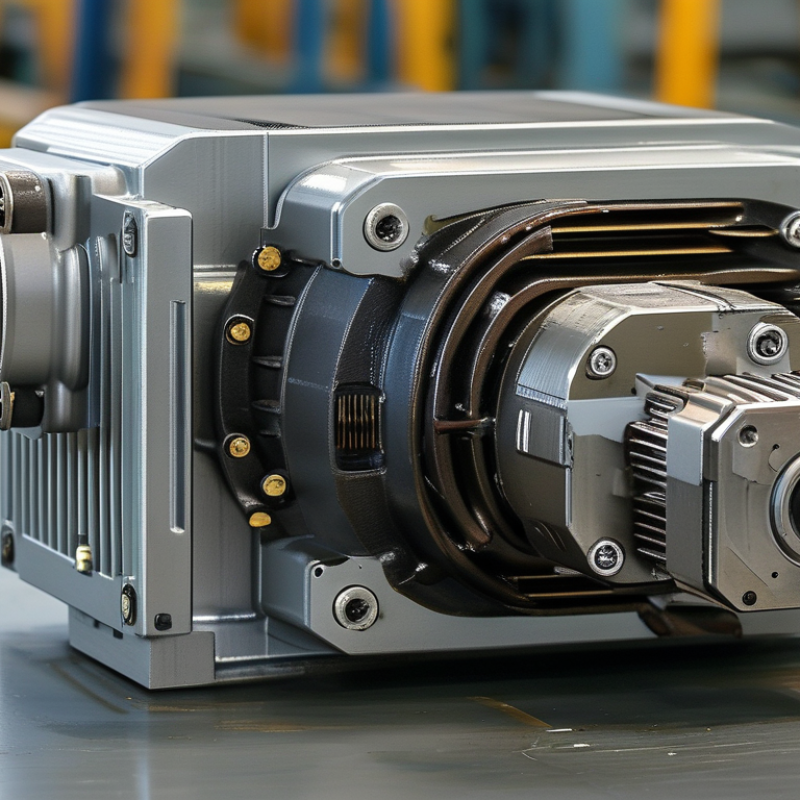
Understanding the Basics of DC Worm Gear Motors
DC worm gear motors are vital components in various applications, thanks to their efficiency and reliability. These motors integrate a direct current (DC) motor with a worm gear transmission system. The worm gear provides a high torque output while maintaining a low speed, making it suitable for applications requiring precision control. In fact, reports indicate that DC worm gear motors can achieve torque values up to 500 Nm, which is impressive for compact designs.
Industry analyses suggest that the global DC motor market is projected to grow significantly, surpassing $10 billion by 2026. This growth directly correlates with the increasing adoption of automation in sectors like robotics, automotive, and conveyor systems. Worm gear motors are particularly favored in these settings due to their capacity for high reduction ratios.
However, it's also important to acknowledge that the efficiency of these motors can be affected by factors such as heat generation and wear over time. Understanding these aspects is crucial for optimizing motor lifespan and performance.
Key Components and Mechanism of DC Worm Gear Motors
DC worm gear motors are critical in various industries, providing efficient power transmission and precise control of mechanisms. They consist of a DC motor coupled with a worm gear. The worm gear reduces the motor speed while increasing its torque, making these motors ideal for applications requiring high torque at low speeds. According to a recent report by ResearchAndMarkets.com, the global market for worm gear motors is projected to grow significantly, reaching a valuation of over $3 billion by 2026.
Key components of a DC worm gear motor include the DC motor, worm gear, and housing. The efficiency of these motors often sits between 70% to 90%, but variations can occur due to design flaws or material choices. In many industrial applications, users have pointed out challenges with heat dissipation. Excessive heat can reduce performance and lifespan. Components must be engineered carefully to optimize thermal management, ensuring reliability and durability.
Worm gear motors are widely used in robotics, conveyors, and automotive applications. Their compact design allows for installations in tight spaces. However, the drawback lies in their relatively lower efficiency compared to other gear types. This affects the overall energy consumption of devices equipped with these motors. While they offer a robust solution for specific needs, the balance between efficiency and torque must be continually evaluated.
What is a Dc Worm Gear Motor and Its Applications?
| Dimension |
Value |
Description |
| Voltage |
12V |
Typical operating voltage for DC worm gear motors. |
| Power Output |
30W |
Standard power output suitable for various applications. |
| Torque |
1.5 Nm |
High torque suitable for challenging loads. |
| Gear Ratio |
50:1 |
Indicates the reduction of speed and increase in torque. |
| Efficiency |
85% |
Higher efficiency reduces energy loss. |
| Applications |
Robotics, Conveyors, Winches |
Common applications where torque and precision is required. |
Performance Characteristics of DC Worm Gear Motors
DC worm gear motors are known for their unique performance characteristics, making them ideal for specific applications. These motors combine a direct current (DC) motor with a worm gear mechanism, providing high torque at low speeds. This configuration is particularly beneficial in applications where precision and control are necessary. Research indicates that worm gear motors can achieve torque multipliers of up to 100:1. This proportion demonstrates their ability to handle significant loads effectively.
One of the key performance traits of DC worm gear motors is their self-locking feature. This means that, once the motor stops, the output shaft remains stationary, preventing backdriving. This characteristic is invaluable in safety-critical applications such as lift and hoist systems. According to industry reports, over 30% of applications in automation rely on gear motors that require this locking mechanism. Furthermore, their compact size often allows for installation in tight spaces where traditional motors may not fit.
However, these motors are not without limitations. They can generate heat during prolonged use, which might affect their efficiency. Continuous monitoring of temperature levels is critical to avoid potential failures. The efficiency of DC worm gear motors typically ranges from 60% to 80%, suggesting that further optimization is necessary. While they excel in specific tasks, understanding their operational limits is essential to maximize performance and longevity in applications.
Common Applications of DC Worm Gear Motors in Industry
DC worm gear motors play a vital role in various industrial applications. Their unique design allows for significant
torque output with a compact size, making them suitable for diverse machinery.
These motors are often used in conveyor systems, robotic arms, and automation equipment. Their ability to
provide precise motion control is essential in these areas.
In material handling, DC worm gear motors excel. They facilitate smooth movement in conveyor belts, reducing wear
and tear on components. This efficiency can prevent costly downtime. Additionally, in robotic applications, these
motors offer exact positioning capabilities. They help robots perform intricate tasks, enhancing productivity.
However, not all applications benefit equally. Some industries may require more robust solutions.
In harsh environments, the worm gear design might face challenges like overheating. Adjustments to cooling
or gear materials can mitigate these issues. Understanding the specific needs of each application is crucial for
optimal performance.
Advantages and Limitations of Using DC Worm Gear Motors
DC worm gear motors are versatile components widely used in various applications. They convert electrical energy into mechanical motion. This conversion is made possible by the combination of a DC motor and a worm gear setup. They offer unique advantages, along with some limitations that users should consider.
One key advantage is their ability to provide high torque at low speeds. This trait is beneficial in applications where precision is paramount. Additionally, their compact design allows for easy integration into limited space environments. However, these motors can generate more heat due to friction. This could affect their performance and longevity. Users should monitor their operating conditions closely to avoid overheating.
Consider these tips when using DC worm gear motors. Ensure proper ventilation around the motor. This can help prevent heat buildup. Regular maintenance can also prolong the motor's lifespan. Lack of maintenance can lead to poor performance. Users may experience gear slippage or motor failure if not careful. Being aware of these factors will enhance your experience with DC worm gear motors.
Advantages and Limitations of DC Worm Gear Motors
FAQS
: DC worm gear motors combine a DC motor with a worm gear. They offer high torque and low speed.
They provide precise control and high torque output. Their compact design suits tight spaces.
They can reach torque values up to 500 Nm. This makes them powerful for compact applications.
Yes, they generate heat during use, affecting efficiency. Continuous monitoring is needed to prevent failures.
The efficiency is usually between 60% to 80%. Optimization is vital for better performance.
It keeps the output shaft stationary when stopped. This is crucial for safety in lift and hoist systems.
They are prevalent in robotics, automotive, and conveyor systems. Their high reduction ratio makes them ideal.
The market is expected to exceed $10 billion by 2026. Automation adoption drives this growth significantly.
Yes, their compact size allows for installation where larger motors cannot fit. This is a clear advantage.
Heat generation and wear over time can impact lifespan. Regular monitoring can help optimize overall efficiency.
Conclusion
A DC Worm Gear Motor is a crucial component in various mechanical systems, combining the benefits of DC motors with worm gear mechanisms. Understanding its basics involves recognizing the key components such as the motor itself, the worm gear, and the output shaft, which work together to provide efficient torque conversion. The performance characteristics of DC Worm Gear Motors, including high torque at low speeds and the ability to self-lock, contribute to their reliability in numerous applications.
In industry, DC Worm Gear Motors are commonly employed in areas requiring precise control and motion, such as conveyor systems, robotics, and automated machinery. Their advantages, like compact size and ease of integration, are balanced by some limitations, including potential heating issues at high loads. Overall, the DC Worm Gear Motor remains a versatile choice, making it invaluable in modern engineering and technological applications.

 Viterra Motor