DC motors play a crucial role in numerous applications, from small toys to industrial machinery. As Dr. Amelia Rivers, a leading expert in electric motor technology, noted, “DC motors offer reliability and versatility, making them indispensable in modern automation.” Understanding how a DC motor operates can help engineers design better systems.
The core principle behind a DC motor is simple yet effective. It converts electrical energy into mechanical energy through electromagnetic interactions. Unlike AC motors, DC motors require a simple power source, which makes them easier to control. This aspect is especially beneficial in robotics, where precision is key.
In many cases, selecting the right DC motor can be challenging. Factors such as torque requirements, speed control, and efficiency must be considered. Balancing these elements can lead to a more effective design. Reflecting on DC motors reveals both their power and limitations. Their efficiency can fluctuate based on load, and managing this requires careful planning to optimize performance.
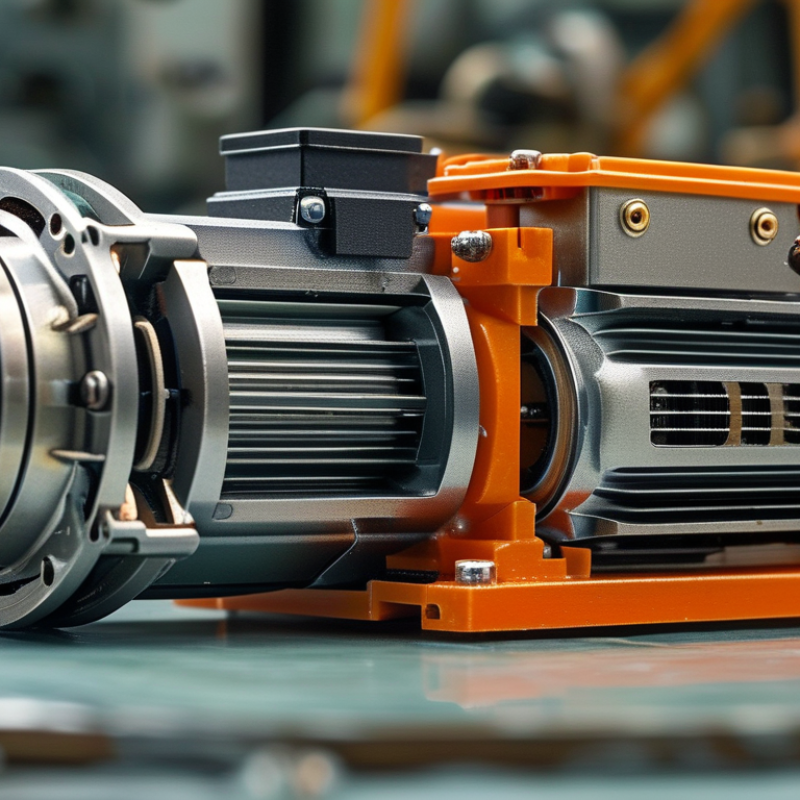
What is a DC Motor?
DC motors, or direct current motors, are essential components in various applications. They convert electrical energy into mechanical energy. This process occurs when direct current flows through the motor, creating a magnetic field. The magnetic field interacts with the armature, generating torque, which causes rotation. DC motors are widely used in toys, electric vehicles, and industrial machinery.
When selecting a DC motor, consider its voltage and current ratings. Choose a motor that meets your application's specific requirements. Pay attention to the load conditions. A motor under heavy load may overheat. Monitor its performance regularly. Regular checks ensure longevity and reliability.
Tips for using DC motors include keeping them clean and free from debris. A clean motor has better efficiency. Also, avoid running them at maximum capacity for prolonged periods. This practice can shorten their lifespan. Lastly, use proper mounting methods to minimize vibrations, which can affect performance.
Basic Components of a DC Motor
A DC motor is composed of several key components that contribute to its functionality. The stator provides a magnetic field that interacts with the rotor. Often, the stator consists of permanent magnets or electromagnetic windings. The rotor, typically an armature, contains windings that allow current to flow through when voltage is applied. According to industry reports, DC motors possess high starting torque. This feature makes them ideal for various applications, from small toys to large industrial machines.
Another critical component is the commutator. It reverses the current direction in the rotor windings, ensuring continuous rotation. This design enables the motor to maintain a constant direction of movement. In fact, research indicates that about 40% of electric motors in the industry are DC types. They are favored for their simplicity and efficiency. However, they do have limitations. Their brushes wear out over time, requiring maintenance and replacement.
The speed control mechanisms in DC motors also contribute to their versatility. Users can adjust speed using voltage variations. However, this often leads to efficiency losses at lower speeds. Control systems also add complexity. Understanding these components is vital for anyone working with DC motors. Each part plays a unique role in the overall performance. Knowledge of these elements helps engineers design better systems, although challenges remain.
Principles of Operation for DC Motors
DC motors are essential in various applications, converting electrical energy into mechanical energy. Understanding their principles of operation is crucial for engineers and hobbyists alike. At the core of a DC motor are its components: a rotor, stator, commutator, and brushes. The rotor, or armature, spins within a magnetic field created by the stator. When electricity flows through the armature windings, it generates a torque that rotates the rotor.
The commutator plays a vital role in reversing the current direction, enabling continuous rotation. As the rotor turns, the brushes maintain contact with the commutator, ensuring a steady flow of electricity. The efficiency of a DC motor often depends on its design and the quality of its components. However, some motors may face issues like overheating or brush wear over time. Regular maintenance can help mitigate these problems.
Tips: Always consider the loading conditions when selecting a DC motor for your project. A motor under excessive load may not perform optimally. Testing with different power levels can provide valuable insights. Be mindful of potential inefficiencies in your setup. Regularly check connections for wear, which can lead to unreliable performance.
Common Applications of DC Motors
DC motors are widely used in various applications due to their simple design and reliable performance. They are found in automotive systems, powering electric windows, seats, and windshield wipers. In the consumer electronics sector, DC motors drive toys, fans, and small appliances. Their compact size and ease of control make them an ideal choice for portable devices.
Industrial settings also benefit from DC motors. They are often used in conveyor systems, facilitating material handling. In robotics, these motors provide precise movement control, essential for tasks ranging from assembly to packaging. Despite their advantages, DC motors can face challenges like overheating and wear from continuous use, which may lead to decreased efficiency over time.
In renewable energy, DC motors have important roles too. They are used in wind turbines and solar energy systems, converting energy into mechanical power. However, the setup requires careful consideration of torque and efficiency levels to ensure optimal performance. Understanding these nuances can help users select the right motor for their specific needs.
Advantages and Limitations of DC Motors
DC motors are widely appreciated for their simplicity and efficiency in various applications. They offer several advantages, including ease of control. For instance, their speed can be easily adjusted using voltage changes. This feature makes them ideal for applications like electric vehicles and robotics. According to a recent market analysis, the DC motor industry is expected to grow at a CAGR of 7.3% from 2023 to 2028, driven by such diverse applications.
However, there are notable limitations to consider. DC motors typically require more maintenance than their AC counterparts due to brush wear. Performance can also decline in high-load scenarios, limiting their usage in heavy machinery. Reliability can be a concern; data indicates that over 15% of DC motors fail within the first three years due to wear and tear. This implies that while they excel in many areas, longevity and robustness remain challenges. Users must weigh these factors when choosing the appropriate motor type for their specific needs.
Advantages and Limitations of DC Motors
This chart illustrates various performance metrics of DC motors, showcasing their advantages and limitations. Each bar represents a different critical aspect, with values denoting their efficiency in various applications.
FAQS
: A DC motor converts electrical energy into mechanical energy. It operates on direct current, generating rotation through magnetic fields.
Look at the voltage and current ratings. Consider your application's specific needs. Load conditions also impact performance.
Keep the motor clean and clear of debris. Regular cleaning improves efficiency. Monitor for overheating under heavy loads.
A DC motor has a stator, rotor, and commutator. The stator creates a magnetic field while the rotor facilitates rotation.
Speed can be adjusted using voltage changes. However, lower speeds may reduce efficiency, making control systems complex.
DC motors are used in toys, electric vehicles, and industrial machines. They provide high starting torque and efficiency.
Yes, brushes in DC motors wear out over time. Regular maintenance is necessary for longevity and performance stability.
The commutator changes the current direction in rotor windings. This action helps maintain continuous rotation in the motor.
Though efficient, they require regular maintenance. Brushes can wear out, and running at max capacity can shorten lifespan.
Knowledge of motor components aids in better design and troubleshooting. This understanding can lead to improved system performance, despite challenges.
Conclusion
A DC motor is an electric motor that converts direct current electrical energy into mechanical energy, enabling a wide range of applications. The basic components of a DC motor include a stator, rotor, commutator, and brushes, each playing a crucial role in its operation. The principles of operation involve the interaction between the magnetic field and the current-carrying conductor, resulting in rotational motion.
DC motors are widely used in various applications, from household appliances to industrial machinery, due to their simplicity and ease of control. They offer several advantages, including precise speed control and high torque at low speeds. However, they also have limitations, such as the need for maintenance due to brush wear and limited efficiency compared to AC motors. Overall, the versatility of DC motors makes them a popular choice in many fields.

 Viterra Motor