In the world of engineering and design, the choice of components is crucial. The DC Micro Vibration Motor stands out as a reliable option for various projects. Its unique features contribute to enhanced functionality and user experience. This motor is compact yet powerful, making it ideal for applications where space is limited.
Businesses and hobbyists alike seek innovative solutions to improve their products. The DC Micro Vibration Motor offers versatility, fitting a wide range of devices. Whether in smartphones, wearable tech, or gaming controllers, this motor provides the tactile feedback users appreciate. It's important to consider how these motors can enhance your specific project objectives.
However, potential users should reflect on their requirements. Not every project requires the same specifications. Understanding when and how to implement the DC Micro Vibration Motor can lead to greater efficiency and satisfaction. Balancing your project's needs with the capabilities of these motors is essential.
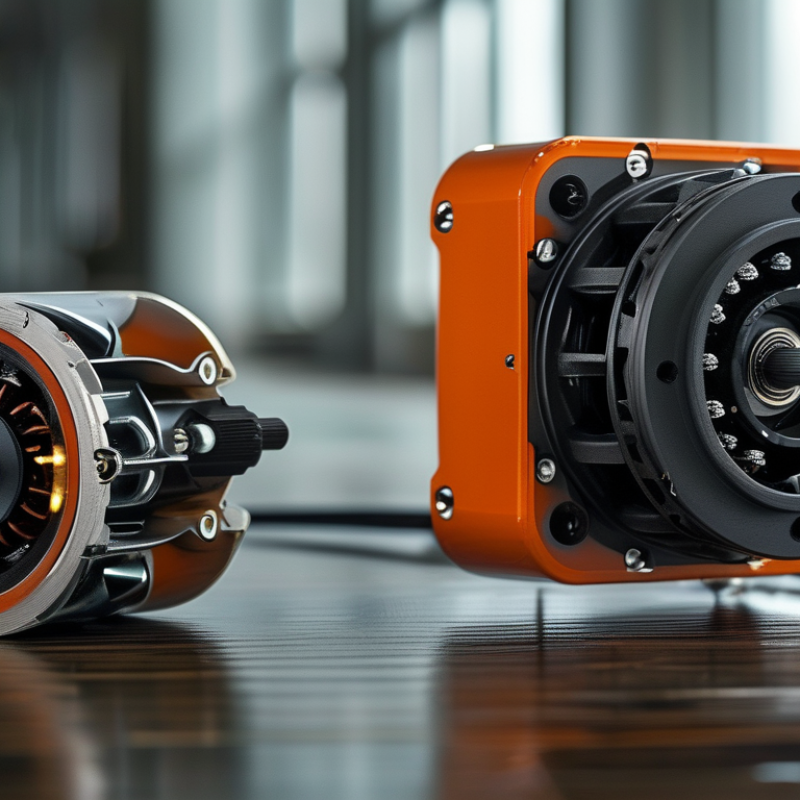
DC micro vibration motors are rapidly becoming essential components in various industries. Their compact size and lightweight design allow for easy integration into devices such as smartphones and wearable technology. These motors offer consistent performance, enhancing user experience through haptic feedback and notifications. They help create a more engaging interaction, leading to higher user satisfaction.
Moreover, their versatility makes them suitable for a range of applications. In medical devices, for instance, they can aid in therapeutic equipment, providing subtle vibrations that assist in muscle stimulation and pain relief. In automotive applications, they facilitate alerts through vibrations, ensuring safety and attention on the road. The adaptability of these motors is certainly remarkable.
However, not every integration goes smoothly. Installation may pose challenges due to space constraints or power limitations. Users might occasionally face issues with motor longevity in demanding environments. Addressing these concerns requires careful planning and expertise. Overall, the benefits of DC micro vibration motors are substantial, but they demand consideration of specific project needs and conditions.
DC micro vibration motors have gained recognition in various industries, mainly due to their unique attributes. One of their key features is compactness. These motors can fit into devices like smartphones and wearables, enhancing functionality without taking up much space. According to a recent report by IDTechEx, the demand for miniaturized components is expected to grow significantly. This trend is a driving force behind the increasing use of DC micro vibration motors.
Another standout feature is their energy efficiency. These motors consume less power while delivering effective performance. This efficiency is crucial for battery-operated devices, as it prolongs usage time. Research from the Institute of Electrical and Electronics Engineers indicates that optimizing energy consumption can lead to a 30% increase in battery life for devices that leverage these motors. However, manufacturers must remain vigilant about quality control during production to avoid inconsistencies that can undermine these efficiency claims.
Reliability is also a major factor. A well-constructed DC micro vibration motor can last thousands of hours under typical operating conditions. However, environmental factors can affect durability. Humidity and temperature variations may lead to reduced performance over time. Thus, understanding potential limitations is vital for engineers selecting these motors for their projects. Addressing these challenges can help ensure that the benefits of DC micro vibration motors are fully realized in a variety of applications.
When selecting a DC micro vibration motor for your project, certain factors play a crucial role.
Consider the voltage specifications first. Different projects require specific voltage levels.
If your motor operates incorrectly, it could lead to inefficiencies or damage.
Think carefully about the power source you'll be using.
Another important aspect to evaluate is the vibration frequency. Each application may need a unique frequency to perform well.
By matching the frequency to your needs, you can enhance user experience.
A motor with adjustable frequency settings might provide better adaptability for your project.
Take into account the motor's size and weight too. Compact designs often suit smaller devices.
Heavier motors might deter you from specific applications.
Don’t forget to assess the noise level. A quieter motor is essential for projects focused on user comfort.
Reflect on these elements before making a decision.
DC micro vibration motors are versatile components used in various applications across multiple industries. They generate small vibrations, which can enhance user experience. One popular application is in consumer electronics. Devices like smartphones and smartwatches utilize these motors for notifications, providing users with subtle cues without disrupting their activities.
Another key sector is medical devices. Here, micro vibration motors can be found in equipment like handheld diagnostic tools and therapeutic devices. They assist in delivering feedback, ensuring users receive real-time data about their health. This technology plays a crucial role in enhancing precision and effectiveness in medical procedures.
When integrating DC micro vibration motors, consider their size and power needs. These factors impact installation and overall performance. Work with specifications carefully to avoid mismatches. Sometimes, a motor may not perform as expected due to overlooked details. Testing and iteration are essential for achieving optimal functionality.
Maintaining DC micro vibration motors is crucial for their longevity. Regular maintenance can significantly increase their lifespan, often exceeding the average of 2000 hours reported in industry studies. Dust and debris can obstruct the motor’s components, leading to operational inefficiencies. A clean working environment is essential. Motors operated in dirty conditions can lose up to 30% of their efficiency over time.
Monitoring operating temperatures is vital. Excessive heat can lead to premature failure. Ideally, these motors should operate within specified temperature ranges, commonly between 0°C to 60°C. Overheating can damage internal components and shorten the motor's lifespan. Consider implementing thermal monitoring systems to ensure optimal performance.
Regular inspection should not be overlooked. Checking wiring, housing, and any signs of wear can prevent larger issues. Small symptoms of wear may lead to serious failures if neglected. It’s also important to follow the manufacturer's specifications regarding lubrication. Too little or too much lubrication can lead to increased friction and wear. Overall, a proactive maintenance approach is key to ensuring your DC micro vibration motors function effectively in your projects.
| Feature | Description | Maintenance Tips | Expected Lifespan |
|---|---|---|---|
| Low Voltage | Operates at a low voltage suitable for a variety of applications. | Regularly check voltage levels to avoid overheating. | 500-1000 hours |
| Compact Size | Space-efficient design ideal for small devices. | Avoid excessive bending during installation. | 500-1000 hours |
| Low Noise | Operates quietly, suitable for sensitive environments. | Keep clean to prevent noise from dust accumulation. | 800-1500 hours |
| Variable Speed | Speed can be adjusted for different applications. | Calibrate speed settings periodically. | 600-1200 hours |
: They are small, lightweight motors that create vibrations for enhanced user experience.
They are used in smartphones, wearable tech, medical devices, and automotive applications.
They provide consistent performance, energy efficiency, and improve user engagement through haptic feedback.
They can provide subtle vibrations for muscle stimulation and pain relief in therapeutic equipment.
Space constraints, power limitations, and motor longevity can pose installation issues.
It prolongs battery life, leading to longer usage times for electronic devices.
Consider voltage specifications, vibration frequency, size, weight, and noise level for your specific needs.
Yes, humidity and temperature variations may reduce durability and effectiveness over time.
Compact motors are ideal for small devices, while heavier ones may limit usage in certain projects.
Evaluate user comfort, functionality, and project requirements to ensure the right motor selection.
DC Micro Vibration Motors are increasingly being chosen for various projects due to their numerous advantages, including compact size, lightweight design, and efficient performance. These motors offer enhanced reliability and versatility, making them suitable for a range of applications across different industries. Key features, such as low power consumption and customizable vibration patterns, further distinguish DC Micro Vibration Motors, allowing designers to meet specific project requirements seamlessly.
Selecting the right DC Micro Vibration Motor involves considering factors like size, voltage, and vibration frequency tailored to the project’s needs. These motors find common applications in consumer electronics, medical devices, and robotics, among others. To ensure longevity and optimal performance, regular maintenance practices are essential, including proper storage and periodic inspection. Overall, the integration of DC Micro Vibration Motors can significantly elevate project efficiency and user experience.
Viterra Motor