In the ever-evolving market of motors, finding quality products is crucial for global buyers. The 2026 collection of motors in stock offers an exciting opportunity. This selection features a variety of models suitable for diverse applications, ensuring everyone can find what they need. The importance of reliability cannot be overstated. Motors are essential components in numerous industries, ranging from automotive to manufacturing.
Buyers should be aware that availability can vary. While many options are currently in stock, demand may spike as 2026 approaches. It’s wise to act quickly and secure the ideal motor for your requirements. Careful consideration is vital. Ensuring that you choose a motor that meets both quality and functionality is essential for operational success.
Additionally, thorough research can help personalize your selection process. Engaging with suppliers and understanding specifications adds depth to your decision-making. While this process may seem daunting, focusing on key features can simplify it. Keep in mind that sometimes the perfect motor in stock might not meet every expectation. Adaptability and willingness to explore variations can lead to better outcomes.
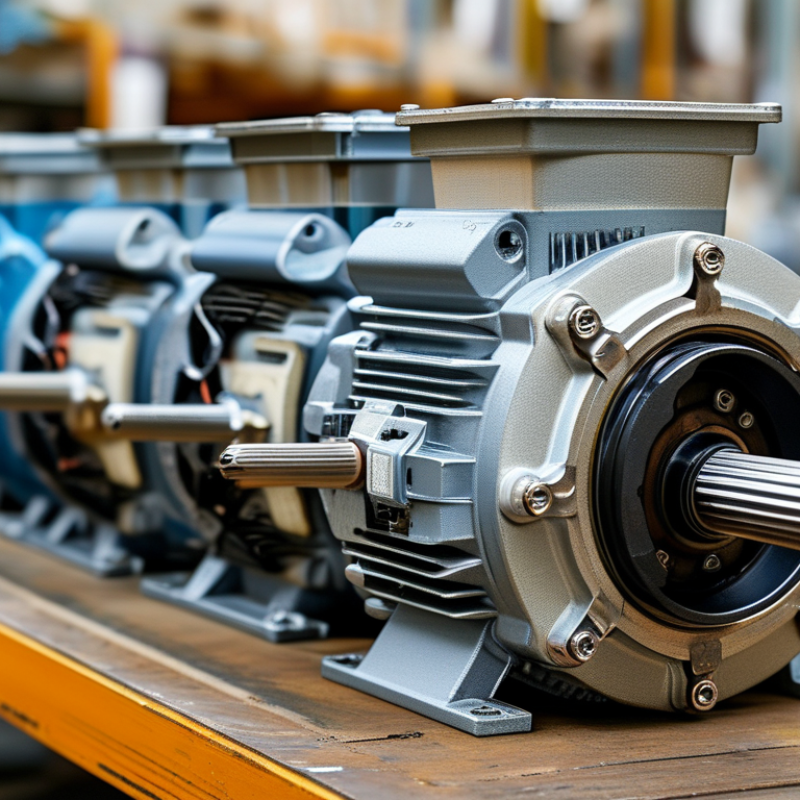
The global motor market is projected to experience significant growth by 2026. According to a recent report from an industry analysis group, the market is expected to reach $100 billion by that year. This is driven by increasing demand across various sectors, including automotive, industrial, and consumer electronics.
Emerging markets are likely to play a pivotal role in this growth. Countries in Asia-Pacific are projected to dominate, driven by rising urbanization and industrial activities. The demand for energy-efficient motors is on the rise. A study indicated that energy-efficient motors can reduce consumption by up to 30%.
However, there are challenges ahead. Supply chain disruptions and raw material shortages have affected production rates. Companies may struggle with fluctuating prices of essential components. The industry's ability to innovate will be tested. New technologies must be adapted to meet evolving consumer needs. There is always room for improvement in operational efficiency and sustainability practices. Balancing growth with responsibility is a key concern for stakeholders.
The automotive industry is constantly evolving. Buyers are now looking for motors that not only perform well but also showcase innovative features. Many top motors available now provide excellent fuel efficiency, advanced safety systems, and smart technology integration. These features enhance driving experiences while making vehicles more reliable.
For those interested in electric or hybrid options, there are exciting developments. New motors often come with longer battery life and quicker charging capabilities. Users appreciate intuitive dashboards that offer drivers real-time data. However, some motors may still struggle with range anxiety and charging infrastructure. This highlights a need for continuous improvement in such technologies.
Despite these advancements, customer feedback often points out areas that need enhancement. Some motors may lack the power drivers expect, while others face usability concerns with technology features. Addressing these issues is crucial for manufacturers and could influence buyer decisions significantly. Understanding these gaps helps consumers make informed choices in the evolving market landscape.
In the competitive landscape of 2026 motors, buyers are faced with numerous options. A careful analysis reveals the strengths and weaknesses of various models. Factors to consider include efficiency, durability, and performance metrics. Different motors cater to unique applications. Some excel in industrial settings, while others are better suited for transportation.
Global stock levels vary significantly across regions. Several motors may offer superior technology but lack availability in certain markets. In contrast, some reliable models are easily accessible despite having outdated features. Quality must be balanced with accessibility; not every top-performing motor is readily stocked.
Market fluctuations can impact purchasing decisions. Buyers may find themselves in situations where ideal options are unavailable. It's essential to adapt to these challenges. Understanding regional supply chains becomes vital. Knowledge of alternate choices can lead to better procurement outcomes. This ongoing analysis ensures that buyers remain equipped to make informed decisions in a dynamic environment.
Understanding the factors influencing global motor availability and demand is essential for buyers. Various elements play a crucial role in shaping the market landscape. Economic conditions, supply chain disruptions, and technological advancements all contribute. A surge in electric vehicle production has increased the need for high-performance motors. This trend has sparked a fierce competition among manufacturers.
Tips: Stay informed about market trends. Subscribe to industry publications and newsletters. This ensures you understand the shifts affecting availability.
Consumer preferences also impact demand. Buyers increasingly seek energy-efficient motors. Regulations and environmental concerns drive this shift. Manufacturers are responding by developing sustainable solutions. However, challenges persist. Some regions still rely on older technologies. This creates disparity in availability across global markets.
Tips: Evaluate your specific needs carefully. Consider local regulations and available technologies. This helps in making informed purchasing decisions while ensuring compliance. Reflect on your choices regularly to adapt to market changes.
As global buyers look to the future, motor technology is evolving rapidly. New trends are shaping the landscape. Advanced materials are making motors lighter and more efficient. Innovations in design enhance performance while reducing environmental impacts.
Electric motors are becoming more mainstream. They offer sustainable alternatives to traditional engines. However, the integration of smart technology is crucial. This allows for better control and monitoring systems. Yet, the pace of change raises questions about affordability and accessibility. Can all buyers adapt to this shift?
Moreover, emerging markets present challenges. Infrastructure often lags behind technological advancements. Manufacturers must consider local needs. Demand for affordable options may clash with the push for high-tech solutions. The balance between innovation and practicality remains a key struggle for the industry.
| Motor Type | Power Rating (kW) | Efficiency (%) | Speed (RPM) | Torque (Nm) | Weight (kg) |
|---|---|---|---|---|---|
| AC Induction | 15 | 92 | 1500 | 100 | 50 |
| DC Brushless | 10 | 95 | 2000 | 80 | 45 |
| Permanent Magnet | 20 | 96 | 3000 | 150 | 60 |
| Stepper Motor | 5 | 85 | 400 | 30 | 18 |
| Synchronous Motor | 25 | 90 | 1800 | 120 | 75 |
: Buyers should seek motors with fuel efficiency, advanced safety systems, and smart technology integration.
Yes, new electric and hybrid motors feature longer battery life and faster charging capabilities.
Range anxiety and limited charging infrastructure remain common worries for many users.
Feedback highlights areas needing improvement, helping manufacturers meet consumer expectations better.
Efficiency, durability, and specific performance metrics are crucial for comparison.
Some top-performing motors may not be available in every region, limiting consumer choices.
Ideal motor options may become unavailable, making it necessary to adapt purchasing strategies.
Some motors may struggle with power delivery and usability issues for advanced features.
It allows buyers to find alternative options and navigate procurement challenges effectively.
Stay informed about recent developments and available technologies to make smarter choices.
The global motor market is poised for significant developments in 2026, with a wide array of top motors in stock catering to international buyers. This article provides an overview of the current motors available, highlighting key features and specifications that set leading options apart in a competitive landscape. A comparative analysis reveals which motors stand out in terms of performance and reliability, addressing the needs of diverse buyers globally.
Moreover, various factors influence the availability and demand for these motors, including technological advancements and market trends. As the industry evolves, future trends in motor technology promise to enhance efficiency and sustainability, ensuring that buyers have access to cutting-edge solutions. With an increasingly interconnected market, the availability of top motors in stock presents exciting opportunities for global acquisition and innovation.

Viterra Motor